Court Letter Sample With Reference In North Carolina
Description



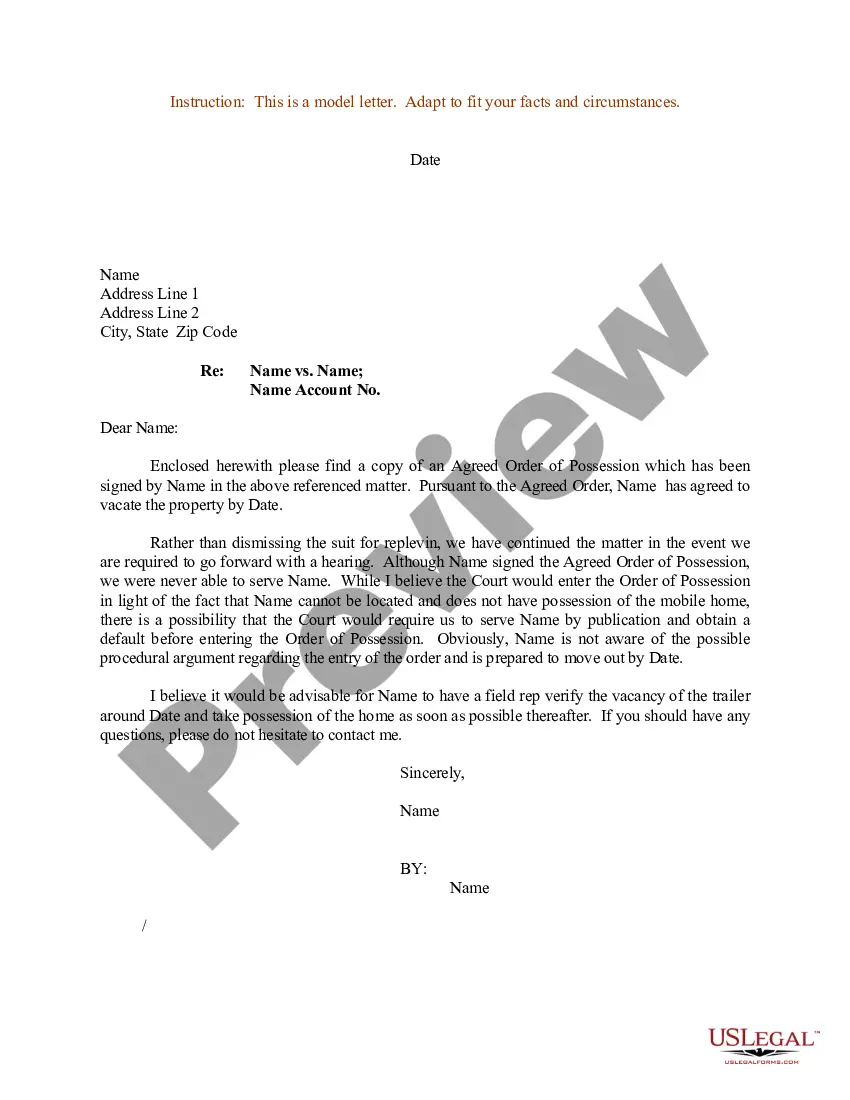
Get your form ready online
Our built-in tools help you complete, sign, share, and store your documents in one place.
Make edits, fill in missing information, and update formatting in US Legal Forms—just like you would in MS Word.
Download a copy, print it, send it by email, or mail it via USPS—whatever works best for your next step.
Sign and collect signatures with our SignNow integration. Send to multiple recipients, set reminders, and more. Go Premium to unlock E-Sign.
If this form requires notarization, complete it online through a secure video call—no need to meet a notary in person or wait for an appointment.
We protect your documents and personal data by following strict security and privacy standards.

Make edits, fill in missing information, and update formatting in US Legal Forms—just like you would in MS Word.

Download a copy, print it, send it by email, or mail it via USPS—whatever works best for your next step.

Sign and collect signatures with our SignNow integration. Send to multiple recipients, set reminders, and more. Go Premium to unlock E-Sign.

If this form requires notarization, complete it online through a secure video call—no need to meet a notary in person or wait for an appointment.

We protect your documents and personal data by following strict security and privacy standards.
Looking for another form?



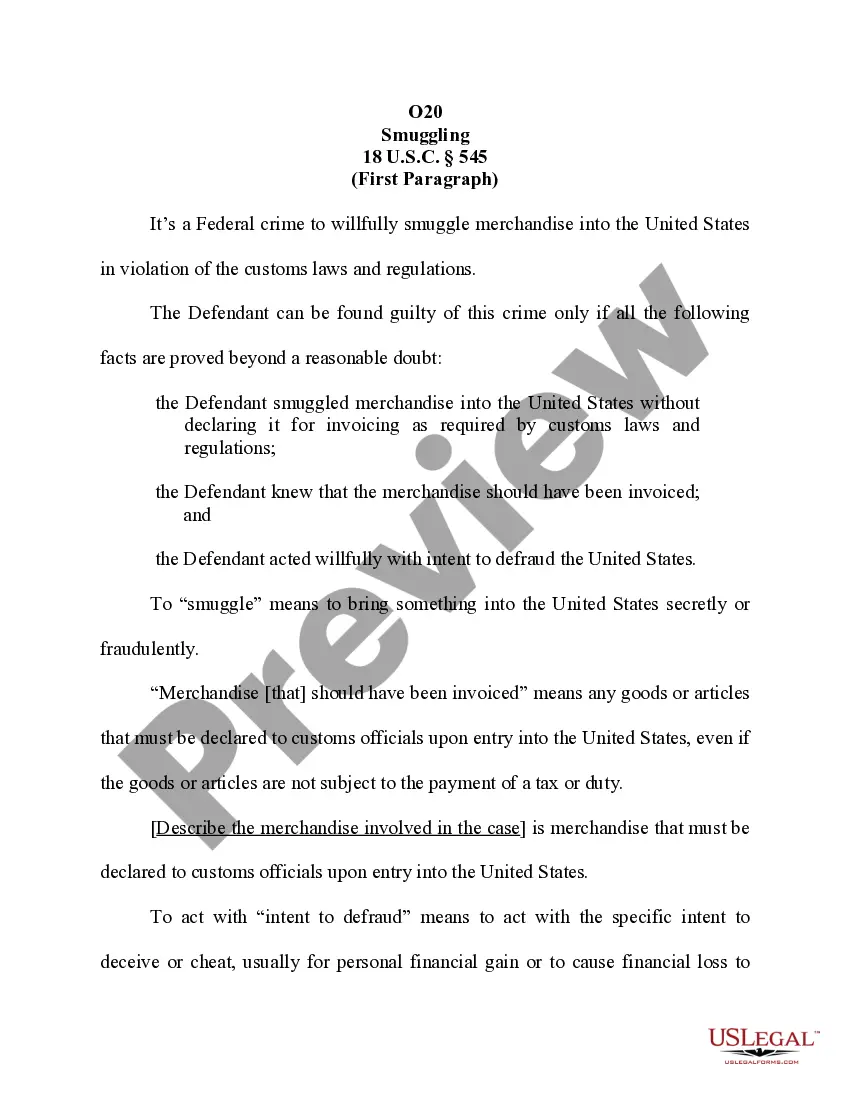
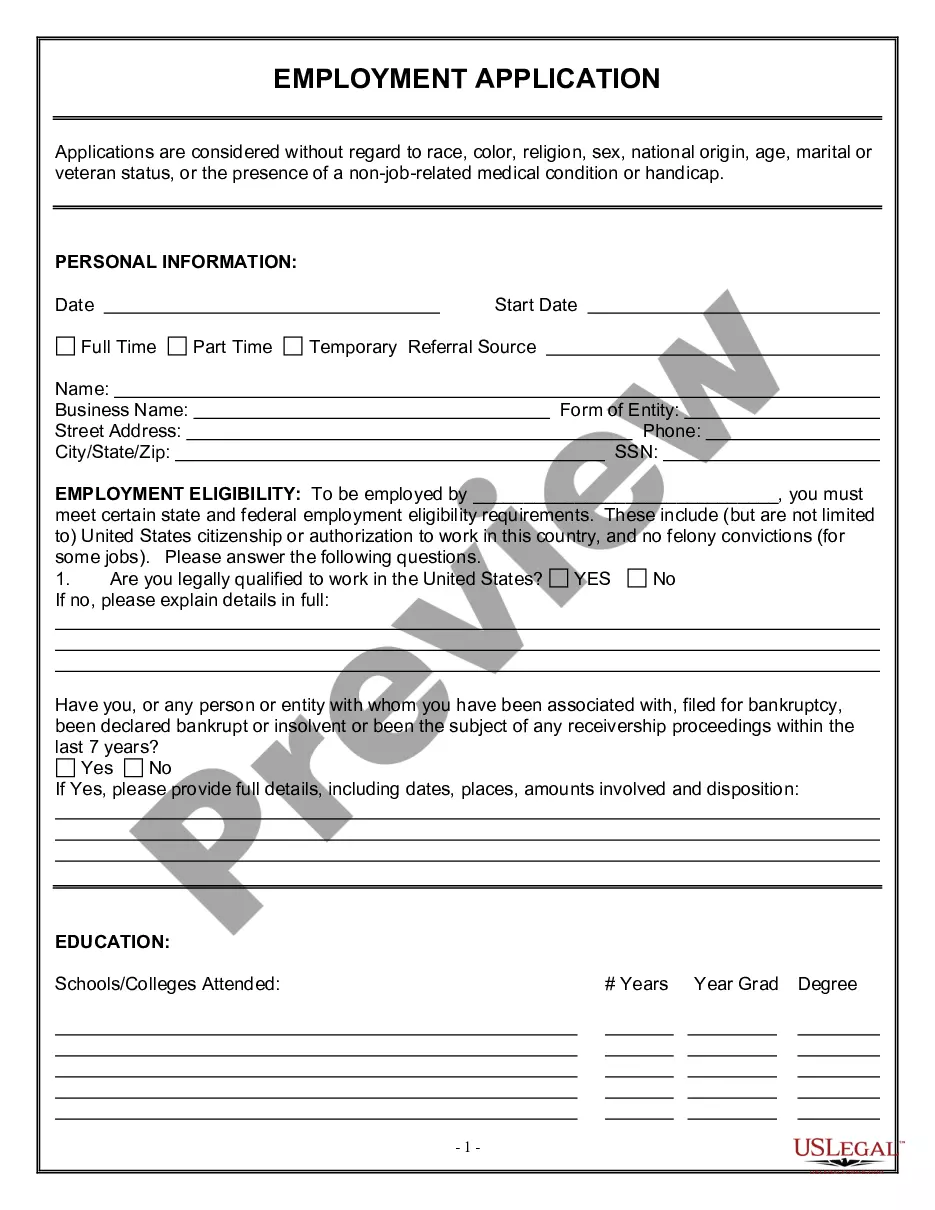
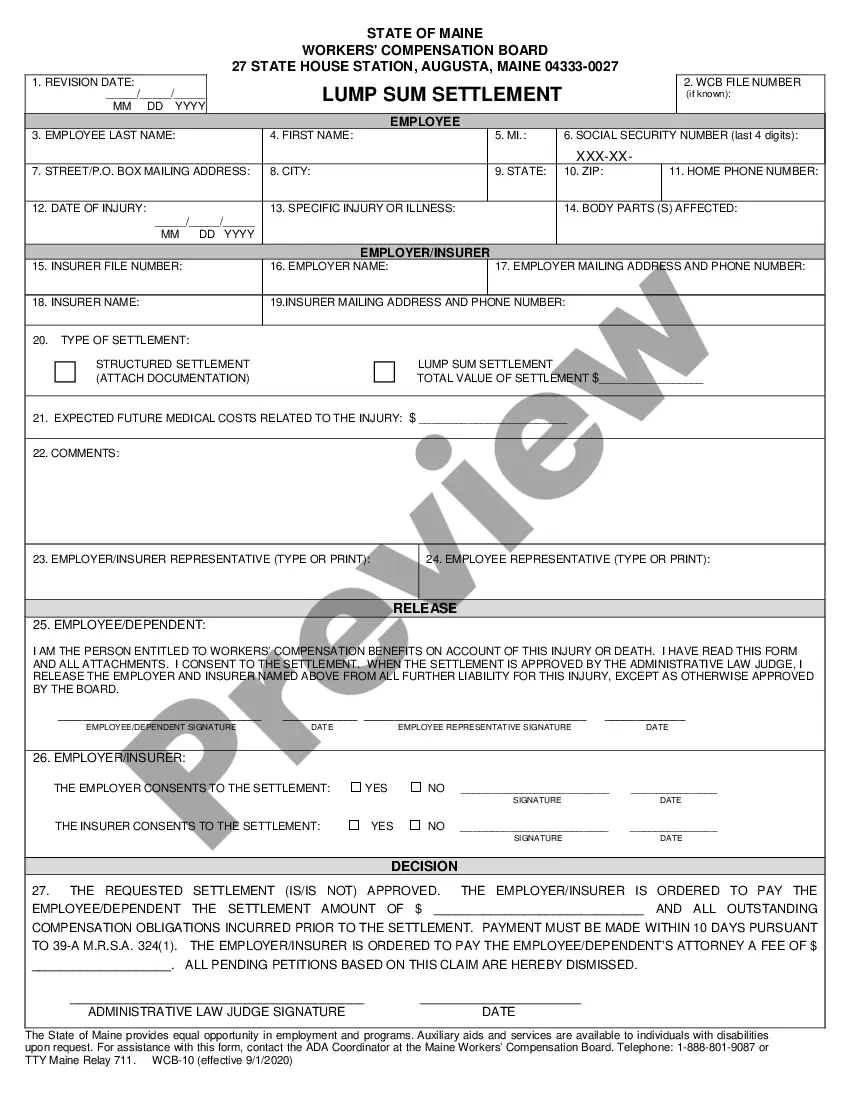

Form popularity
FAQ
Let's take North Carolina as an example—it is a one-party consent state. That means a meeting participant can actively or passively imply consent to a meeting recording as long as they're notified that the meeting or call is recorded.
Ing to North Carolina General Statutes Chapter 132, public records are defined as, “all documents, papers, letters, maps, books, photographs, films, sound recordings, magnetic or other tapes, electronic data-processing records, artifacts, or other documentary material, regardless of physical form or ...
Digital images of the original wills, arranged alphabetically by name of testator, are available on their website. Some users may find it difficult to find these records on their website. The following instructions should help: Visit Discover Online Catalog (DOC) (North Carolina State Archives catalog)
Tips for an Effective Character Letter To a Judge in California Understand the Purpose of a Character Letter. Use Specific Anecdotes Over General Praise. Address the Impact on the Defendant's Support Network. Maintain Respect For the Court. Respect the Judge's Time. Align Your Expectations with Reality.
For eCourts counties: You may search Portal online for case information and court records by name, case number, attorney, and more. Individuals performing background checks should use the county clerk's office for doing so, not Portal. For media inquiries, view more information for members of the media.
The letter should be addressed to the Judge, but mailed to the defendant's attorney. Who are you? ... Make it personal when describing the defendant's characteristics. Only talk about what you know. Be truthful. Never attack the victims or law enforcement. Never allow the defendant to write the letter for you.
I have always found applicant to be trustworthy, hard working and intelligent. When we worked on example, applicant showed good communication skills and I could rely on them to take the initiative and to stay calm under pressure.
Writing a strong letter Frank, concrete details providing evidence of the qualities you discuss. The criteria on which you base your judgments. How the student meets your criteria. Brief information about you and your work as context for your comments.
If the judge's name is "John Smith," then in references to him that would be read by others (e.g., the mailing address on a letter) you would refer to him "The Honorable John Smith" (or some might just use "Hon."). In directly communicating with him in writing, I would start with "Dear Judge Smith."
How to structure a character reference: Introduce yourself, state what your occupation is and any qualifications you hold. In what capacity do you know them the defendant? Tell the court that you're aware of the proceedings. Give some background surrounding your relationship with the defendant.

