Court Letter Templates With Name In Minnesota
Description



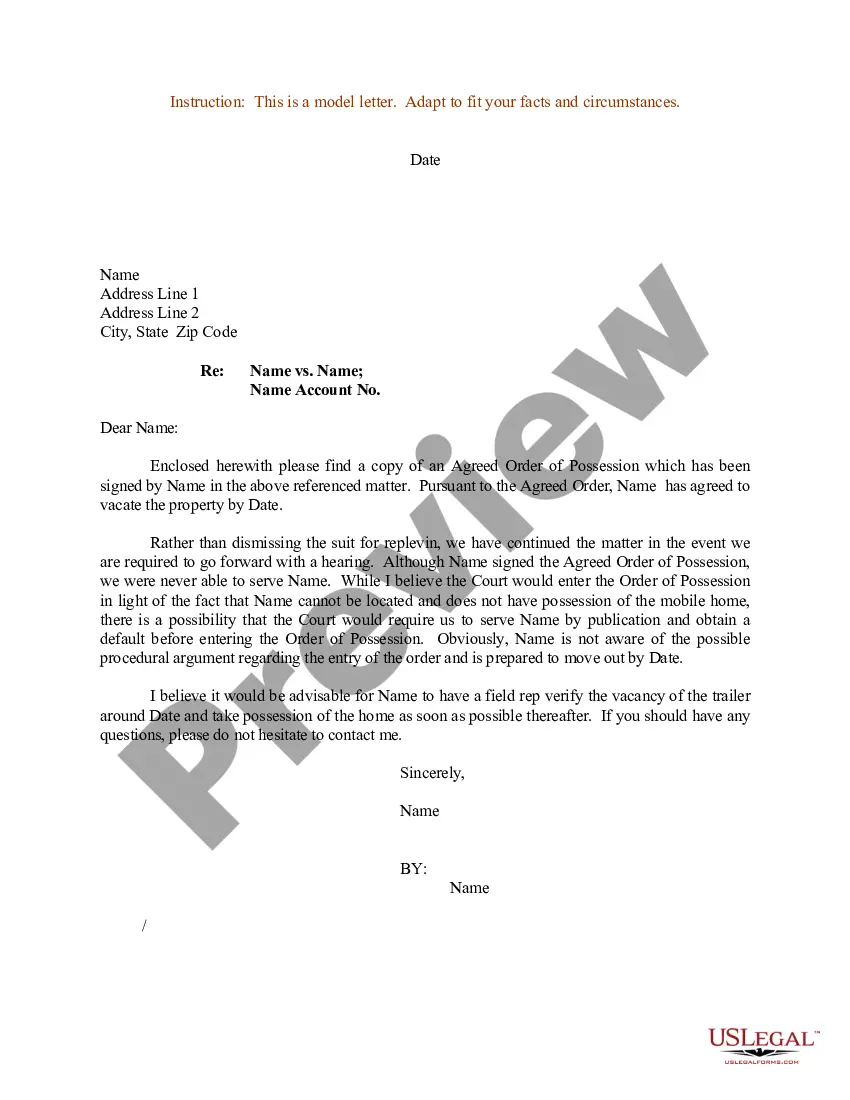
Get your form ready online
Our built-in tools help you complete, sign, share, and store your documents in one place.
Make edits, fill in missing information, and update formatting in US Legal Forms—just like you would in MS Word.
Download a copy, print it, send it by email, or mail it via USPS—whatever works best for your next step.
Sign and collect signatures with our SignNow integration. Send to multiple recipients, set reminders, and more. Go Premium to unlock E-Sign.
If this form requires notarization, complete it online through a secure video call—no need to meet a notary in person or wait for an appointment.
We protect your documents and personal data by following strict security and privacy standards.

Make edits, fill in missing information, and update formatting in US Legal Forms—just like you would in MS Word.

Download a copy, print it, send it by email, or mail it via USPS—whatever works best for your next step.

Sign and collect signatures with our SignNow integration. Send to multiple recipients, set reminders, and more. Go Premium to unlock E-Sign.

If this form requires notarization, complete it online through a secure video call—no need to meet a notary in person or wait for an appointment.

We protect your documents and personal data by following strict security and privacy standards.
Looking for another form?
Form popularity
FAQ
A final order granting or denying a petition for an order for protection is appealable as a final order in a special proceeding. There are other types of orders that are appealable under statutes that apply to specific types of proceedings or under a decision of the Minnesota Supreme Court.
There shall be no remote access to publicly accessible district court case records in the following cast types: (1) Domestic abuse (proceedings for orders for protection under Minnesota Statutes, section 518B. 01); (2) Harassment (proceedings for harassment restraining orders under Minnesota Statutes, section 609.748);
The public can also access court documents from public access computer terminals at any Minnesota district (county) courthouse or at the Minnesota State Law Library. The availability of court records is governed by the Minnesota Rules of Public Access to Records of the Judicial Branch.
Civil court checks search federal and state civil court records and report domestic violence, restraining orders, bankruptcies, lawsuits, foreclosures, and more. Employment verifications contact former employers to confirm the candidate's previous dates of employment, job titles, and identify any employment gaps.
The following are not available in MCRO, but are available through MPA Courthouse: a. Domestic Abuse (OFP) and Harassment Restraining Order (HRO) case types, which the federal Violence Against Women Act (VAWA) prohibits from displaying on the internet. b.
Instructions for filing a. Motion. in the Minnesota Court of Appeals. Step 1: Fill out the Motion form. Step 2: Fill out the Affidavit in Support of Motion form. Step 3: Serve your Motion and Affidavit on the opposing parties. Step 4: Proof of Service. Step 5: File the Motion, Affidavit, and Certificate of Service by Mail.
Court filings with exhibits attached as part of the court filing must be submitted to the court at the time of filing with the court (either in person, by mail, or through the eFile and eServe (eFS) System).
To get an Order for Protection dismissed in Minnesota, consult an experienced attorney for guidance. Gather evidence proving innocence, highlight changed circumstances, and attend court hearings. Mediation also aids in resolution. Legal defenses such as lack of evidence or due process violations are also crucial.
