Court Letter Templates With Borders In Minnesota
Description



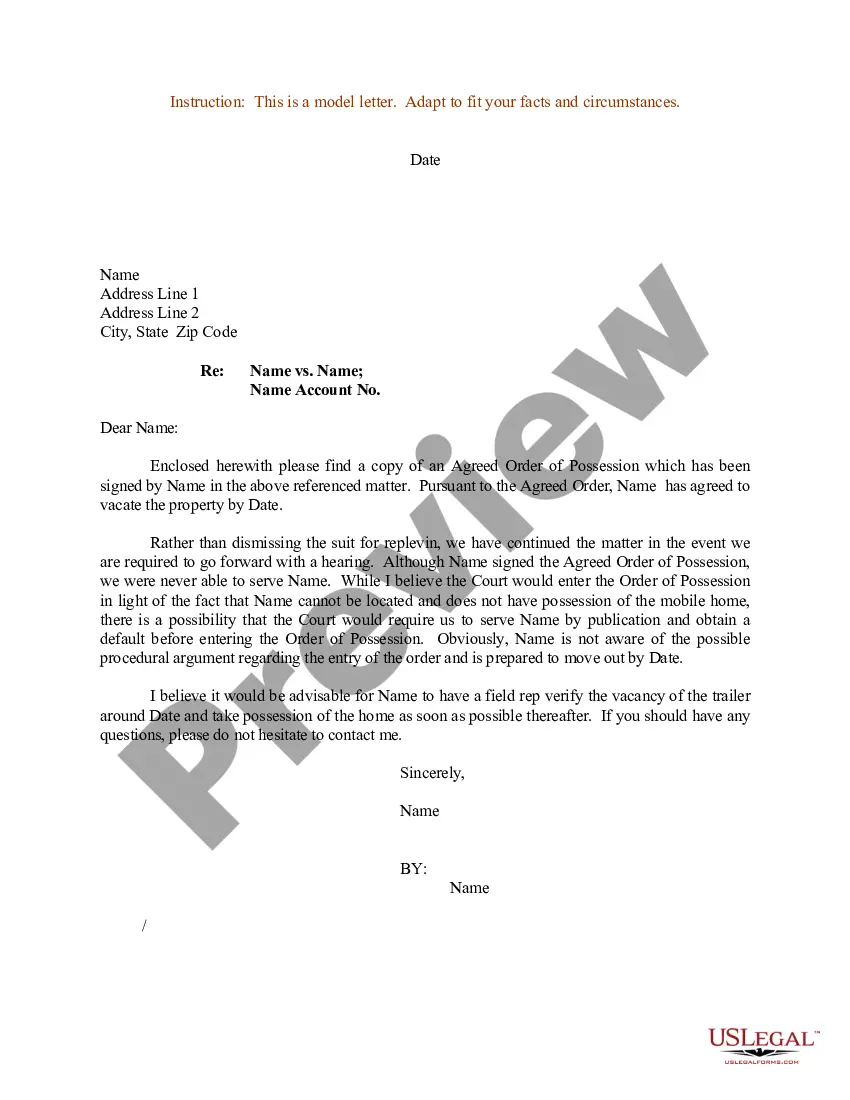
Get your form ready online
Our built-in tools help you complete, sign, share, and store your documents in one place.
Make edits, fill in missing information, and update formatting in US Legal Forms—just like you would in MS Word.
Download a copy, print it, send it by email, or mail it via USPS—whatever works best for your next step.
Sign and collect signatures with our SignNow integration. Send to multiple recipients, set reminders, and more. Go Premium to unlock E-Sign.
If this form requires notarization, complete it online through a secure video call—no need to meet a notary in person or wait for an appointment.
We protect your documents and personal data by following strict security and privacy standards.

Make edits, fill in missing information, and update formatting in US Legal Forms—just like you would in MS Word.

Download a copy, print it, send it by email, or mail it via USPS—whatever works best for your next step.

Sign and collect signatures with our SignNow integration. Send to multiple recipients, set reminders, and more. Go Premium to unlock E-Sign.

If this form requires notarization, complete it online through a secure video call—no need to meet a notary in person or wait for an appointment.

We protect your documents and personal data by following strict security and privacy standards.
Looking for another form?
Form popularity
FAQ
Currently, the monetary jurisdictional limit is $15,000 ($4,000 if the claim involves a consumer credit transaction). You cannot file a claim involving title to real estate, slander, class actions, or medical malpractice in Conciliation Court.
OverviewConciliation Court is also known as "small claims" court. It is a specialty court where people can have their cases heard without complicated legal procedures. Generally, claims of $20,000 or less can be filed in Conciliation Court. IMPORTANT: Winning a case in Conciliation Court does not guarantee payment.
Instructions for filing a. Motion. in the Minnesota Court of Appeals. Step 1: Fill out the Motion form. Step 2: Fill out the Affidavit in Support of Motion form. Step 3: Serve your Motion and Affidavit on the opposing parties. Step 4: Proof of Service. Step 5: File the Motion, Affidavit, and Certificate of Service by Mail.
State Court: the moving party's motion and supporting documents are due at least 28 days before the hearing; the opposing party's response is due at least 14 days before the hearing; and moving party may submit a reply memorandum, limited to new legal or factual matters raised by an opposing party's response to a ...
Civil actions (except family cases) must be filed with the court within one year after service of the summons and complaint on the defendant.
What's a Motion Hearing? A motion hearing in family court is different from a trial. In motion hearings, parties' attorneys submit documents to the court before the hearing explaining what their side wants and why it should be granted. Except in special circumstances, witnesses do not testify in motion hearings.
Minnesota Guide & File is a web-based electronic tool that helps you create court forms in certain types of cases. In most situations, you can then file your forms electronically (eFile) through Guide & File, or print and file at a courthouse.

