Court Letter Templates For School In Middlesex
Description



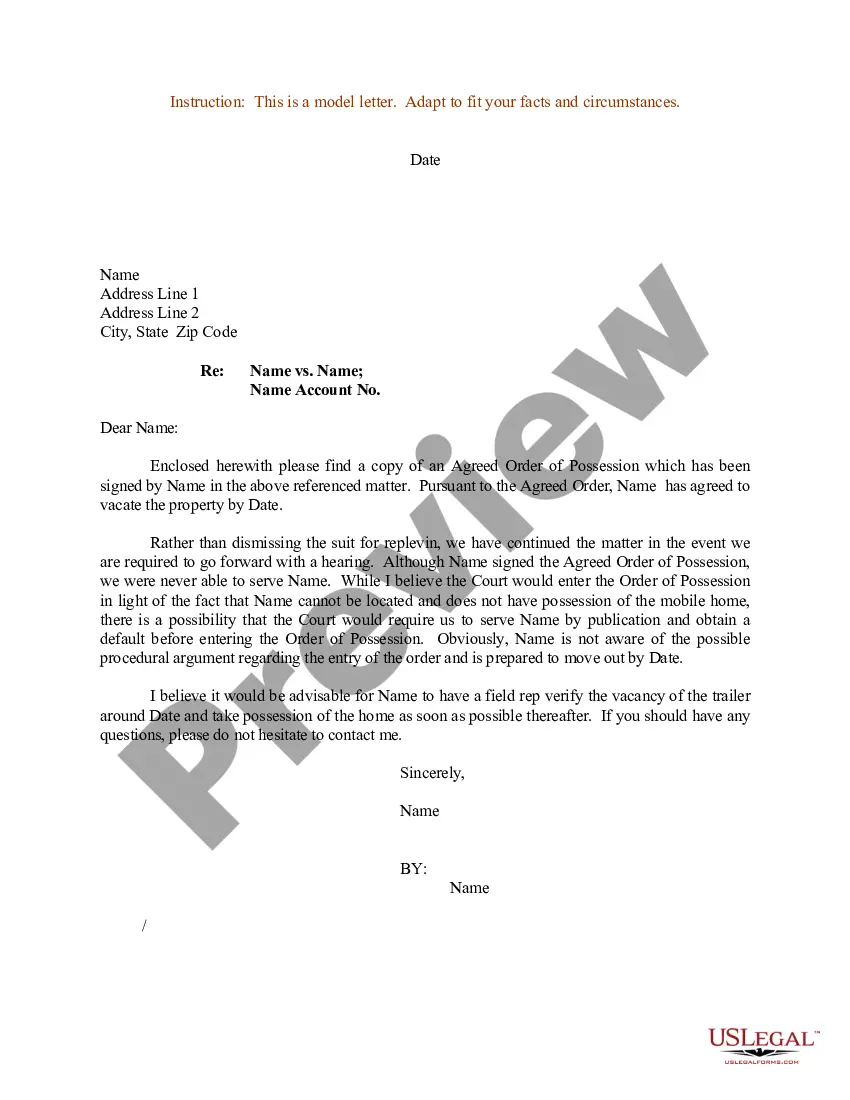
Get your form ready online
Our built-in tools help you complete, sign, share, and store your documents in one place.
Make edits, fill in missing information, and update formatting in US Legal Forms—just like you would in MS Word.
Download a copy, print it, send it by email, or mail it via USPS—whatever works best for your next step.
Sign and collect signatures with our SignNow integration. Send to multiple recipients, set reminders, and more. Go Premium to unlock E-Sign.
If this form requires notarization, complete it online through a secure video call—no need to meet a notary in person or wait for an appointment.
We protect your documents and personal data by following strict security and privacy standards.

Make edits, fill in missing information, and update formatting in US Legal Forms—just like you would in MS Word.

Download a copy, print it, send it by email, or mail it via USPS—whatever works best for your next step.

Sign and collect signatures with our SignNow integration. Send to multiple recipients, set reminders, and more. Go Premium to unlock E-Sign.

If this form requires notarization, complete it online through a secure video call—no need to meet a notary in person or wait for an appointment.

We protect your documents and personal data by following strict security and privacy standards.
Looking for another form?
Form popularity
FAQ
Proposed Form of Order - A proposed order is a form that the judge can use to either grant or deny the relief sought in the motion. Every motion must be accompanied by a proposed form of order. Return date - The return date is the date on which the court will consider the motion.
Lawsuits for amounts up to $20,000 are called special civil cases. They are filed in Superior Court, in the special civil part of the civil division.
A matter is "Interlocutory" when there are open issues (other than stay or enforcement) that must be decided by the trial court or agency. An appeal may not be filed as of right from an interlocutory order.
The plaintiff must file and serve any written reply to the defendant's order to show cause opposition by . The reply papers must be filed with the Clerk of the Superior Court in the county listed above and a copy of the reply papers must be sent directly to the chambers of Judge .
Definition. Judgments or orders entered with the consent of the parties. Consent orders are ordinarily not appealable for the purpose of challenging their substantive provisions.
Appeals from final judgments of courts shall be filed within 45 days of their entry, except for the exceptions listed at R. -1. Appeals from final agency decisions shall be filed within 45 days from the date of service of the decision or notice of the action taken.
As of July 1, 2022, the jurisdictional limit of Small Claims court was increased from $3,000 to $5,000. The jurisdictional limit for the Special Civil Part was increased from $15,000.00 to $20,000.00. Any claims of $20,000.01 or more will be filed in the Law Division.
Court appeals in New Jersey go through the Appellate Division of the Superior Court. This is an intermediate appellate court. The state Supreme Court is the highest appellate court.

