Sample Letter For Court Appeal In Massachusetts
Description


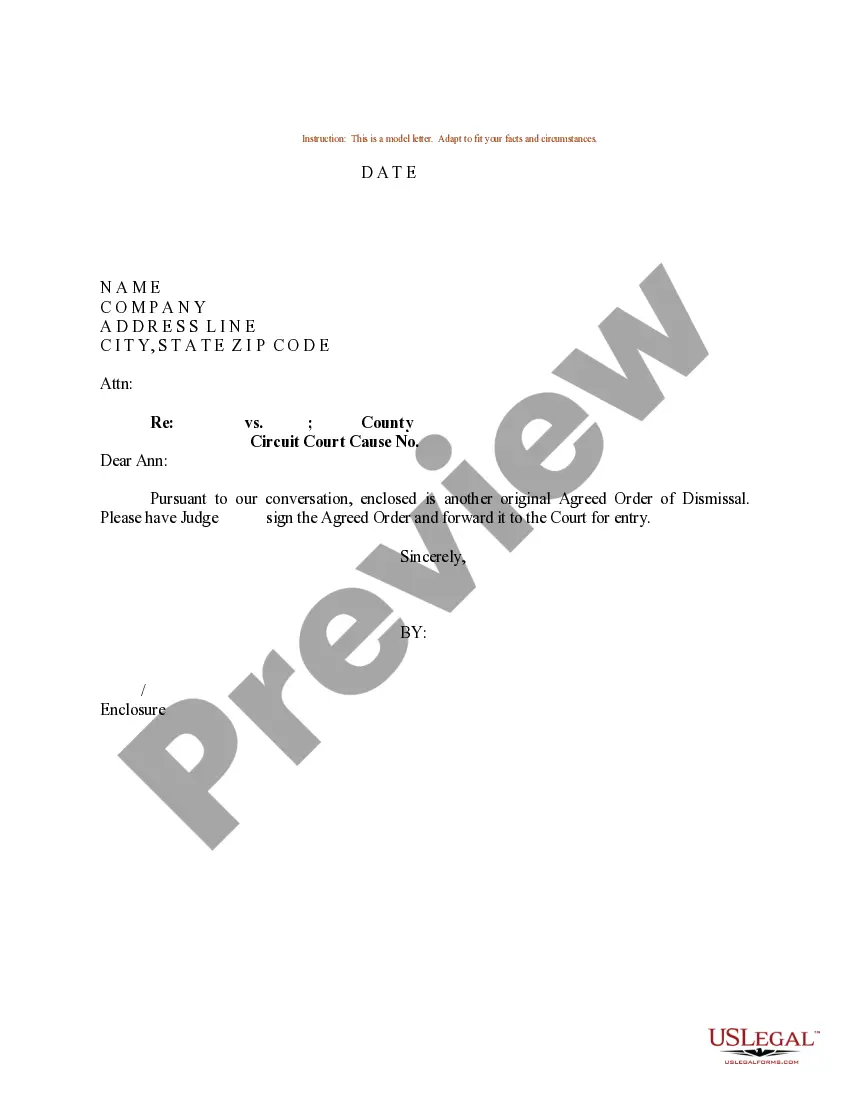
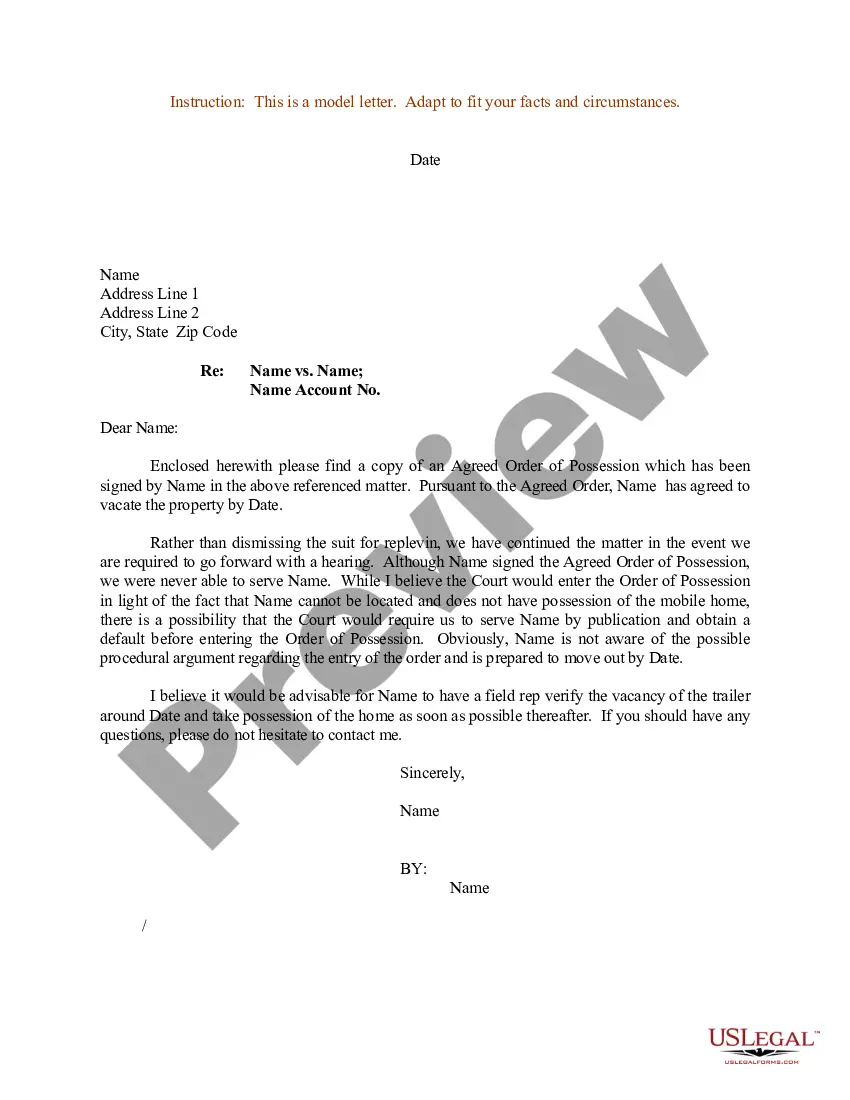
Get your form ready online
Our built-in tools help you complete, sign, share, and store your documents in one place.
Make edits, fill in missing information, and update formatting in US Legal Forms—just like you would in MS Word.
Download a copy, print it, send it by email, or mail it via USPS—whatever works best for your next step.
Sign and collect signatures with our SignNow integration. Send to multiple recipients, set reminders, and more. Go Premium to unlock E-Sign.
If this form requires notarization, complete it online through a secure video call—no need to meet a notary in person or wait for an appointment.
We protect your documents and personal data by following strict security and privacy standards.

Make edits, fill in missing information, and update formatting in US Legal Forms—just like you would in MS Word.

Download a copy, print it, send it by email, or mail it via USPS—whatever works best for your next step.

Sign and collect signatures with our SignNow integration. Send to multiple recipients, set reminders, and more. Go Premium to unlock E-Sign.

If this form requires notarization, complete it online through a secure video call—no need to meet a notary in person or wait for an appointment.

We protect your documents and personal data by following strict security and privacy standards.
Looking for another form?
Form popularity
FAQ
Content and Tone Opening Statement. The first sentence or two should state the purpose of the letter clearly. Be Factual. Include factual detail but avoid dramatizing the situation. Be Specific. Documentation. Stick to the Point. Do Not Try to Manipulate the Reader. How to Talk About Feelings. Be Brief.
Appealing civil cases from Superior Court File a notice of appeal in the Superior Court Clerk's Office within 30 days of the entry of the judgment or final order on the docket of the Superior Court. The appeal is to the Massachusetts Appeals Court.
A former DA explains the 5 most common grands to appeal a criminal conviction. These include erroneous admission of evidence, prosecutorial misconduct, jury misconduct, ineffective assistance of counsel and insufficient evidence.
You can only appeal if you have proper legal grounds – for example, if you can show that the decision was wrong because of a serious mistake or because the procedure was not followed properly. If you are in any doubt about your grounds for appeal, you should get advice from a solicitor, law centre or advice agency.
When appealing against a guilty verdict a defendant might say: there was something unfair about the way their trial took place. a mistake was made in their trial. the verdict could not be sustained on the evidence.
There are many reasons to appeal a criminal conviction, but the three most common reasons for appeal are for ineffective assistance of counsel, evidentiary issues during trial, and plain error committed by the trial court.
How to write a letter of appeal in 8 simple steps Understand the decision. Review the appeal process. Gather all the information you have. Determine who will be reading your appeal. Explain what happened. Explain why you disagree. Propose an alternative outcome. Sign your letter.
Rule 4 - Appeal-When Taken (a) Appeals in Civil Cases (1) In a civil case, unless otherwise provided by statute, the notice of appeal required by Rule 3 shall be filed with the clerk of the lower court within 30 days of the date of the entry of the judgment, decree, appealable order, or adjudication appealed from; but ...
An informal brief must include “adequate appellate argument,” which means that all issues the party wants to present to the Appeals Court are listed in the brief, and, for each issue, there are citations to supporting law in cases (preferably from Massachusetts), statutes, regulations, court rules, constitutional ...

