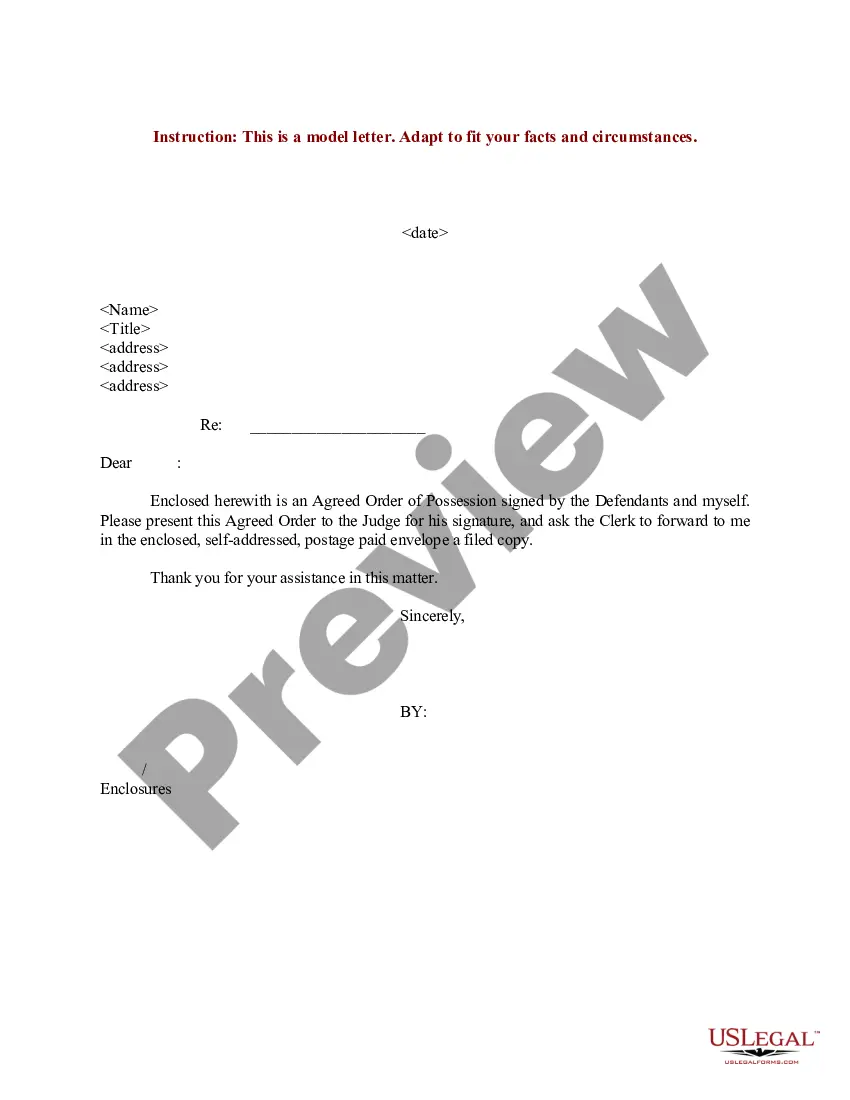
Sample Letter For Court Appeal In Maryland
Description
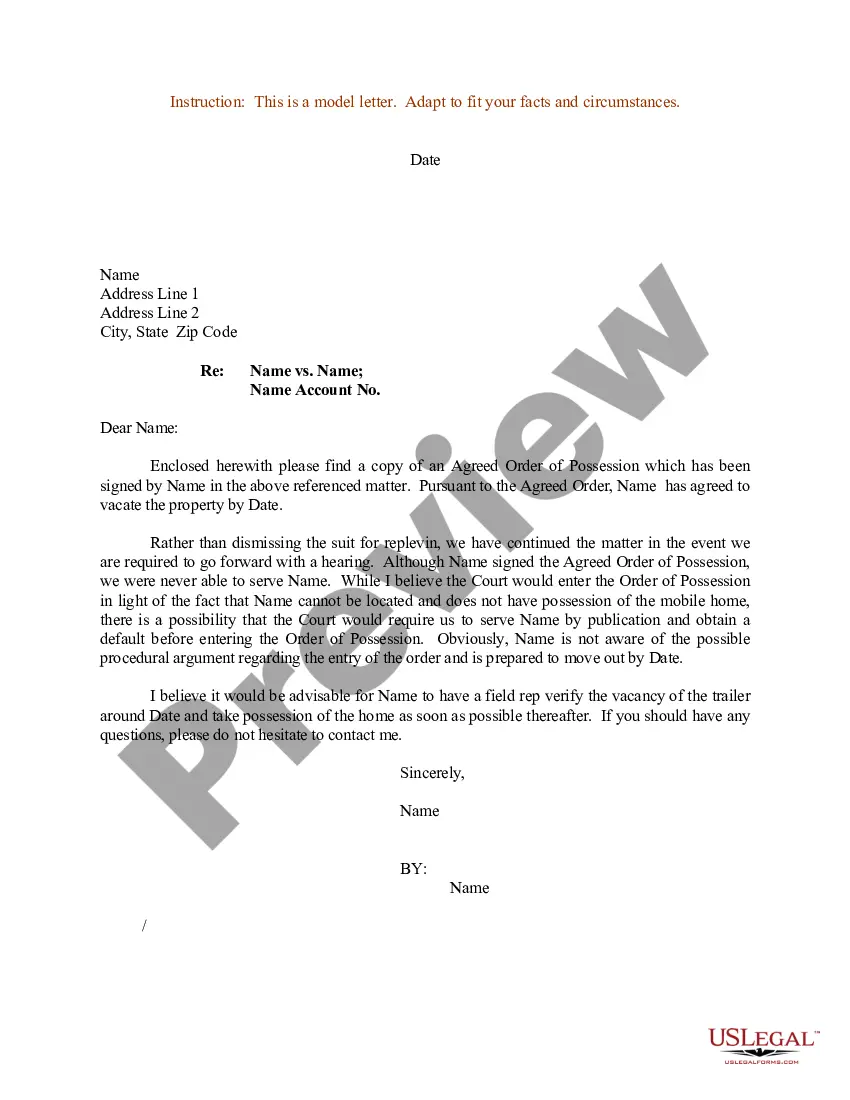
Get your form ready online
Our built-in tools help you complete, sign, share, and store your documents in one place.
Make edits, fill in missing information, and update formatting in US Legal Forms—just like you would in MS Word.
Download a copy, print it, send it by email, or mail it via USPS—whatever works best for your next step.
Sign and collect signatures with our SignNow integration. Send to multiple recipients, set reminders, and more. Go Premium to unlock E-Sign.
If this form requires notarization, complete it online through a secure video call—no need to meet a notary in person or wait for an appointment.
We protect your documents and personal data by following strict security and privacy standards.

Make edits, fill in missing information, and update formatting in US Legal Forms—just like you would in MS Word.

Download a copy, print it, send it by email, or mail it via USPS—whatever works best for your next step.

Sign and collect signatures with our SignNow integration. Send to multiple recipients, set reminders, and more. Go Premium to unlock E-Sign.

If this form requires notarization, complete it online through a secure video call—no need to meet a notary in person or wait for an appointment.

We protect your documents and personal data by following strict security and privacy standards.
Looking for another form?
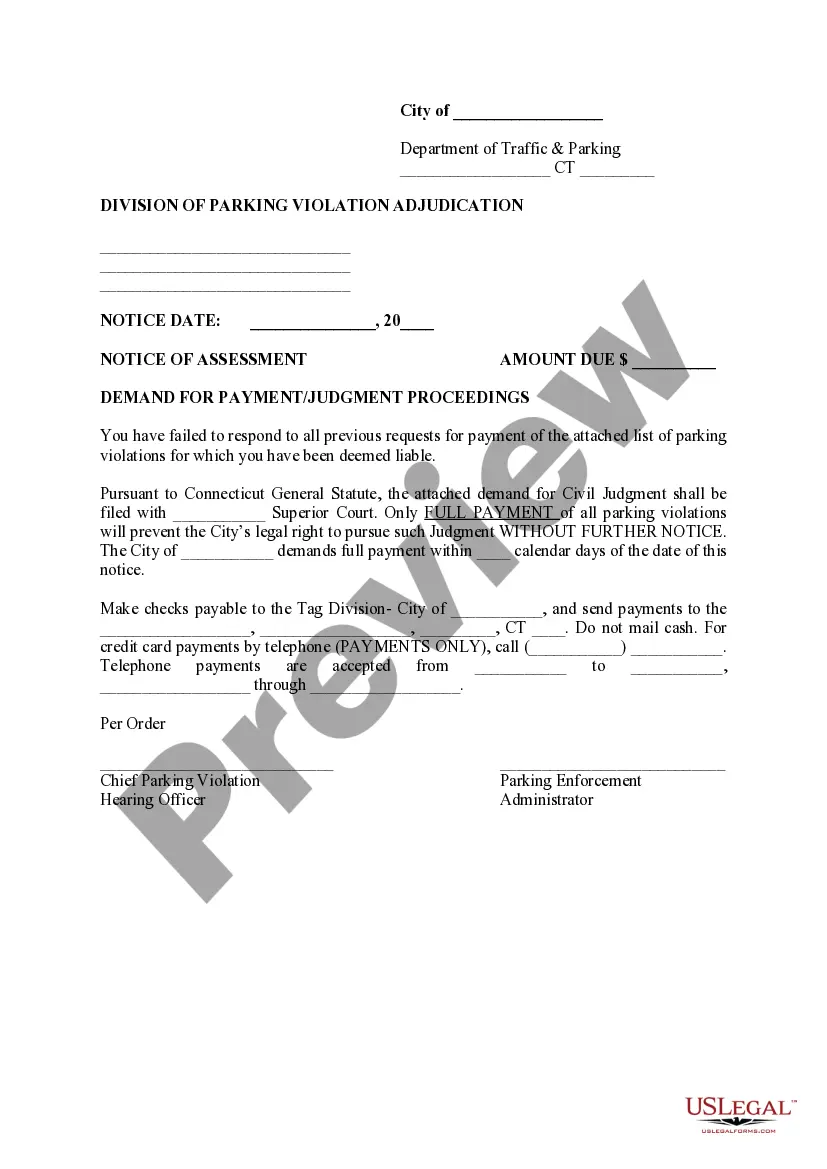
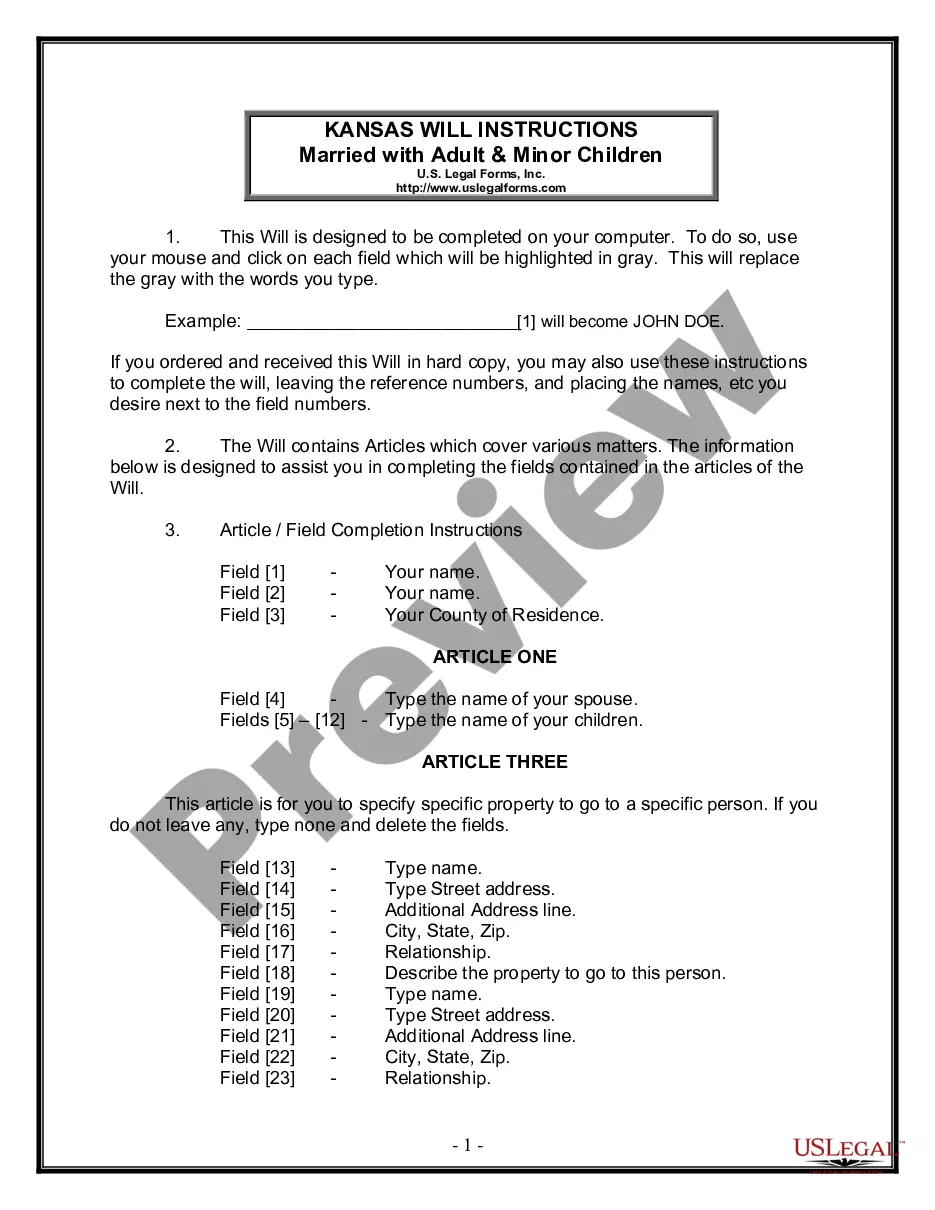
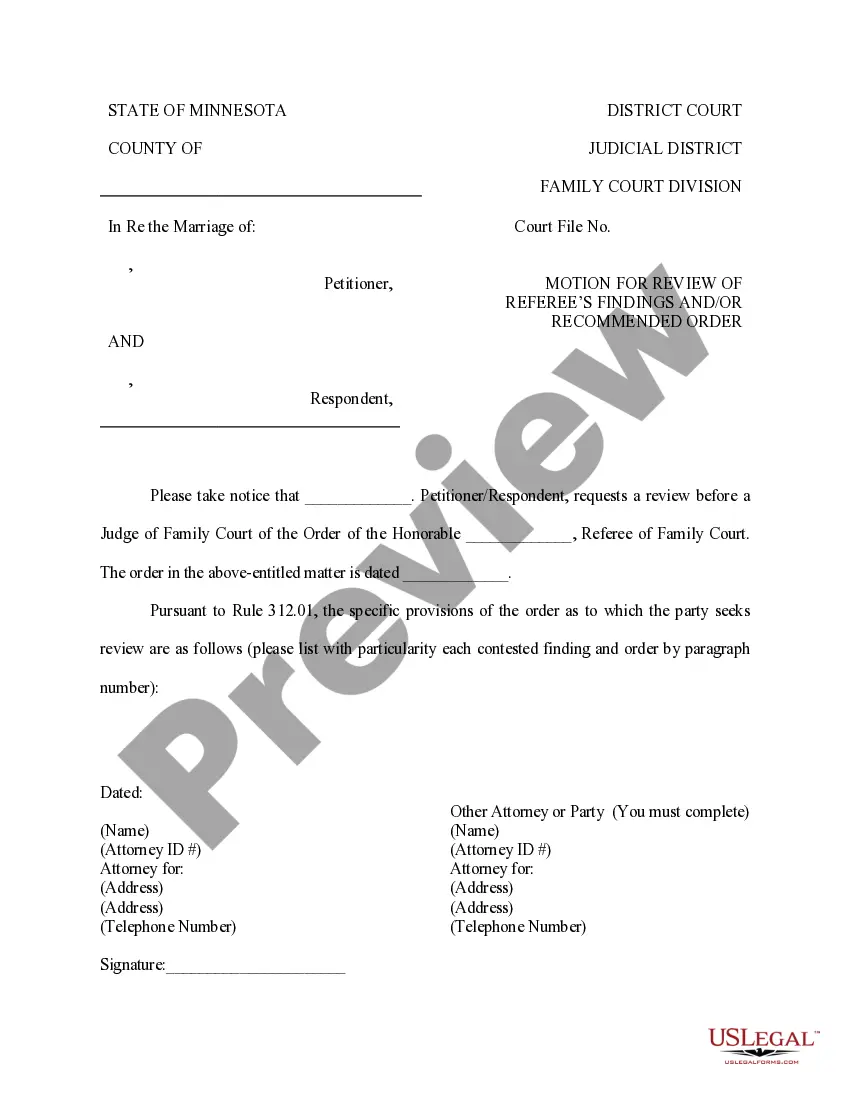
Form popularity
FAQ
Content and Tone Opening Statement. The first sentence or two should state the purpose of the letter clearly. Be Factual. Include factual detail but avoid dramatizing the situation. Be Specific. Documentation. Stick to the Point. Do Not Try to Manipulate the Reader. How to Talk About Feelings. Be Brief.
There are four stages to the appeal process — reconsideration, hearing, council, and court.
How to write a letter of appeal in 8 simple steps Understand the decision. Review the appeal process. Gather all the information you have. Determine who will be reading your appeal. Explain what happened. Explain why you disagree. Propose an alternative outcome. Sign your letter.
Although you may want to write a longer letter that states all the reasons they should reconsider, you could have better success if you keep it brief. Use a professional tone: Keep a professional tone to help sell your argument and show you have objective and legitimate reasons for requesting your reconsideration.
The mayor made an appeal to the people of the city to stay calm. We made a donation during the school's annual appeal. She helped to organize an appeal on behalf of the homeless. My lawyer said the court's decision wasn't correct and that we should file for an appeal.
I am writing to appeal my current disciplinary status, and to apologize for my involvement in the floor crawl which led to my being placed on notice. I realize that what seemed harmless fun to me was actually a danger to my health and the health of others. I sincerely regret my actions that night....
Focus on presenting yourself in a positive light. Structure and Length: Keep your appeal letter concise, ideally one page long. Follow a clear structure: Introduction, explanation of new information/circumstances, reiterating your fit, and conclusion expressing continued interest. Additional Tips:
Content and Tone Opening Statement. The first sentence or two should state the purpose of the letter clearly. Be Factual. Include factual detail but avoid dramatizing the situation. Be Specific. Documentation. Stick to the Point. Do Not Try to Manipulate the Reader. How to Talk About Feelings. Be Brief.
A former DA explains the 5 most common grands to appeal a criminal conviction. These include erroneous admission of evidence, prosecutorial misconduct, jury misconduct, ineffective assistance of counsel and insufficient evidence.