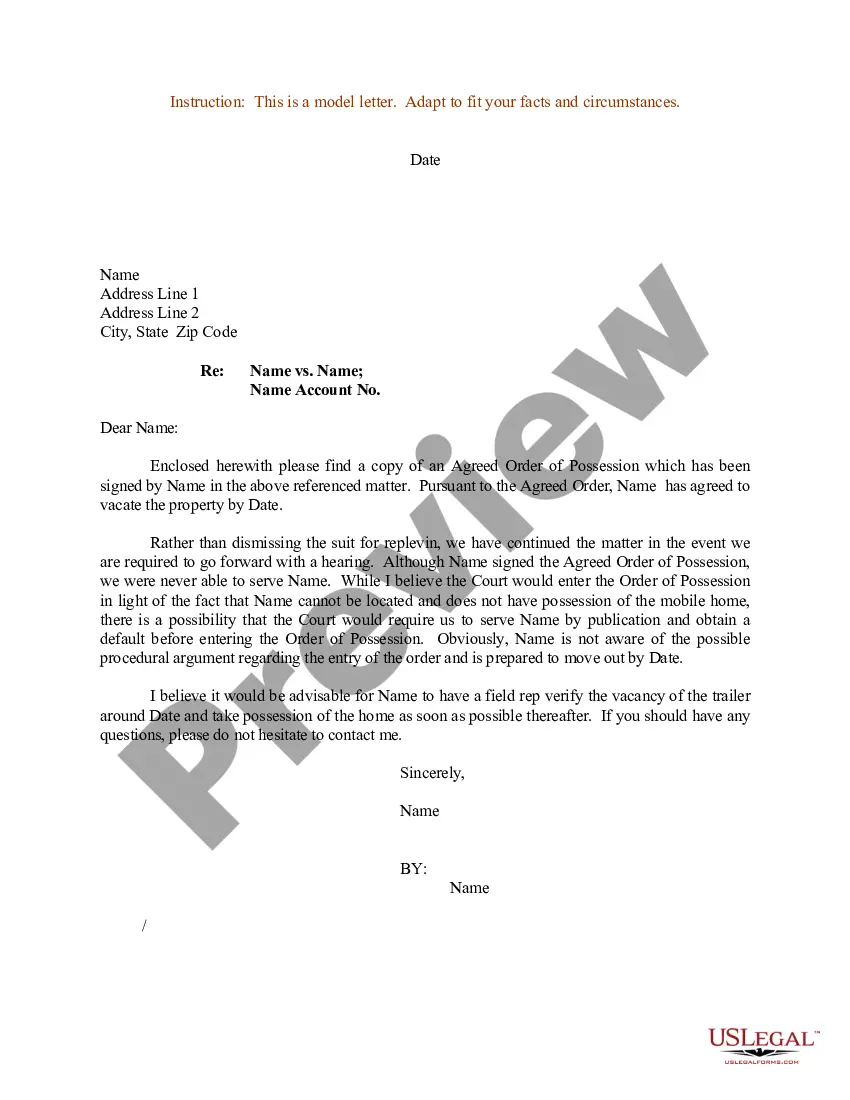
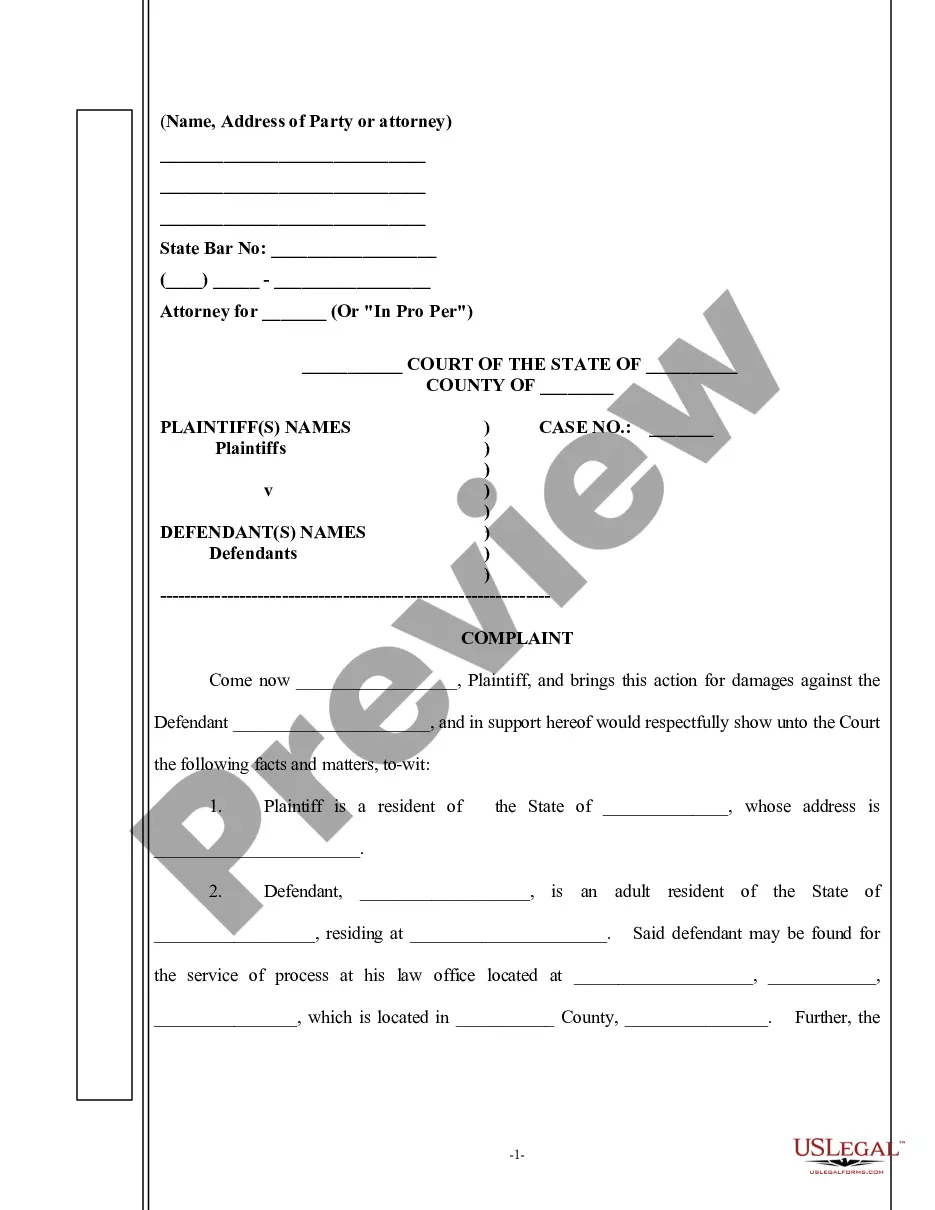
Court Letter Sample With Conforme In Maryland
Description



Get your form ready online
Our built-in tools help you complete, sign, share, and store your documents in one place.
Make edits, fill in missing information, and update formatting in US Legal Forms—just like you would in MS Word.
Download a copy, print it, send it by email, or mail it via USPS—whatever works best for your next step.
Sign and collect signatures with our SignNow integration. Send to multiple recipients, set reminders, and more. Go Premium to unlock E-Sign.
If this form requires notarization, complete it online through a secure video call—no need to meet a notary in person or wait for an appointment.
We protect your documents and personal data by following strict security and privacy standards.

Make edits, fill in missing information, and update formatting in US Legal Forms—just like you would in MS Word.

Download a copy, print it, send it by email, or mail it via USPS—whatever works best for your next step.

Sign and collect signatures with our SignNow integration. Send to multiple recipients, set reminders, and more. Go Premium to unlock E-Sign.

If this form requires notarization, complete it online through a secure video call—no need to meet a notary in person or wait for an appointment.

We protect your documents and personal data by following strict security and privacy standards.
Looking for another form?



Form popularity
FAQ
In some circumstances, you file a petition or a motion. The court has several complaint forms that you may use in drafting your complaint. The forms are available online and at the Pro Se Intake Unit. You may also write your own complaint without using a court form.
If you are filing an answer, you must file in the county where the Complaint, Petition, or Motion was filed. If you think the other side filed in the wrong county, you can ask the court, in writing, to move the case to a different county. This is a situation that may require a lawyer's assistance.
If you need information about court records, there is a valuable on-line tool that can help. It's called Maryland Judiciary Case Search or just “Case Search.” To get started visit mdcourts/casesearch.
Most judicial records are in the custody of a local clerk's office. To request those records, please contact the appropriate clerk's office, which is generally where the case was filed or the hearing or trial was conducted.
Transcript requests must be in writing, via mail, fax or e-mail. No transcript requests will be accepted over the telephone. For your convenience, you may fill out a Transcript Request Form (MS Word) (PDF) and return it as instructed on the form.
For a criminal background check, contact the Maryland Department of Public Safety and Correctional Services at 1- 888-795-0011 or visit their website at dpscs.maryland. You may wish to have your criminal case removed from public records. This process, called expungement, is discussed in a separate video series.
The nature of the proceeding is abbreviated by a letter code. For example, “R” stands for a Rate case, and "RM" is a Rulemaking case. The letter code is then followed by the current year and the number of the case for that year.
If you need information about court records, there is a valuable on-line tool that can help. It's called Maryland Judiciary Case Search or just “Case Search.” To get started visit mdcourts/casesearch.
Letters indicating case type are often skipped (-ap-123456 vs. -123456; C-07-04771 vs. 07-04771) Letters at the end of the number are usually local notes such as, e.g. the judge's initials, and are commonly skipped (-cv-123456-ABC-RZ vs.
