Court Letter Sample With Greetings In Maricopa
Description




Get your form ready online
Our built-in tools help you complete, sign, share, and store your documents in one place.
Make edits, fill in missing information, and update formatting in US Legal Forms—just like you would in MS Word.
Download a copy, print it, send it by email, or mail it via USPS—whatever works best for your next step.
Sign and collect signatures with our SignNow integration. Send to multiple recipients, set reminders, and more. Go Premium to unlock E-Sign.
If this form requires notarization, complete it online through a secure video call—no need to meet a notary in person or wait for an appointment.
We protect your documents and personal data by following strict security and privacy standards.

Make edits, fill in missing information, and update formatting in US Legal Forms—just like you would in MS Word.

Download a copy, print it, send it by email, or mail it via USPS—whatever works best for your next step.

Sign and collect signatures with our SignNow integration. Send to multiple recipients, set reminders, and more. Go Premium to unlock E-Sign.

If this form requires notarization, complete it online through a secure video call—no need to meet a notary in person or wait for an appointment.

We protect your documents and personal data by following strict security and privacy standards.
Looking for another form?
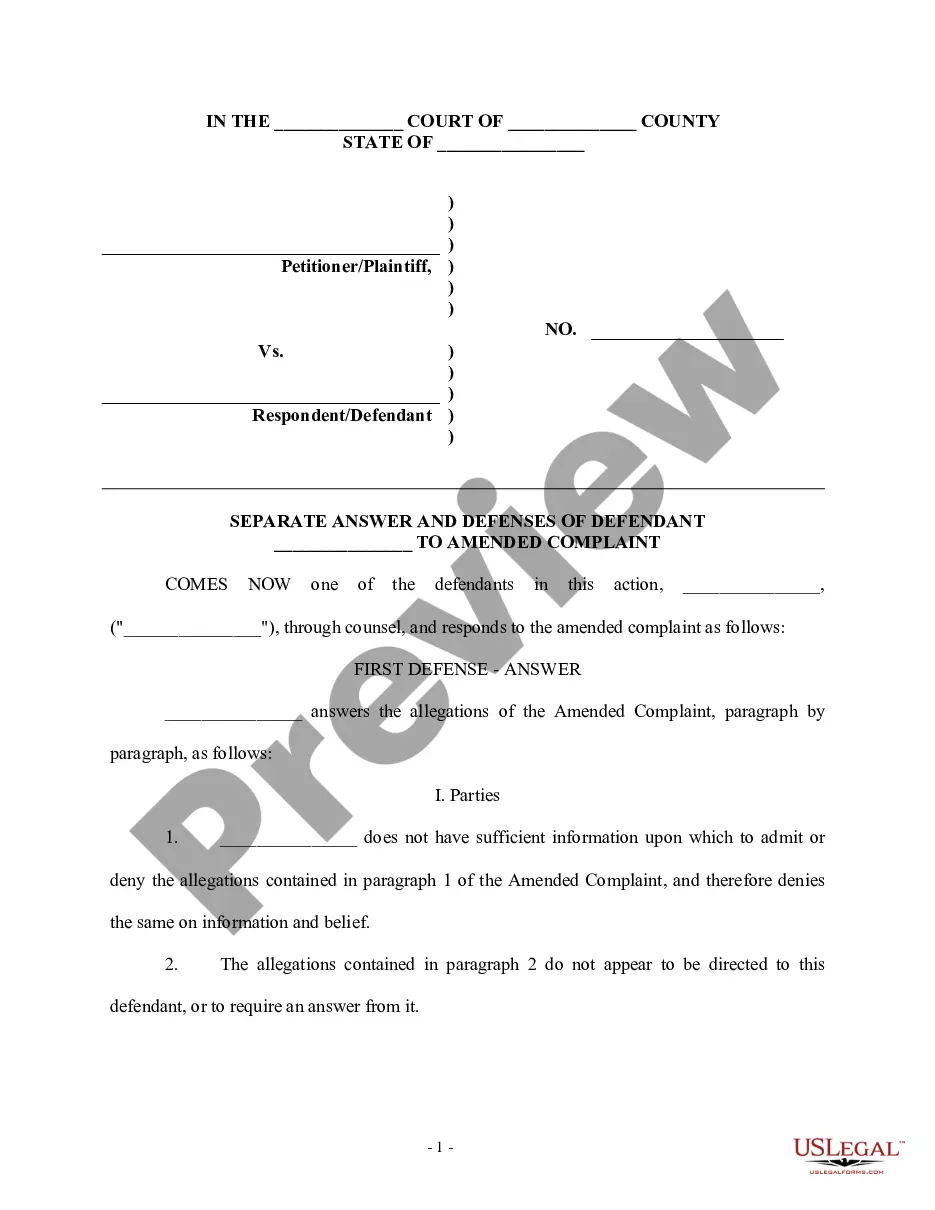
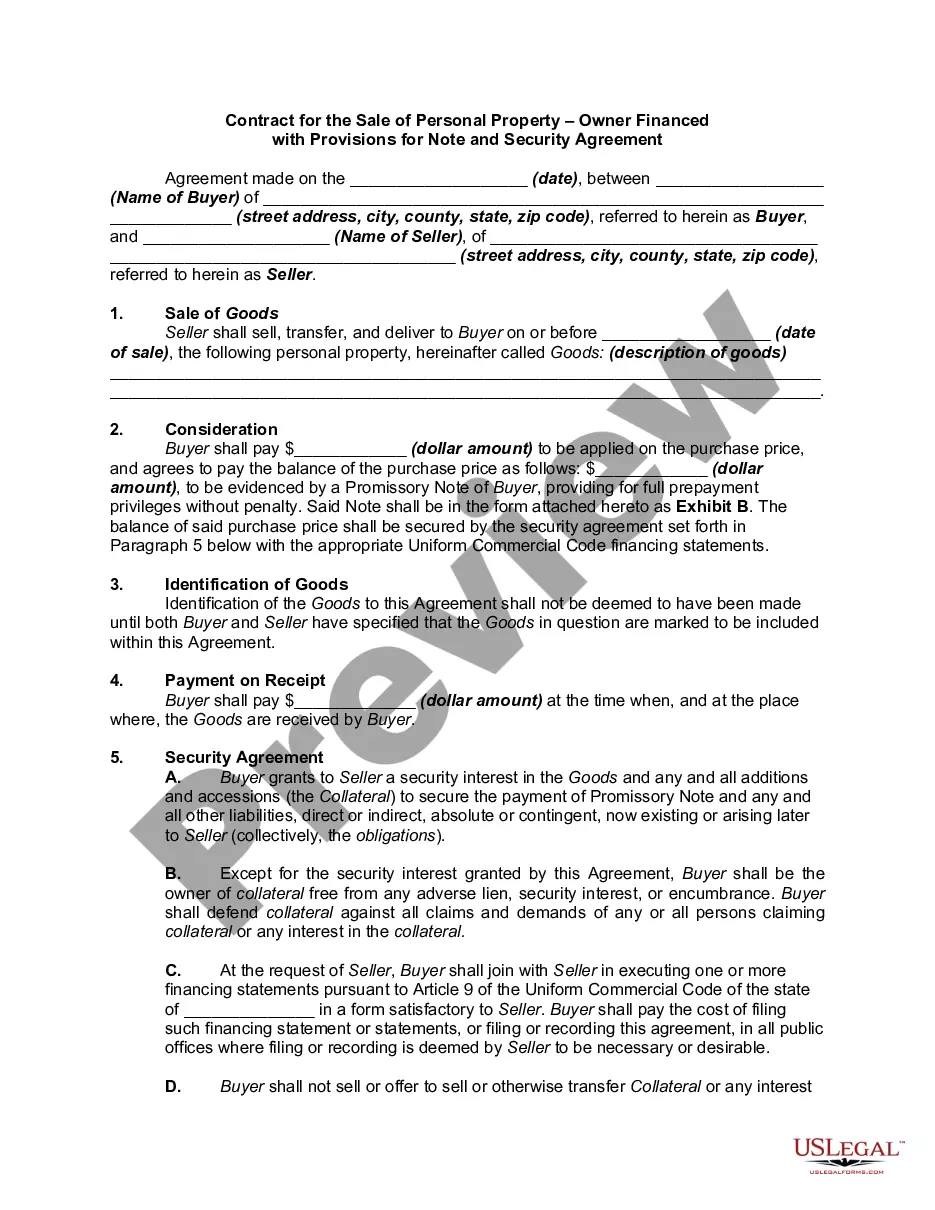
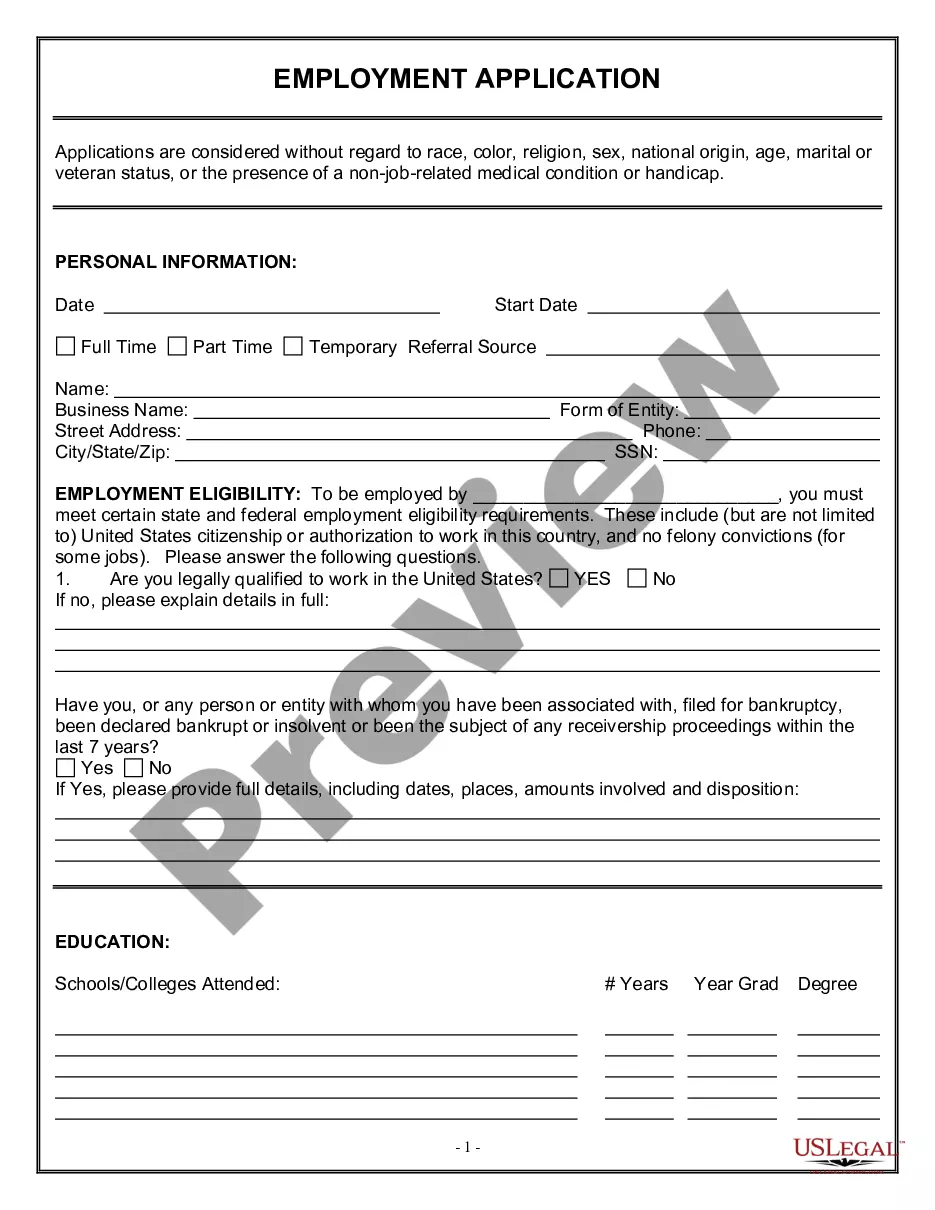
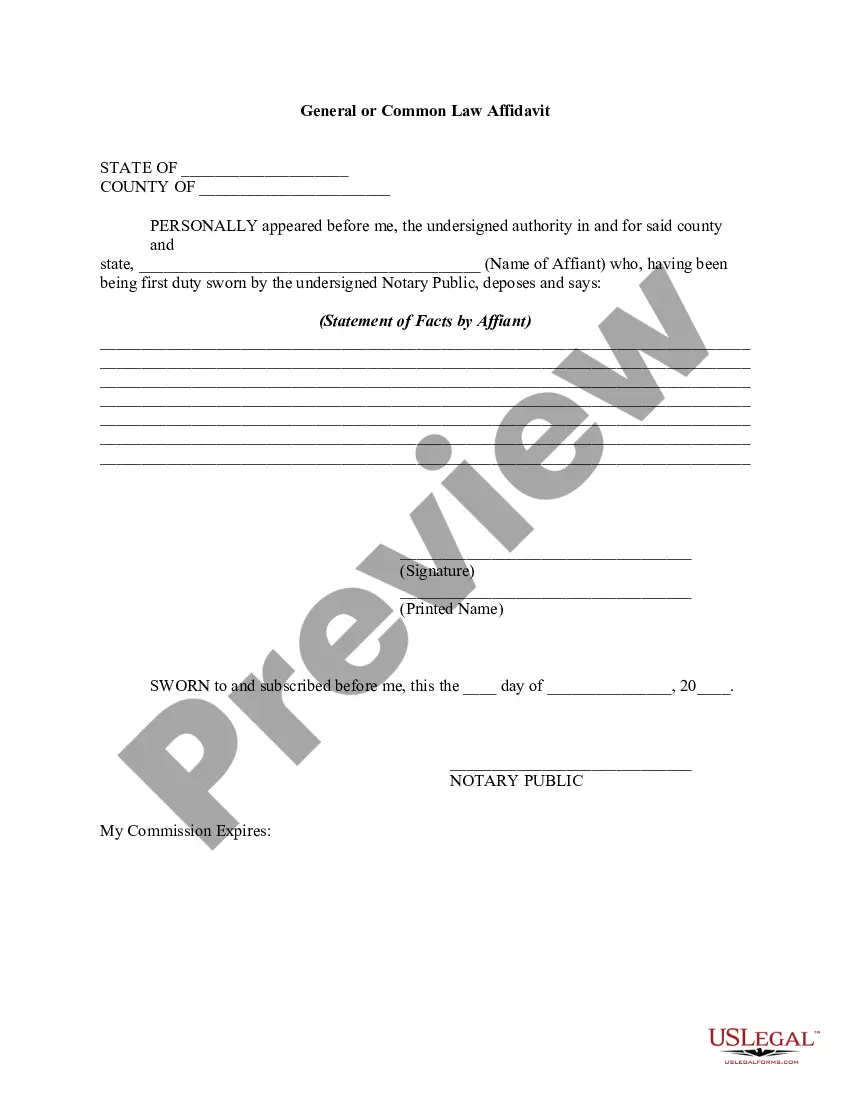


Form popularity
FAQ
Matters of probate (wills, estates); dissolution or annulment of marriages (divorces); naturalization and the issuance of appropriate documents for these events; and, special cases and proceedings not otherwise provided for, and such other jurisdiction as may be provided by law.
1. Use formal language: Address the judge as "Honorable Full Name". 2. Include proper titles: Use "Dear Judge Last Name" as the salutation.
Before an Arbitrator is Appointed When filing a complaint, the plaintiff also must file a Certificate of Compulsory Arbitration which states the monetary amount of the controversy. If the case is designated an arbitration case, an arbitrator is appointed once an answer to the complaint is filed.
Character Letter for Court Sample Template First Paragraph: Begin by introducing yourself. Then, describe your relationship with the individual for whom you are writing the letter, including how long you've known them and the nature of your connection. Second Paragraph: State the purpose of your letter.
Be sure to include the case name and case number on both the letter and the envelope. The salutation (opener) is either ``May it please the Court'' (preferred) or ``May it please Your Honour'' (``Your Honor'') -- this wording works for any jurisdiction in the world in a letter from a non-lawyer.
In every character letter, the writer must know how to format the letter and address the judge. Do not write “Honorable Judge” because that's redundant. Either “Judge” or “The Honorable” is acceptable.
Please, do not send letters directly to the judge, prosecutor, or anyone else in the court system. Do not call or email those people. What you say to them may hurt the defendant, even if you think it will help.
Refer to the judge as “the Court”, “his honor,” or “her honor” if you need to refer to the judge while addressing a witness or the jury. Stop speaking if the judge begins to speak.
The Notice of Award will provide the next court date for the case. On that status date, if no rejection is filed, a party must move for entry of judgment on the award or enter a dismissal order. If a rejection has been filed, the Court will set the case for trial.
All civil cases filed with the Clerk of the Court in which the Court finds or the parties agree that the amount in controversy does not exceed $50,000 shall be subject to the provisions of A.R.S. § 12-133 and Rules 72 to 77 of the Arizona Rules of Civil Procedure governing compulsory arbitration.
