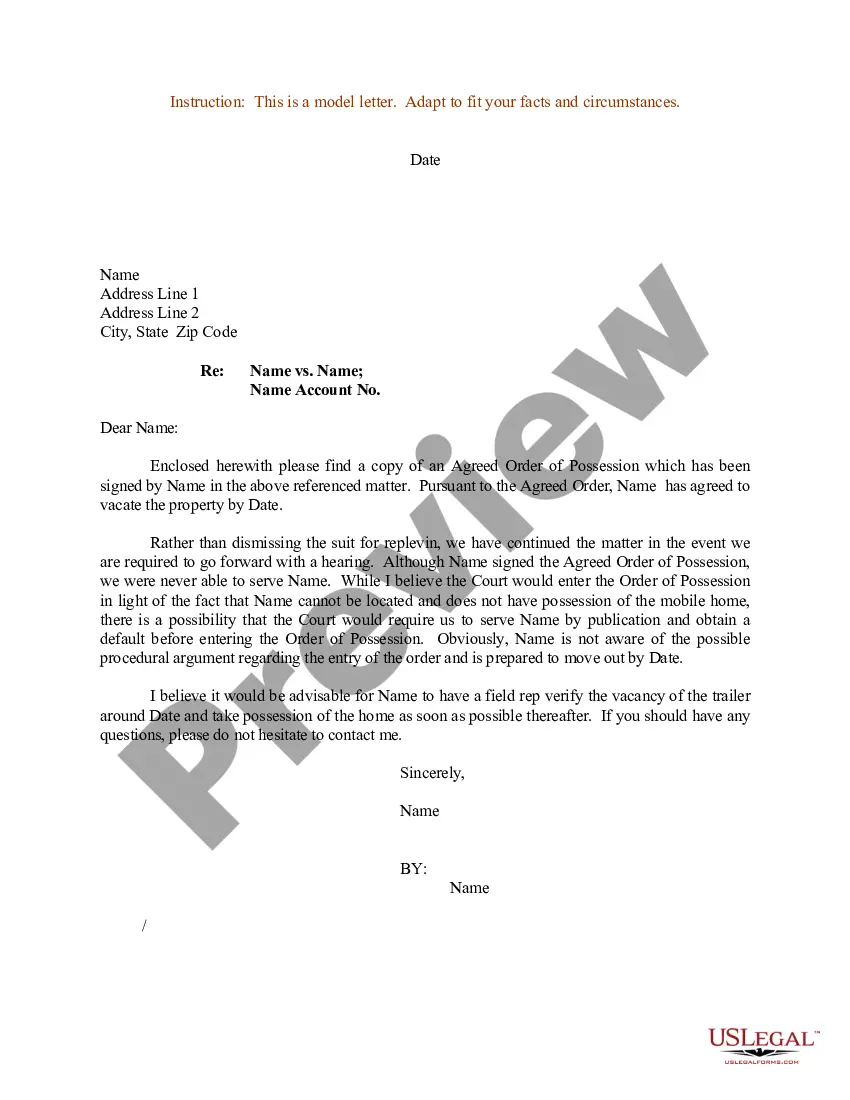
Court Letter Template With Reference In Los Angeles
Description



Get your form ready online
Our built-in tools help you complete, sign, share, and store your documents in one place.
Make edits, fill in missing information, and update formatting in US Legal Forms—just like you would in MS Word.
Download a copy, print it, send it by email, or mail it via USPS—whatever works best for your next step.
Sign and collect signatures with our SignNow integration. Send to multiple recipients, set reminders, and more. Go Premium to unlock E-Sign.
If this form requires notarization, complete it online through a secure video call—no need to meet a notary in person or wait for an appointment.
We protect your documents and personal data by following strict security and privacy standards.

Make edits, fill in missing information, and update formatting in US Legal Forms—just like you would in MS Word.

Download a copy, print it, send it by email, or mail it via USPS—whatever works best for your next step.

Sign and collect signatures with our SignNow integration. Send to multiple recipients, set reminders, and more. Go Premium to unlock E-Sign.

If this form requires notarization, complete it online through a secure video call—no need to meet a notary in person or wait for an appointment.

We protect your documents and personal data by following strict security and privacy standards.
Looking for another form?
Form popularity
FAQ
If you are asked to write a character letter for someone, it can be helpful to keep the following tips in mind when creating your letter: Address Your Letter to the Judge. Establish a Clear Relationship with the Defendant. Be Truthful. Be Positive. Include a Discussion of the Crime. Do Not Suggest Penalties for the Crime.
When writing, avoid simply describing the defendant in terms like “he is loyal.” Instead, tell a story about his loyalty, or how he has been an upstanding member of the community. A story will stand out in the judge's mind more than adjectives will, making your letter more effective.
Follow the order of this format, leaving a space in between each section: Your Information (first thing that goes on the inside of the letter) Name. The Date. The Judge's Information. Honorable Judge First Name Last Name. What the Letter Is Going to Address. Salutation. Body. Signature.
The letter should be addressed to the Judge, but mailed to the defendant's attorney. Who are you? ... Make it personal when describing the defendant's characteristics. Only talk about what you know. Be truthful. Never attack the victims or law enforcement. Never allow the defendant to write the letter for you.
What should be included in a character letter? Every word needs to be true. Include a description of how you know the person in question and how long you've known them. Talk about any positive traits you've seen this person demonstrate, and include (true) anecdotes that demonstrate these qualities.
Content: A character reference typically discusses the person's integrity, ethical standards, interpersonal skills, reliability, work ethic, and overall character. It may include personal experiences, anecdotes, or observations that illustrate the person's positive qualities and suitability for the role or situation.
I have always found applicant to be trustworthy, hard working and intelligent. When we worked on example, applicant showed good communication skills and I could rely on them to take the initiative and to stay calm under pressure.
If the judge's name is "John Smith," then in references to him that would be read by others (e.g., the mailing address on a letter) you would refer to him "The Honorable John Smith" (or some might just use "Hon."). In directly communicating with him in writing, I would start with "Dear Judge Smith."
Introduce yourself in the opening paragraph. Outline your relationship with the person who is the subject of the legal proceedings. Acknowledge the charges that have been brought against the person. State your opinion of the person's general character.
If you are well known in your community, your family name or place of work might make you more reputable in the eyes of the judge. Next, express exactly why you are writing. Include the name of the victim or the defendant, how you know the defendant, and why you're writing on behalf of them.

