Court Letter Sample Formal In Kings
Description


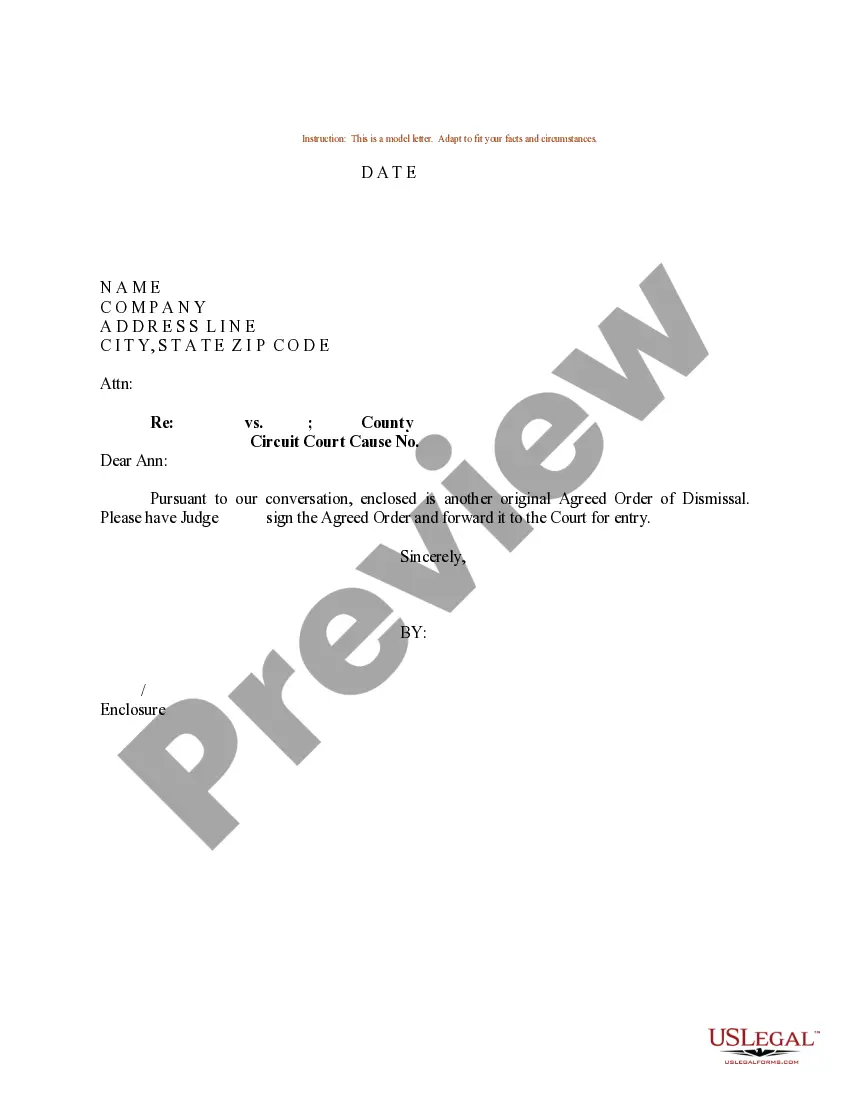
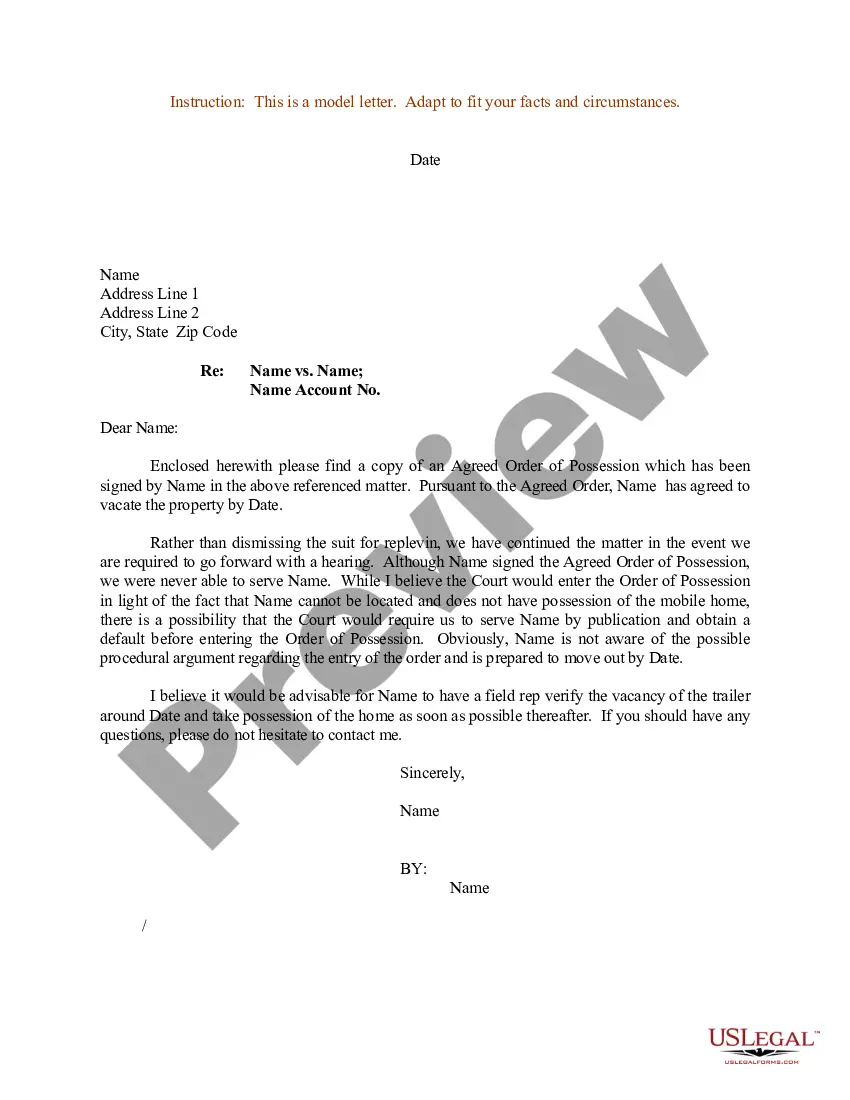
Get your form ready online
Our built-in tools help you complete, sign, share, and store your documents in one place.
Make edits, fill in missing information, and update formatting in US Legal Forms—just like you would in MS Word.
Download a copy, print it, send it by email, or mail it via USPS—whatever works best for your next step.
Sign and collect signatures with our SignNow integration. Send to multiple recipients, set reminders, and more. Go Premium to unlock E-Sign.
If this form requires notarization, complete it online through a secure video call—no need to meet a notary in person or wait for an appointment.
We protect your documents and personal data by following strict security and privacy standards.

Make edits, fill in missing information, and update formatting in US Legal Forms—just like you would in MS Word.

Download a copy, print it, send it by email, or mail it via USPS—whatever works best for your next step.

Sign and collect signatures with our SignNow integration. Send to multiple recipients, set reminders, and more. Go Premium to unlock E-Sign.

If this form requires notarization, complete it online through a secure video call—no need to meet a notary in person or wait for an appointment.

We protect your documents and personal data by following strict security and privacy standards.
Looking for another form?






Form popularity
FAQ
To file a motion for contempt in New York, certain criteria must be met. There must be an existing order of the court that is clear and unambiguous, and the accused must be proven to have known about this order and willfully disobeyed it.
If the judge's name is "John Smith," then in references to him that would be read by others (e.g., the mailing address on a letter) you would refer to him "The Honorable John Smith" (or some might just use "Hon."). In directly communicating with him in writing, I would start with "Dear Judge Smith."
Write the Salutation If the letter is intended for a judge, type "Dear Judge (Last name):" and include a colon after the judge's name. If you are addressing it to a member of the court staff, type "Dear Ms. Smith:" and include a colon after the person's name.
You don't need an attorney to file a Motion for Contempt, but it is a good idea to have one. If you decide to represent yourself, you can go to the courthouse that made the order and ask for help at the Court Service Center.
Your letter should start with “Dear Judge (last name of the judge assigned to the case)” but you should mail, email or fax your letter to the defendant's attorney. You should not send your letter directly to the judge. It must be provided to the judge by the attorney.
The Elements of Criminal Contempt in the First Degree Refusing to be sworn as a witness or answering questions before a grand jury; Violating an order of protection by displaying a weapon to place another person in fear of physical injury; Violating an order of protection by stalking or harassing another person;
Except as provided in subdivisions (2), (3) and (4), punishment for a contempt, specified in section seven hundred fifty, may be by fine, not exceeding one thousand dollars, or by imprisonment, not exceeding thirty days, in the jail of the county where the court is sitting, or both, in the discretion of the court.
To file a motion for contempt in New York, certain criteria must be met. There must be an existing order of the court that is clear and unambiguous, and the accused must be proven to have known about this order and willfully disobeyed it.
Writing Your Letter Use a proper greeting. Introduce yourself. State the favor you're asking. Keep it simple. Tell your recipient why the favor is important. Offer to provide assistance to the recipient. Close the letter politely. Proofread your letter before sending it.
Introduce yourself in the opening paragraph. Outline your relationship with the person who is the subject of the legal proceedings. Acknowledge the charges that have been brought against the person. State your opinion of the person's general character.

