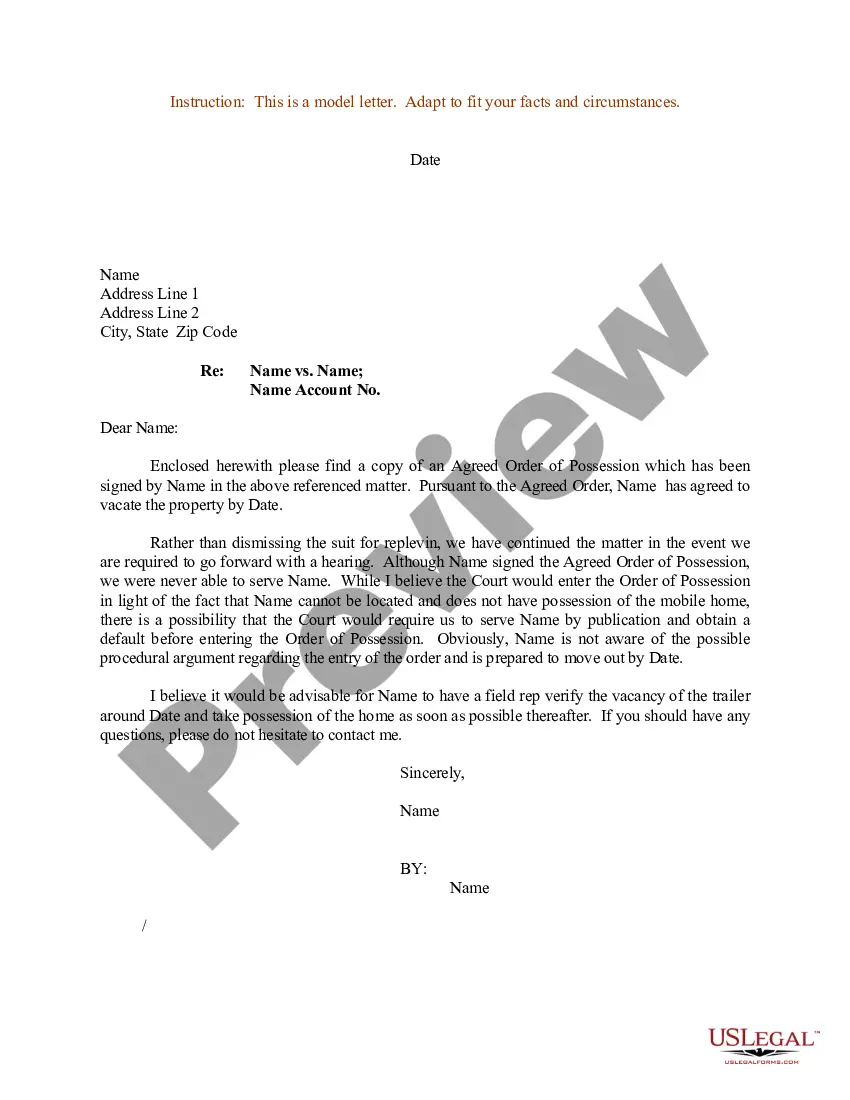
Sample Court Case Withdrawal Letter In Houston
Description



Get your form ready online
Our built-in tools help you complete, sign, share, and store your documents in one place.
Make edits, fill in missing information, and update formatting in US Legal Forms—just like you would in MS Word.
Download a copy, print it, send it by email, or mail it via USPS—whatever works best for your next step.
Sign and collect signatures with our SignNow integration. Send to multiple recipients, set reminders, and more. Go Premium to unlock E-Sign.
If this form requires notarization, complete it online through a secure video call—no need to meet a notary in person or wait for an appointment.
We protect your documents and personal data by following strict security and privacy standards.

Make edits, fill in missing information, and update formatting in US Legal Forms—just like you would in MS Word.

Download a copy, print it, send it by email, or mail it via USPS—whatever works best for your next step.

Sign and collect signatures with our SignNow integration. Send to multiple recipients, set reminders, and more. Go Premium to unlock E-Sign.

If this form requires notarization, complete it online through a secure video call—no need to meet a notary in person or wait for an appointment.

We protect your documents and personal data by following strict security and privacy standards.
Looking for another form?






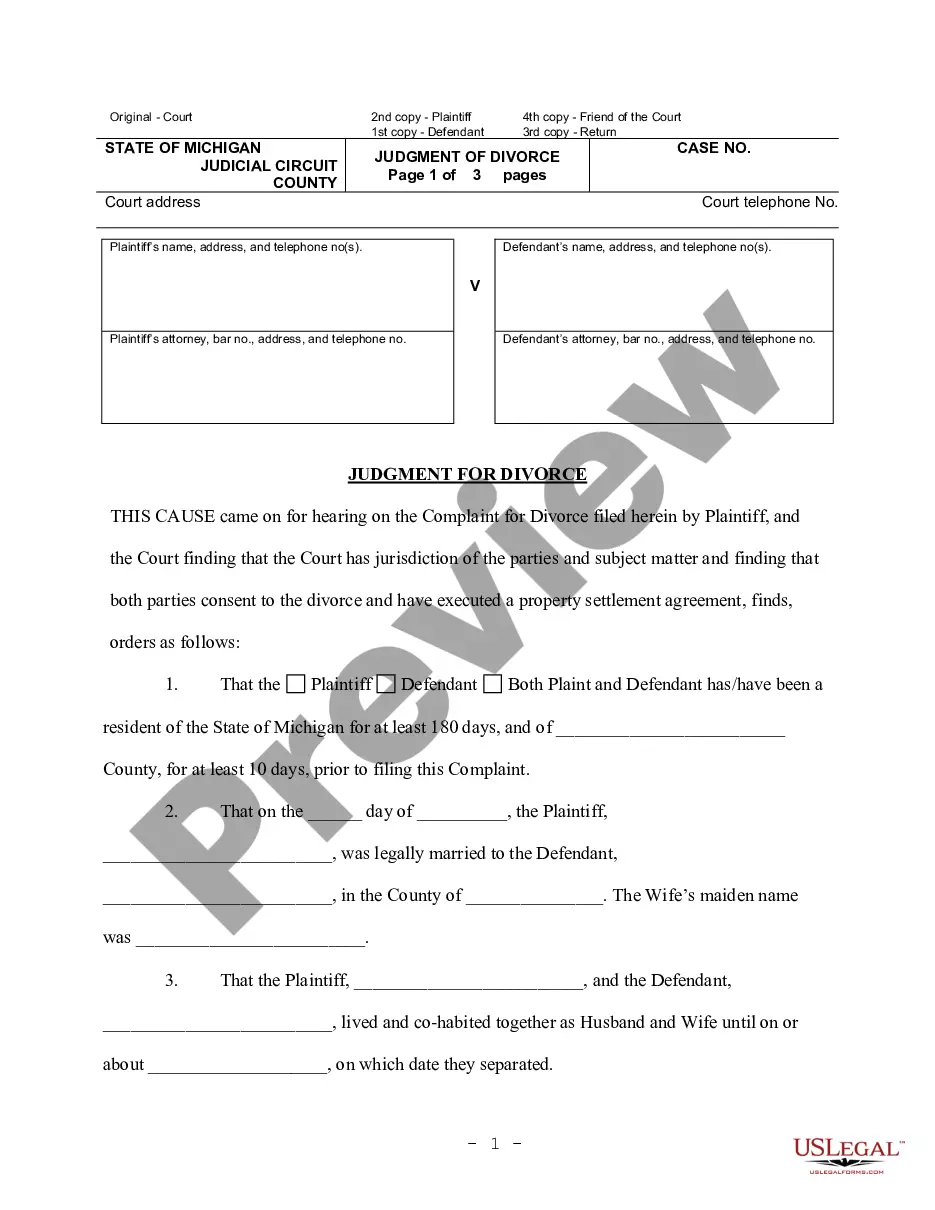

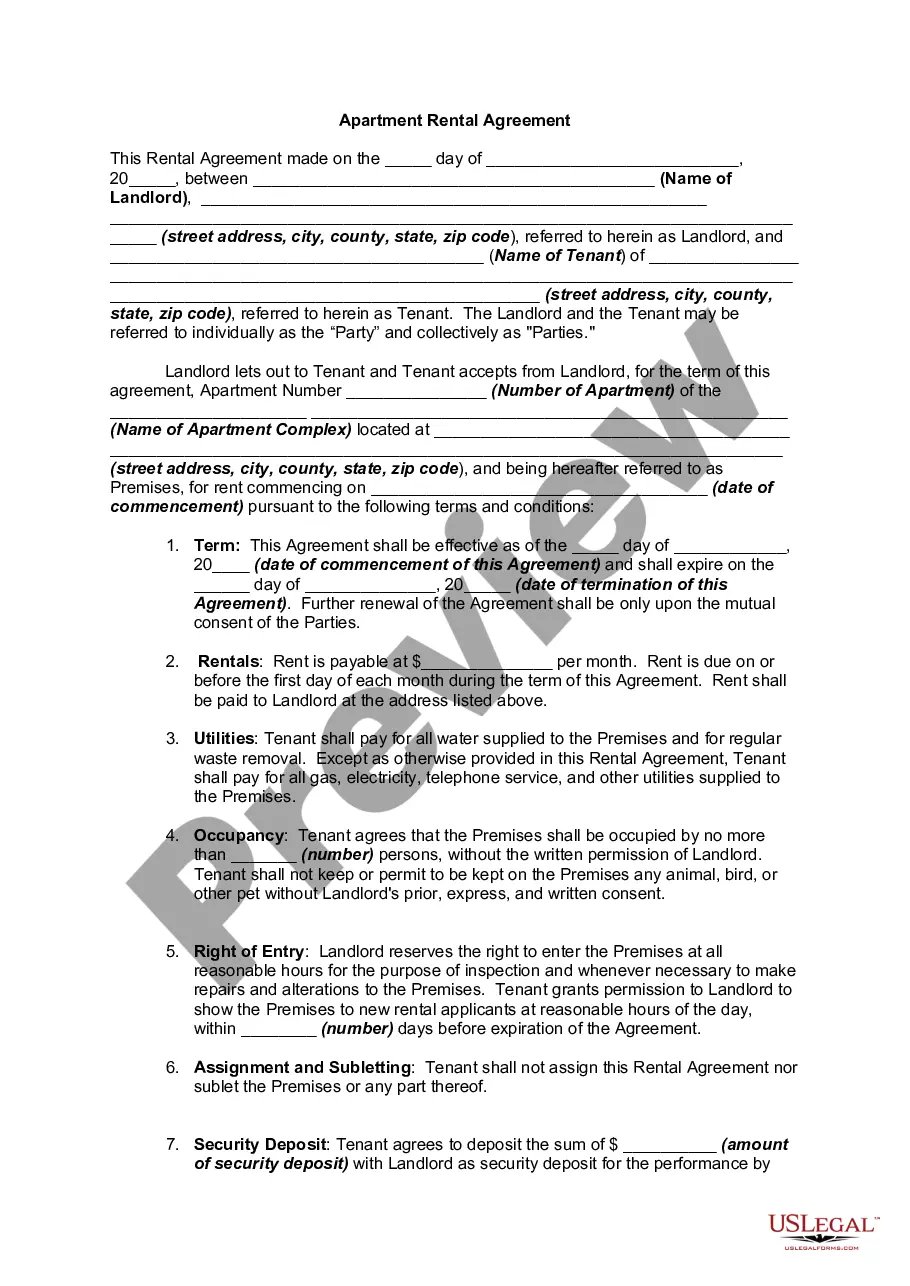

Form popularity
FAQ
Lawyers withdraw from cases all the time, and it usually does not impact the judge's perception of the client unless the client has had multiple changes in legal counsel with attorneys that have a good reputation with the court.
A case is withdrawn when the DA says that they are not moving forward on the charges, a case is dismissed by a court when either (1) there is insufficient or inadequate evidence, (2) the DA asks for it to be dismissed, or (3) there was some agreement for the case to be dismissed.
For example, if someone is charged with a crime but the prosecutor later decides that there is not enough evidence to prove guilt, they may choose to withdraw the charges. This means that the case will not go to trial and the accused person will not be convicted.
"Withdrawn" is the status identifier that should be used for claims that were not elected (chosen by the applicant to remain under consideration) in response to a restriction requirement.
Withdrawal of counsel refers to an attorney's decision to stop representing a client in a legal case. This can happen for various reasons, such as a conflict between the attorney and client over strategy or fees. In most cases, the attorney needs permission from the court to withdraw from the case.
To withdraw from a case, they will file a motion for withdrawal with the court. Termination only becomes official once the judge approves the form. If you hire a new lawyer, they will need to get the court's approval to represent you. They will do this by filing a motion to substitute counsel.
LBR 2091-1(a) provides a procedure for an attorney to withdraw as counsel, and that withdrawal results in the client no longer being represented by an attorney. The former client is now considered to be a "Self-Represented Party".
Withdrawal is also permitted if the lawyer's services were misused in the past. The lawyer also may withdraw where the client insists on pursuing a repugnant or imprudent objective or one with which the lawyer has fundamental disagreement.
When writing a withdrawal letter, aim to inform the employer immediately, be clear and honest about your reasons, thank the hiring manager for their time, include your contact details, and express interest in possible future opportunities if applicable.
Dear Recipient`s Name, I am writing this letter to inform you of my intent to withdraw from the agreement signed on date regarding brief description of the agreement. While I understand that this decision may cause some inconvenience to you, I hope you can appreciate that it is necessary for me to take this step.

