Court Letter Templates For Students In Georgia
Description


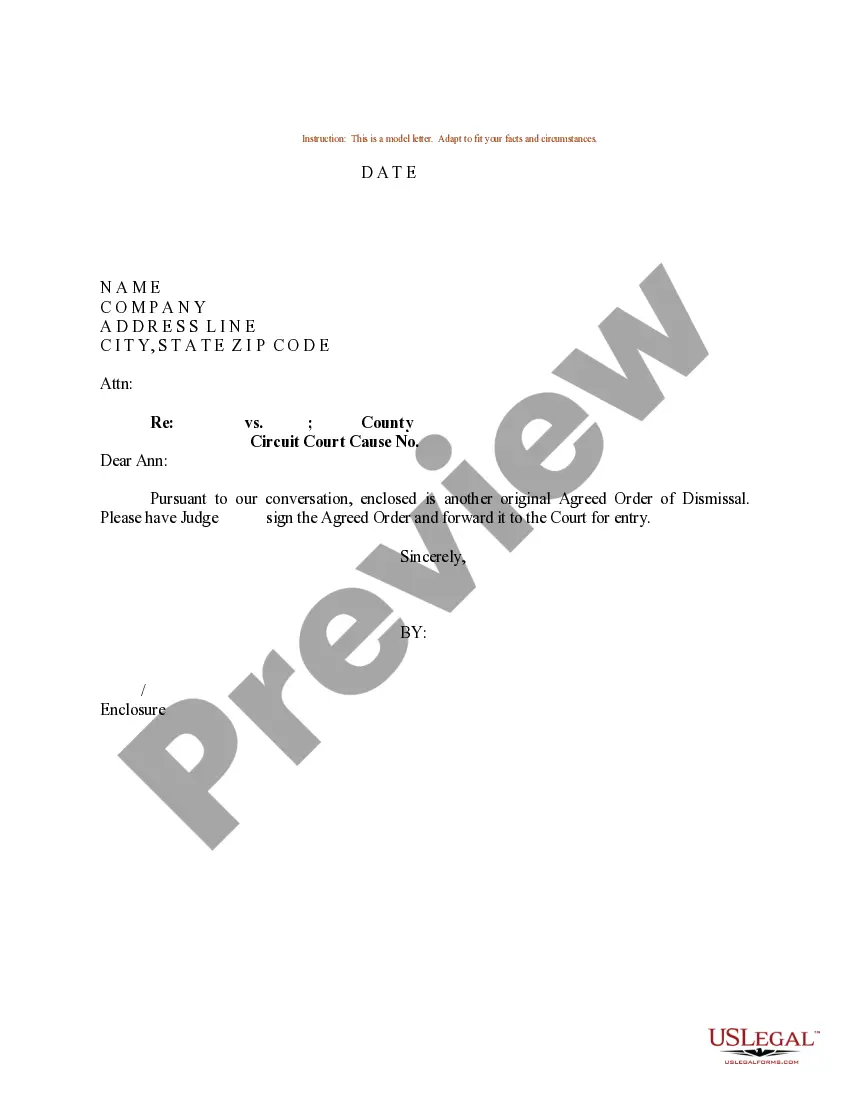
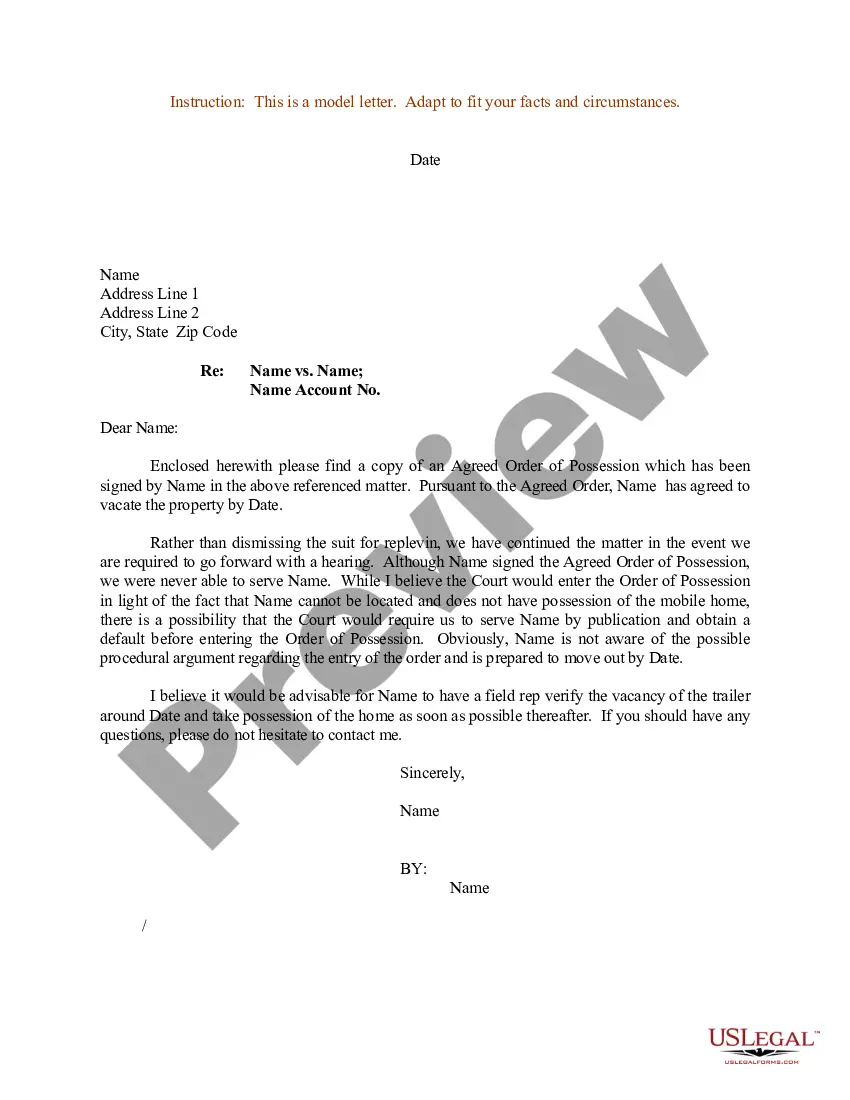
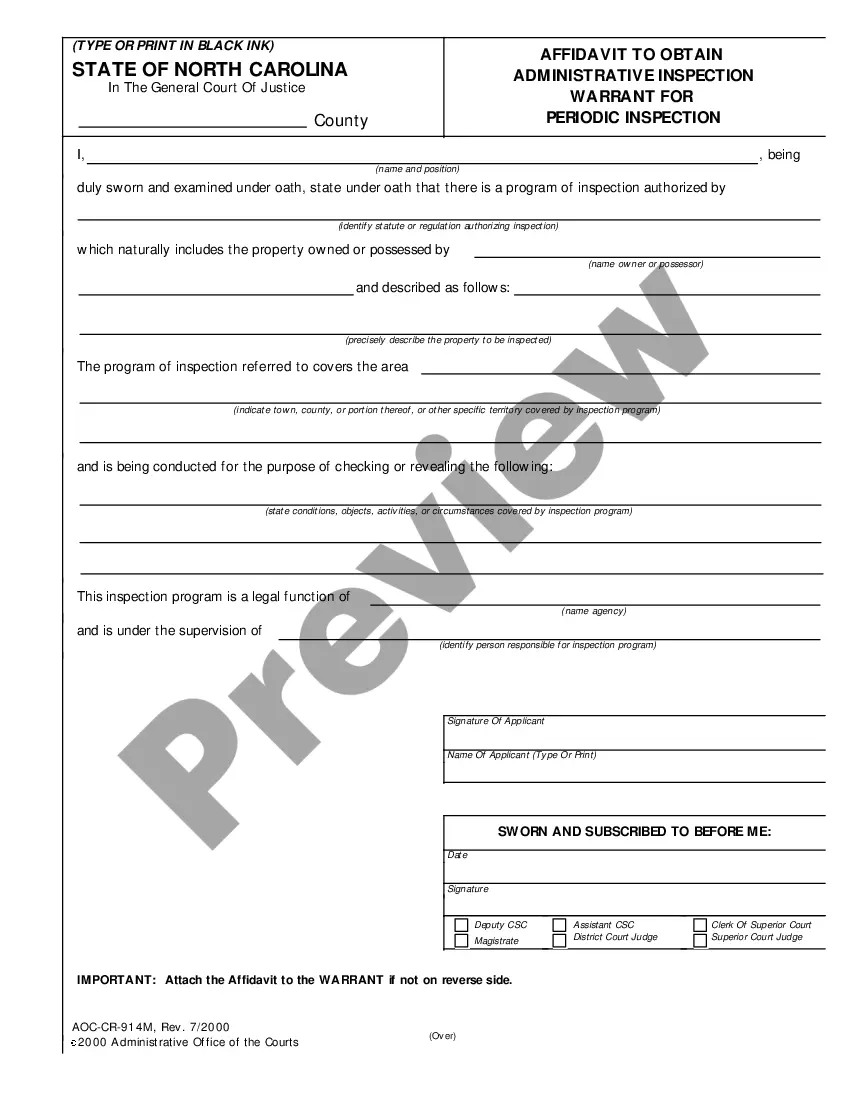
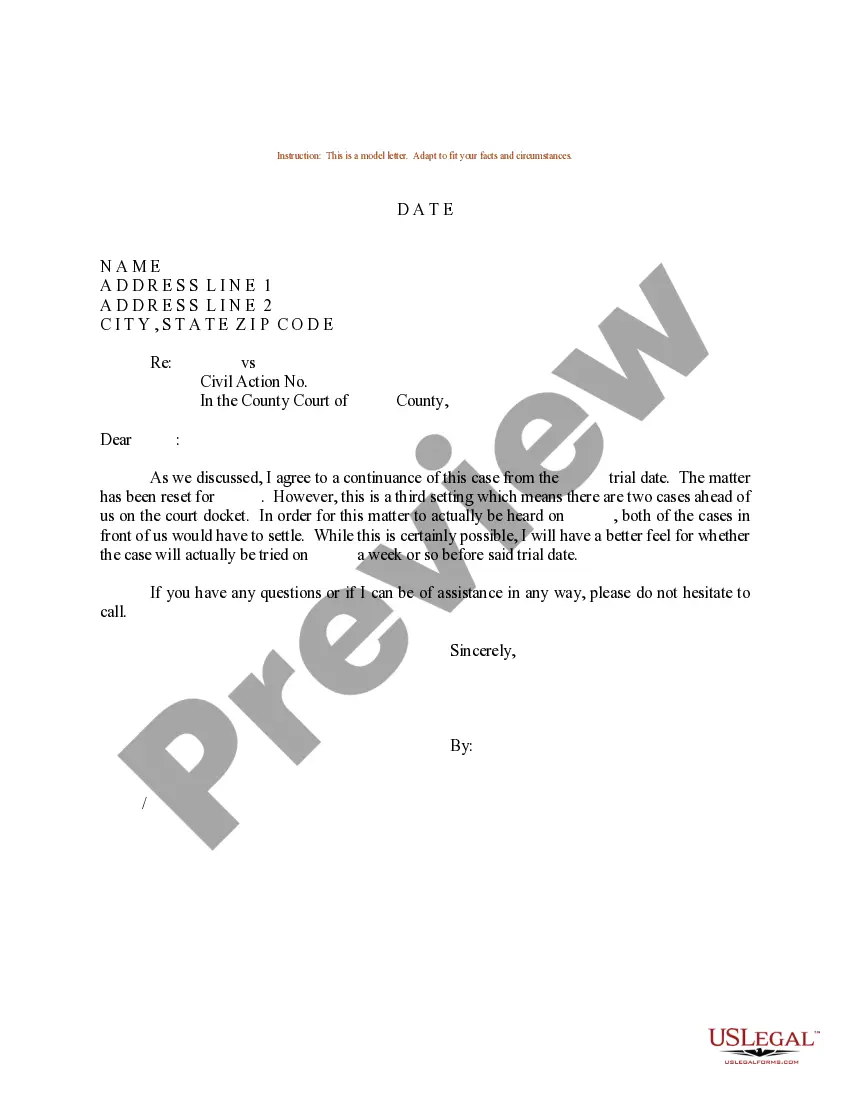
Get your form ready online
Our built-in tools help you complete, sign, share, and store your documents in one place.
Make edits, fill in missing information, and update formatting in US Legal Forms—just like you would in MS Word.
Download a copy, print it, send it by email, or mail it via USPS—whatever works best for your next step.
Sign and collect signatures with our SignNow integration. Send to multiple recipients, set reminders, and more. Go Premium to unlock E-Sign.
If this form requires notarization, complete it online through a secure video call—no need to meet a notary in person or wait for an appointment.
We protect your documents and personal data by following strict security and privacy standards.

Make edits, fill in missing information, and update formatting in US Legal Forms—just like you would in MS Word.

Download a copy, print it, send it by email, or mail it via USPS—whatever works best for your next step.

Sign and collect signatures with our SignNow integration. Send to multiple recipients, set reminders, and more. Go Premium to unlock E-Sign.

If this form requires notarization, complete it online through a secure video call—no need to meet a notary in person or wait for an appointment.

We protect your documents and personal data by following strict security and privacy standards.
Looking for another form?





Form popularity
FAQ
Service upon the attorney or upon a party shall be made by delivering a copy to the person to be served or by mailing it to the person to be served at the person's last known address or, if no address is known, by leaving it with the clerk of the court.
The Official Code of Georgia §19-11-4 governs service of process. It states that when the respondent is located in Georgia, the process server must deliver the papers within five days of receiving them.
When service is to be made within this state, the person making such service shall make the service within five days from the time of receiving the summons and complaint; but failure to make service within the five-day period will not invalidate a later service.
Standard Timelines and Attempts Initial Attempt: Typically, after receiving the documents, a process server will make the first attempt to serve within 24-48 hours. This rapid response time ensures prompt notification, aligning with the urgency of legal proceedings.
Interested parties can obtain copies of a transcript by submitting a request to the court reporter. Requests must contain specific information to assist with the search, such as the date of the case, the judge presiding at the case, and the case number.
In a Nutshell Though it may feel intimidating to get a court summons for a debt collection lawsuit, you can respond without hiring an attorney. To do so, you simply need to draft or fill out a few legal documents, including an answer form, a verification form, and a certificate of service.
How do I file a complaint or petition in civil court? You file the complaint or petition with the clerk of court. You generally want to file in the court in the county where the person you are suing lives. Along with the complaint, the court must be told where to serve (give it a copy of it to) the defendant.
You start by addressing the letter to the Honorable Judge so and so, and begin with Your honor. You end with respectfully yours, and then sign your name (write your name in block letters underneath your signature.
Open with a respectful greeting Regardless of the content of your letter, try to begin with a friendly and respectful greeting. Use the recipient's full name and open with a salutation such as “dear Miss. Adkins”, followed by “I hope this letter finds you well.”
Tips for an Effective Character Letter To a Judge in California Understand the Purpose of a Character Letter. Use Specific Anecdotes Over General Praise. Address the Impact on the Defendant's Support Network. Maintain Respect For the Court. Respect the Judge's Time. Align Your Expectations with Reality.

