Sample Letter To Court For Traffic Ticket In Fulton
Description


Get your form ready online
Our built-in tools help you complete, sign, share, and store your documents in one place.
Make edits, fill in missing information, and update formatting in US Legal Forms—just like you would in MS Word.
Download a copy, print it, send it by email, or mail it via USPS—whatever works best for your next step.
Sign and collect signatures with our SignNow integration. Send to multiple recipients, set reminders, and more. Go Premium to unlock E-Sign.
If this form requires notarization, complete it online through a secure video call—no need to meet a notary in person or wait for an appointment.
We protect your documents and personal data by following strict security and privacy standards.

Make edits, fill in missing information, and update formatting in US Legal Forms—just like you would in MS Word.

Download a copy, print it, send it by email, or mail it via USPS—whatever works best for your next step.

Sign and collect signatures with our SignNow integration. Send to multiple recipients, set reminders, and more. Go Premium to unlock E-Sign.

If this form requires notarization, complete it online through a secure video call—no need to meet a notary in person or wait for an appointment.

We protect your documents and personal data by following strict security and privacy standards.
Looking for another form?







Form popularity
FAQ
Answer: To ask a judge to reduce a ticket, you should attend your court hearing punctually and present a polite and concise request, explaining any mitigating circumstances or evidence. It's also beneficial to demonstrate a clean driving record and express willingness to attend a traffic school if necessary.
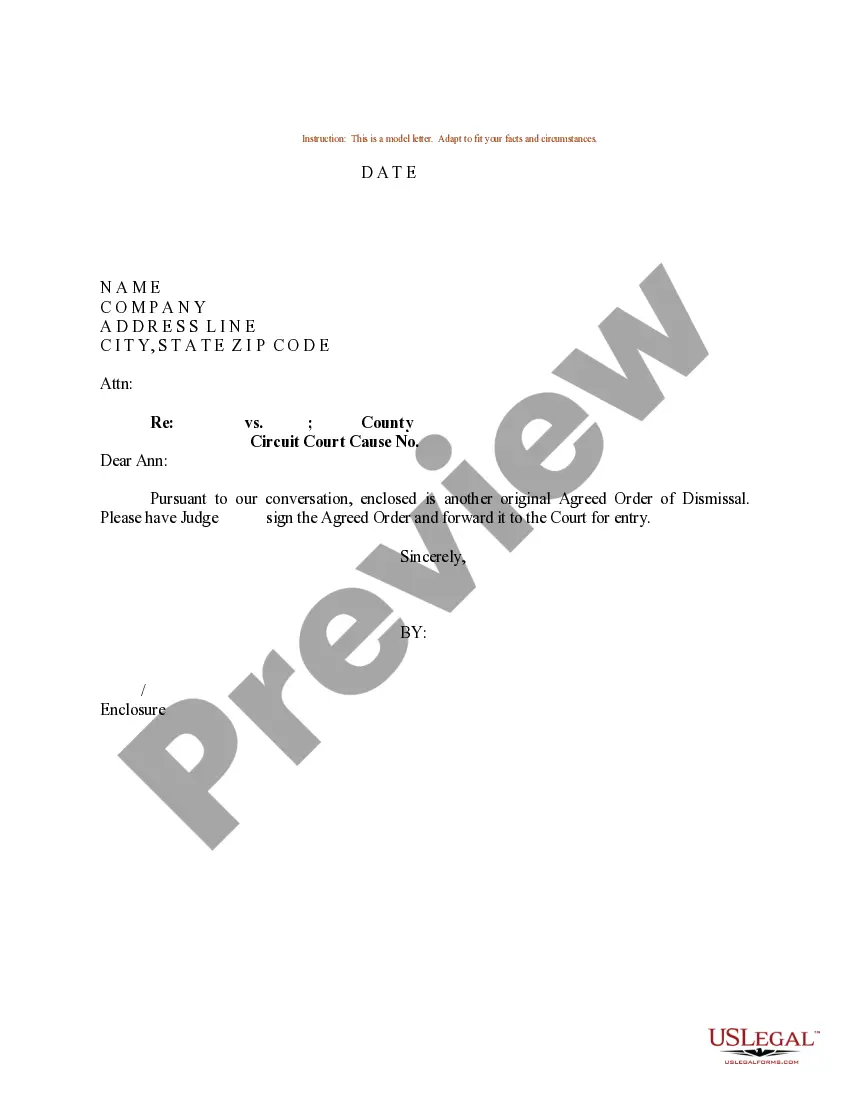
Writing Your Letter State the facts. Begin the body of your letter by briefly and clearly recounting the facts of the incident. Explain why you should not have received the ticket. The second portion of your letter should explain why you did not deserve the ticket you received. Make a request. Attach evidence.
Answer: To ask a judge to reduce a ticket, you should attend your court hearing punctually and present a polite and concise request, explaining any mitigating circumstances or evidence. It's also beneficial to demonstrate a clean driving record and express willingness to attend a traffic school if necessary.
Use a standard business letter format, including your name and contact information, the date, the court's address, and a formal opening salutation such as "Dear Judge." Be sure to proofread your letter for any errors in grammar or spelling, and keep the tone respectful and professional.
Best answer: Don't lie to the judge. Admit your mistake and tell the judge you were preoccupied with getting to your destination on time. You apologize for the oversight. He will be so pleased with your response he may dismiss the ticket!
If you opt to fight the ticket, you'll need to appear in court (the court where you'll appear will be specified on the ticket.) Here, you'll argue your innocence before a court administrator, magistrate, or judge. You can represent yourself or have an attorney do it on your behalf.
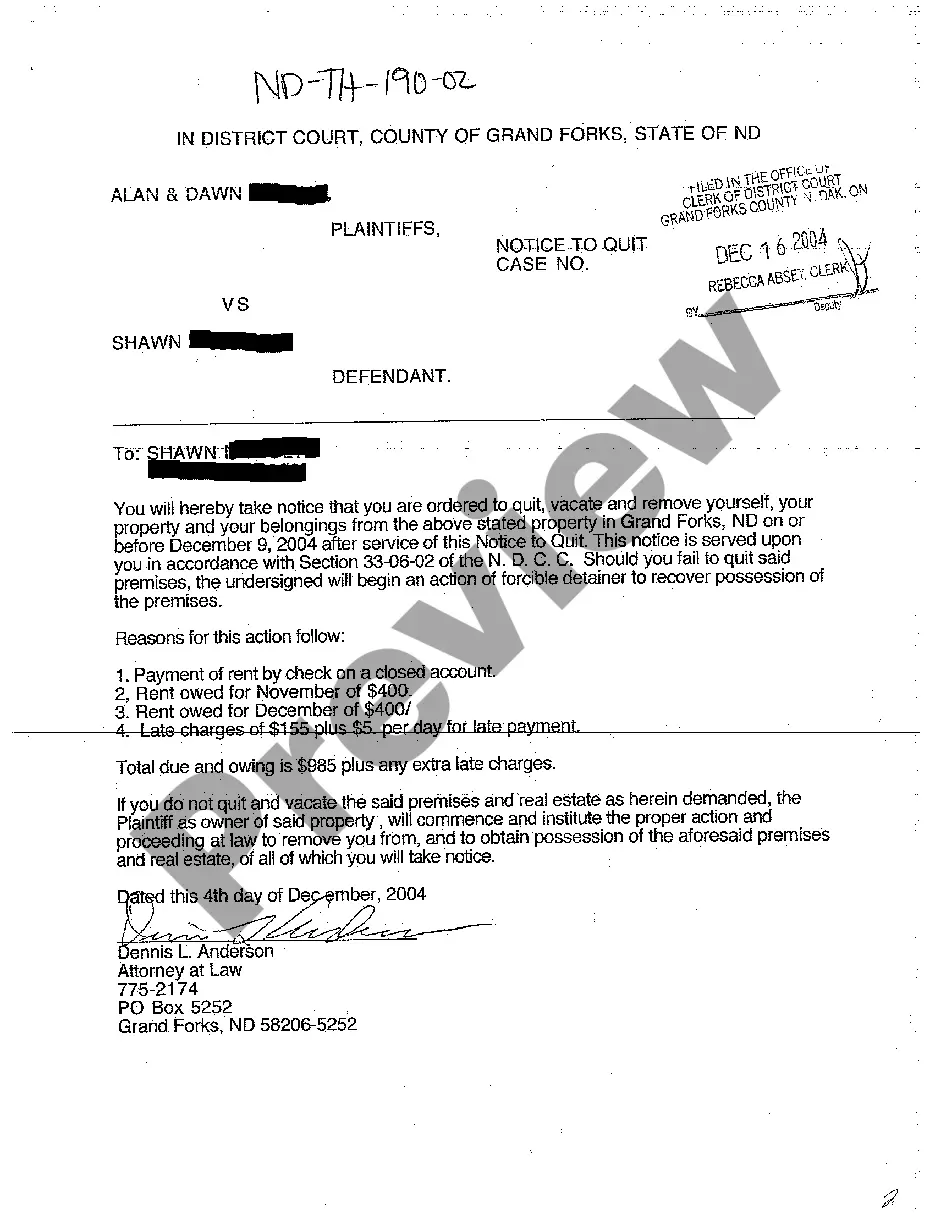
What to include in your letter Your up-to-date contact information. A summary of the situation or decision you are disputing. Why you believe they made an incorrect decision. A request for a preferred alternative. A message of gratitude for considering your appeal. Any relevant supporting documents.
Writing an appeal letter to the court about your traffic ticket is the first thing you need to do in order to get a violation dismissed. In your letter, you should explain who you are, when and where you got your ticket and the reasons why you believe the fine should be decreased or dismissed.

