Court Letter Sample For Request In Bexar
Description



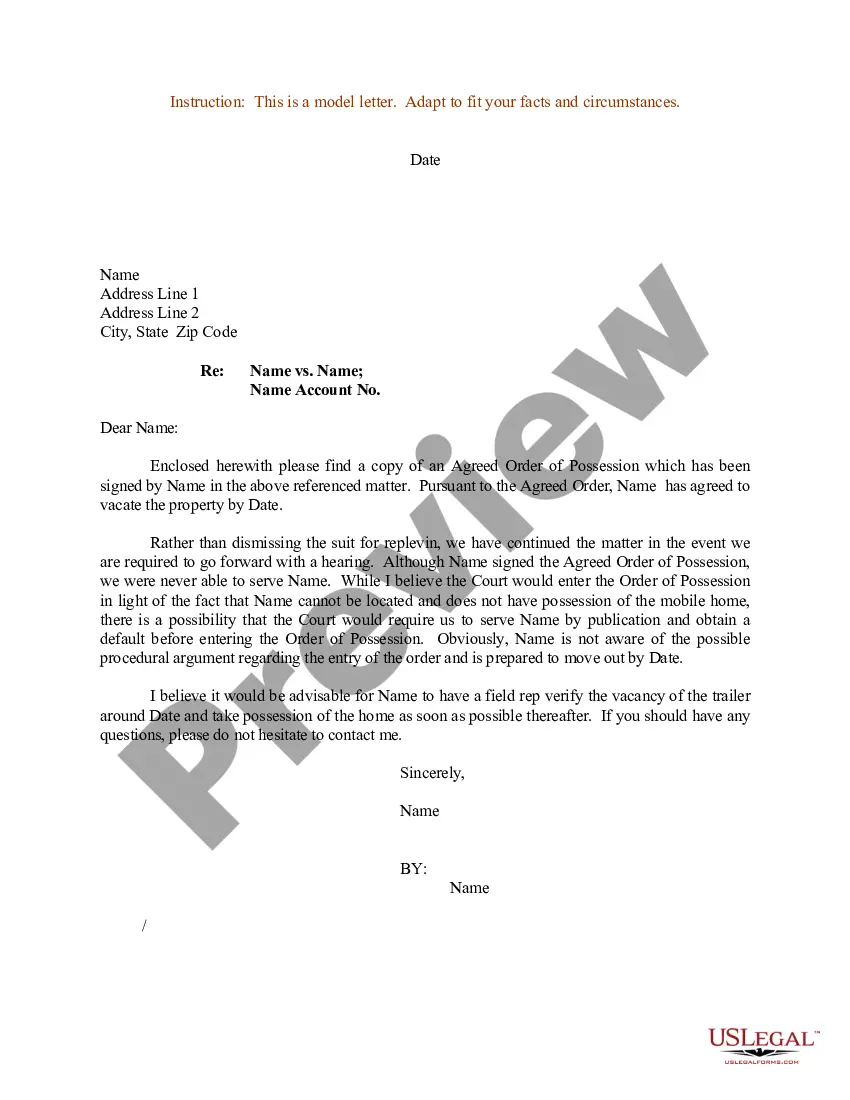
Get your form ready online
Our built-in tools help you complete, sign, share, and store your documents in one place.
Make edits, fill in missing information, and update formatting in US Legal Forms—just like you would in MS Word.
Download a copy, print it, send it by email, or mail it via USPS—whatever works best for your next step.
Sign and collect signatures with our SignNow integration. Send to multiple recipients, set reminders, and more. Go Premium to unlock E-Sign.
If this form requires notarization, complete it online through a secure video call—no need to meet a notary in person or wait for an appointment.
We protect your documents and personal data by following strict security and privacy standards.

Make edits, fill in missing information, and update formatting in US Legal Forms—just like you would in MS Word.

Download a copy, print it, send it by email, or mail it via USPS—whatever works best for your next step.

Sign and collect signatures with our SignNow integration. Send to multiple recipients, set reminders, and more. Go Premium to unlock E-Sign.

If this form requires notarization, complete it online through a secure video call—no need to meet a notary in person or wait for an appointment.

We protect your documents and personal data by following strict security and privacy standards.
Looking for another form?









Form popularity
FAQ
The Writ of Possession allows for the possession of the property, after a deputy has posted written notice notifying the tenant a writ has been issued. By law, we are required to give a minimum of 24 hours notice before enforcing the writ.
Any request for certified copies can be submitted by U.S. Mail and addressed to the Los Angeles Superior Court, 111 N. Hill Street, Certification Unit Room 112C, Los Angeles, CA 90012. All such copies, either ordered in person or via U.S. Mail, must be prepaid. Our Certification Unit does not accept credit cards.
To obtain a copy of a divorce decree contact the District Clerk's Office at (210) 335-2113. The office is located at 101 W. Nueva, Suite 217, San Antonio, Texas 78205 and is operated Monday through Friday from am to pm.
If you need non-certified or certified copies, letters of testamentary or guardianship, or to check the status of an order please contact the Probate Department main line at (210) 335-2241. To search for court records please visit the Bexar County Odyssey Portal.
Procedures: Please e-file all appropriate documents for your case with the Bexar County Probate Clerk's office, including Proposed Orders, Judgments, Affidavits of Heirship, and Proof of Death for review.
A certified copy is a copy of an official legal document, such as a judgment or a pleading, in its entirety. The county clerk will certify it and swear it to be true in writing that it is an original copy. The copy cannot be taken apart; otherwise, its certification is invalidated.
If you need copies of your court records in Cook County Circuit Court, you need to go in person to the courthouse. While Cook County provides online case information access to some types of records, it does not provide online access to formal criminal records.
Once you complete the small estate affidavit and the affidavit of heirship, you must file them with the clerk of the court at the probate court in the county where the deceased was a resident.
1. This form should be completed by someone other than an Heir. This person should be someone who is familiar with the family history of the deceased (decedent), and who will obtain no benefit from the Estate. The person who fills out the form is referred to as the “AFFIANT”.

