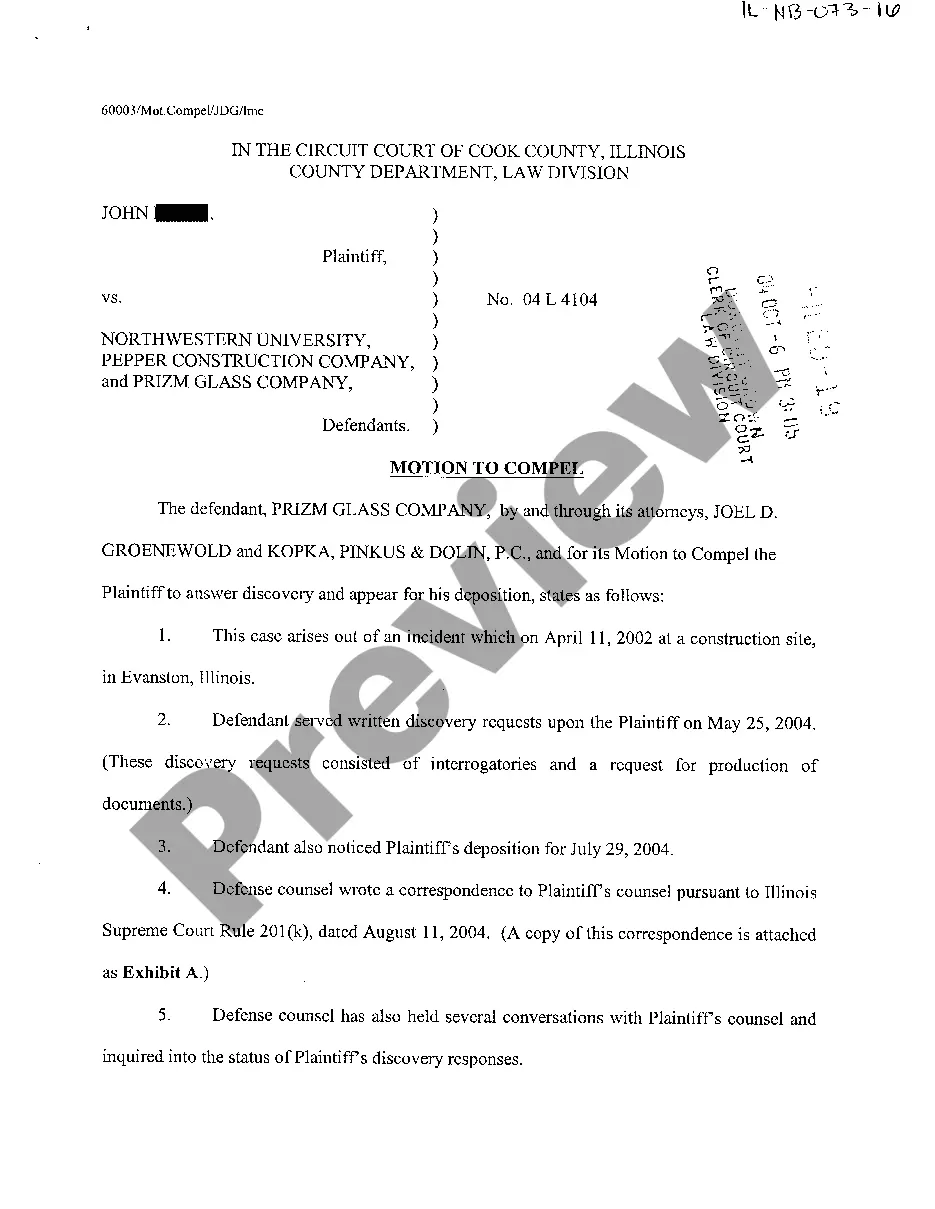
Court Letter Sample With Conforme In Allegheny
Description




Get your form ready online
Our built-in tools help you complete, sign, share, and store your documents in one place.
Make edits, fill in missing information, and update formatting in US Legal Forms—just like you would in MS Word.
Download a copy, print it, send it by email, or mail it via USPS—whatever works best for your next step.
Sign and collect signatures with our SignNow integration. Send to multiple recipients, set reminders, and more. Go Premium to unlock E-Sign.
If this form requires notarization, complete it online through a secure video call—no need to meet a notary in person or wait for an appointment.
We protect your documents and personal data by following strict security and privacy standards.

Make edits, fill in missing information, and update formatting in US Legal Forms—just like you would in MS Word.

Download a copy, print it, send it by email, or mail it via USPS—whatever works best for your next step.

Sign and collect signatures with our SignNow integration. Send to multiple recipients, set reminders, and more. Go Premium to unlock E-Sign.

If this form requires notarization, complete it online through a secure video call—no need to meet a notary in person or wait for an appointment.

We protect your documents and personal data by following strict security and privacy standards.
Looking for another form?








Form popularity
FAQ
You start a lawsuit by filing a complaint. In some circumstances, you file a petition or a motion. The court has several complaint forms that you may use in drafting your complaint. The forms are available online and at the Pro Se Intake Unit.
Civil lawsuits occur when individuals have a disagreement involving what legal responsibilities they may or may not have with each other. Criminal lawsuits, however, involve felonies and misdemeanors — specific crimes with punishment attached.
Rule 1301.1 - Discovery in Compulsory Arbitration Proceedings (Except Small Claims) (1) For any personal injury claim filed in Compulsory Arbitration, the plaintiff may serve arbitration discovery requests (see FORM 1301.1A) (see subsection (8)(a) below) either together with the copy of the Complaint served on the ...
Certified copies of a divorce decree can be obtained at the Allegheny County Department of Court records. Consult instructions, fees, and hours. Divorce pleadings are filed at Allegheny County Department of Court Records, (not the Allegheny County Family Division).
You can get the form from the Prothonotary (the clerk of the civil part of the Common Pleas Court). Appendix A shows a Notice of Appeal. Once you have filled out the Notice of Appeal, you must file it with the Prothonotary in the Common Pleas Court where the office of the District Justice is located.
Call the Allegheny County Department of Court Records at (412) 350-4201 and tell them you're looking for information on a legal name change. They will describe the entire process to you, including estimated costs, and mail you the necessary forms. As of September 2017, these are the name change petition forms.
What Should Be in Your Demand Letter Response? An acknowledgement of your receipt of their letter. Your analysis of the relevant facts. Be sure to be succinct, not verbose. Your basic reasoning as to why you are in the right (if you think you are.) ... Your counteroffer and a reasonable 'respond by' date.
Determine What is “Relevant” to Your Case First, determine what is most important to you. Second, organize your declaration. Third, proofread & condense. Know what your audience is focused on. Tell the truth. Anticipate opposing party's response. Advocate for yourself. Use proof to validate your case.
Introduce yourself in the opening paragraph. Outline your relationship with the person who is the subject of the legal proceedings. Acknowledge the charges that have been brought against the person. State your opinion of the person's general character.

