Sample Letter To Court For Adjournment In Alameda
Description



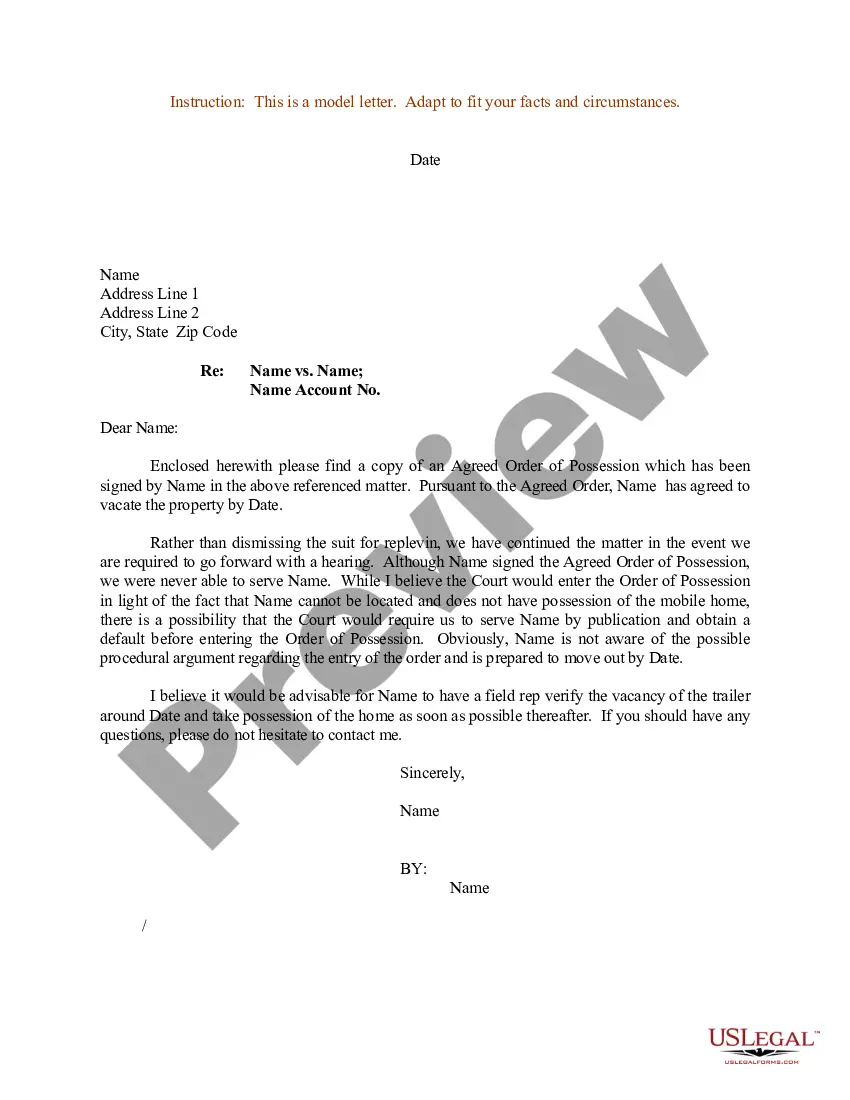
Get your form ready online
Our built-in tools help you complete, sign, share, and store your documents in one place.
Make edits, fill in missing information, and update formatting in US Legal Forms—just like you would in MS Word.
Download a copy, print it, send it by email, or mail it via USPS—whatever works best for your next step.
Sign and collect signatures with our SignNow integration. Send to multiple recipients, set reminders, and more. Go Premium to unlock E-Sign.
If this form requires notarization, complete it online through a secure video call—no need to meet a notary in person or wait for an appointment.
We protect your documents and personal data by following strict security and privacy standards.

Make edits, fill in missing information, and update formatting in US Legal Forms—just like you would in MS Word.

Download a copy, print it, send it by email, or mail it via USPS—whatever works best for your next step.

Sign and collect signatures with our SignNow integration. Send to multiple recipients, set reminders, and more. Go Premium to unlock E-Sign.

If this form requires notarization, complete it online through a secure video call—no need to meet a notary in person or wait for an appointment.

We protect your documents and personal data by following strict security and privacy standards.
Looking for another form?

Form popularity
FAQ
You should file an appropriate motion requesting a continuance with your reason to reschedule with the Clerk of Courts and with the State Attorney's office. You then should schedule a hearing prior to your court date with the Judge's Judicial assistant.
Begin with a formal salutation, such as "Dear Judge Last Name," and introduce yourself and your case. Clearly state your reasons for requesting a continuance and provide supporting evidence. Conclude your letter by expressing your gratitude and willingness to cooperate with the court's decision.
An adjournment means that your hearing will be rescheduled. If you cannot go to the court date, file an affidavit of unavailability before. Write the reason you cannot be in court and attach proof. At the hearing, the judge will see the affidavit and may adjourn the case.
Crafting an Effective Leniency Letter to a Judge: Five Essential... Start with a Clear Introduction. Introduce Yourself and Establish Credibility. Provide Reasons for Leniency. Tell a Story or Give Specific Examples. Provide Your Contact Information. Not the Same as a Motion to Modify a Sentence.
Writing Your Letter Search for a form letter. Some courts print off forms that you can use to request a hearing. Open a word processing document. Insert a salutation. Add a heading. Begin the letter with your request. Explain why you need the hearing. Provide a contact number. Sign the letter.
In legal terms, a change in a hearing date to a date in the future is called a “continuance” of the hearing.
Your letter can be typed or neatly handwritten. You should date and sign your letter. You don't need to write formal words to the Court, just make sure everything in your letter is genuine. It is usually a good idea to keep your letter to a page in length, and no more than two pages.
You can, but it won't be read and you will be perceived as a troublemaker. The judge would be well with procedure to provide the unopened letter to your lawyer, and possibly opposing counsel as well (although the latter is unlikely).
Writing a character letter can be a critical part of the court process. Whether you're supporting a loved one or someone in your community, your words can make a significant impact.
LT - ___ - __ / Dear Judge: I am eligible and entitled to a Right to Counsel attorney to provide full representation from the start of my case to the end of my case. As such, I respectfully ask that you adjourn my case for no less than 60 days so that I may retain counsel.

