Meeting Annual Consider For Yourself
Description



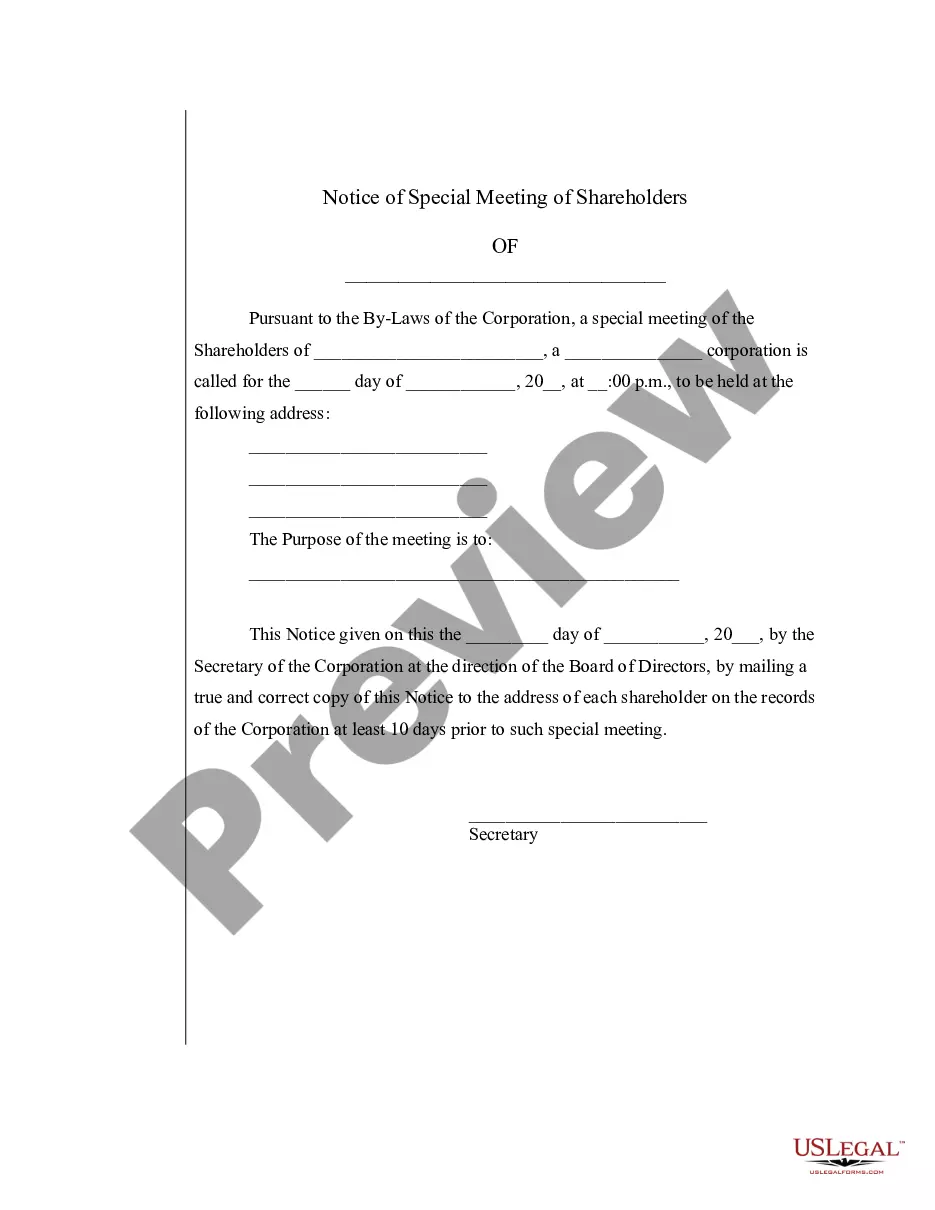
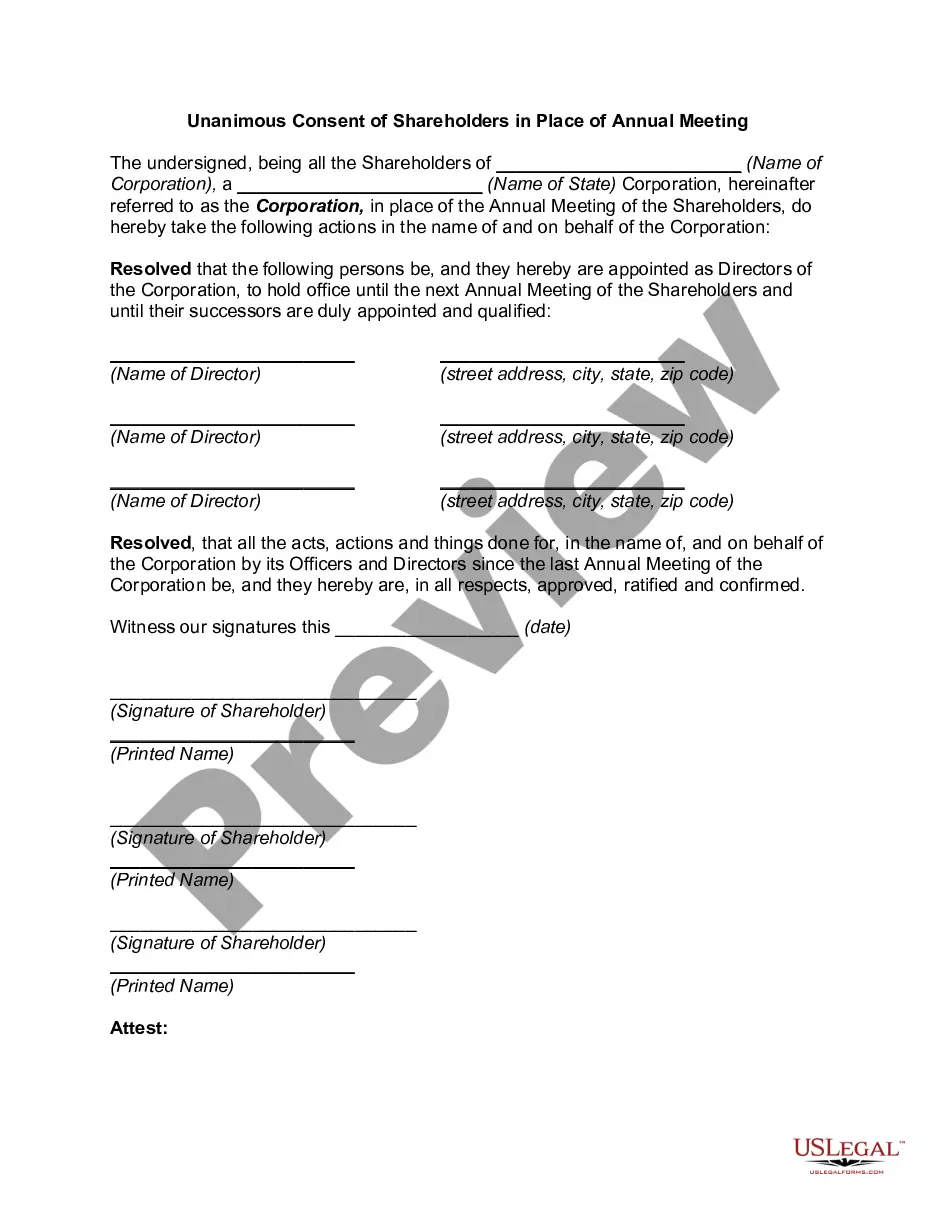

How to fill out Notice Of Annual Meeting Of Shareholders - Corporate Resolutions?
Obtaining legal templates that comply with federal and local regulations is crucial, and the internet offers many options to choose from. But what’s the point in wasting time looking for the right Meeting Annual Consider For Yourself sample on the web if the US Legal Forms online library already has such templates gathered in one place?
US Legal Forms is the most extensive online legal catalog with over 85,000 fillable templates drafted by attorneys for any business and personal situation. They are easy to browse with all files organized by state and purpose of use. Our professionals keep up with legislative updates, so you can always be confident your paperwork is up to date and compliant when acquiring a Meeting Annual Consider For Yourself from our website.
Getting a Meeting Annual Consider For Yourself is quick and easy for both current and new users. If you already have an account with a valid subscription, log in and save the document sample you need in the right format. If you are new to our website, adhere to the instructions below:
- Examine the template utilizing the Preview option or through the text outline to make certain it fits your needs.
- Look for a different sample utilizing the search tool at the top of the page if needed.
- Click Buy Now when you’ve found the suitable form and opt for a subscription plan.
- Create an account or log in and make a payment with PayPal or a credit card.
- Choose the right format for your Meeting Annual Consider For Yourself and download it.
All documents you find through US Legal Forms are multi-usable. To re-download and fill out previously purchased forms, open the My Forms tab in your profile. Benefit from the most extensive and straightforward-to-use legal paperwork service!
Form popularity
FAQ
6 Tips for Writing a Self Evaluation Keep track of your hits and misses throughout the review period. Take your time writing the evaluation. Have a mentor, trusted colleague or friend read over your draft. Acknowledge mistakes and how you learned from them. Be clear about your career goals.
How to perform a self-evaluation Include the appropriate elements. Determine the timeline for your self-evaluation. Give insight into your success. Give examples of your strengths and weaknesses. Highlight your growth mindset. Give your honest review. Keep it professional. Use action words.
Positive self appraisal comments I have a clear understanding of what I am expected to do as a part of my role. I understand the value my work is able to contribute to the overall organizational success. I was able to meet 80% of my OKRs in the last quarter. I stay updated on the latest trends and insights in my field.
Take ownership of your mistakes and weaknesses, explain what happened, what you've learned from them, and how you'll use them to improve and develop in the future. Then set yourself SMART (specific, measurable, achievable, relevant, and timely) goals to improve weak areas.
Make sure you reference your accomplishments in your review and highlight what you did well. For areas that need improvement, provide additional context for any questions you think your manager might ask, and share any details about how you approached a project or situation that shed light on its outcome.
