Meeting Annual Consider For Llc In Massachusetts
Description
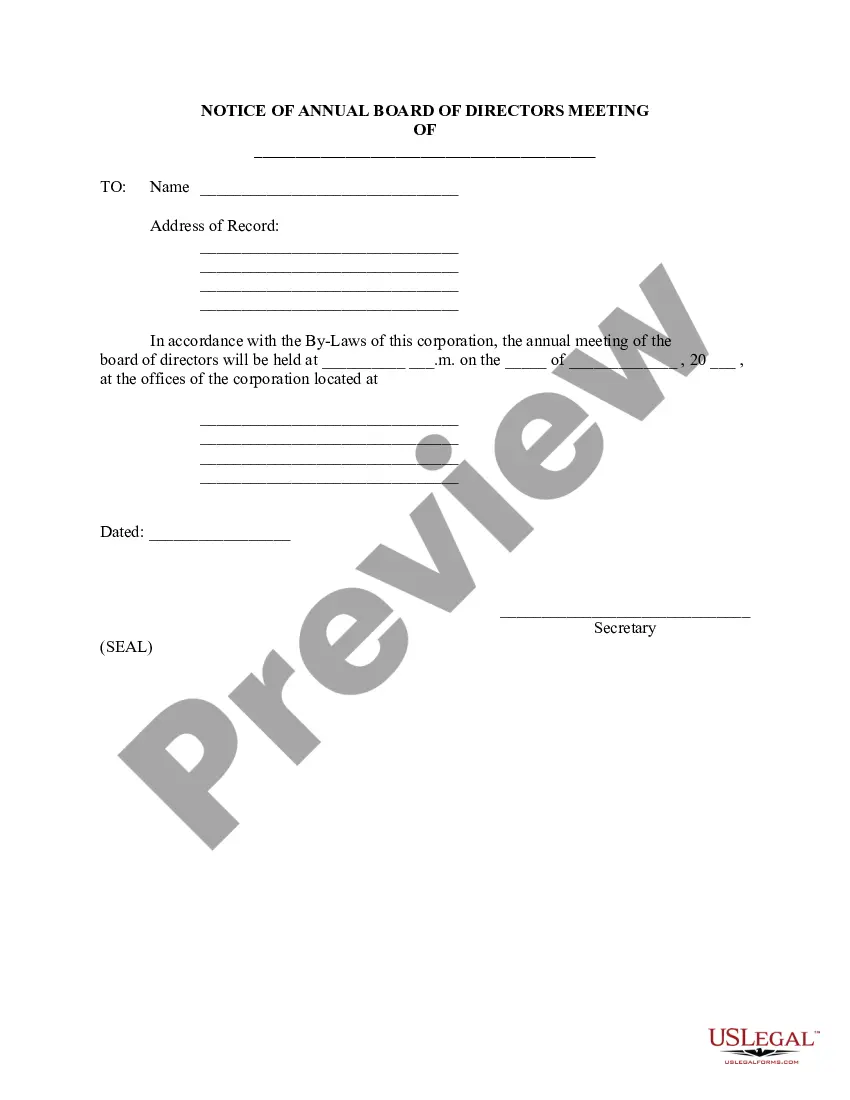


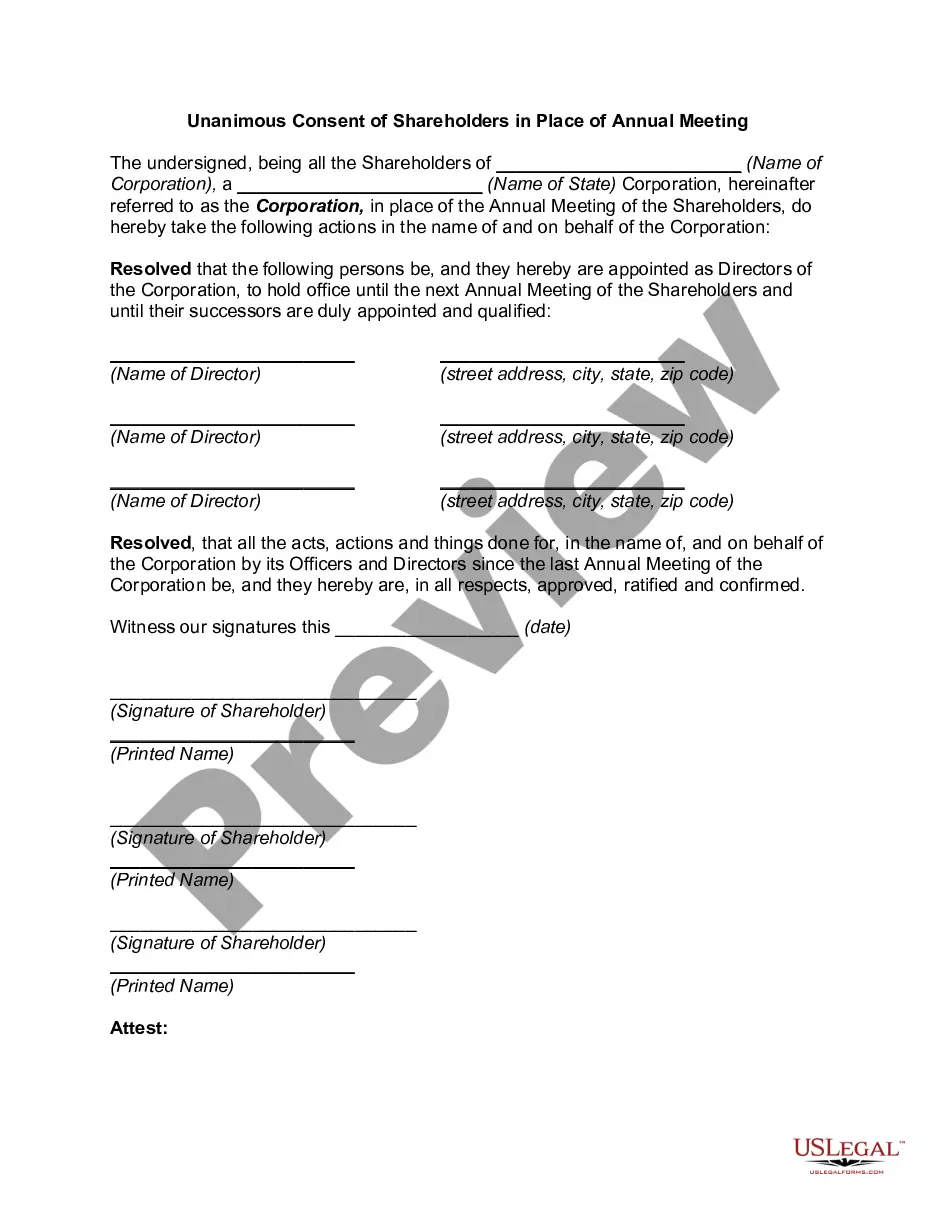
Get your form ready online
Our built-in tools help you complete, sign, share, and store your documents in one place.
Make edits, fill in missing information, and update formatting in US Legal Forms—just like you would in MS Word.
Download a copy, print it, send it by email, or mail it via USPS—whatever works best for your next step.
Sign and collect signatures with our SignNow integration. Send to multiple recipients, set reminders, and more. Go Premium to unlock E-Sign.
If this form requires notarization, complete it online through a secure video call—no need to meet a notary in person or wait for an appointment.
We protect your documents and personal data by following strict security and privacy standards.

Make edits, fill in missing information, and update formatting in US Legal Forms—just like you would in MS Word.

Download a copy, print it, send it by email, or mail it via USPS—whatever works best for your next step.

Sign and collect signatures with our SignNow integration. Send to multiple recipients, set reminders, and more. Go Premium to unlock E-Sign.

If this form requires notarization, complete it online through a secure video call—no need to meet a notary in person or wait for an appointment.

We protect your documents and personal data by following strict security and privacy standards.
Looking for another form?










Form popularity
FAQ
While state policies vary, almost all LLCs have to file an LLC annual report with their state of operation. Annual reports are short documents that provide updated information about your business, including the name and address of the LLC, the people who run it, and its registered agent.
Having an annual meeting and keeping a record of what was discussed helps validate that business owners are treating the limited liability company as a separate legal entity. That measure reinforces the corporate veil that protects LLC members' personal assets from the company's legal and financial liabilities.
Renewing your LLC involves verifying your company's information, completing the necessary forms, and submitting them through your state's designated process. The process can typically be completed online through the state's website or by mail, offering flexibility based on your preference.
Every corporation and limited liability company is required to file a Statement of Information either every year or every two years as applicable. The Secretary of State sends a reminder to the business entity approximately three months prior to the date its filing is due.
After an initial filing, some states—such as California, Iowa, and Indiana— require LLCs to file a report every other year. In some states, you'll file a report every two years from the year you formed your LLC.
Typically, however, the annual report must include, at a minimum: The company's legal name. In the case of a foreign company, the fictitious name it qualified under, if any. The principal office address in the state, if any.
What to Include in an Annual Report Your LLC's legal name. LLC identification number (State ID Number and/or EIN). Principal business location in the state. LLC owner and member information. Registered agent information. Financial details for the current year.
Obtaining or renewing a business license is not the same thing as filing an annual report. Even if a company has all the necessary business licenses, it still needs to file its annual reports.
If you fail to file a required annual or biennial report, you can face stiff penalties. These can range from fines imposed by the state to the state administratively dissolving or revoking your entity. Administrative dissolution means that you can no longer legally conduct business in a state.
