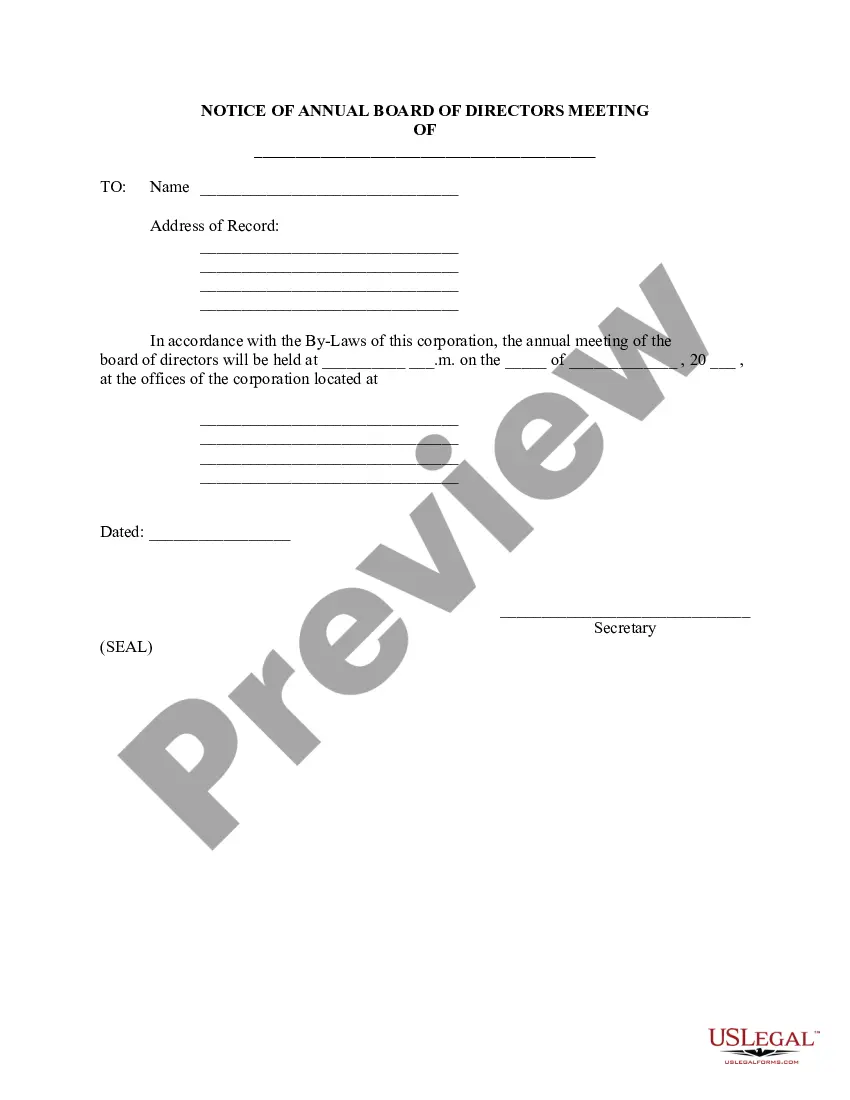
Meeting Annual Consider For Corporations In Fulton
Description


Get your form ready online
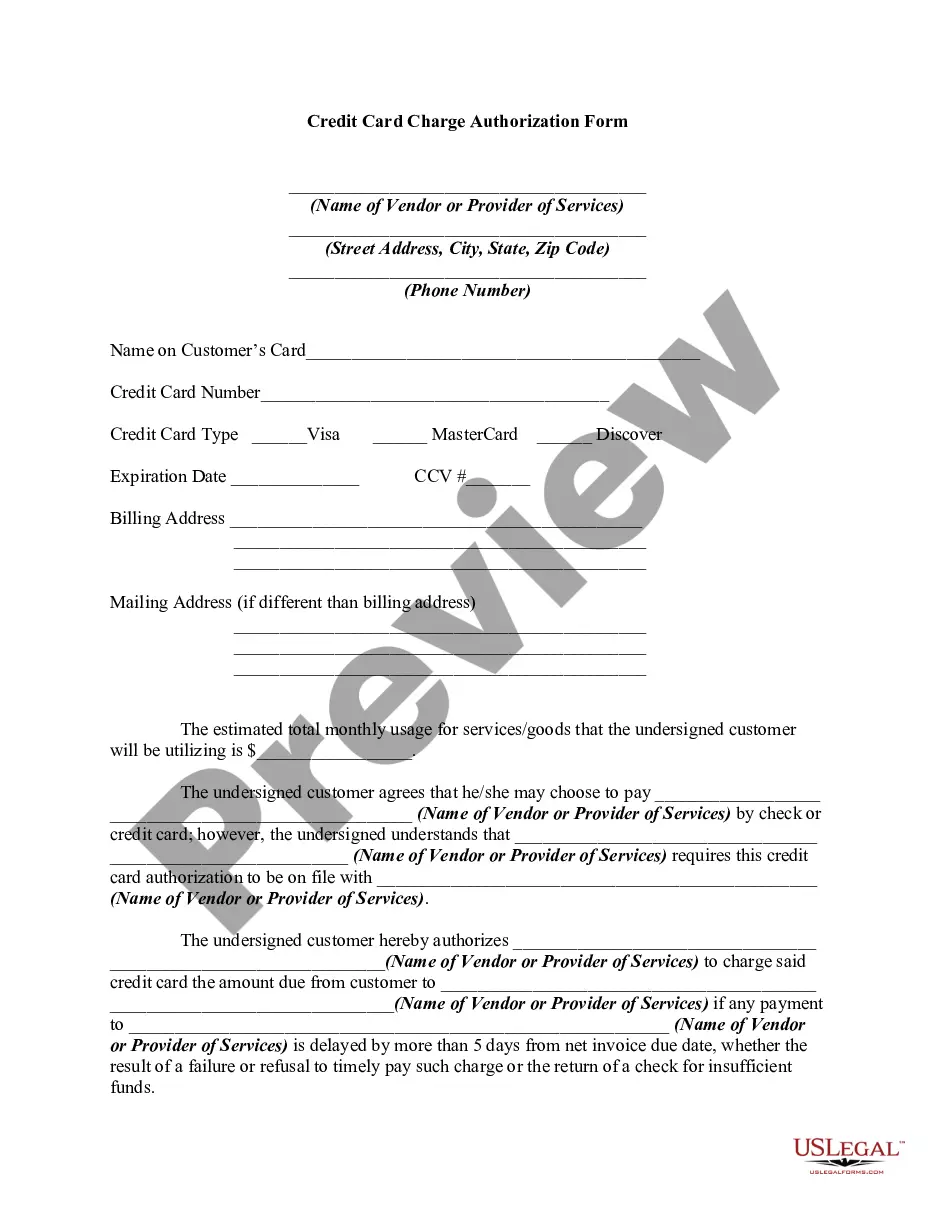
Our built-in tools help you complete, sign, share, and store your documents in one place.
Make edits, fill in missing information, and update formatting in US Legal Forms—just like you would in MS Word.
Download a copy, print it, send it by email, or mail it via USPS—whatever works best for your next step.
Sign and collect signatures with our SignNow integration. Send to multiple recipients, set reminders, and more. Go Premium to unlock E-Sign.
If this form requires notarization, complete it online through a secure video call—no need to meet a notary in person or wait for an appointment.
We protect your documents and personal data by following strict security and privacy standards.

Make edits, fill in missing information, and update formatting in US Legal Forms—just like you would in MS Word.

Download a copy, print it, send it by email, or mail it via USPS—whatever works best for your next step.

Sign and collect signatures with our SignNow integration. Send to multiple recipients, set reminders, and more. Go Premium to unlock E-Sign.

If this form requires notarization, complete it online through a secure video call—no need to meet a notary in person or wait for an appointment.

We protect your documents and personal data by following strict security and privacy standards.
Looking for another form?


Form popularity
FAQ
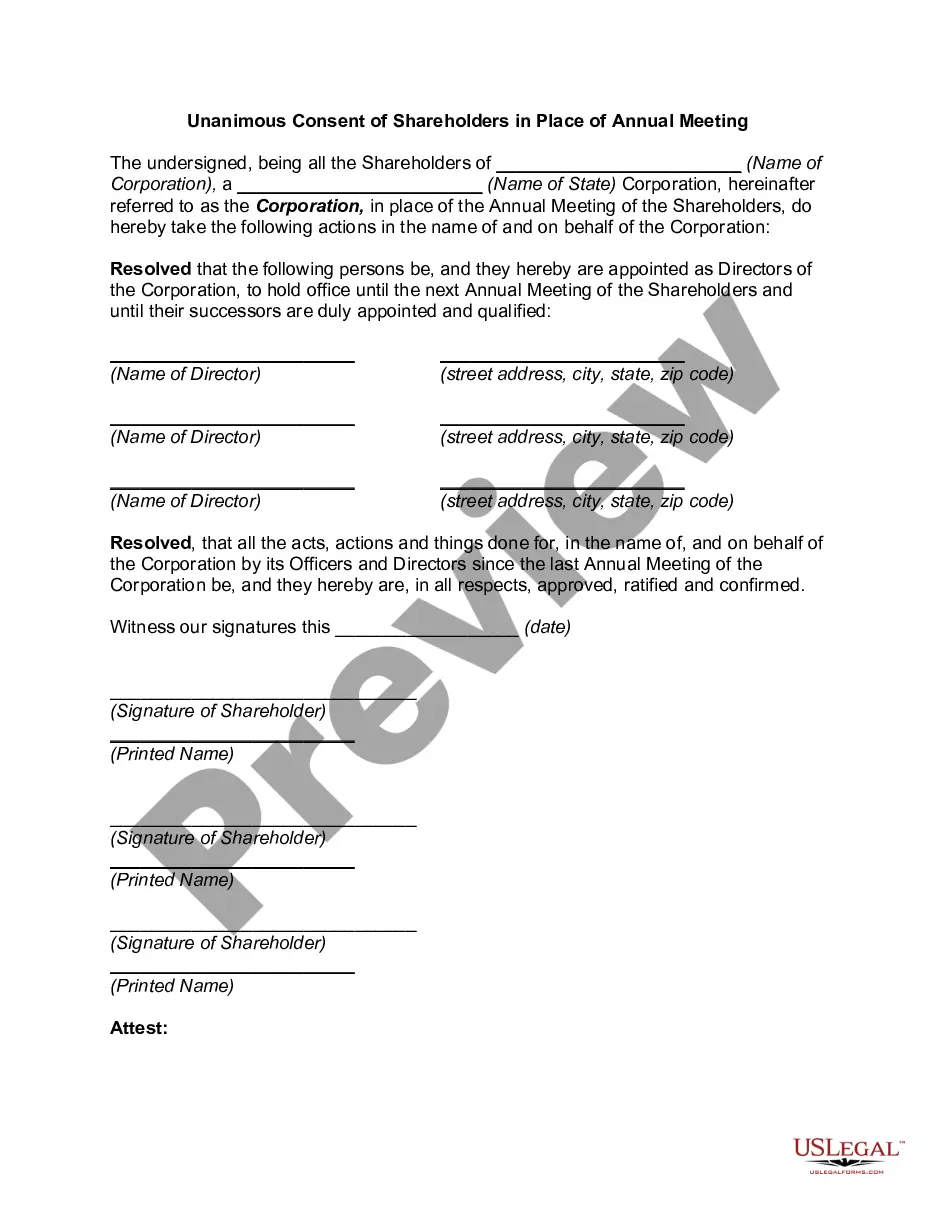
The shareholders of a C Corporation (or S Corporation) hold annual meetings to discuss the company's needs, its previous year's financials, elect new directors to the board of directors. The directors are the corporation's decision-makers, so as a shareholder, this is an important duty.
For example, an annual general meeting (AGM) provides an opportunity for the board of directors and shareholders to come together, review the company's performance, and discuss its future direction.
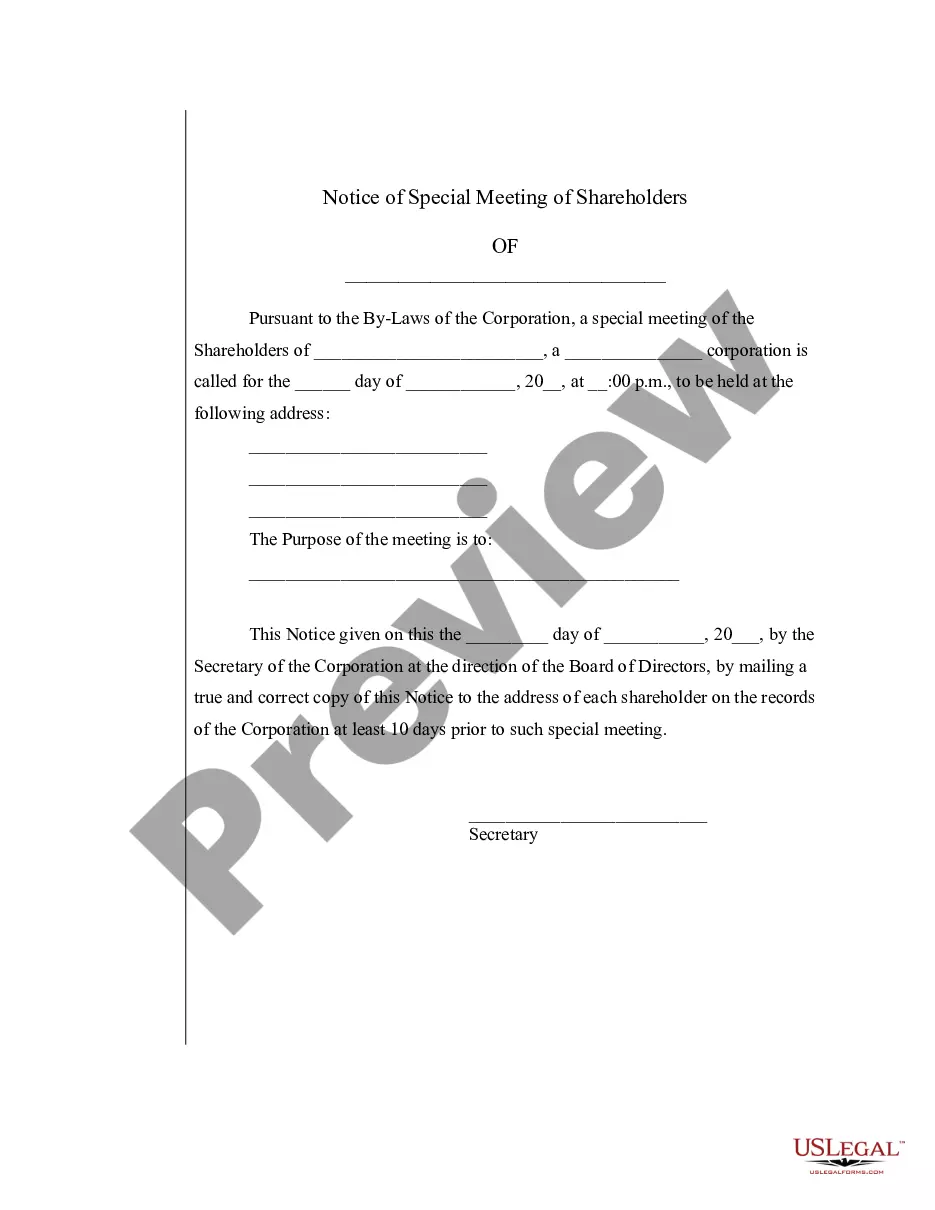
Under state corporate law, shareholders typically have a right to participate in the following types of decisions: election of directors, held at least annually (see DGCL, sections 141(d), 211(b) and 216);
An S-corp annual report details an S-corporation's activities during the previous year. S-corporations and other companies must file an annual report each year on the state level, typically through the Secretary of State's office in their state.
A yearly meeting of a corporation's shareholders whereby the shareholders receive the board of directors' report and the corporation's annual financial statements, elect directors, appoint an auditor or waive the appointment of an auditor (if able), and fix, or authorize the directors to fix, the auditor's remuneration ...
Both California Corporations and California S-Corps are required to hold an annual meeting for shareholders. These meetings are pivotal for fostering transparency, discussing business strategy, and making essential corporate decisions.
The business covered at an AGM may include, but isn't restricted to, the following: The annual financial report. The Director's report. Auditors report. Voting: Election of directors. Passing of resolutions. The appointing of the auditor.
You need to give your organisation, your membership, stakeholders, funders, and board members notice in writing at least 21 days before you hold an AGM. This is best practice. The advance notice should include: an agenda to prepare the board and the stakeholders with what to expect at the AGM.
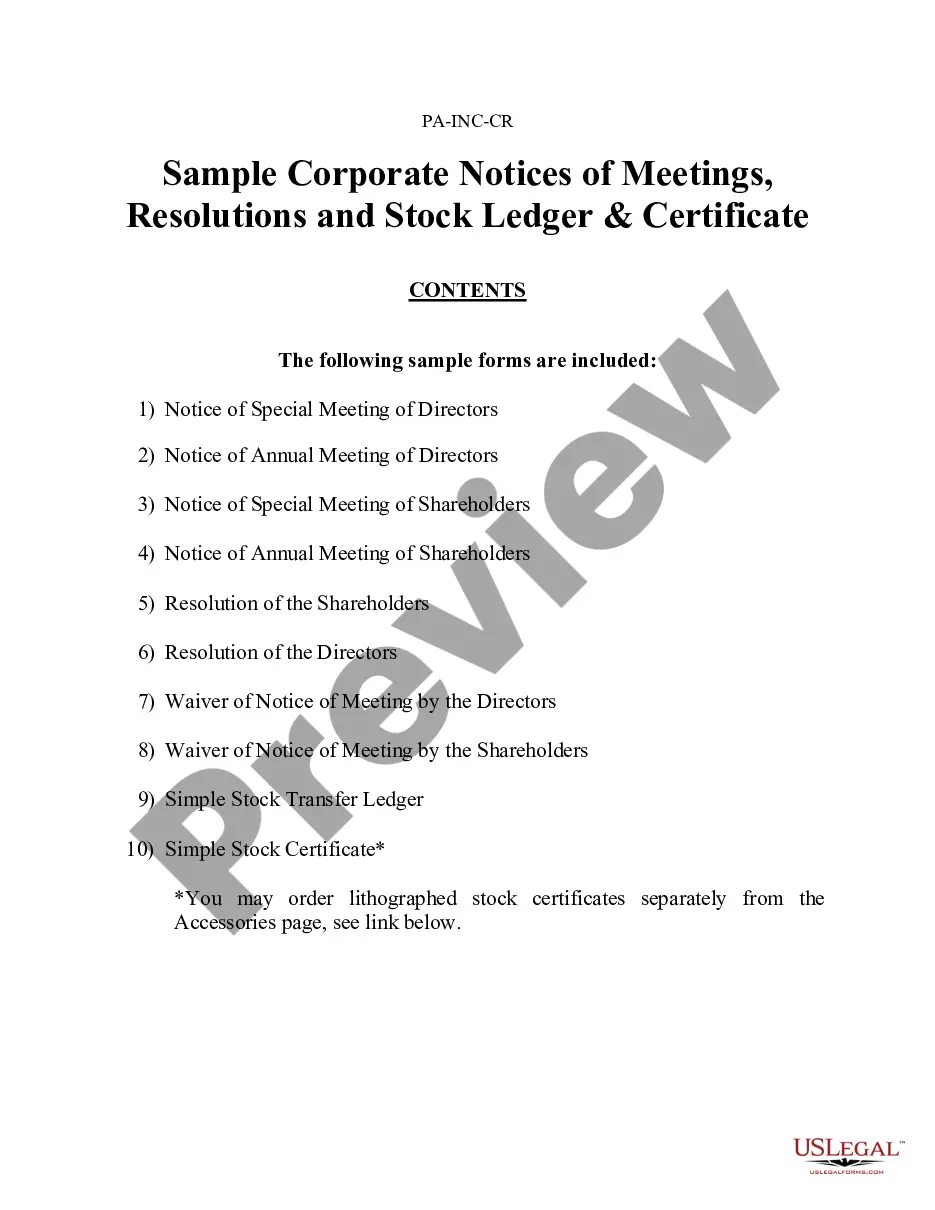
The notice should: Specify the purpose of the meeting. List the agenda items clearly. Provide instructions on how to attend the meeting (including virtual attendance, if applicable). Explain the voting process, including how votes will be counted and how shareholders can vote if they cannot attend in person.
During an annual meeting, the company's corporate secretary takes detailed notes to capture everything discussed and decided upon during the meeting. Meeting minutes do not need to include every little detail, but they should document the key information and any decisions made or actions taken.

