Sample Settlement Letter Without Prejudice In Washington
Description

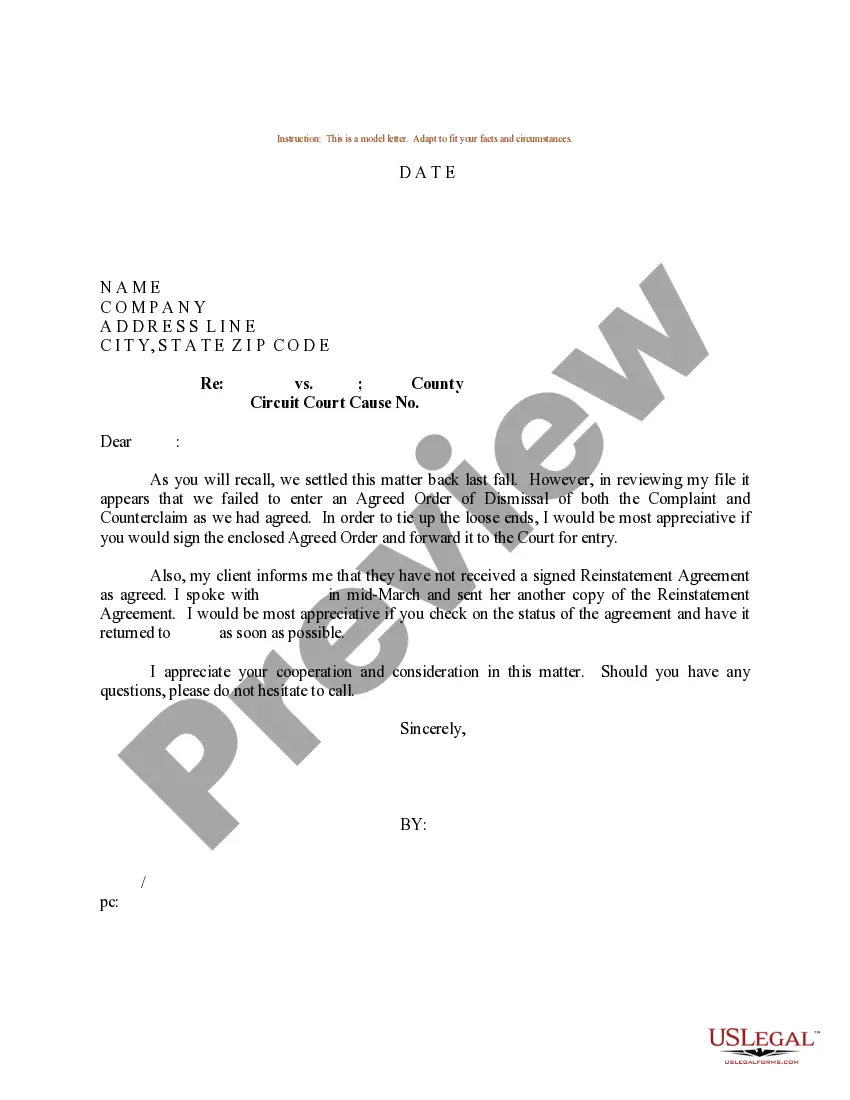
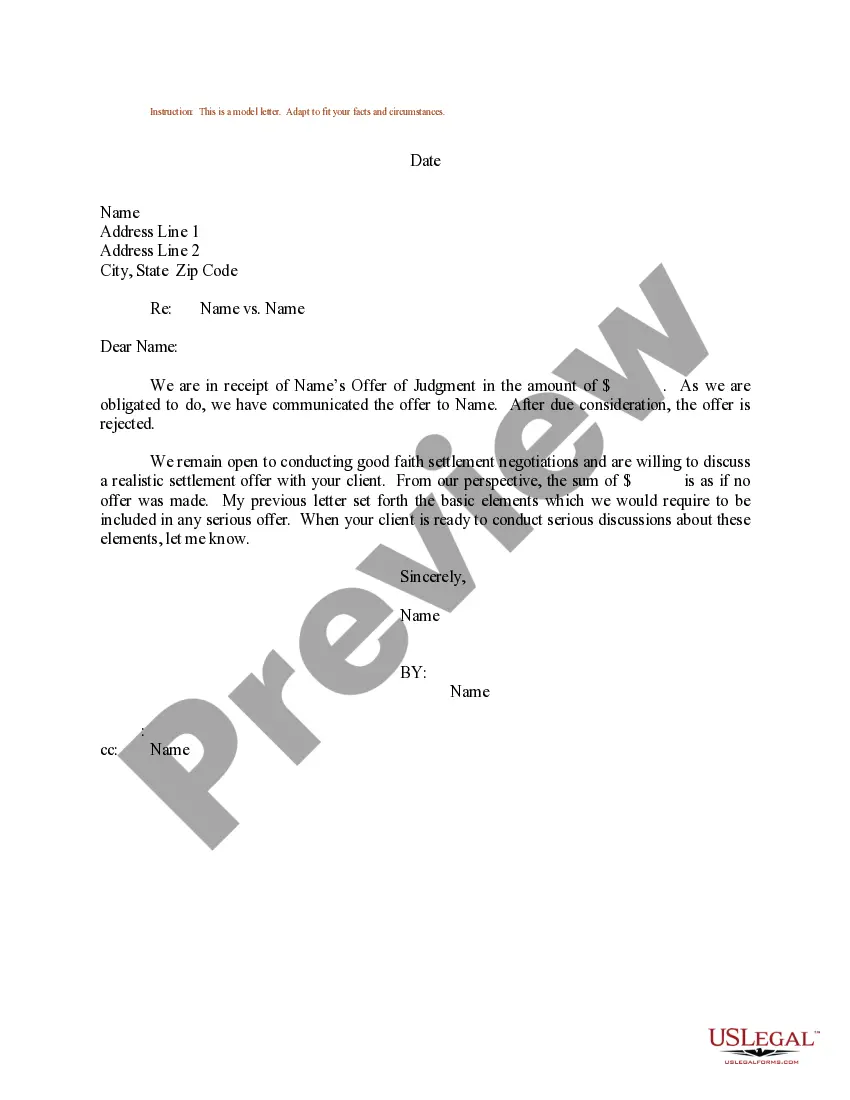
Get your form ready online
Our built-in tools help you complete, sign, share, and store your documents in one place.
Make edits, fill in missing information, and update formatting in US Legal Forms—just like you would in MS Word.
Download a copy, print it, send it by email, or mail it via USPS—whatever works best for your next step.
Sign and collect signatures with our SignNow integration. Send to multiple recipients, set reminders, and more. Go Premium to unlock E-Sign.
If this form requires notarization, complete it online through a secure video call—no need to meet a notary in person or wait for an appointment.
We protect your documents and personal data by following strict security and privacy standards.

Make edits, fill in missing information, and update formatting in US Legal Forms—just like you would in MS Word.

Download a copy, print it, send it by email, or mail it via USPS—whatever works best for your next step.

Sign and collect signatures with our SignNow integration. Send to multiple recipients, set reminders, and more. Go Premium to unlock E-Sign.

If this form requires notarization, complete it online through a secure video call—no need to meet a notary in person or wait for an appointment.

We protect your documents and personal data by following strict security and privacy standards.
Looking for another form?
Form popularity
FAQ
Treat the following as a set of general guidelines: Gather complete information before you start writing. Describe your injuries and medical treatment. List your medical expenses, lost wages, and non-economic damages. Make a settlement demand. Include a deadline for legal action if you want to, but don't bluff.
Demand Letter Components Facts of the case. An outline of what happened. Statement of the issue. A brief description of the problem. Demand. The dollar amount or action necessary to resolve the case. Response deadline. The date by which the recipient must respond. Noncompliance consequences.
What to include in an injury demand letter The date of the accident. Name of the insured. Policy number, if available. What parties were involved in the accident. Events leading up to and causing the accident. Detailed information regarding economic damages, broken down by category. Explanation of non-economic damages.
Sample demand letter for a personal injury case Dear Name of adjuster, This constitutes a formal settlement letter requesting you provide fair compensation to me, your name, for injuries and damages I incurred due to the incident on date of incident at location of incident.
7 Tips for Writing a Demand Letter to the Insurance Company Detail Your Version of Events. Gather & Organize Your Expenses. Calculate Anticipated Expenses. Detail the Negative Impact the Accident Has Had on Your Life. Discuss Your Road to Recovery. Include a Fair and Reasonable Demand Amount.
Do Demand Letters Always Work? No, demand letters don't always work—and they're less effective now than they were ten years ago. However, they remain a valuable step in most cases.
For example, an employer might admit in a without prejudice communication that it had failed to carry out certain procedures which might otherwise render a dismissal unfair, but the employee would normally not be able to show that admission to an Employment Tribunal to try and prove their claim.
Go to the district court in the district where the other person lives or where the business you are suing does business. You can check online at courts.wa/court_dir to find the district court location. The district court clerk can tell you if an address is within the court's boundaries.
The statute of limitations for most personal injury claims is outlined under the Revised Code of Washington (RCW) §4.16. 080. Under this law, victims of personal injuries have three years from the date of the injury to file a lawsuit in court.
Contact your local district court; contact information may be located in your local phone book or at urts.wa. First you will prepare a Notice of Small Claim form that is provided by the clerk. You are required to sign the Notice in the presence of the clerk, unless otherwise instructed by the court.

