Sample Letter Rejecting Settlement Offer For Medical Bills In Pima
Description

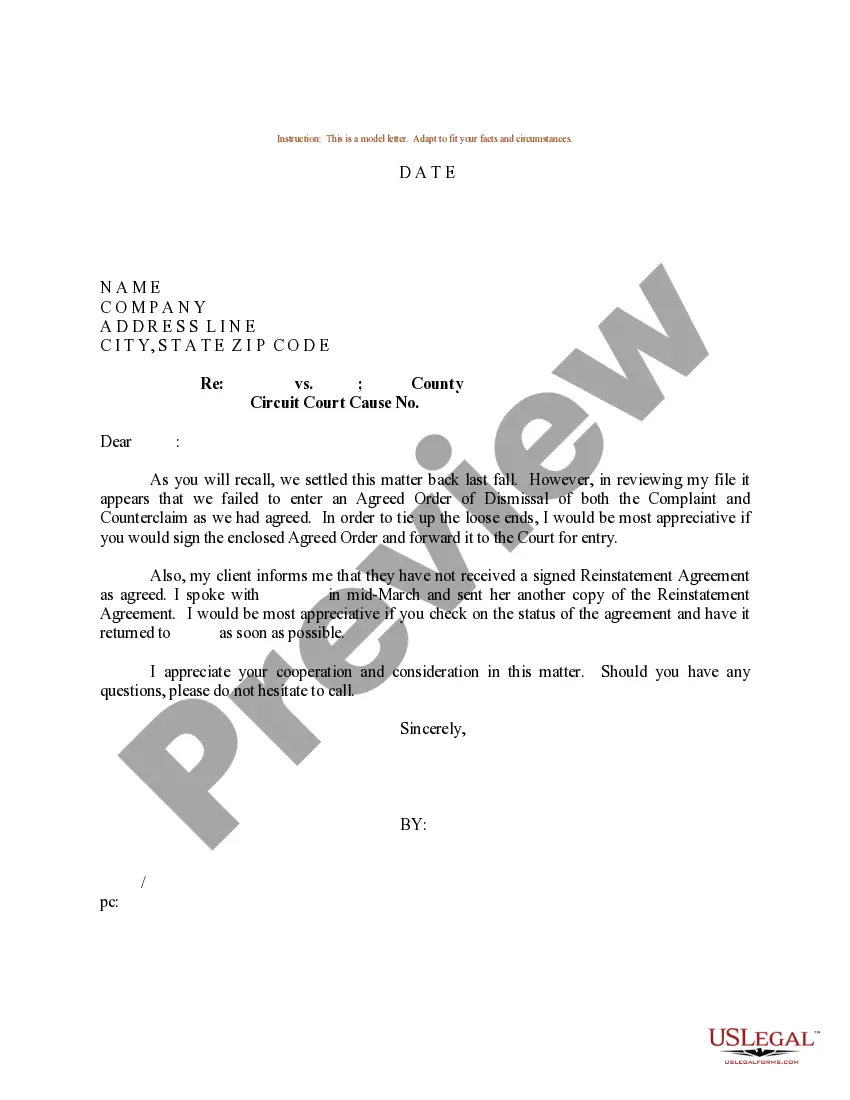
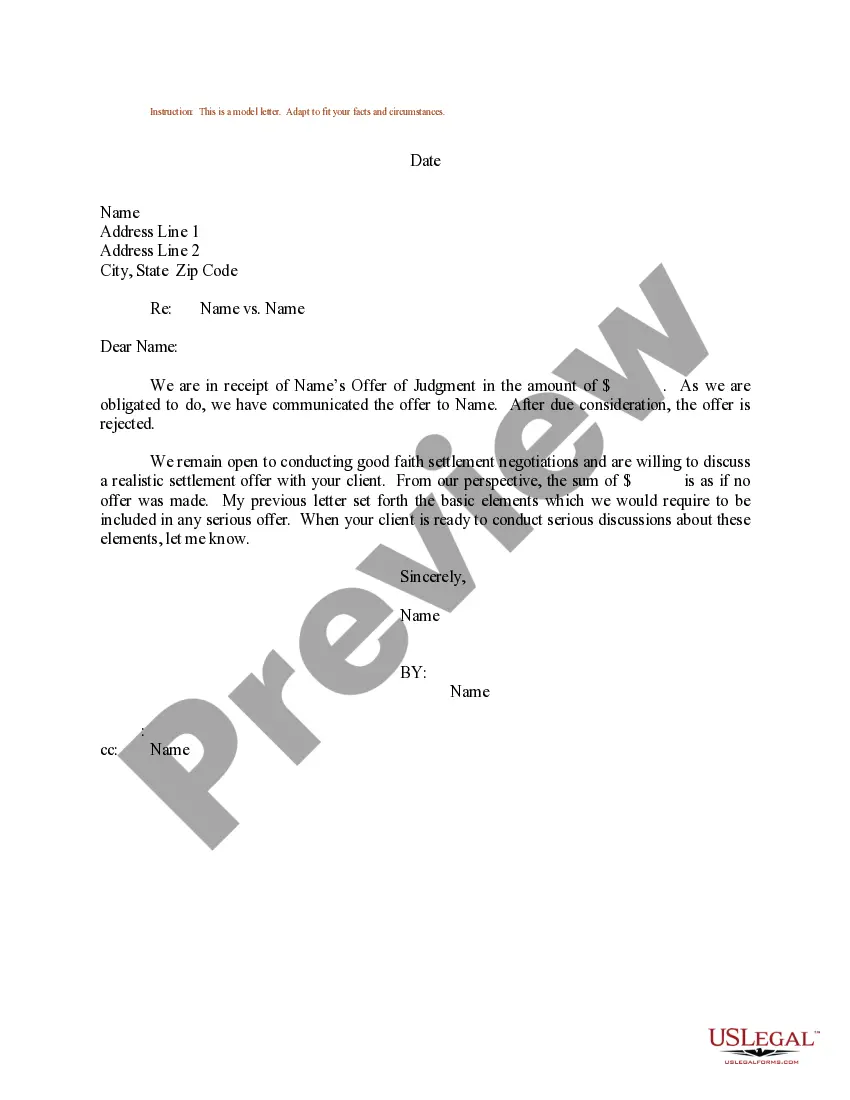
Get your form ready online
Our built-in tools help you complete, sign, share, and store your documents in one place.
Make edits, fill in missing information, and update formatting in US Legal Forms—just like you would in MS Word.
Download a copy, print it, send it by email, or mail it via USPS—whatever works best for your next step.
Sign and collect signatures with our SignNow integration. Send to multiple recipients, set reminders, and more. Go Premium to unlock E-Sign.
If this form requires notarization, complete it online through a secure video call—no need to meet a notary in person or wait for an appointment.
We protect your documents and personal data by following strict security and privacy standards.

Make edits, fill in missing information, and update formatting in US Legal Forms—just like you would in MS Word.

Download a copy, print it, send it by email, or mail it via USPS—whatever works best for your next step.

Sign and collect signatures with our SignNow integration. Send to multiple recipients, set reminders, and more. Go Premium to unlock E-Sign.

If this form requires notarization, complete it online through a secure video call—no need to meet a notary in person or wait for an appointment.

We protect your documents and personal data by following strict security and privacy standards.
Looking for another form?

Form popularity
FAQ
When someone rejects a settlement offer, it is automatically terminated and can not be accepted at a later time. From here, you can negotiate or make a counteroffer, but will be up to the other party if they want to accept or reject the offer.
name of claims adjuster, I received your letter dated date of written settlement offer. I have reviewed your letter very carefully, including your settlement offer. Unfortunately, I cannot accept your offer for the reasons discussed below.
How Should I Respond to a Low Settlement Offer? Try to remain calm and examine the offer. After receiving a low settlement offer, the most important thing to do is to stay calm. Provide a formal, written response. Formulate your counteroffer. Settle after you've recovered.
Yes, rejecting a settlement offer is often the beginning of negotiations. After you reject, your attorney will likely present a counteroffer based on the full value of your claim, supported by evidence like medical records and financial documentation.
If you choose to reject the low settlement offer, you must communicate your decision to the claims adjuster. Your legal representative can help you write a letter that states your intentions. Within the letter, you can indicate that you reject the offer and highlight why you deserve a higher settlement amount.
This letter should state: That you will not accept the initial settlement offer; The reasons why you feel you deserve a higher settlement amount; Each of their low-offer reasons, and your responses; The higher settlement amount that you will accept.
Letter to decline insurance proposal Thank you for your recent insurance proposal. At this current time, we are not considering changing our insurance provider. If the situation changes and we are interested in using your services, I will contact you. I would appreciate it if you could remove me from your mailing list.
How to Write a Settlement Demand Letter An account of the event that injured you. A description of your injuries. List all the medical treatments you had. Explanation of who's responsible for your injury, and why. List of damages. Make your demand.
Always reject a settlement offer in writing. Type a letter to your contact at the insurance company listing the reasons you think that their offer is too low. Back up these reasons with concrete evidence attached to the letter. Finally, provide a counteroffer of a sum you think is more reasonable.
If you are not happy with the settlement agreement, then there are a number of routes you can take. You can reject the agreement outright and make a claim to the employment tribunal. Such a claim would need to be made within 3 months (less one day) from the last day of your employment.

