Sample Settlement Letter Without Prejudice In Chicago
Description


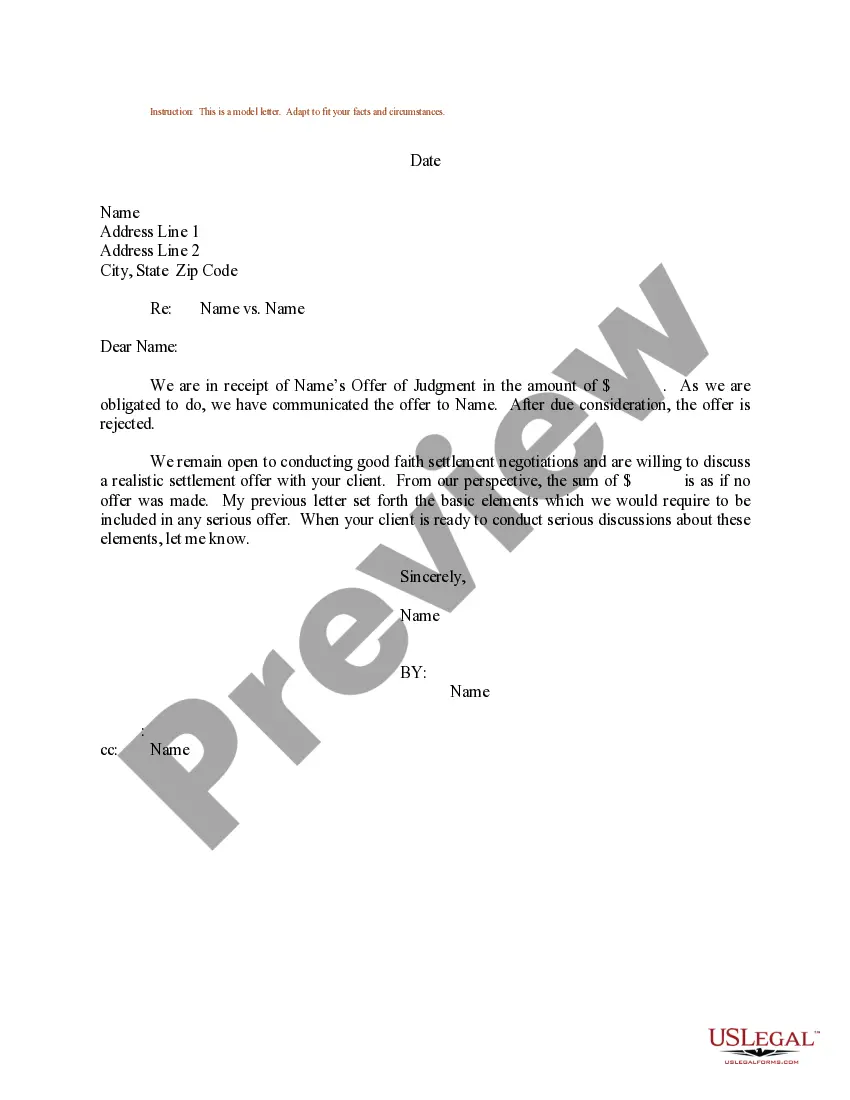
Get your form ready online
Our built-in tools help you complete, sign, share, and store your documents in one place.
Make edits, fill in missing information, and update formatting in US Legal Forms—just like you would in MS Word.
Download a copy, print it, send it by email, or mail it via USPS—whatever works best for your next step.
Sign and collect signatures with our SignNow integration. Send to multiple recipients, set reminders, and more. Go Premium to unlock E-Sign.
If this form requires notarization, complete it online through a secure video call—no need to meet a notary in person or wait for an appointment.
We protect your documents and personal data by following strict security and privacy standards.

Make edits, fill in missing information, and update formatting in US Legal Forms—just like you would in MS Word.

Download a copy, print it, send it by email, or mail it via USPS—whatever works best for your next step.

Sign and collect signatures with our SignNow integration. Send to multiple recipients, set reminders, and more. Go Premium to unlock E-Sign.

If this form requires notarization, complete it online through a secure video call—no need to meet a notary in person or wait for an appointment.

We protect your documents and personal data by following strict security and privacy standards.
Looking for another form?



Form popularity
FAQ
There is no particular magic in the words “without prejudice” in a letter. The substance of the communication will be considered to determine if it forms part of genuine negotiations for the settlement of a dispute.
Key Elements of a Claim Settlement Letter Policyholder's Information: Name and policy number. Claim Details: Reference number and details of the claim. Settlement Amount: The total amount agreed upon for settlement. Terms and Conditions: Any terms related to the settlement, including payment methods and timelines.
Your settlement letter should begin with a heading that clearly identifies it as a settlement proposal. Be sure to include your contact information, such as your name, address and phone number so that the recipient can get in touch with you if necessary.
Critical Elements of a Settlement Demand Letter Introduction and Background Information. Start by introducing yourself and providing a brief overview of the incident. Statement of Facts. Liability. Injuries and Medical Treatment. Damages. Settlement Demand. Deadline for Response. Closing.
Treat the following as a set of general guidelines: Gather complete information before you start writing. Describe your injuries and medical treatment. List your medical expenses, lost wages, and non-economic damages. Make a settlement demand. Include a deadline for legal action if you want to, but don't bluff.
It depends on what you can afford. Your full and final settlement should offer equal amounts to each creditor. For example: Your lump sum is 75% of your total debt. You should offer each creditor 75% of what you owe them.
Simply saying that the agreement is in 'full and final settlement of all claims' will not be sufficient to contract out of employment tribunal and court claims. To be legally binding for these purposes, a settlement agreement has to specifically state the claims that it is intended to cover.
The length of putting a settlement agreement together varies on a case-by-case-basis. This could be a small number of days, weeks or months - depending on how negotiations go. As a general rule, you should provide your employees with ten days to review the agreement.
Acceptance of that offer; consideration between contracting parties; an intention to create legal relationships shown by both parties; and. clarity in the contract's terms.

