Church Invitation Letter Format In Cook
Description
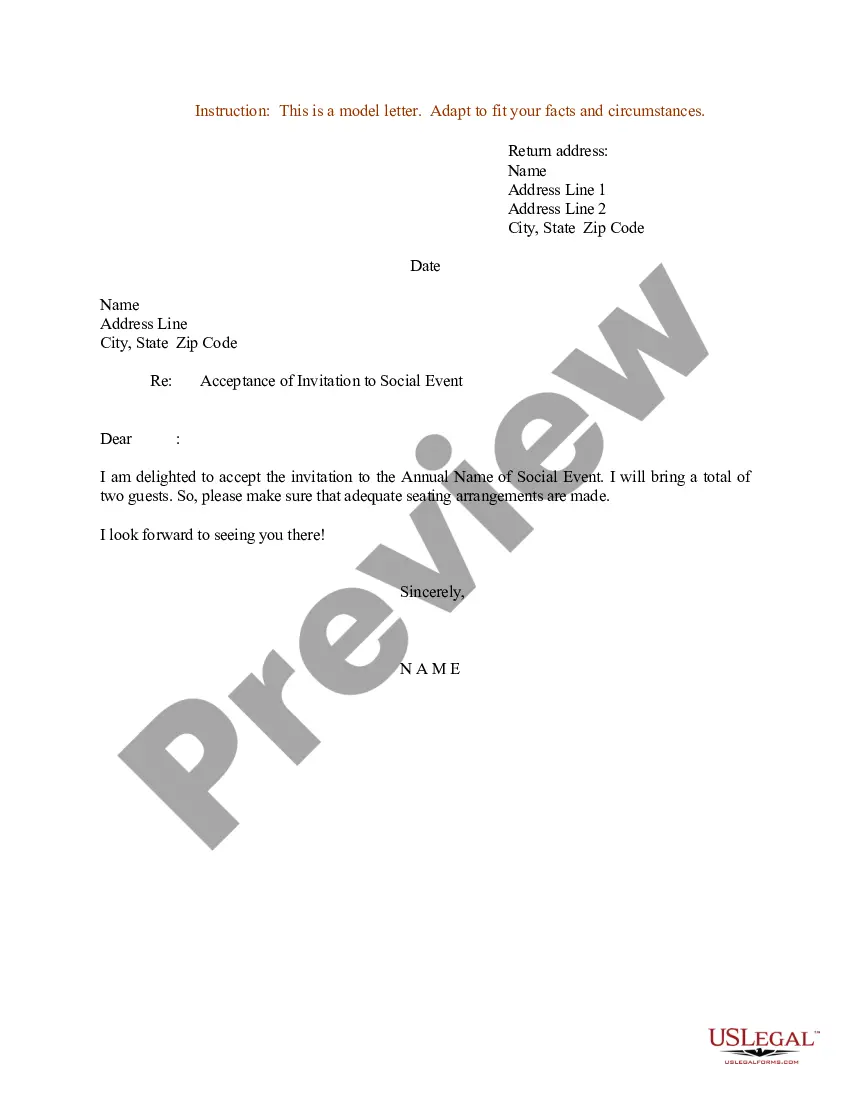
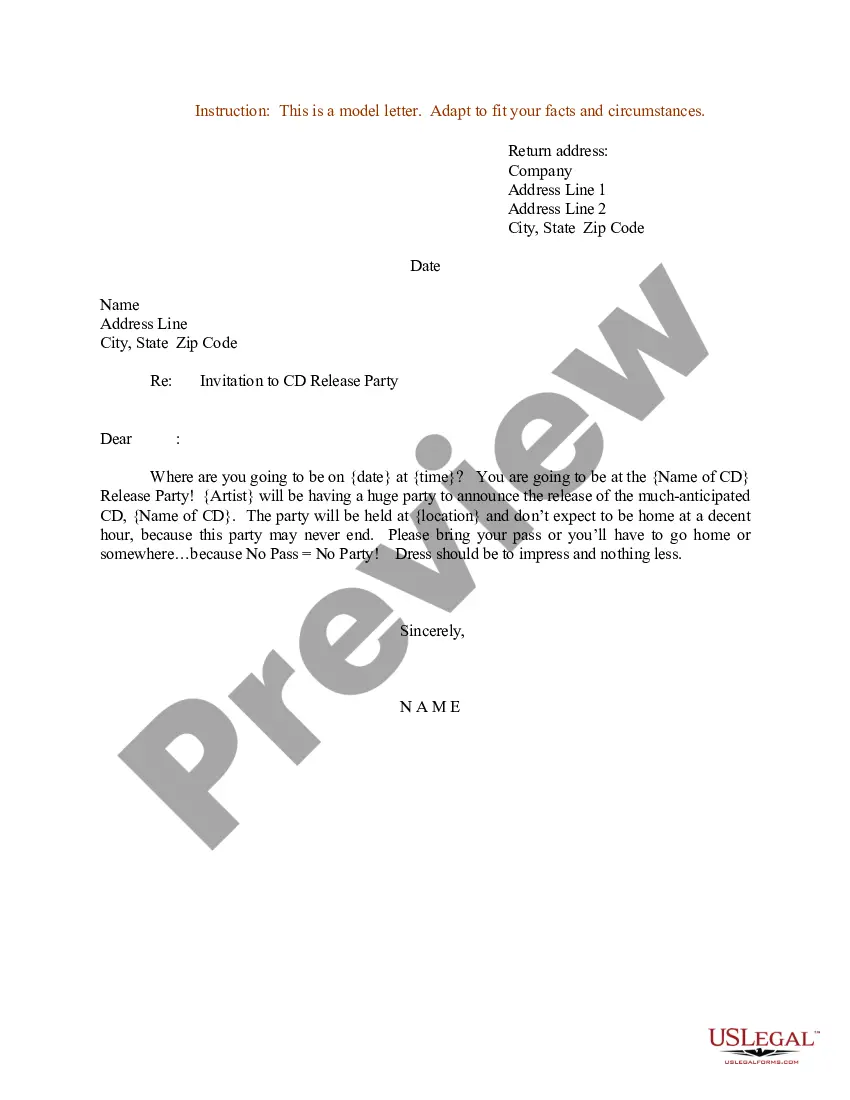
Get your form ready online
Our built-in tools help you complete, sign, share, and store your documents in one place.
Make edits, fill in missing information, and update formatting in US Legal Forms—just like you would in MS Word.
Download a copy, print it, send it by email, or mail it via USPS—whatever works best for your next step.
Sign and collect signatures with our SignNow integration. Send to multiple recipients, set reminders, and more. Go Premium to unlock E-Sign.
If this form requires notarization, complete it online through a secure video call—no need to meet a notary in person or wait for an appointment.
We protect your documents and personal data by following strict security and privacy standards.

Make edits, fill in missing information, and update formatting in US Legal Forms—just like you would in MS Word.

Download a copy, print it, send it by email, or mail it via USPS—whatever works best for your next step.

Sign and collect signatures with our SignNow integration. Send to multiple recipients, set reminders, and more. Go Premium to unlock E-Sign.

If this form requires notarization, complete it online through a secure video call—no need to meet a notary in person or wait for an appointment.

We protect your documents and personal data by following strict security and privacy standards.
Looking for another form?









Form popularity
FAQ
A good church invitation letter should be warm, welcoming, and to the point. It should include details about the event, any special guests or activities, and a call to action (e.g., RSVP). Remember to keep it concise and use positive language to encourage people to join in on the festivities.
Here's an example of an invitation to a professional event:You're cordially invited to the end-of-year city-wide networking event for business experts. This networking event takes place this Monday from 10 a.m. to 5 p.m., and we're providing lunch and drinks. Please RSVP if you plan to attend.
Formal invitation Components Name of host. Invitational (requests the pleasure of your company, cordially invites you to) Event type/name/purpose (e.g., luncheon, dinner, reception, lecture) Date. Hour. Place. Reply instructions (e.g., reply card or phone number) Disabled instructions (e.g., fax or email)
Dear (Recipient's Name), I am writing to formally invite you to the (Event Name), which will be held on (Date) at (Time). The event will take place at (Venue), located at (Full Address). Your presence would be greatly appreciated as we celebrate this special occasion.
Using Proper Salutations and Closings Begin your letter with a formal greeting such as “Dear Church Members”. End your letter with a blessing or prayer, such as “May God Bless You” or “In Christ's Love”.
Guidelines for writing invitations: State the occasion, date, time, and place. Include addresses and a map if necessary. Mention if refreshments will be served. List any charges that may apply.
Dear (Recipient's Name), I am writing to formally invite you to the (Event Name), which will be held on (Date) at (Time). The event will take place at (Venue), located at (Full Address). Your presence would be greatly appreciated as we celebrate this special occasion.
Dear Recipient's Name, We are delighted to invite you to Event Name, taking place on Event Date at Event Venue. This corporate event promises to be an excellent platform for exchanging ideas, learning from industry leaders, and networking with peers. Please RSVP by RSVP Date to confirm your attendance.
We invite all church members to join us for Sunday prayers — come for hope, spiritual growth, worship, fellowship and encouragement. Whether you live next door or halfway across the world, we would love to have your presence this Sunday as we worship together under the power of God."
When writing a letter to a church congregation, it's important to choose a tone that is both respectful and appropriate. Keep in mind the nature of your message and the audience you are addressing. Use language that is clear, concise, and considerate of others' feelings and beliefs.

