Meeting Notice For Parents In Utah
Description

Get your form ready online
Our built-in tools help you complete, sign, share, and store your documents in one place.
Make edits, fill in missing information, and update formatting in US Legal Forms—just like you would in MS Word.
Download a copy, print it, send it by email, or mail it via USPS—whatever works best for your next step.
Sign and collect signatures with our SignNow integration. Send to multiple recipients, set reminders, and more. Go Premium to unlock E-Sign.
If this form requires notarization, complete it online through a secure video call—no need to meet a notary in person or wait for an appointment.
We protect your documents and personal data by following strict security and privacy standards.
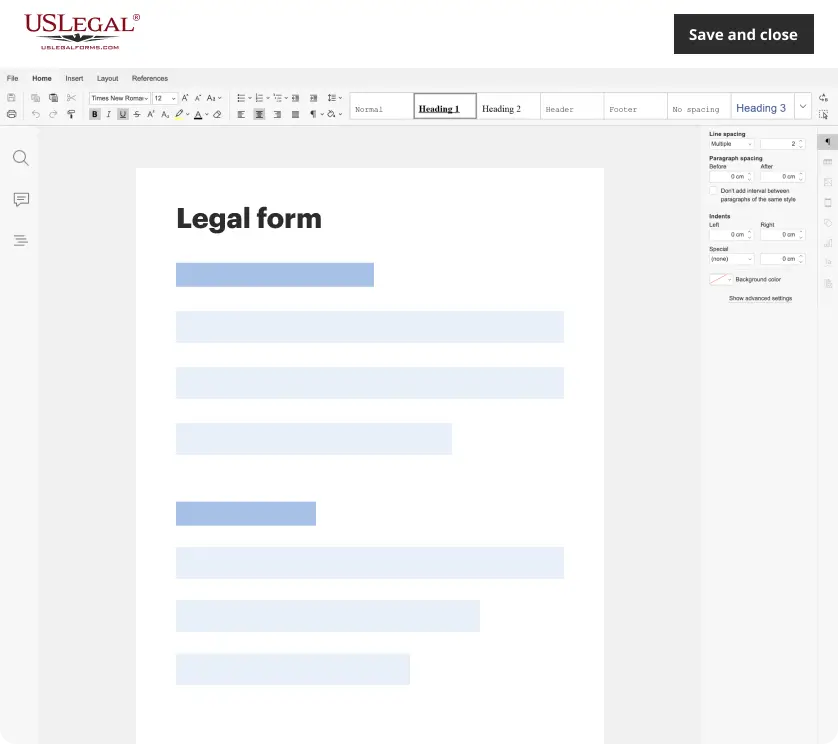
Make edits, fill in missing information, and update formatting in US Legal Forms—just like you would in MS Word.
Download a copy, print it, send it by email, or mail it via USPS—whatever works best for your next step.
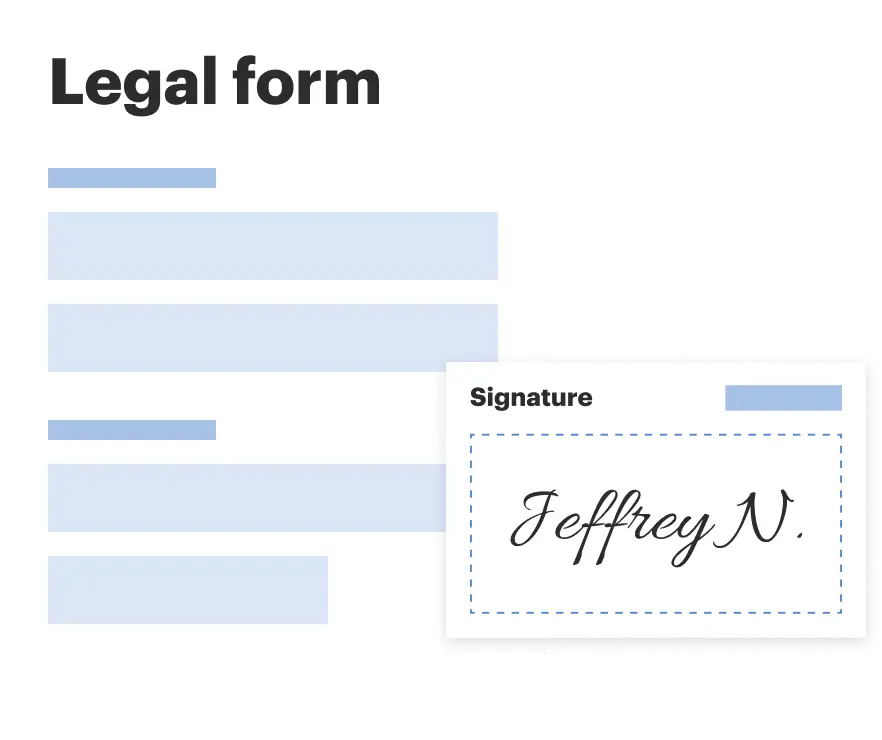
Sign and collect signatures with our SignNow integration. Send to multiple recipients, set reminders, and more. Go Premium to unlock E-Sign.
If this form requires notarization, complete it online through a secure video call—no need to meet a notary in person or wait for an appointment.
We protect your documents and personal data by following strict security and privacy standards.
Looking for another form?


Form popularity
FAQ
To qualify for an IEP, a student must have a disability that affects their ability to learn or access education and require special education services.
To be eligible for an IEP, a student has to: Have one or more of the 13 conditions that are covered under IDEA, which includes learning disabilities like dyslexia and also. Need services to thrive in school.
Dear Parents & Students, This is to inform you that the 2nd PTM will be held on 20th February from pm onwards in the respective classes. All the parents are requested to be present at the mentioned time along with your wards to discuss the growth and performance of the children.
IDEA lists five special factors that the IEP team must consider in the development, review, and revision of each child's IEP: behavior, limited English proficiency, Braille and children with blindness or visual impairment, communication needs (especially important for children who are deaf or hard of hearing), and ...
The law requires a specific group of people — called the IEP team — to attend every IEP meeting: A parent or guardian of the student. At least one of the student's general education teachers. At least one of the student's special education teachers.
In order to qualify for an IEP, a student must have a qualifying educational disability that adversely affects their educational performance and requires special education and related services as a result.
Criteria refer to the specific standards or benchmarks that must be met in order to achieve an IEP goal. Clear criteria are essential for both educators and students, as they provide a roadmap for progress and ensure that everyone is on the same page.
Publicize the meeting and give parents adequate notice flyer backpacked home. robocall to home or text message (if your school has the software) email if you have an e-newsletter. posting on the school website. announcement over the school PA/PTA system reminding students to remind their parent/guardian.
By law, certain individuals must be involved in writing a child's Individualized Education Program. These are: the child's parents. at least one of the child's special education teachers or providers.