Meeting With Executives In Massachusetts
Description
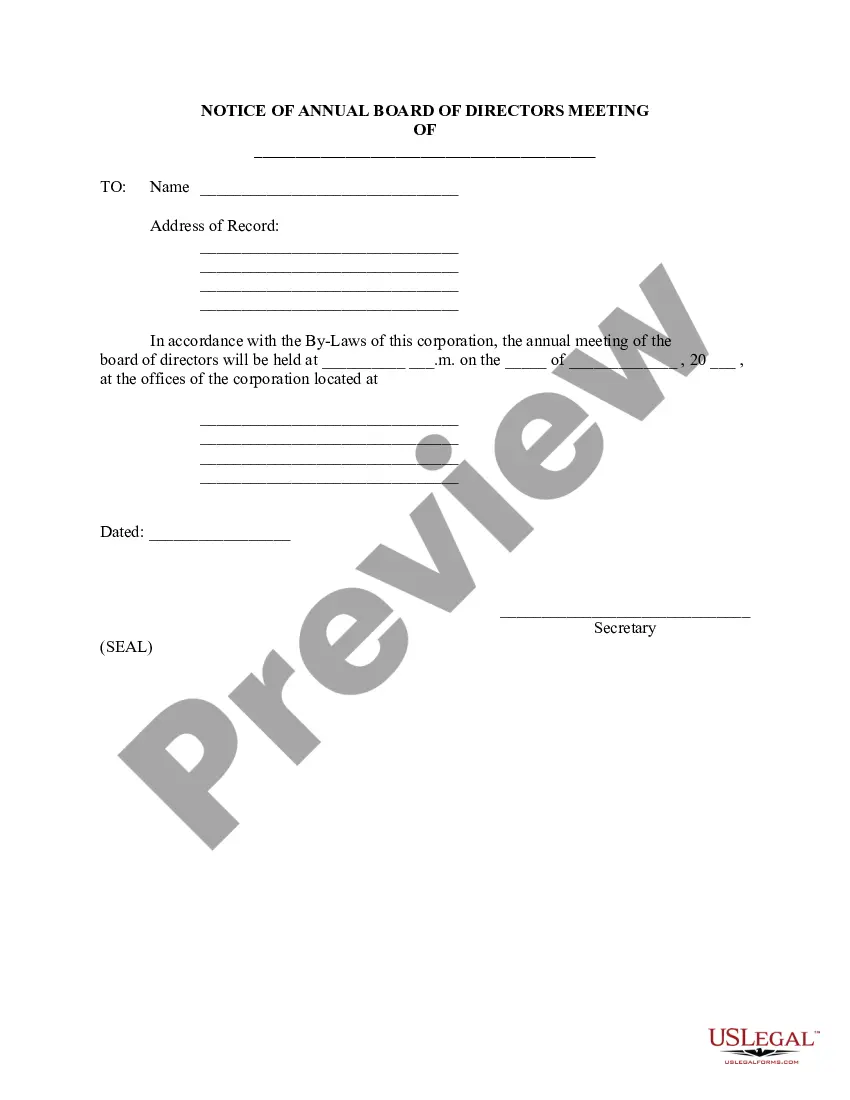


Get your form ready online
Our built-in tools help you complete, sign, share, and store your documents in one place.
Make edits, fill in missing information, and update formatting in US Legal Forms—just like you would in MS Word.
Download a copy, print it, send it by email, or mail it via USPS—whatever works best for your next step.
Sign and collect signatures with our SignNow integration. Send to multiple recipients, set reminders, and more. Go Premium to unlock E-Sign.
If this form requires notarization, complete it online through a secure video call—no need to meet a notary in person or wait for an appointment.
We protect your documents and personal data by following strict security and privacy standards.

Make edits, fill in missing information, and update formatting in US Legal Forms—just like you would in MS Word.

Download a copy, print it, send it by email, or mail it via USPS—whatever works best for your next step.

Sign and collect signatures with our SignNow integration. Send to multiple recipients, set reminders, and more. Go Premium to unlock E-Sign.

If this form requires notarization, complete it online through a secure video call—no need to meet a notary in person or wait for an appointment.

We protect your documents and personal data by following strict security and privacy standards.
Looking for another form?





Form popularity
FAQ
All programs, activities, and services provided, performed, licensed, chartered, funded, regulated, or contracted for by the state shall be conducted without unlawful discrimination based on race, color, age, gender, ethnicity, sexual orientation, gender identity or expression, religion, creed, ancestry, national ...
An executive session is a meeting conducted without the presence of “outsiders.” In corporate governance, it's usually a meeting that only board members can attend.
Under the Open Meeting Law, the public is permitted to attend meetings of public bodies but is excluded from an executive session that is called for a valid purpose listed in the law. While the public is permitted to attend an open meeting, an individual may not address the public body without permission of the chair.
A board may adjourn to, or meet solely in, executive session for “personnel matters.” (Civ. Code § 4935(a).) Personnel matters would include, but not be limited to, hiring, firing, raises, disciplinary issues, etc.
Ing to Robert's Rules, the minutes from an executive session are reviewed and approved exclusively by those members who were present at the session. While there's an option to share the minutes with all members, the confidentiality of the discussions must be preserved.
For an executive session to occur, a motion must be made in public that states a specific reason for the members to meet in private. The motion must be seconded, voted on, and approved by a majority of the board. You have a right to know the specific reason the board is having a private discussion.
In an executive session, a board can receive and evaluate complaints about a public employee, evaluate the quali- fications of an applicant for employment or evaluate the performance of an employee. Executive sessions about personnel issues must be narrowly tailored to those exceptions.
Be polite and reiterate your interest. Be Flexible: Be open to virtual meetings or phone calls if an in-person meeting isn't feasible. Use a Third Party: Sometimes having someone with influence or credibility within the organization can help facilitate the introduction.
Simple. Don't ask for the meeting. Literally. Instead, provoke a discussion which may facilitate an appointment...IF the CEO decides it's justified.

