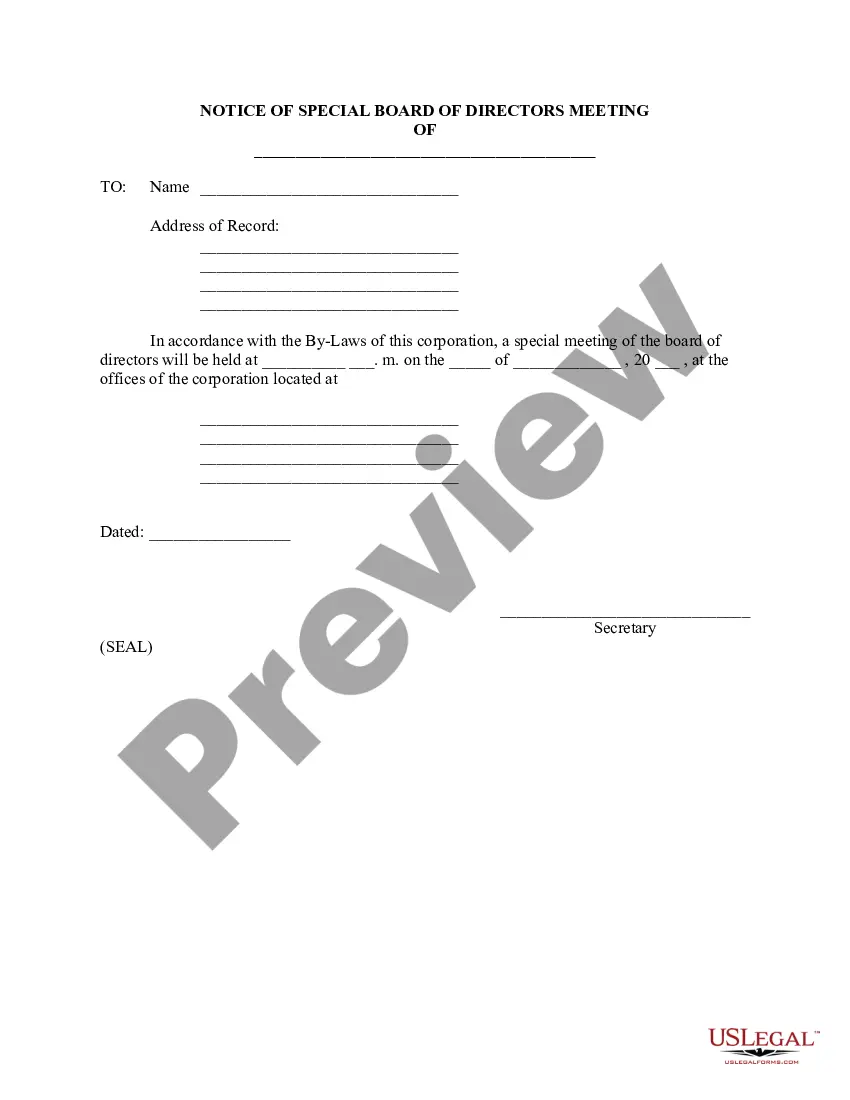
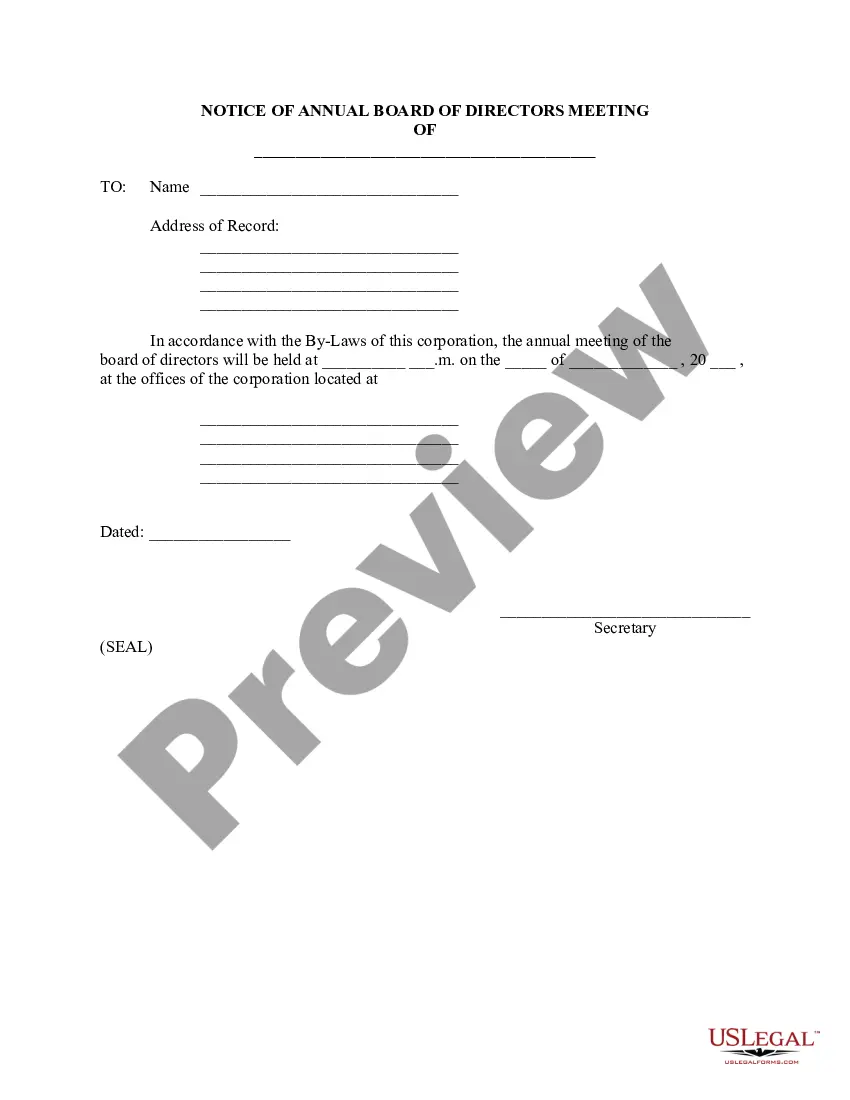
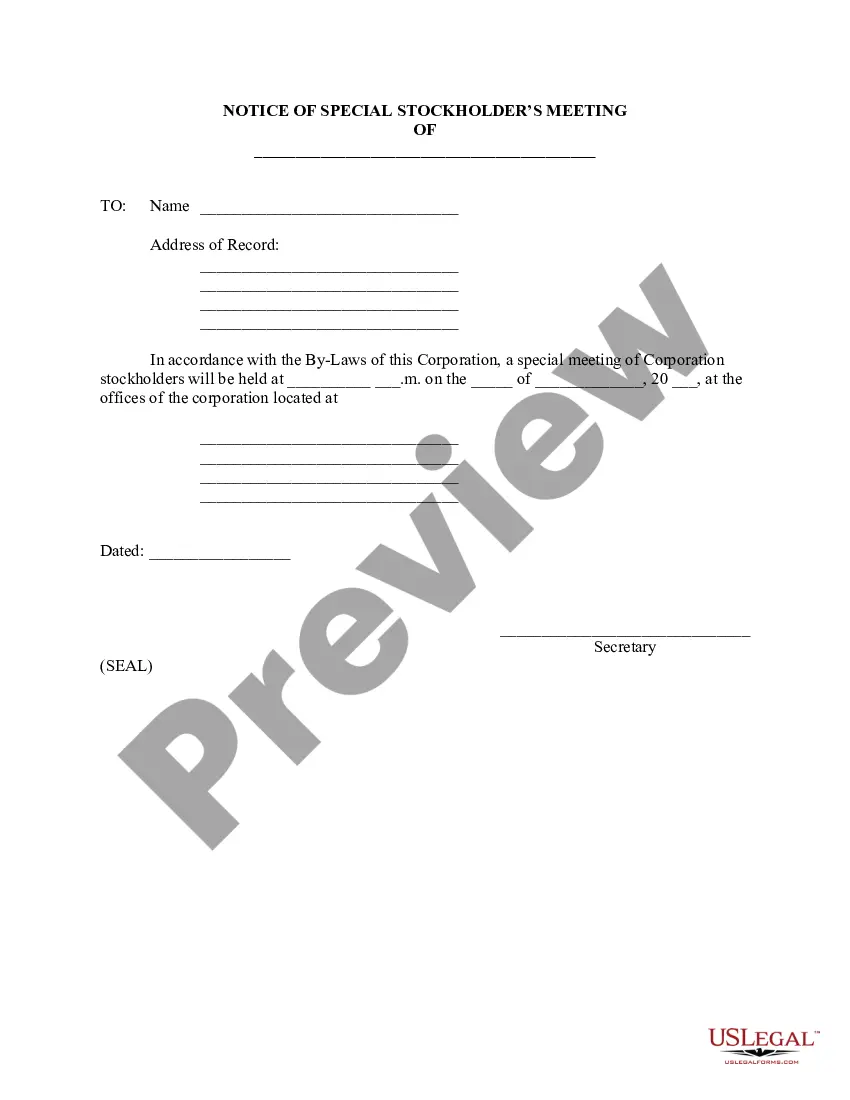
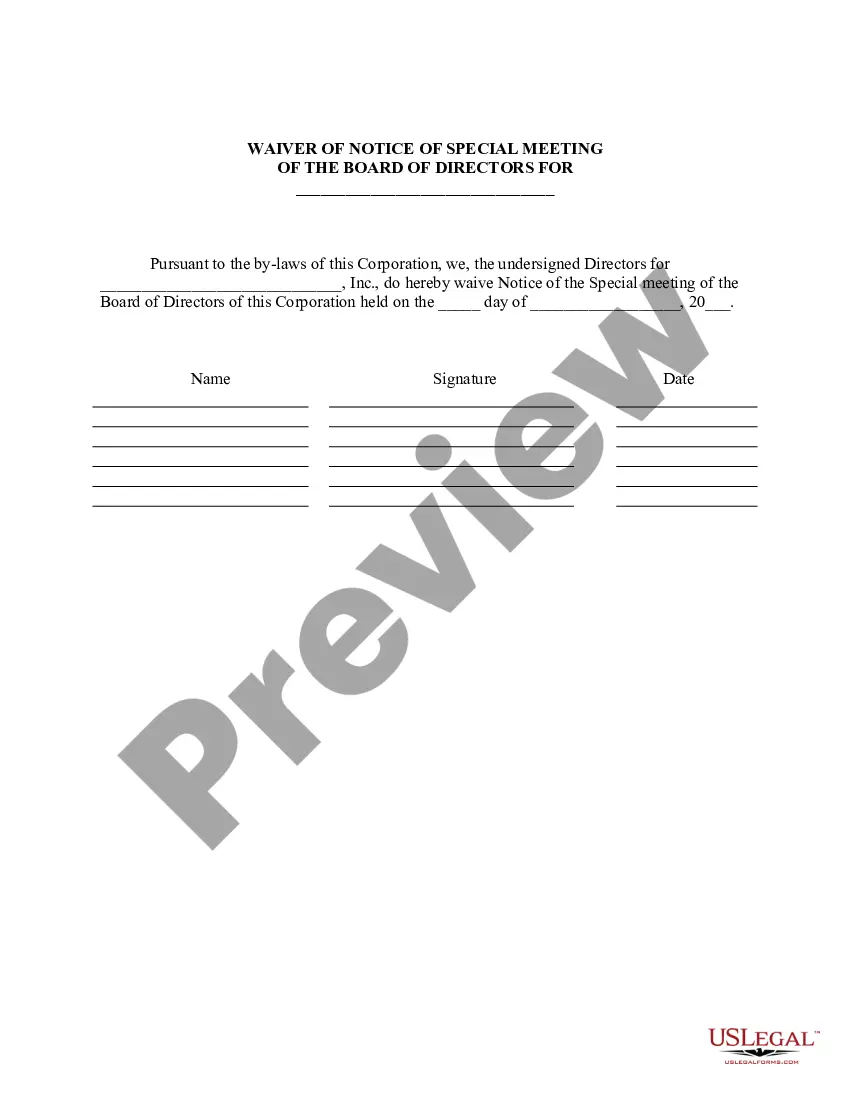
Meeting Notice For Staff In Maryland
Description
Get your form ready online
Our built-in tools help you complete, sign, share, and store your documents in one place.
Make edits, fill in missing information, and update formatting in US Legal Forms—just like you would in MS Word.
Download a copy, print it, send it by email, or mail it via USPS—whatever works best for your next step.
Sign and collect signatures with our SignNow integration. Send to multiple recipients, set reminders, and more. Go Premium to unlock E-Sign.
If this form requires notarization, complete it online through a secure video call—no need to meet a notary in person or wait for an appointment.
We protect your documents and personal data by following strict security and privacy standards.

Make edits, fill in missing information, and update formatting in US Legal Forms—just like you would in MS Word.

Download a copy, print it, send it by email, or mail it via USPS—whatever works best for your next step.

Sign and collect signatures with our SignNow integration. Send to multiple recipients, set reminders, and more. Go Premium to unlock E-Sign.

If this form requires notarization, complete it online through a secure video call—no need to meet a notary in person or wait for an appointment.

We protect your documents and personal data by following strict security and privacy standards.
Looking for another form?
Form popularity
FAQ
A quorum is the minimum number of members that must be 'present' before a meeting can start. A member of the committee is considered present if they attend in person or by electronic means if authorised to do so.
Annual shareholder meetings require a notice period of at least 21 days. The notice period can be shortened with the expressed consent of all shareholders. The notice should include all the basic meeting details and other important pieces of documentation, such as the meeting agenda.
An AGM (also known as an annual shareholder meeting) is a yearly meeting between shareholders and board members where they gather to: Discuss business matters. Review financial statements. Address resolutions.
A quorum is a majority of the public body's members unless the law applicable to that particular public body sets a different number.
Organizations often require two-thirds of the members to be present to establish a quorum. The organization's bylaws state a percentage needed to reach a quorum or the number of voting members. The percentage can be anything the voting members decide on as long as it is a majority of the members.
The quorum for a board meeting must be 1/3rd of the total number of directors or 2 directors whichever is the higher number. Therefore in case, there are only three directors in a company, then at least two must be present even though 1/3rd would entail that only one director needs to be present.
The notice for an annual meeting must state the time of the meeting, the place of the meeting, if any, and the means of remote communication, if any, by which stockholders and proxy holders may be deemed to be present and entitled to vote at the meeting. Quorum and Presence at the Meeting.
This provision establishes that, although the Maryland Sunshine Law is the touchstone by which public bodies are to conduct their meetings, the statute is not exclusive in its application. The statute only outlines the minimum requirements for conducting open meetings. . . .
When the Open Meetings Act applies, what does it require the public body to do? The Act requires the public body to give “reasonable advance notice” of its meetings, to make an agenda available in advance except in cases of emergency, to hold its meetings openly, to adopt minutes, and to retain them for 5 years.
In Maryland, no one ever has to abandon a newborn baby. Under the Safe Haven law, a distressed parent who is unable or unwilling to care for their infant can safely give up custody of their baby, no questions asked. Newborns can be left at hospitals or law enforcement stations, some of which are listed below.