Director Meeting Vs Shareholder Meeting In Kings
Description
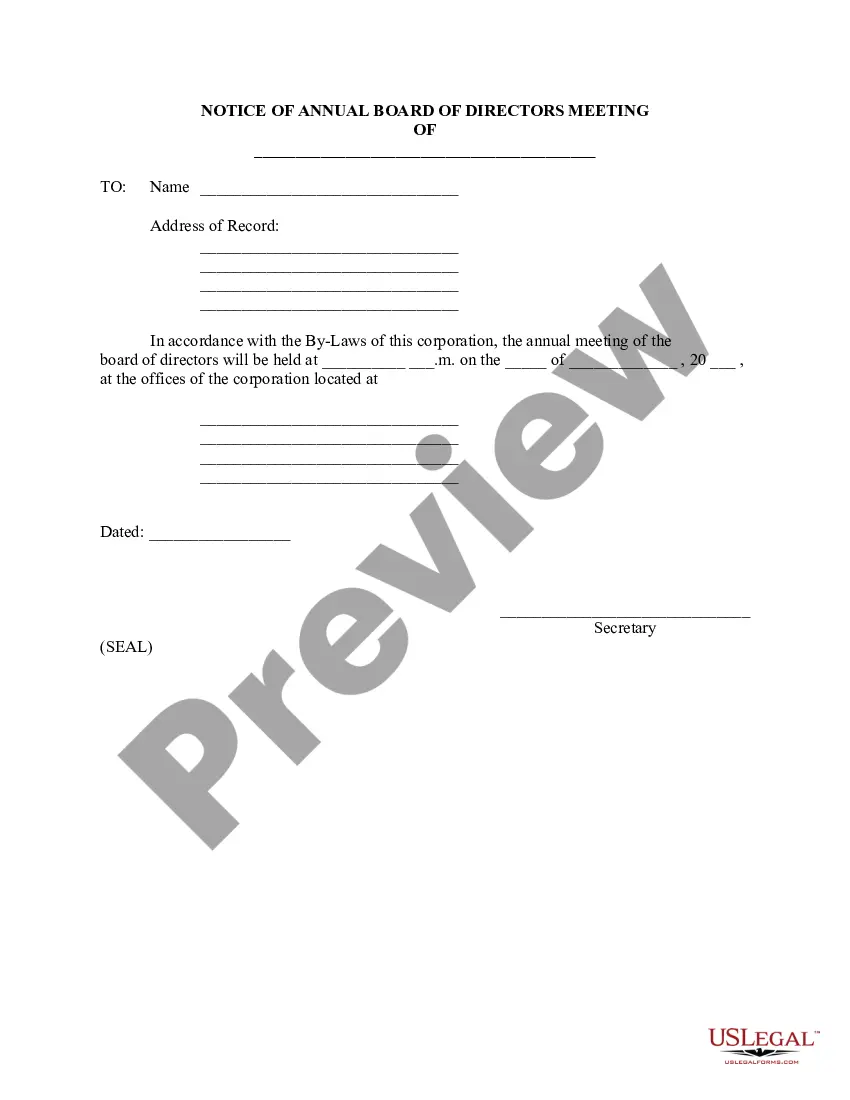
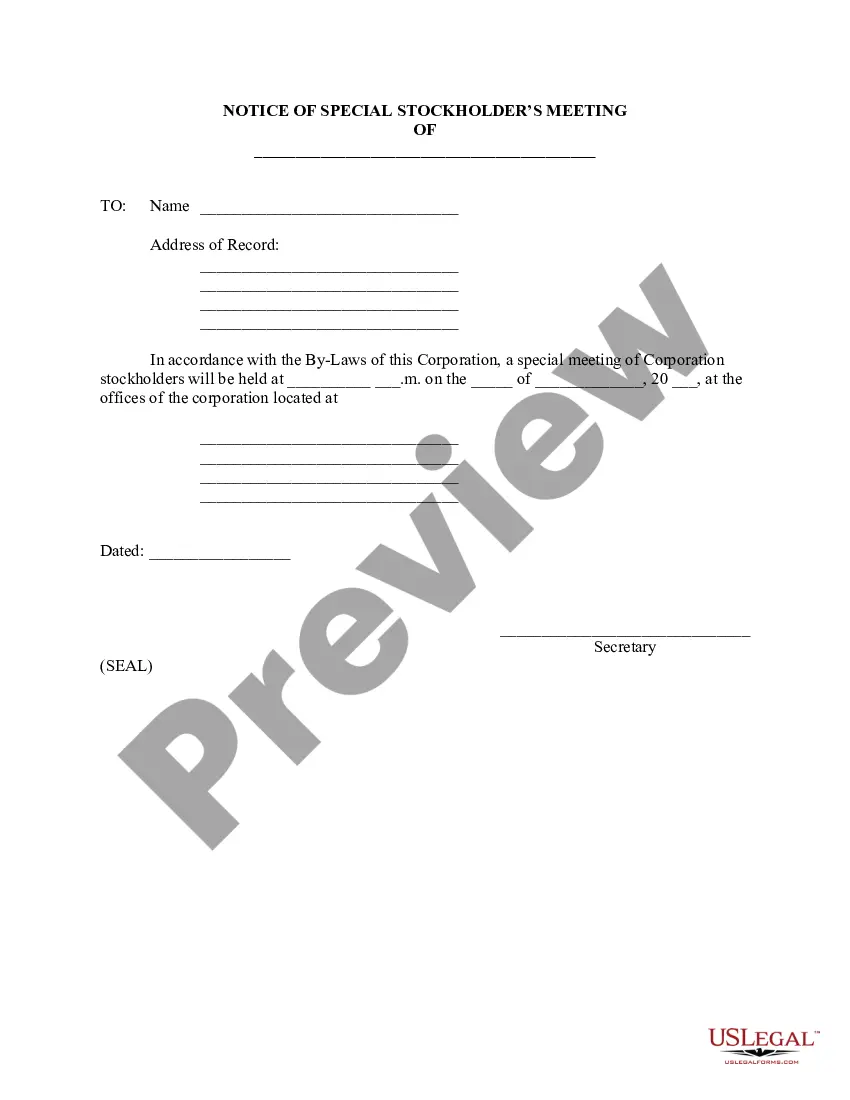
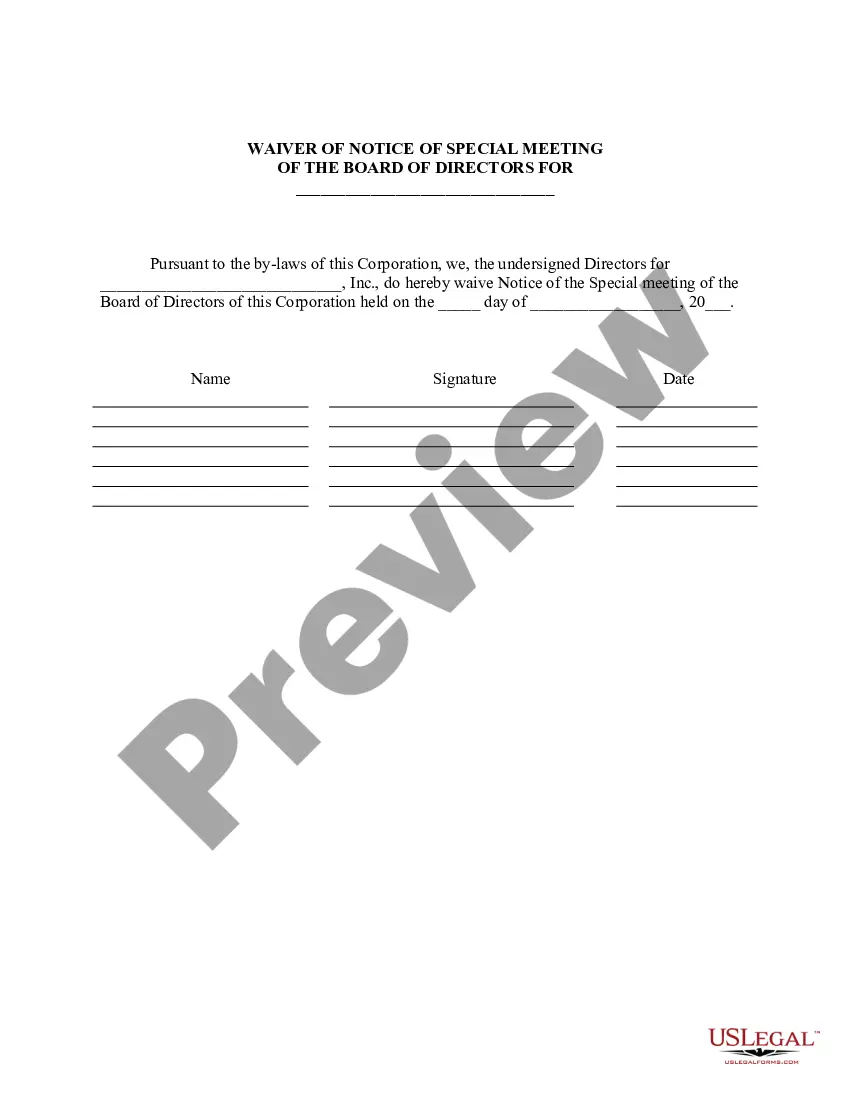
Get your form ready online
Our built-in tools help you complete, sign, share, and store your documents in one place.
Make edits, fill in missing information, and update formatting in US Legal Forms—just like you would in MS Word.
Download a copy, print it, send it by email, or mail it via USPS—whatever works best for your next step.
Sign and collect signatures with our SignNow integration. Send to multiple recipients, set reminders, and more. Go Premium to unlock E-Sign.
If this form requires notarization, complete it online through a secure video call—no need to meet a notary in person or wait for an appointment.
We protect your documents and personal data by following strict security and privacy standards.

Make edits, fill in missing information, and update formatting in US Legal Forms—just like you would in MS Word.

Download a copy, print it, send it by email, or mail it via USPS—whatever works best for your next step.

Sign and collect signatures with our SignNow integration. Send to multiple recipients, set reminders, and more. Go Premium to unlock E-Sign.

If this form requires notarization, complete it online through a secure video call—no need to meet a notary in person or wait for an appointment.

We protect your documents and personal data by following strict security and privacy standards.
Looking for another form?
Form popularity
FAQ
12. What are the different types of shareholders' meetings? Annual general meeting – which are annual shareholders' meeting held at least once a year and extraordinary general meeting – all other shareholders' meetings of the company.
Shareholder power depends on the level of ownership As such, a shareholder with only 10% of the voting rights and no influence over other shareholders would in practice have much less power over the company than its board of directors.
A company organizes a general meeting of shareholders to debate and resolve important business matters. Here are some key facts about general meetings. The general meeting is essential to a company's governance. It is the most important corporate event of the year for shareholders.
Shareholders own the company by buying and holding its shares, acting as the company's financial supporters. Directors are responsible for day-to-day management of the business and its operations. Being a shareholder does not automatically confer the right to have a say in how that company is run on a day-to-day basis.
While shareholders' meetings represent ownership, board meetings embody the company's leadership. The board of directors, acting as a bridge between management and shareholders, is responsible for making strategic decisions, overseeing management, and safeguarding the company's long-term interests.
While shareholders' meetings represent ownership, board meetings embody the company's leadership. The board of directors, acting as a bridge between management and shareholders, is responsible for making strategic decisions, overseeing management, and safeguarding the company's long-term interests.
Shareholders and directors have two completely different roles in a company. The shareholders (also called members) own the company by owning its shares and the directors manage it. Unless the articles say so (and most do not) a director does not need to be a shareholder and a shareholder has no right to be a director.
While shareholders' meetings represent ownership, board meetings embody the company's leadership. The board of directors, acting as a bridge between management and shareholders, is responsible for making strategic decisions, overseeing management, and safeguarding the company's long-term interests.
This delegation enables directors to manage day-to-day affairs, although shareholders hold ultimate control and can remove directors if necessary. While directors manage the company, shareholders' powers are generally limited to major decisions, without directly interfering in management.
As such, although directors are legally not allowed to give preferential treatment to some shareholders over others, in practice a majority shareholder can have a great deal of influence over the company and the decisions taken by its directors.