Release With Prejudice Without A Trial In Tarrant
Description

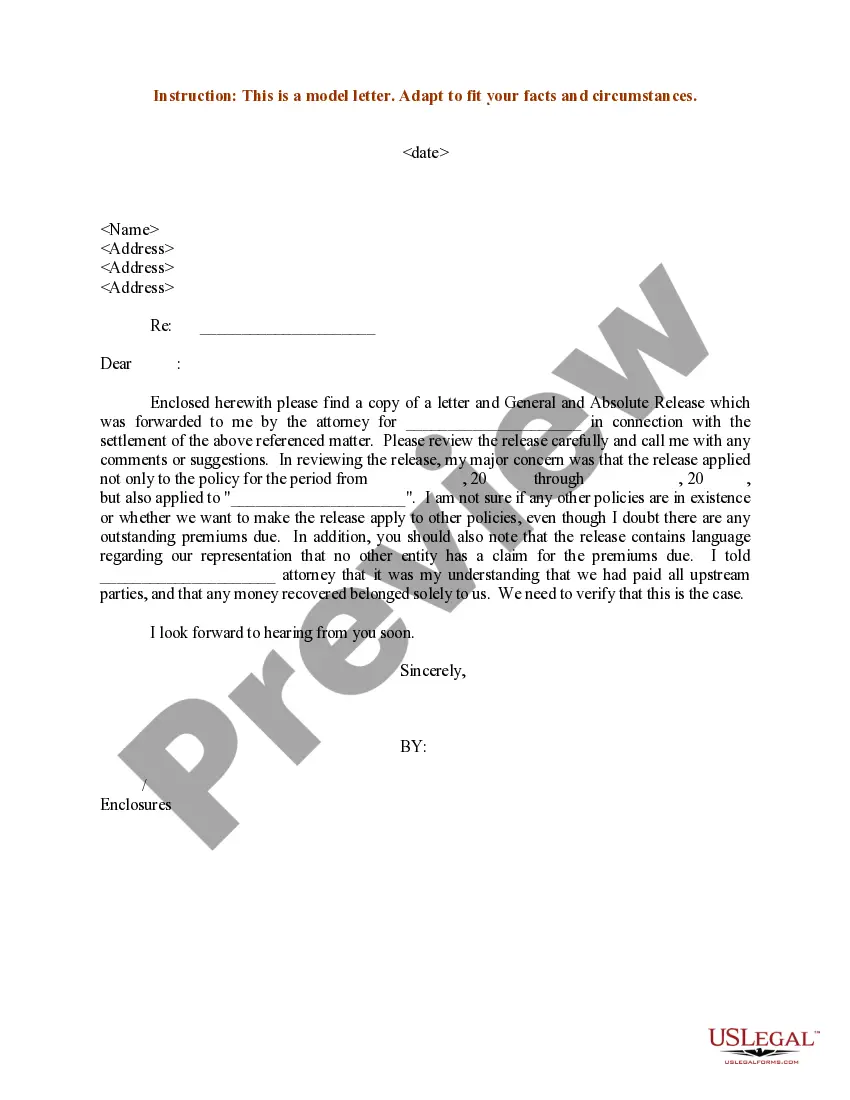
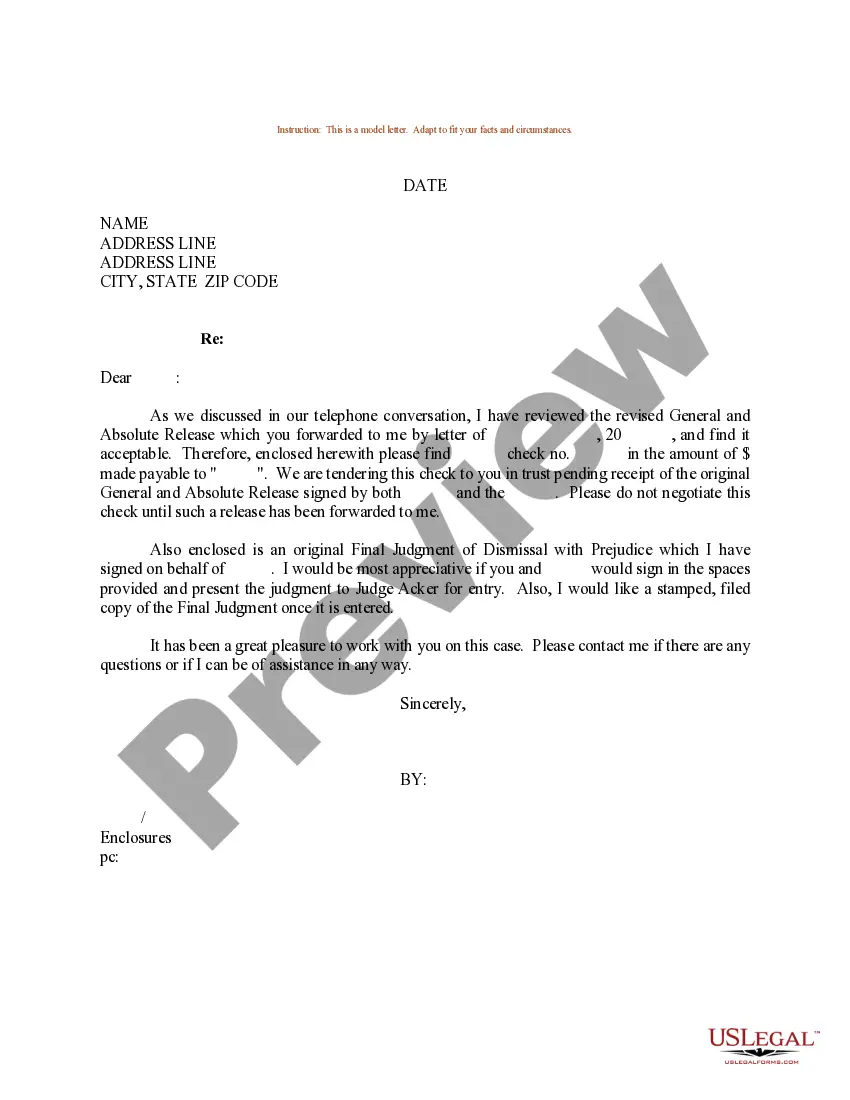
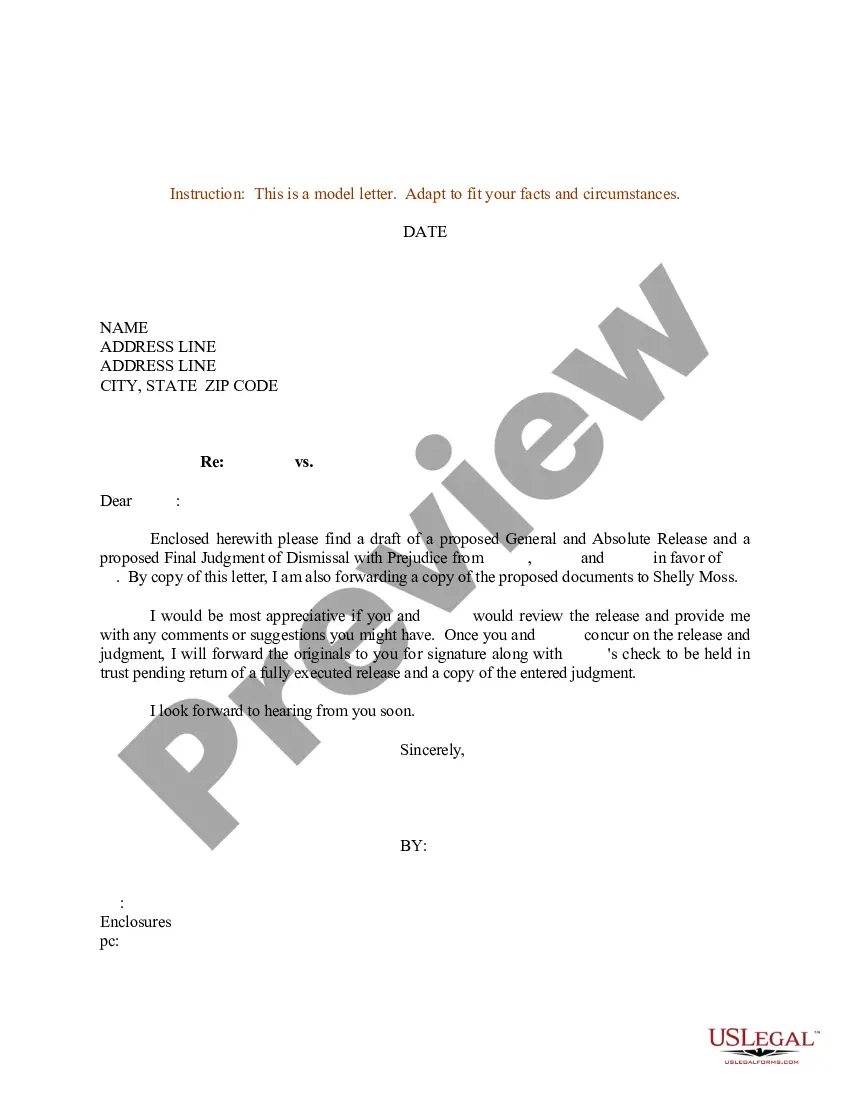
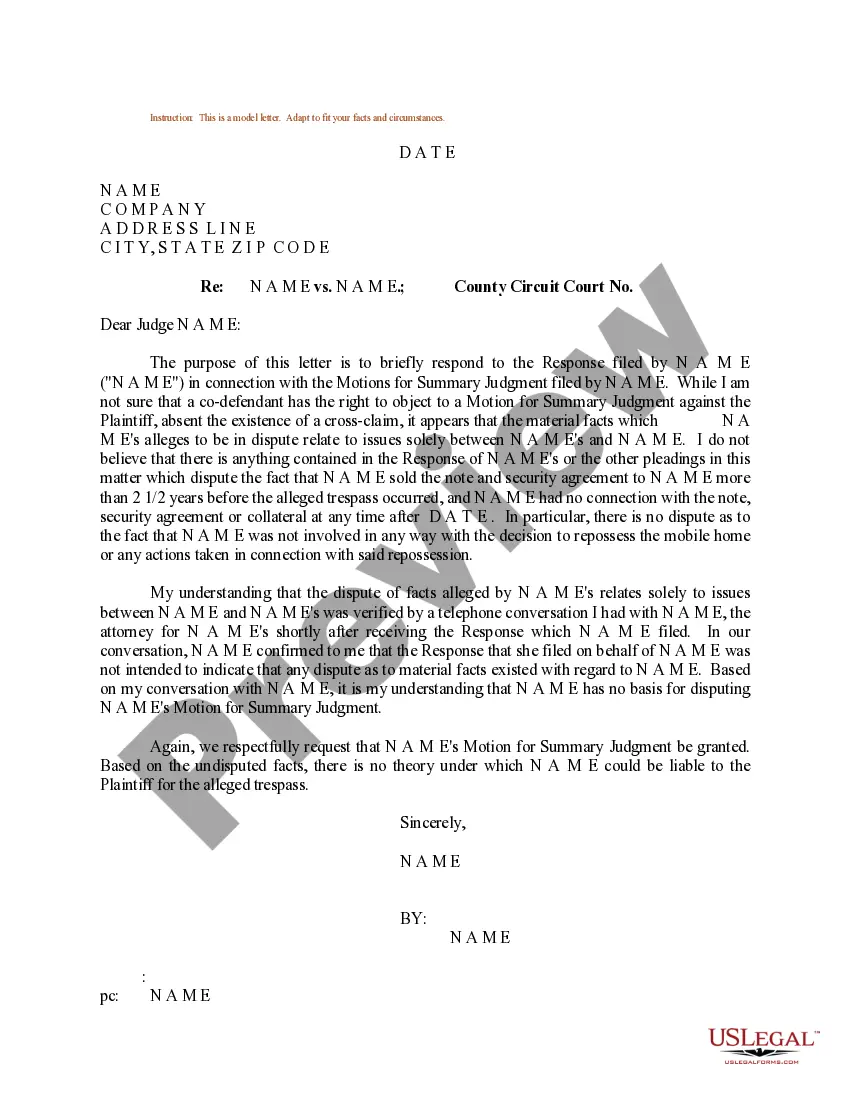
Get your form ready online
Our built-in tools help you complete, sign, share, and store your documents in one place.
Make edits, fill in missing information, and update formatting in US Legal Forms—just like you would in MS Word.
Download a copy, print it, send it by email, or mail it via USPS—whatever works best for your next step.
Sign and collect signatures with our SignNow integration. Send to multiple recipients, set reminders, and more. Go Premium to unlock E-Sign.
If this form requires notarization, complete it online through a secure video call—no need to meet a notary in person or wait for an appointment.
We protect your documents and personal data by following strict security and privacy standards.

Make edits, fill in missing information, and update formatting in US Legal Forms—just like you would in MS Word.

Download a copy, print it, send it by email, or mail it via USPS—whatever works best for your next step.

Sign and collect signatures with our SignNow integration. Send to multiple recipients, set reminders, and more. Go Premium to unlock E-Sign.

If this form requires notarization, complete it online through a secure video call—no need to meet a notary in person or wait for an appointment.

We protect your documents and personal data by following strict security and privacy standards.
Looking for another form?







Form popularity
FAQ
In Texas, civil statute of limitations laws are anywhere from one to five years, depending on the severity of the claim.
A case may be dismissed for want of prosecution on failure of any party seeking affirmative relief or his attorney to appear for any hearing or trial of which he had notice, or on failure of such party or his attorney to request a hearing, or take some other action specified by the court, within fifteen days after the ...
That bright line or “two-dismissal” rule is: “If a plaintiff has once dismissed an action, a dismissal by notice of a second action based on or including the same claim, amounts to an adjudication on the merits. As such, the second dismissal effectively creates a res judicata bar to a third action.” Campbell at 6.
A motion to reopen evidence can be pivotal in Texas family law cases. This motion allows a party to present additional evidence after the trial has concluded but before the final ruling. This is available for both divorce and child custody cases.
Dismissal With Prejudice: This is a final judgment that prevents the plaintiff from bringing the same claim or cause of action against the same defendant in the future. It effectively closes the matter permanently.
In Texas, dismissed cases are typically still part of your criminal record, but they may be eligible for expunction or nondisclosure in certain circumstances. Expunction completely removes the record of the case, as if it never happened, while nondisclosure limits access to the record by most employers and the public.
If a case is “reinstated” it is reopened after being dismissed. If your case was dismissed for want of prosecution, you can ask the judge to reopen your case by filing a Motion to Reinstate Case on Docket and Notice of Hearing (if you file by the deadline discussed below.) See Texas Rule of Civil Procedure 165(a)(4).
The first step in filing a motion for a new trial is to identify the specific grounds on which the motion will be based. As discussed earlier, these grounds can include legal errors, newly discovered evidence, procedural violations, or jury misconduct.
In sum, a dismissal with prejudice means that a judge's order is the final judgment in the case, and the prosecutor cannot refile charges. In a dismissal without prejudice, the prosecutor can, in the future, either refile the charges or file new charges based on the same alleged criminal incident.
Rule 162. Dismissal or Non-suit (1988) At any time before the plaintiff has introduced all of his evidence other than rebuttal evidence, the plaintiff may dismiss a case, or take a non-suit which shall be entered in the minutes.

