Release Letter Sample With Subject Line In Dallas
Description

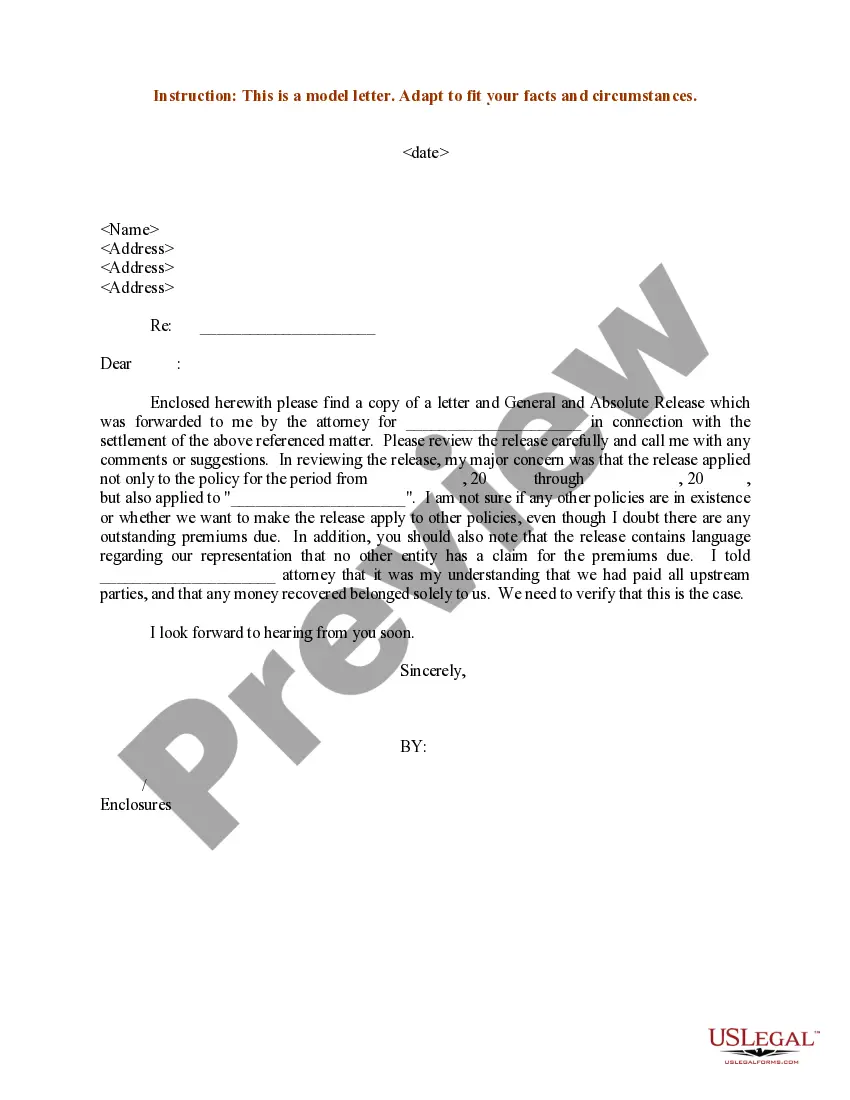
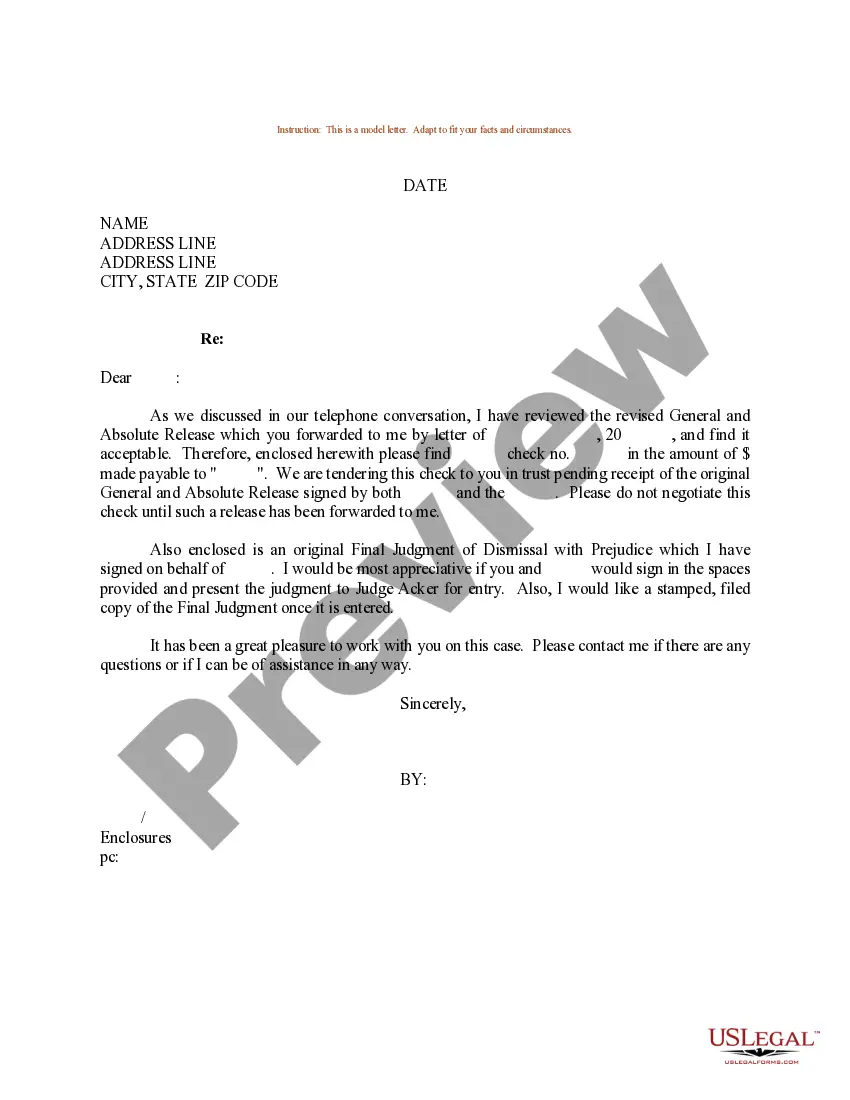
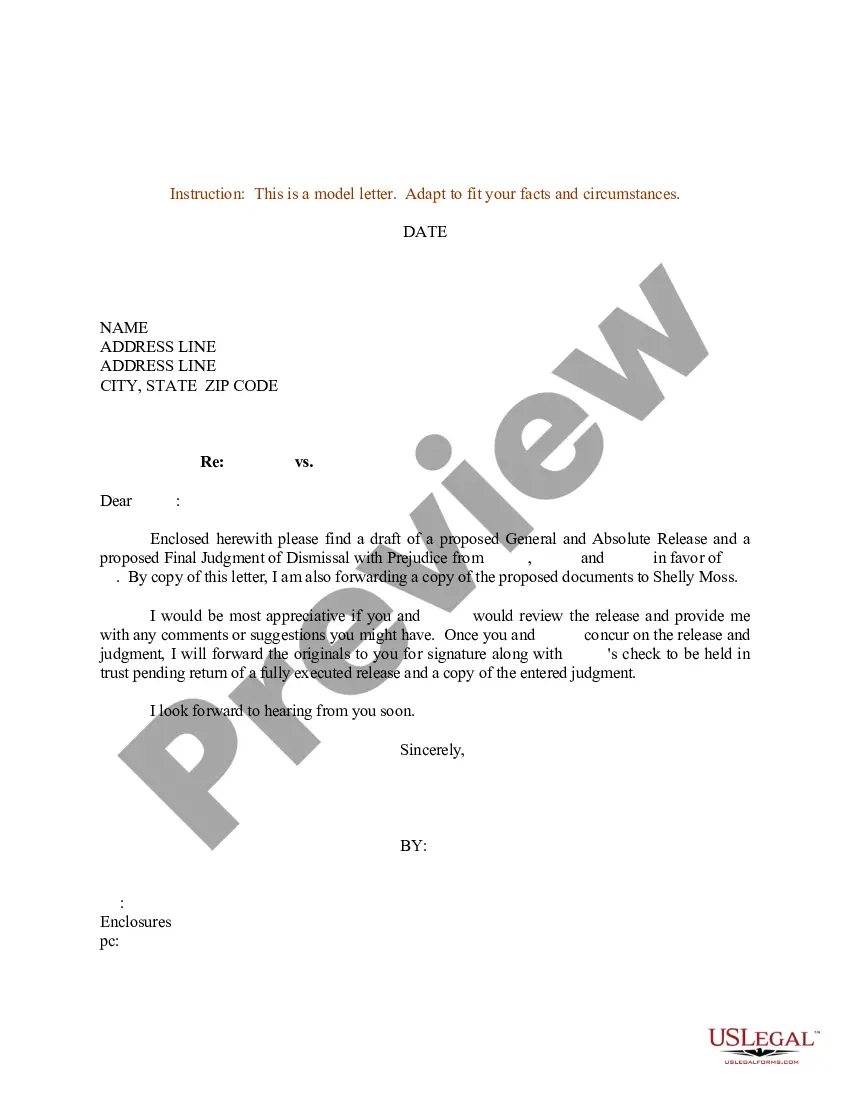
Get your form ready online
Our built-in tools help you complete, sign, share, and store your documents in one place.
Make edits, fill in missing information, and update formatting in US Legal Forms—just like you would in MS Word.
Download a copy, print it, send it by email, or mail it via USPS—whatever works best for your next step.
Sign and collect signatures with our SignNow integration. Send to multiple recipients, set reminders, and more. Go Premium to unlock E-Sign.
If this form requires notarization, complete it online through a secure video call—no need to meet a notary in person or wait for an appointment.
We protect your documents and personal data by following strict security and privacy standards.

Make edits, fill in missing information, and update formatting in US Legal Forms—just like you would in MS Word.

Download a copy, print it, send it by email, or mail it via USPS—whatever works best for your next step.

Sign and collect signatures with our SignNow integration. Send to multiple recipients, set reminders, and more. Go Premium to unlock E-Sign.

If this form requires notarization, complete it online through a secure video call—no need to meet a notary in person or wait for an appointment.

We protect your documents and personal data by following strict security and privacy standards.
Looking for another form?







Form popularity
FAQ
Here are the best practices for writing subject lines to get your emails opened, read and acted upon. 1.1 Be direct and relevant. 1.2 Use action words. 1.3 Personalisation matters. 1.4 Don't overdo the urgency. 1.5 Avoid unnecessary jargon or spam triggers. 1.6 Be clear about the purpose. 1.7 Test and optimize.
Subject Line in a Business Letter Use "Subject:" or "Re:" Type the subject in bold letters. Type the subject in capital letters.
Crafting a project release email? Start with a subject line that gets straight to the point. Think “Deployment Notification” or “Product Feature Update.” This gives everyone a heads-up on what to expect. Follow a clear project plan in your email.
Here are a few examples of newsletter email subject lines: “Stay in the know: Our monthly newsletter is here!” “5 must-read articles for this week” “New product announcement: Be the first to know”
Rule #1: Keep It Short. A typical inbox reveals about 60 characters of an email's subject line. For several years, the common rule of thumb has been to make sure your email subject line is 50 characters or fewer. However, mobile phones usually show just 25 to 30 characters of an email subject line.
Here are the best practices for writing subject lines to get your emails opened, read and acted upon. 1.1 Be direct and relevant. 1.2 Use action words. 1.3 Personalisation matters. 1.4 Don't overdo the urgency. 1.5 Avoid unnecessary jargon or spam triggers. 1.6 Be clear about the purpose. 1.7 Test and optimize.
Your subject line should mention the word 'resignation' and your name to ensure the message doesn't get lost in the inbox clutter.
Keep it concise and compelling Make sure you remember to keep your subject line concise to avoid it getting cut off in the inbox. Your subject line should be able to convey urgency, excitement, intrigue, feelings of welcomeness, or whatever the goal of your email message is in a few short words.

