Consumer Investigative Release With Example In Wake
Description
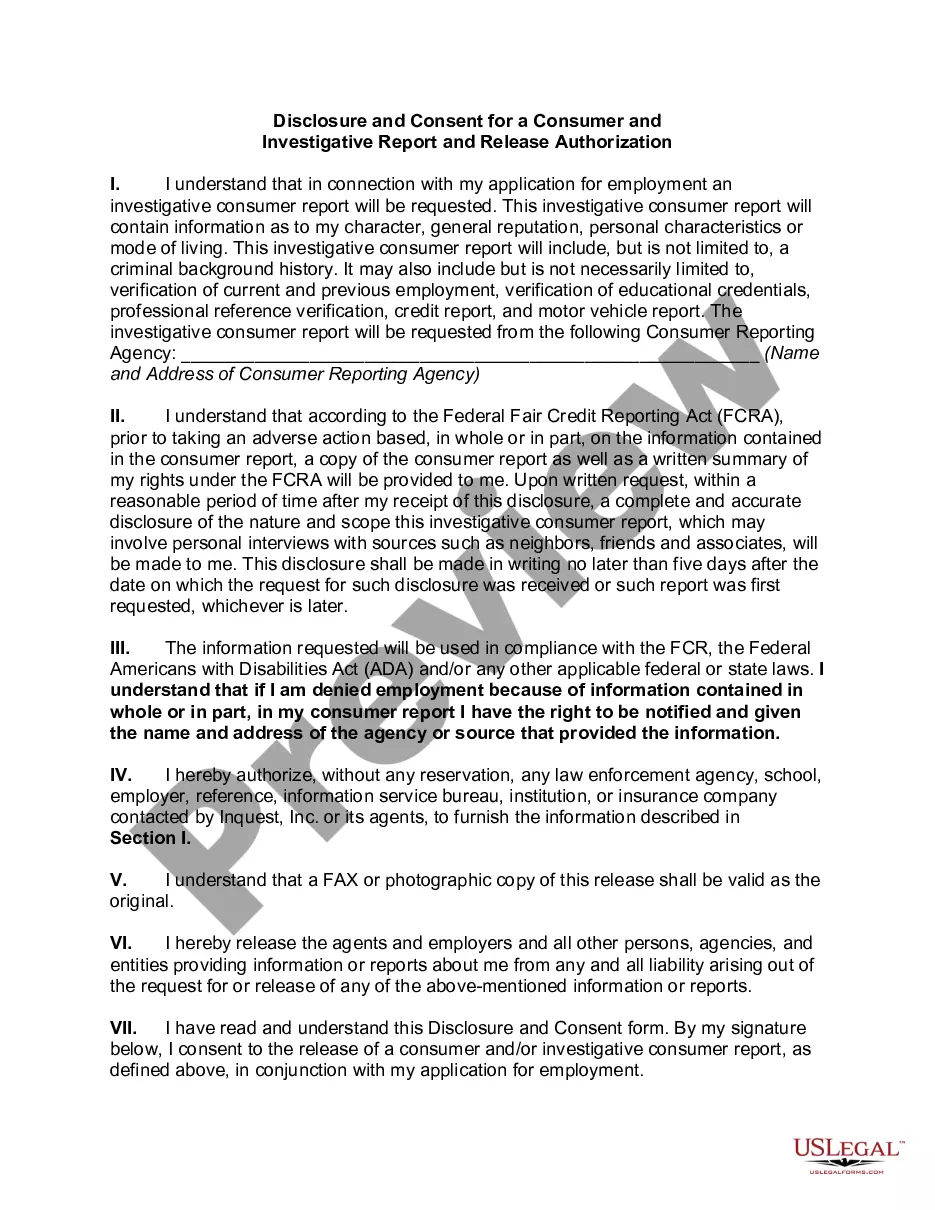
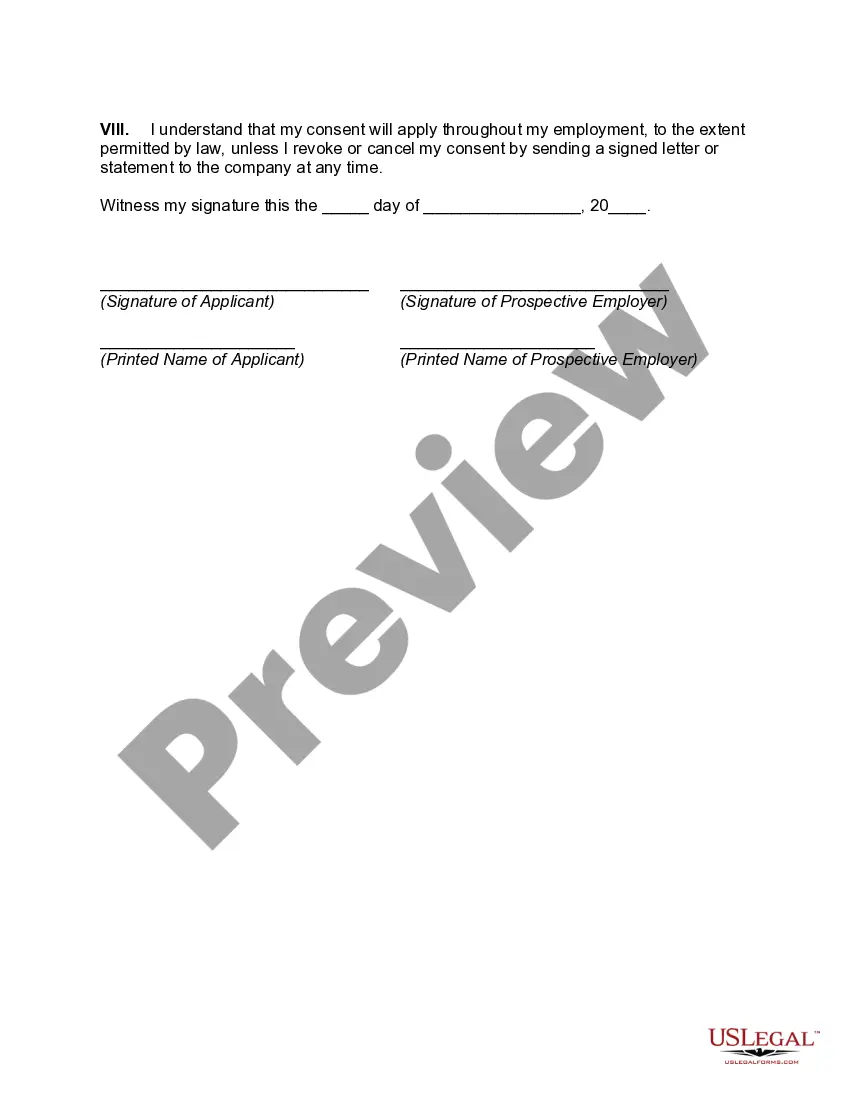
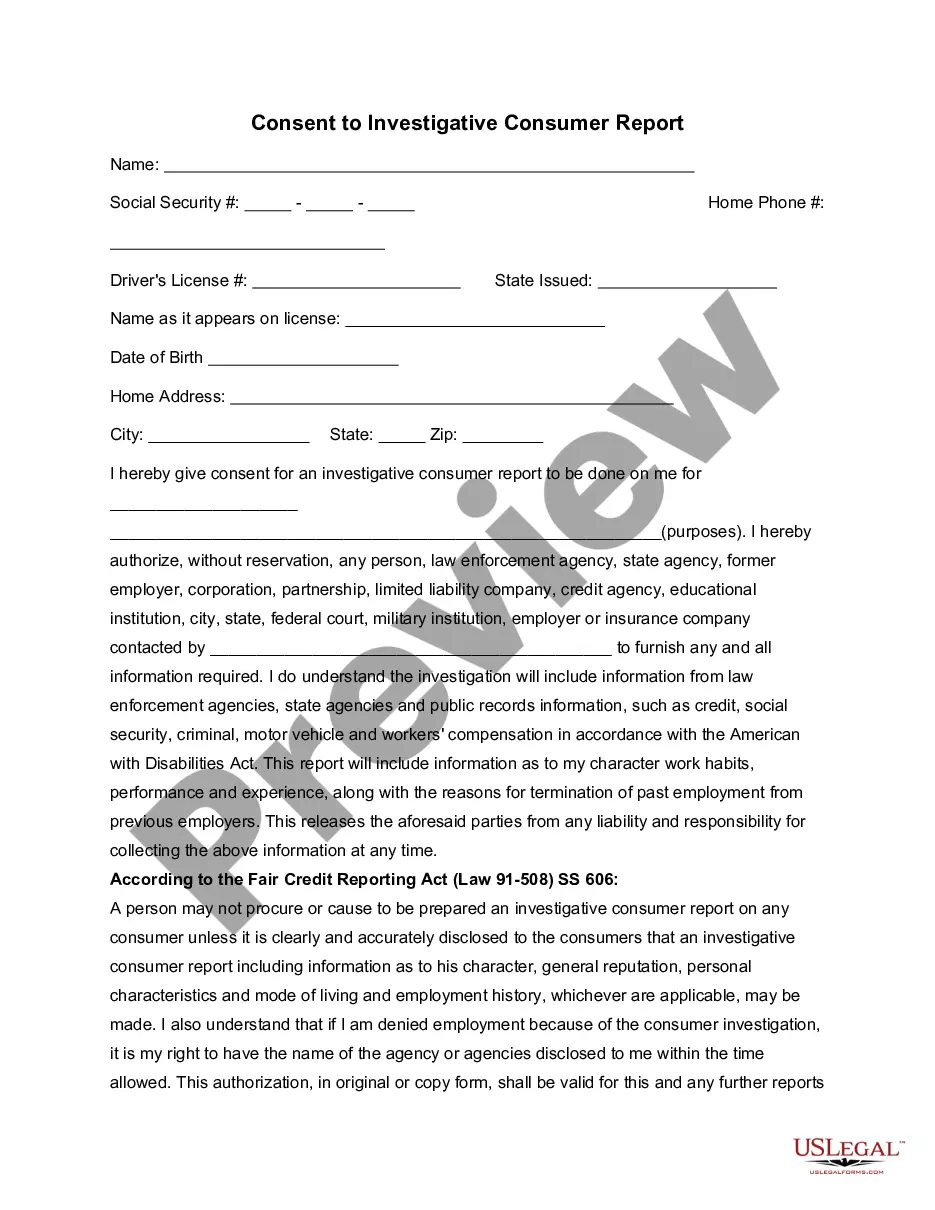
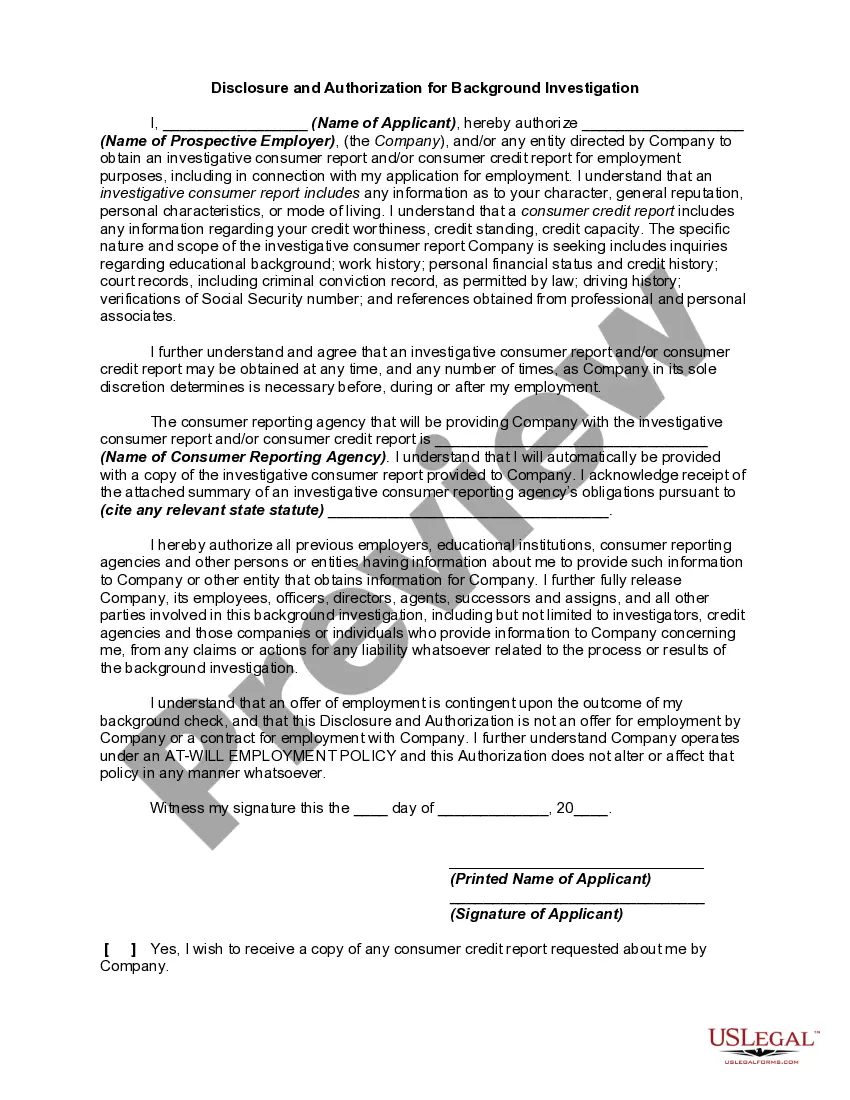
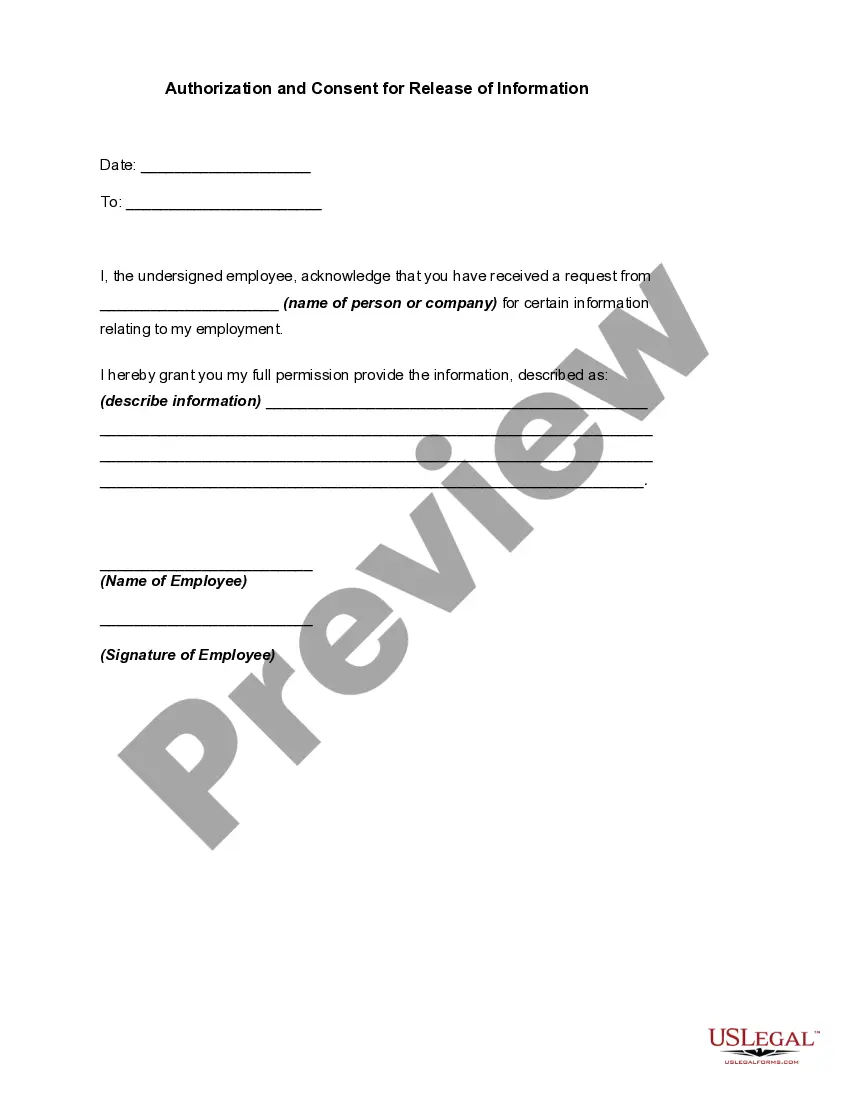
Get your form ready online
Our built-in tools help you complete, sign, share, and store your documents in one place.
Make edits, fill in missing information, and update formatting in US Legal Forms—just like you would in MS Word.
Download a copy, print it, send it by email, or mail it via USPS—whatever works best for your next step.
Sign and collect signatures with our SignNow integration. Send to multiple recipients, set reminders, and more. Go Premium to unlock E-Sign.
If this form requires notarization, complete it online through a secure video call—no need to meet a notary in person or wait for an appointment.
We protect your documents and personal data by following strict security and privacy standards.

Make edits, fill in missing information, and update formatting in US Legal Forms—just like you would in MS Word.

Download a copy, print it, send it by email, or mail it via USPS—whatever works best for your next step.

Sign and collect signatures with our SignNow integration. Send to multiple recipients, set reminders, and more. Go Premium to unlock E-Sign.

If this form requires notarization, complete it online through a secure video call—no need to meet a notary in person or wait for an appointment.

We protect your documents and personal data by following strict security and privacy standards.
Looking for another form?








Form popularity
FAQ
Use this four-step system to deliver excellent customer service: Listen. Let the customer voice their complaint without interruption. Acknowledge. Say you understand and are sorry for the situation. Solve. Offer the dissatisfied customer real solutions, telling them what you CAN do for them. Thank.
The first step in resolving a consumer problem is to contact the business that sold the product or performed the service. A letter to the manager can be the most effective method. The letter should clearly outline the product purchased, explain the problem and state the resolution you're seeking.
The first thing you should do when filing a consumer complaint is to complain directly to the company. If that doesn't work, you can complain to a consumer protection agency. Filing a lawsuit should be a last resort.
Before you make a complaint, gather any documentation about the sale of the product or service first. These documents can include: Sales receipts. Warranties.
Your complaint goes through several steps that help you get a response and help us identify problems in the marketplace. Complaint submitted. You submit a complaint, or another government agency forwards your complaint to us. Route. Company response. Complaint published. Consumer review.
The FTC's Bureau of Consumer Protection stops unfair, deceptive and fraudulent business practices by collecting reports from consumers and conducting investigations, suing companies and people that break the law, developing rules to maintain a fair marketplace, and educating consumers and businesses about their rights ...
If you have a consumer complaint or question for the Board, you can call 1-800-697-1220, visit , or write: New York State Consumer Protection Board, 5 Empire State Plaza, Suite 2101, Albany, New York 12223.
We believe that teaching the 5 Steps to Effectively Handling Customer Complaints – Acknowledge, Apologize, Take Action, Thank and Document– to every employee at Zingerman's, from the moment they start in the organization, empowers and equips them with the tools they need to walk into any complaint situation and handle ...
The FTC does clarify that obtaining information from a former employer beyond “fact-checking” could constitute an interview and be considered an Investigative Consumer Report. This could include, but is not limited to, asking a candidate's former employer about: Discipline actions against the candidate.
In consumer protection investigations, governmental agencies such as state Attorneys General and the Federal Trade Commission investigate business practices to identify civil or criminal violations of consumer protection laws.
