Consumer Investigative Release With Case Laws In Virginia
Description
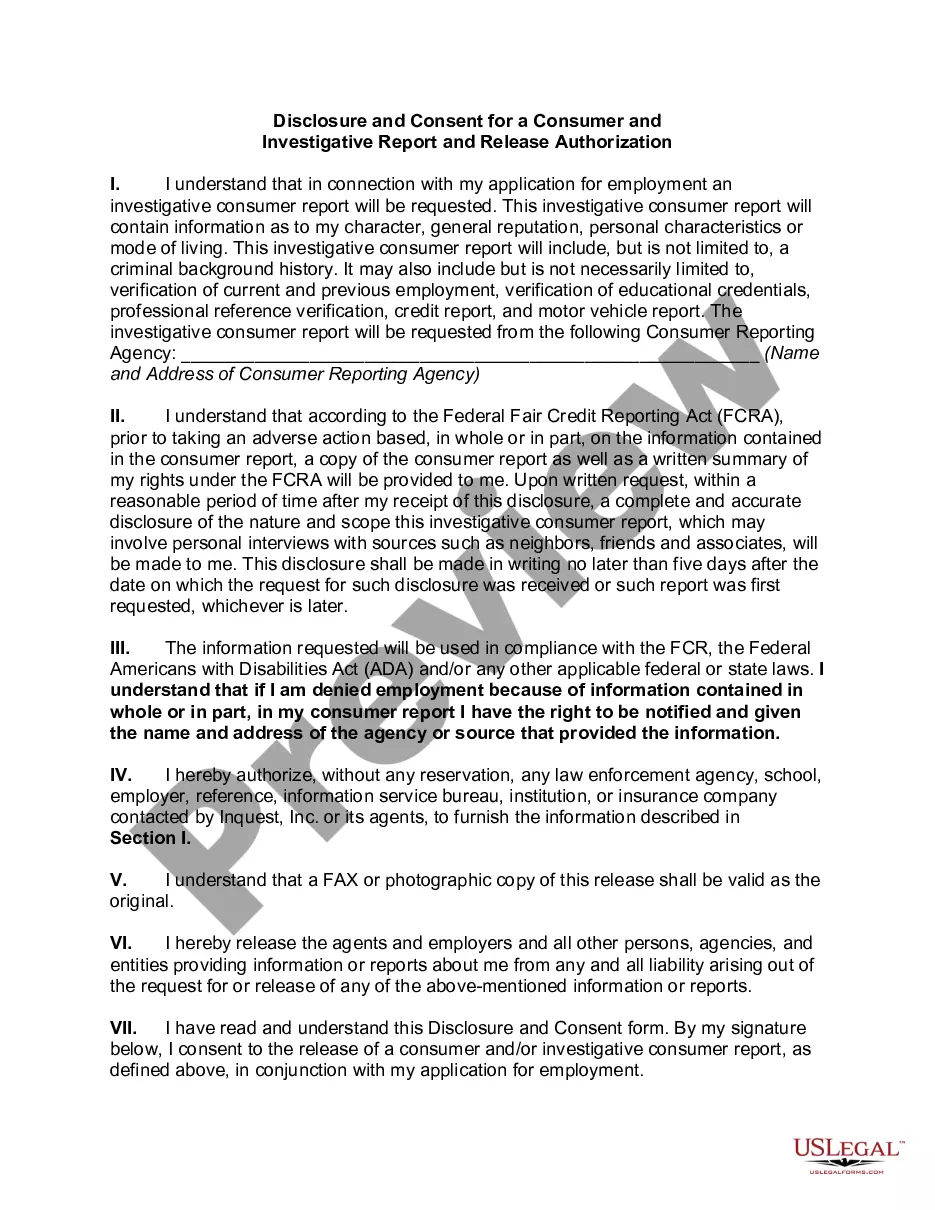
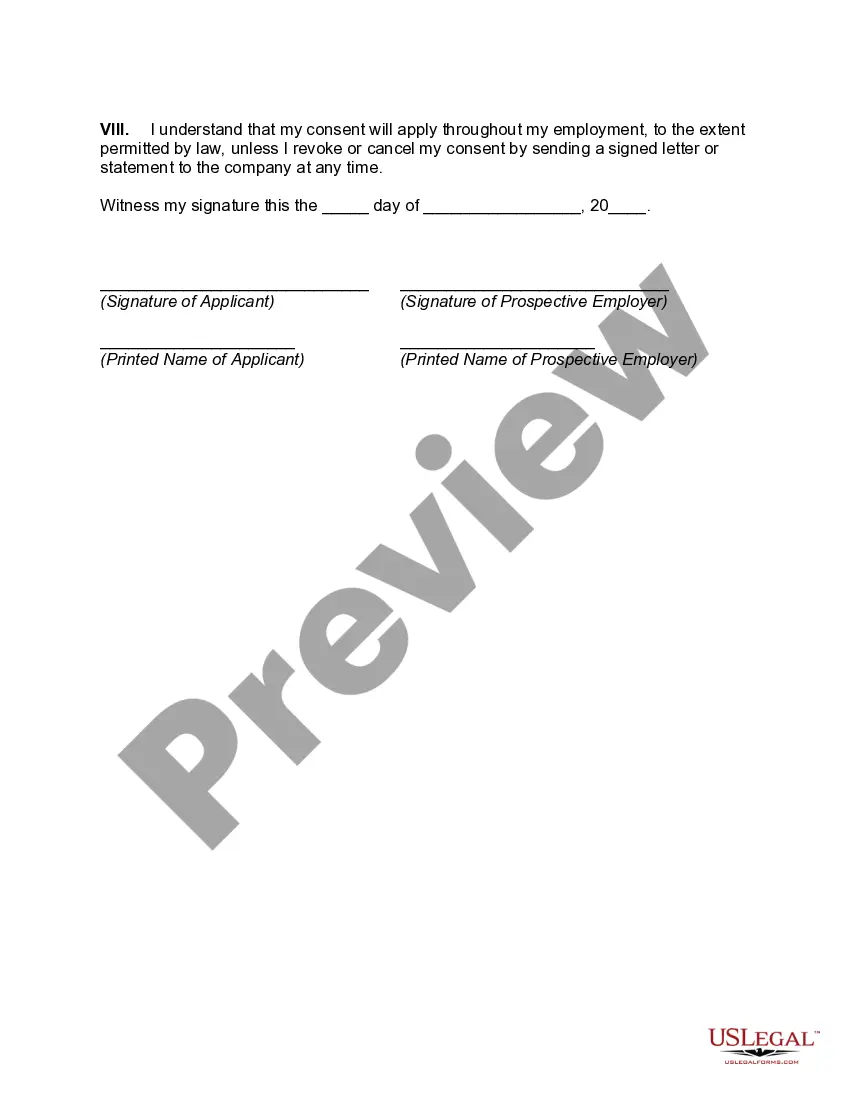
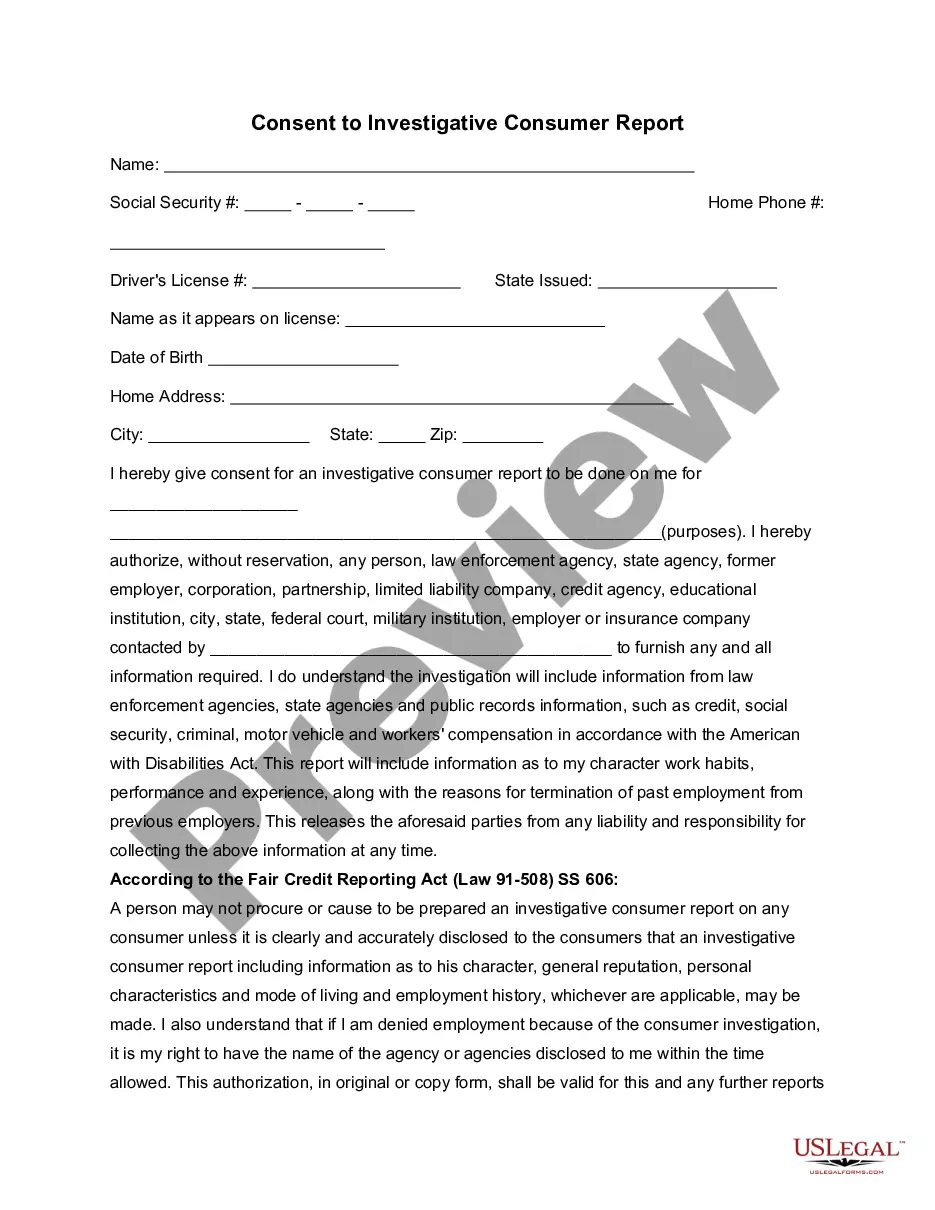
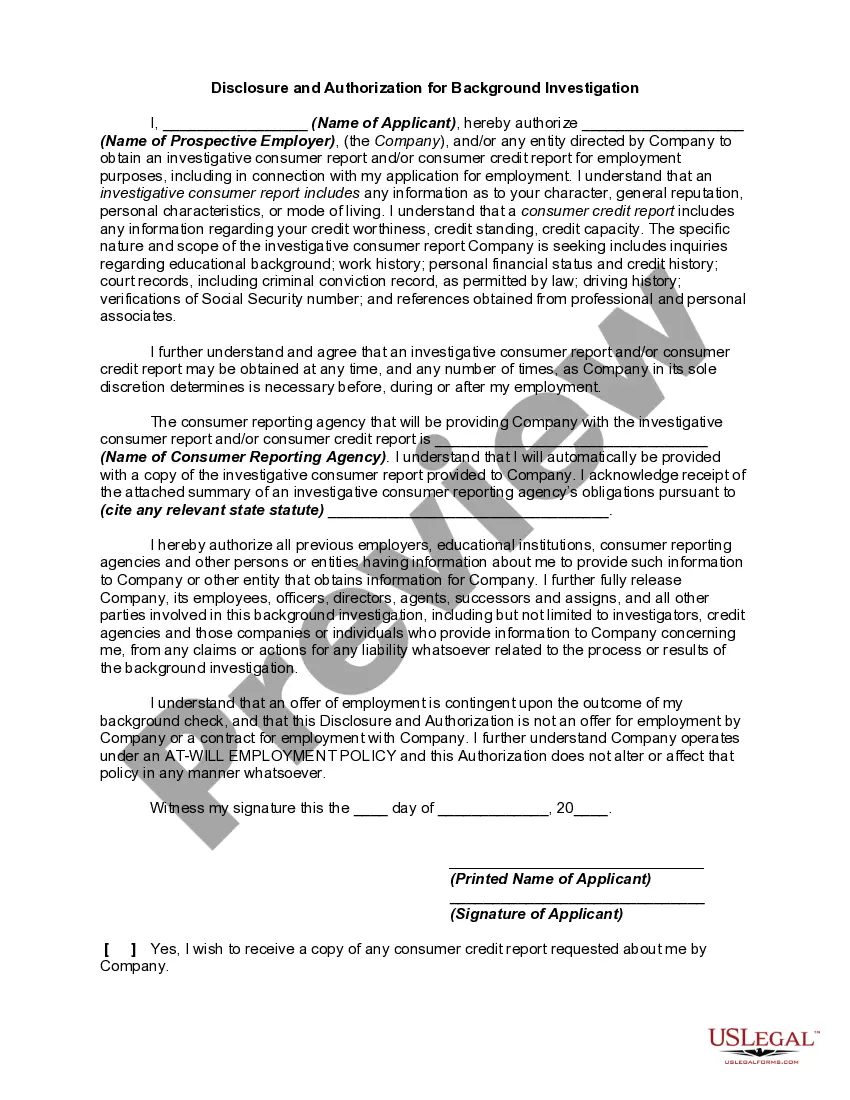
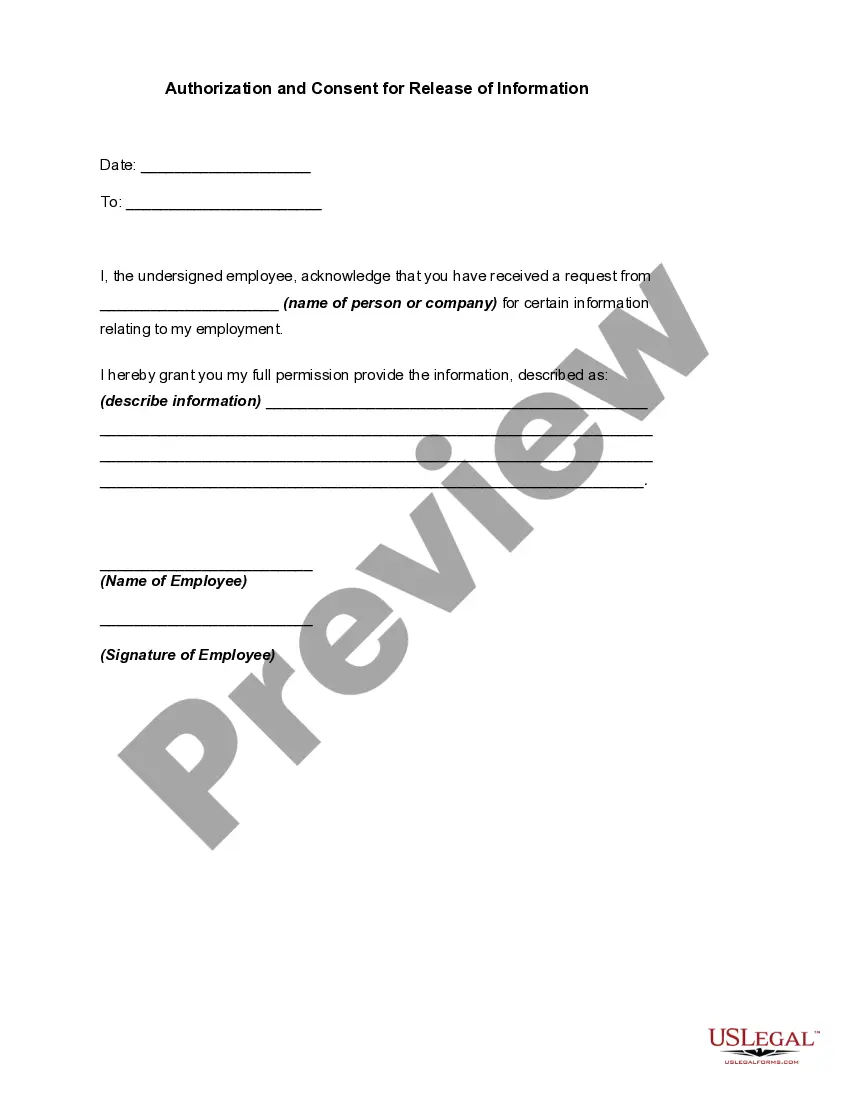
Get your form ready online
Our built-in tools help you complete, sign, share, and store your documents in one place.
Make edits, fill in missing information, and update formatting in US Legal Forms—just like you would in MS Word.
Download a copy, print it, send it by email, or mail it via USPS—whatever works best for your next step.
Sign and collect signatures with our SignNow integration. Send to multiple recipients, set reminders, and more. Go Premium to unlock E-Sign.
If this form requires notarization, complete it online through a secure video call—no need to meet a notary in person or wait for an appointment.
We protect your documents and personal data by following strict security and privacy standards.

Make edits, fill in missing information, and update formatting in US Legal Forms—just like you would in MS Word.

Download a copy, print it, send it by email, or mail it via USPS—whatever works best for your next step.

Sign and collect signatures with our SignNow integration. Send to multiple recipients, set reminders, and more. Go Premium to unlock E-Sign.

If this form requires notarization, complete it online through a secure video call—no need to meet a notary in person or wait for an appointment.

We protect your documents and personal data by following strict security and privacy standards.
Looking for another form?


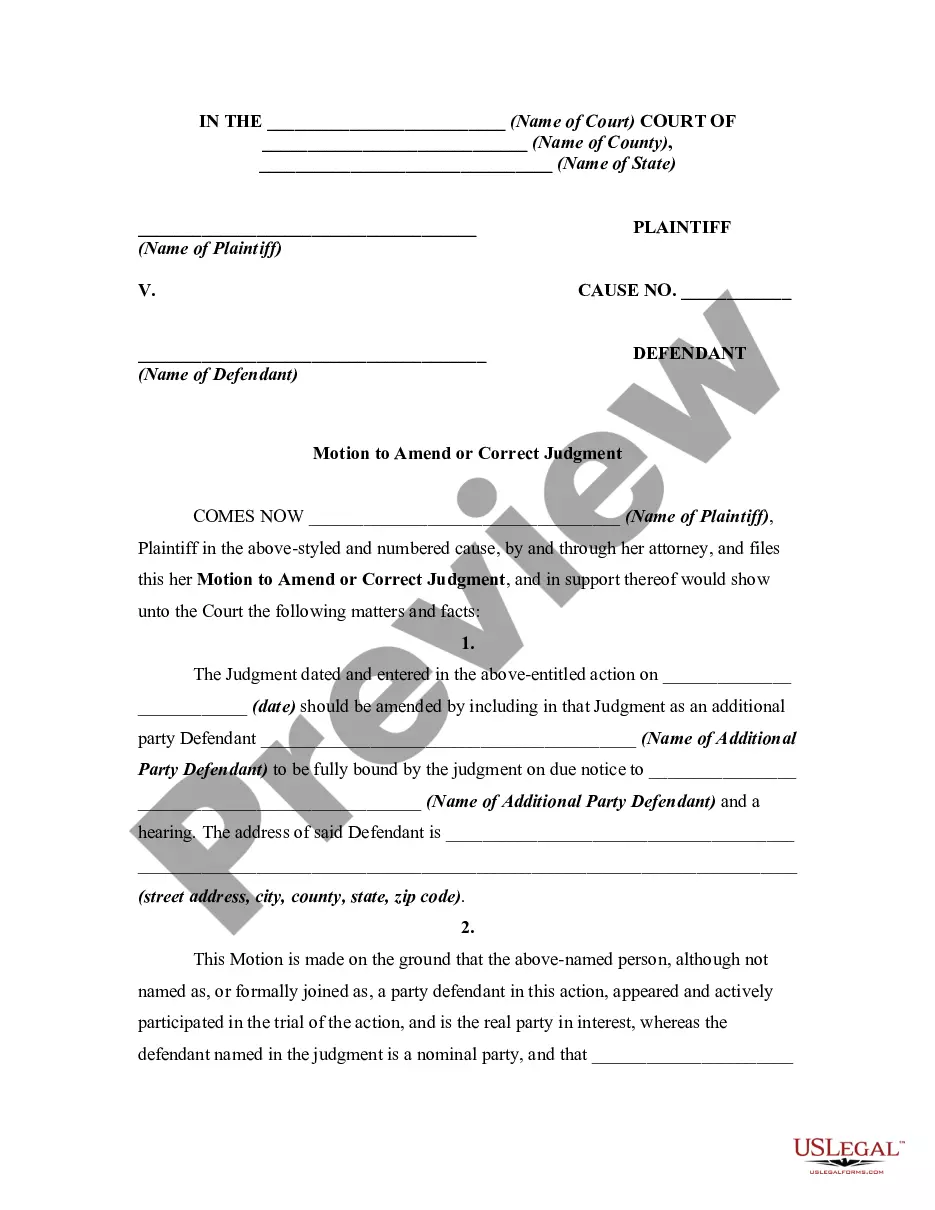
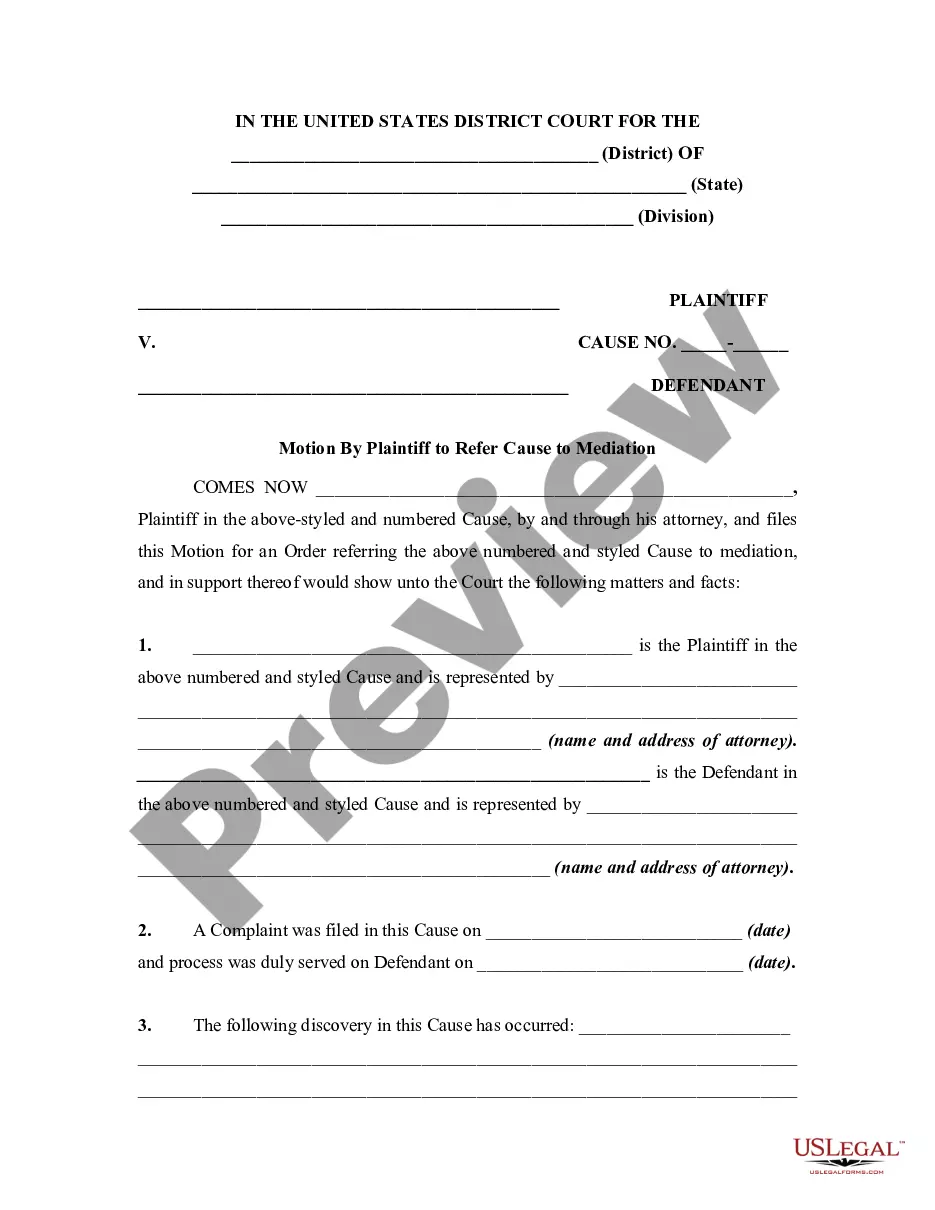


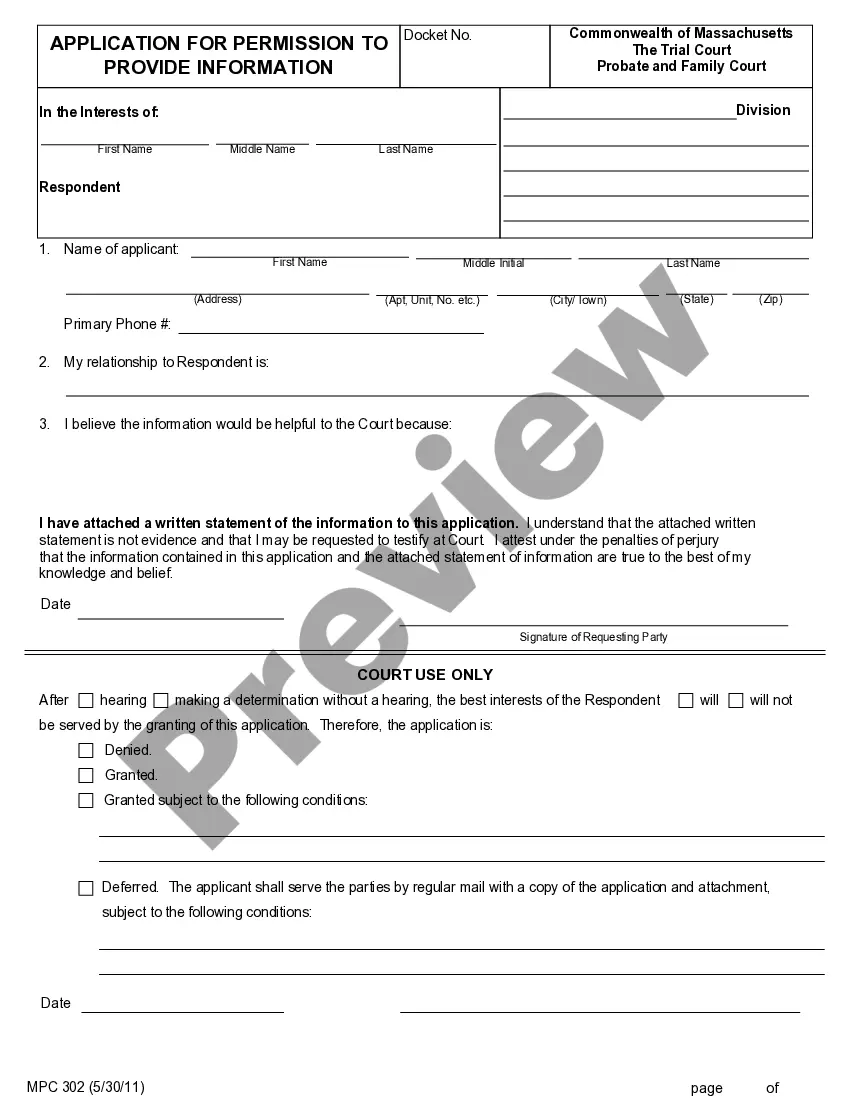


Form popularity
FAQ
Individual action for damages or penalty. A. Any person who suffers loss as the result of a violation of this chapter shall be entitled to initiate an action to recover actual damages, or $500, whichever is greater.
"Supplier" means a seller, lessor, licensor, or professional who advertises, solicits, or engages in consumer transactions, or a manufacturer, distributor, or licensor who advertises and sells, leases, or licenses goods or services to be resold, leased, or sublicensed by other persons in consumer transactions.
Legal recognition of electronic records, electronic signatures, and electronic contracts. (a) A record or signature may not be denied legal effect or enforceability solely because it is in electronic form.
This chapter may be cited as the Virginia Consumer Protection Act of 1977. 1977, c. 635. It is the intent of the General Assembly that this chapter shall be applied as remedial legislation to promote fair and ethical standards of dealings between suppliers and the consuming public.
The VCDPA is a comprehensive state-level privacy legislation that protects personal data belonging to the 8.7 million residents of Virginia. The VCDPA governs the collection and processing of consumers' data, including their consent to — or opting out of — its use and requests relating to consumers' privacy rights.
The Act governs all “consumer transactions” in Virginia, which include: “the advertisement, sale, lease or offering for sale or lease, of goods or services to be used primarily for personal, family or household purposes.” Va.
The VCDPA gives consumers the right to access their personal data and request that it be deleted by businesses. It also requires companies to conduct data protection assessments related to processing personal data for targeted advertising and sales purposes.
"Supplier" means a seller, lessor, licensor, or professional who advertises, solicits, or engages in consumer transactions, or a manufacturer, distributor, or licensor who advertises and sells, leases, or licenses goods or services to be resold, leased, or sublicensed by other persons in consumer transactions.
The statute of limitations to bring a claim under the Act is two years.
All public records and meetings shall be presumed open, unless an exemption is properly invoked. The provisions of this chapter shall be liberally construed to promote an increased awareness by all persons of governmental activities and afford every opportunity to citizens to witness the operations of government.
