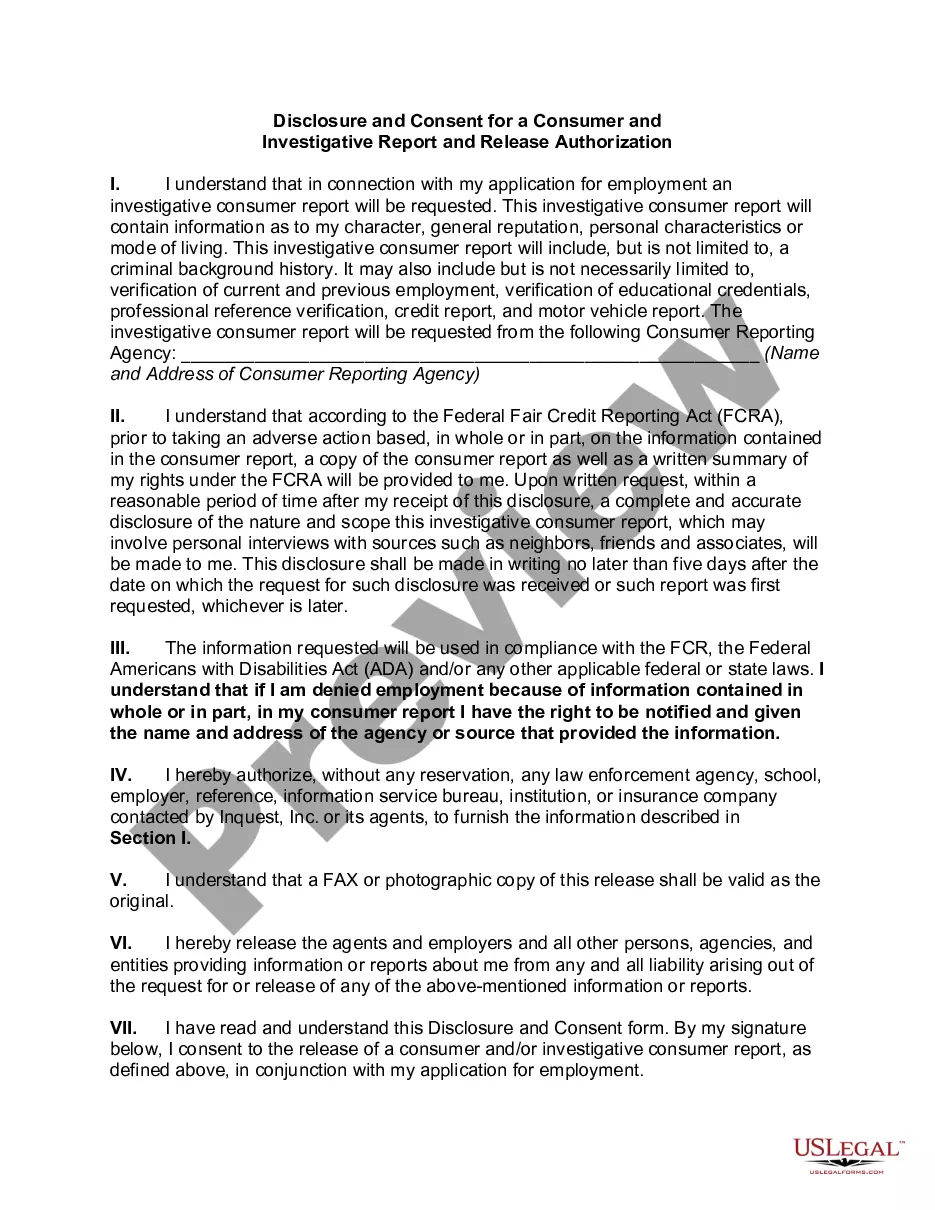
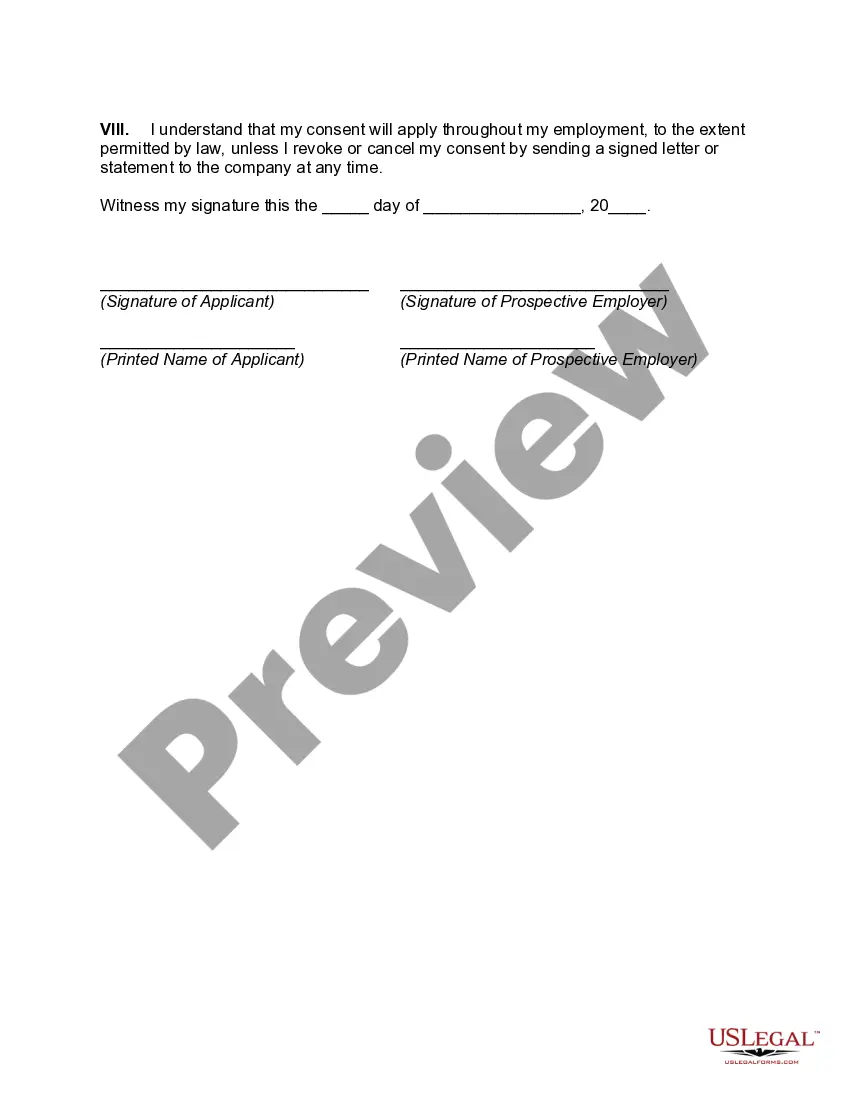
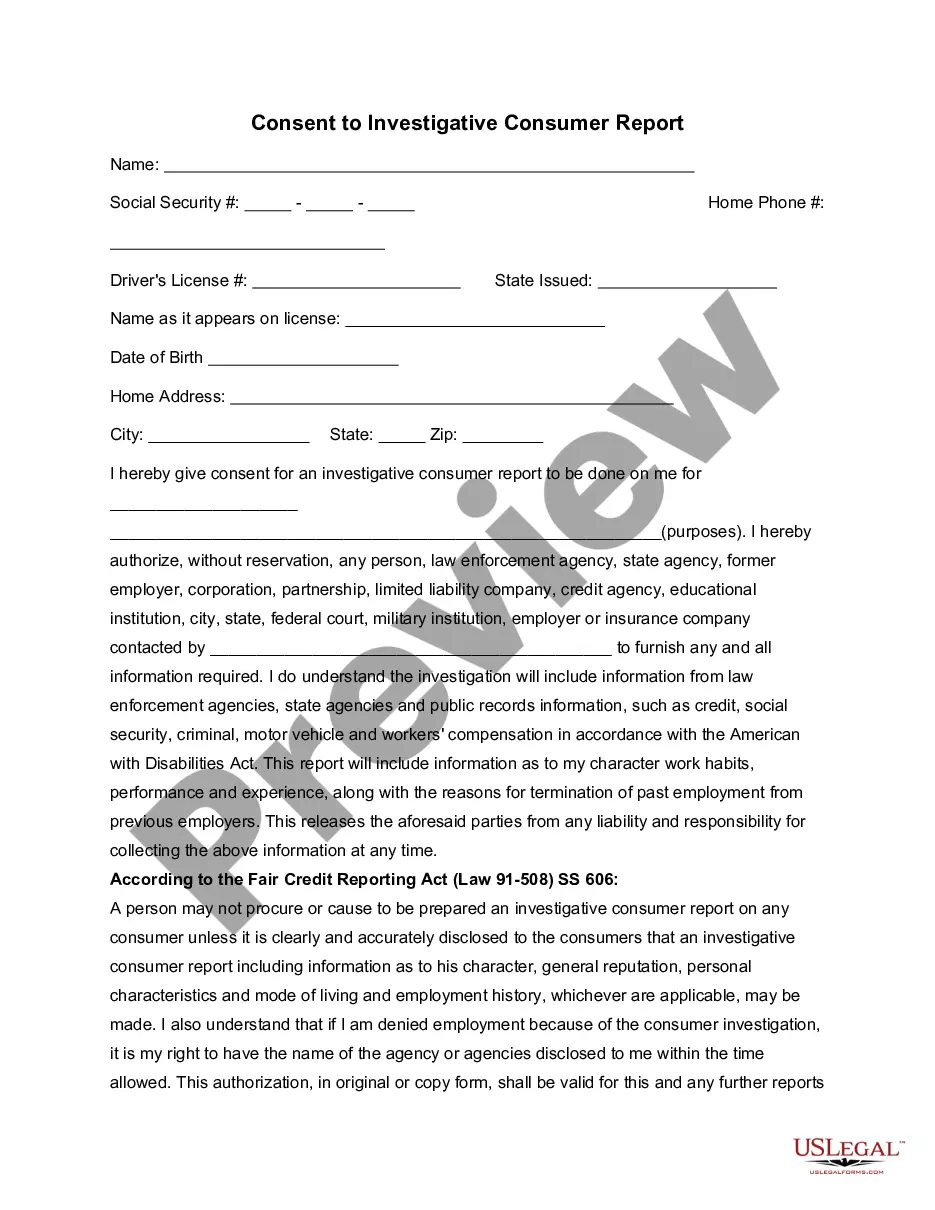
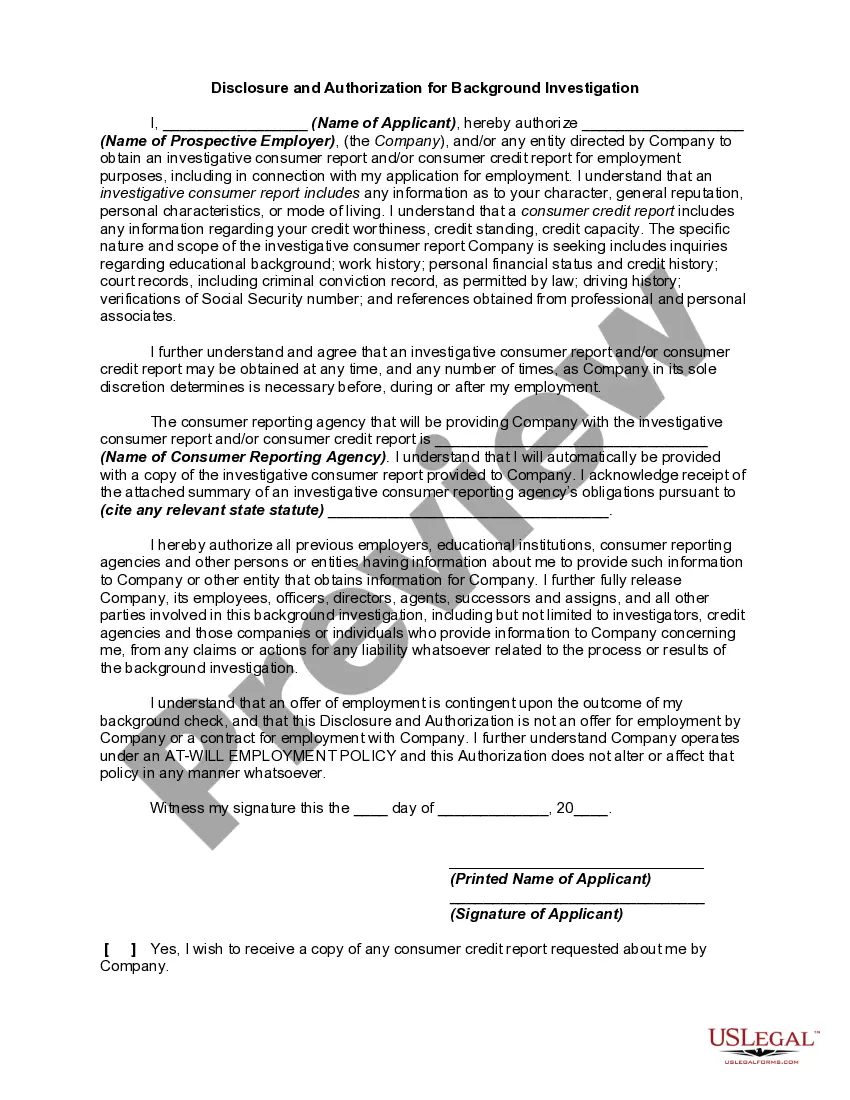
Consumer Investigative Release Form California In Oakland
Description
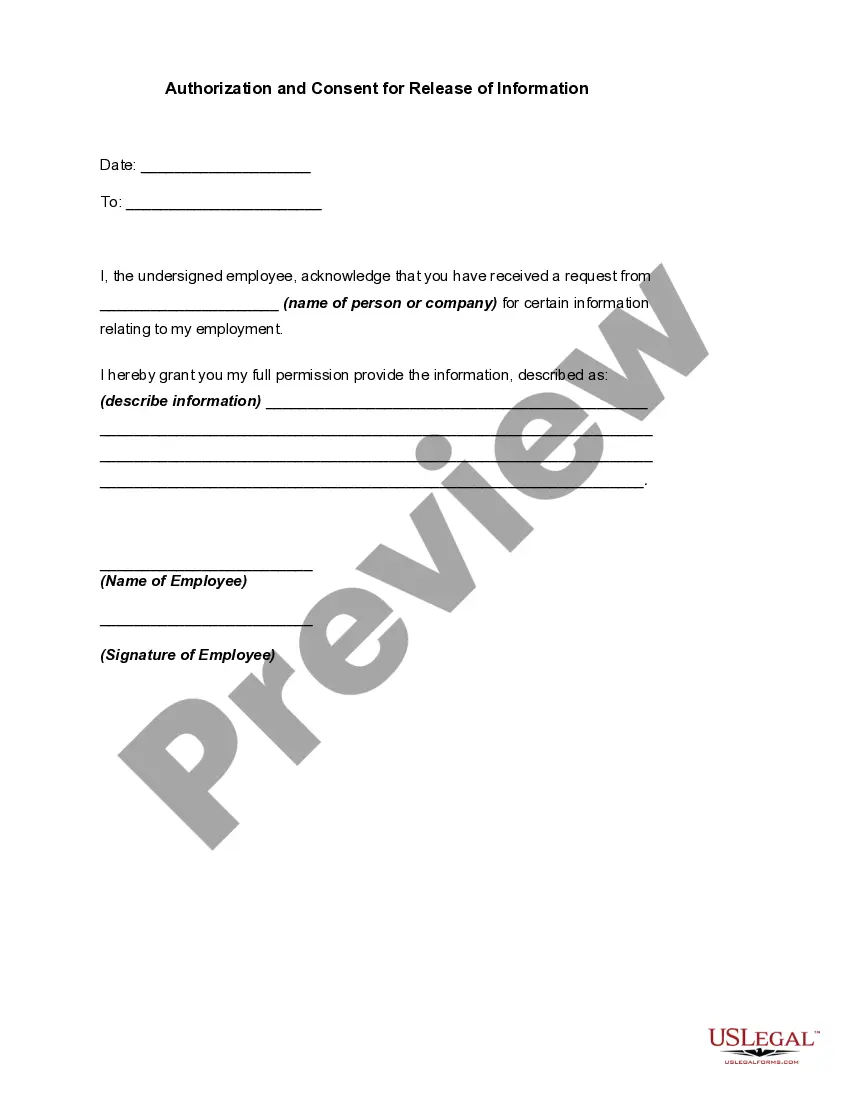
Get your form ready online
Our built-in tools help you complete, sign, share, and store your documents in one place.
Make edits, fill in missing information, and update formatting in US Legal Forms—just like you would in MS Word.
Download a copy, print it, send it by email, or mail it via USPS—whatever works best for your next step.
Sign and collect signatures with our SignNow integration. Send to multiple recipients, set reminders, and more. Go Premium to unlock E-Sign.
If this form requires notarization, complete it online through a secure video call—no need to meet a notary in person or wait for an appointment.
We protect your documents and personal data by following strict security and privacy standards.

Make edits, fill in missing information, and update formatting in US Legal Forms—just like you would in MS Word.

Download a copy, print it, send it by email, or mail it via USPS—whatever works best for your next step.

Sign and collect signatures with our SignNow integration. Send to multiple recipients, set reminders, and more. Go Premium to unlock E-Sign.

If this form requires notarization, complete it online through a secure video call—no need to meet a notary in person or wait for an appointment.

We protect your documents and personal data by following strict security and privacy standards.
Looking for another form?







Form popularity
FAQ
The California Consumer Credit Reporting Agencies Act (CCCRA) was passed in 1975 as the state's version of the U.S. federal Fair Credit Reporting Act. The act regulates consumer credit reporting agencies as well as any users of credit reports.
The notice shall include (1) a statement that the reinvestigation is completed, (2) an investigative consumer report that is based on the consumer's file as that file is revised as a result of the reinvestigation, (3) a description or indication of any changes made in the investigative consumer report as a result of ...
As a rule of thumb, the distinction between the two types of investigations can be thought of as simply verifying the specific facts about education, employment or other information the applicant has provided to the employer ("consumer report") versus obtaining more general character or personal information through ...
This landmark law secures new privacy rights for California consumers, including: The right to know about the personal information a business collects about them and how it is used and shared; The right to delete personal information collected from them (with some exceptions);
If the information is to be used for an insurance transaction, the consumer must give consent to the user of the report or the information must be coded.
The disclosure must: Clearly and accurately disclose to the employee or applicant in writing that it may obtain an Investigative Consumer Report, including information from the referenced personal interviews as to their character, general reputation, personal characteristics, and mode of living.
(c) The term “investigative consumer report” means a consumer report in which information on a consumer's character, general reputation, personal characteristics, or mode of living is obtained through any means.
An investigative consumer reporting agency shall only furnish an investigative consumer report under the following circumstances: (a) In response to the order of a court having jurisdiction to issue the order. (b) In compliance with a lawful subpoena issued by a court of competent jurisdiction.
The FCRA includes a seven-year rule that prohibits background check companies from reporting certain types of adverse information that is older than seven years when the position the applicant has applied for pays a salary of less than $75,000 per year, which will be explained below.
