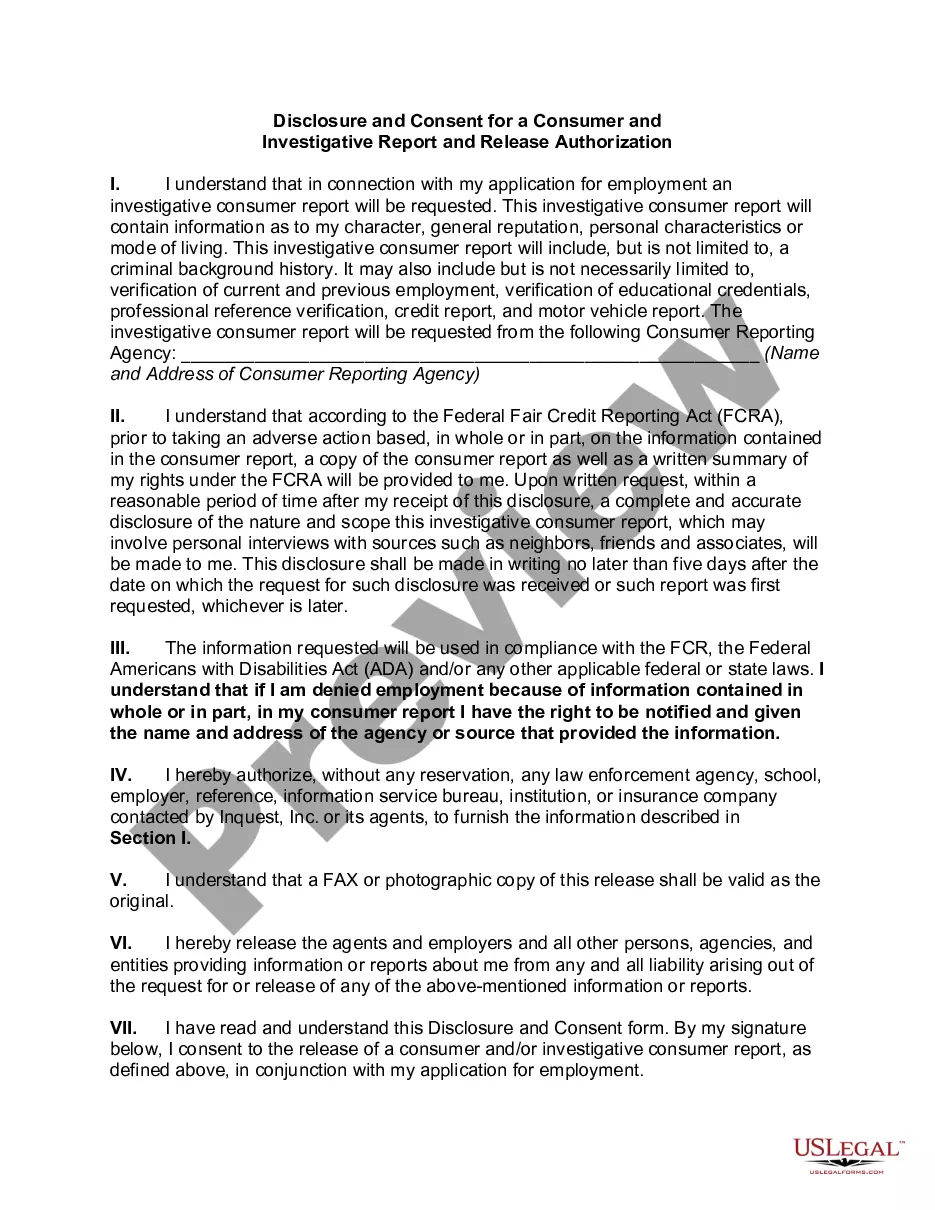
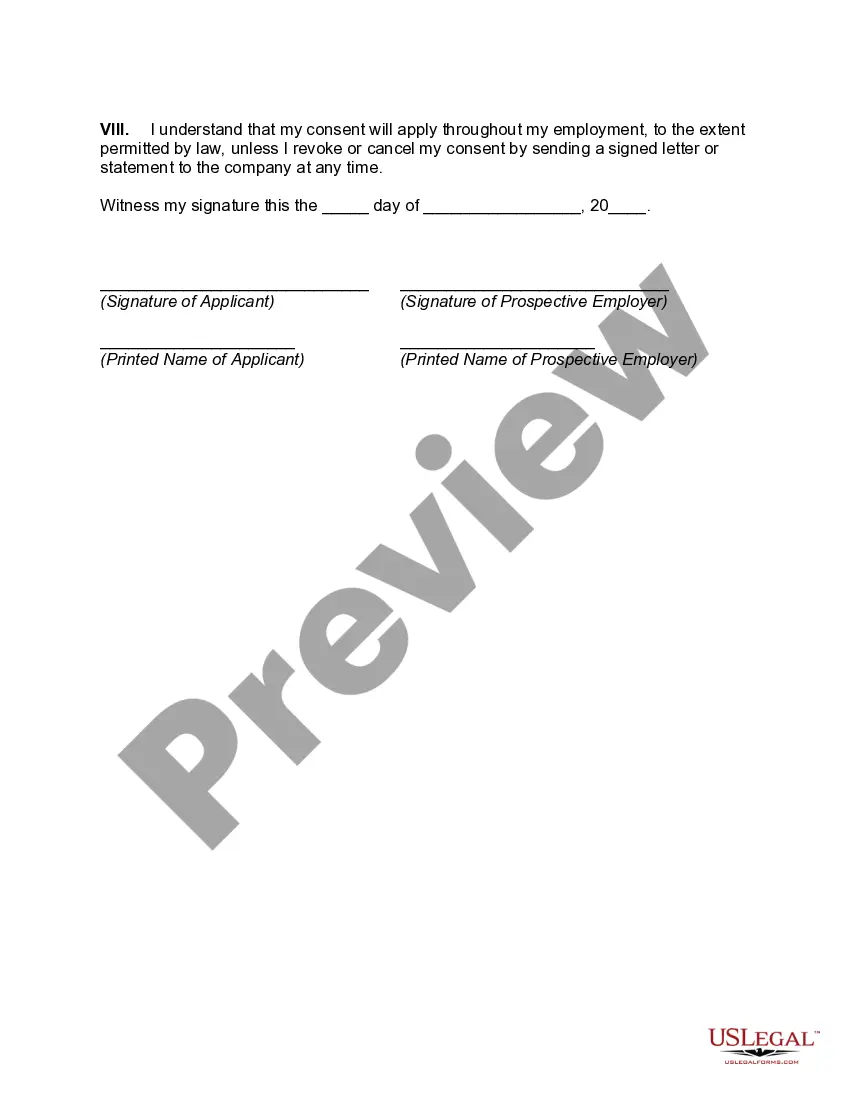
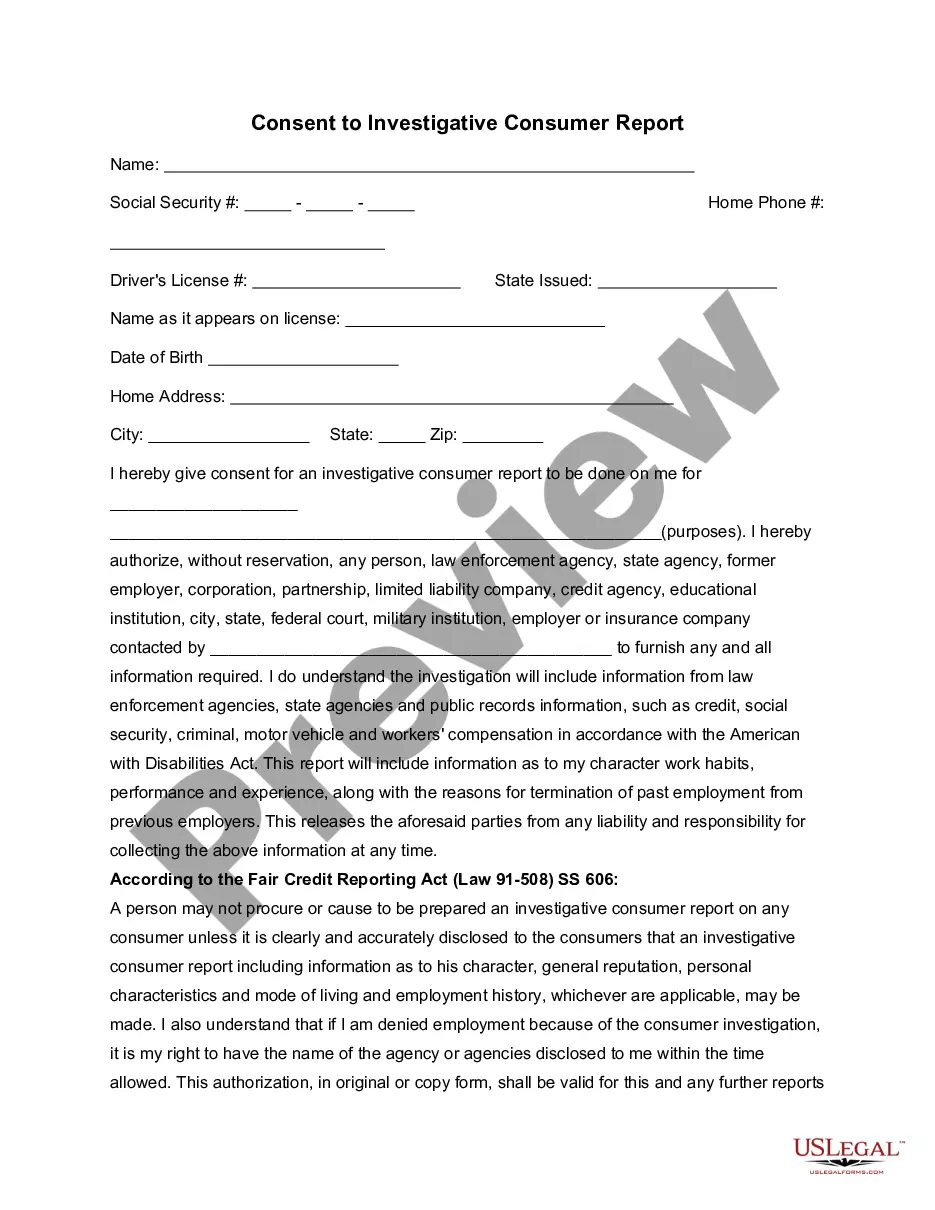
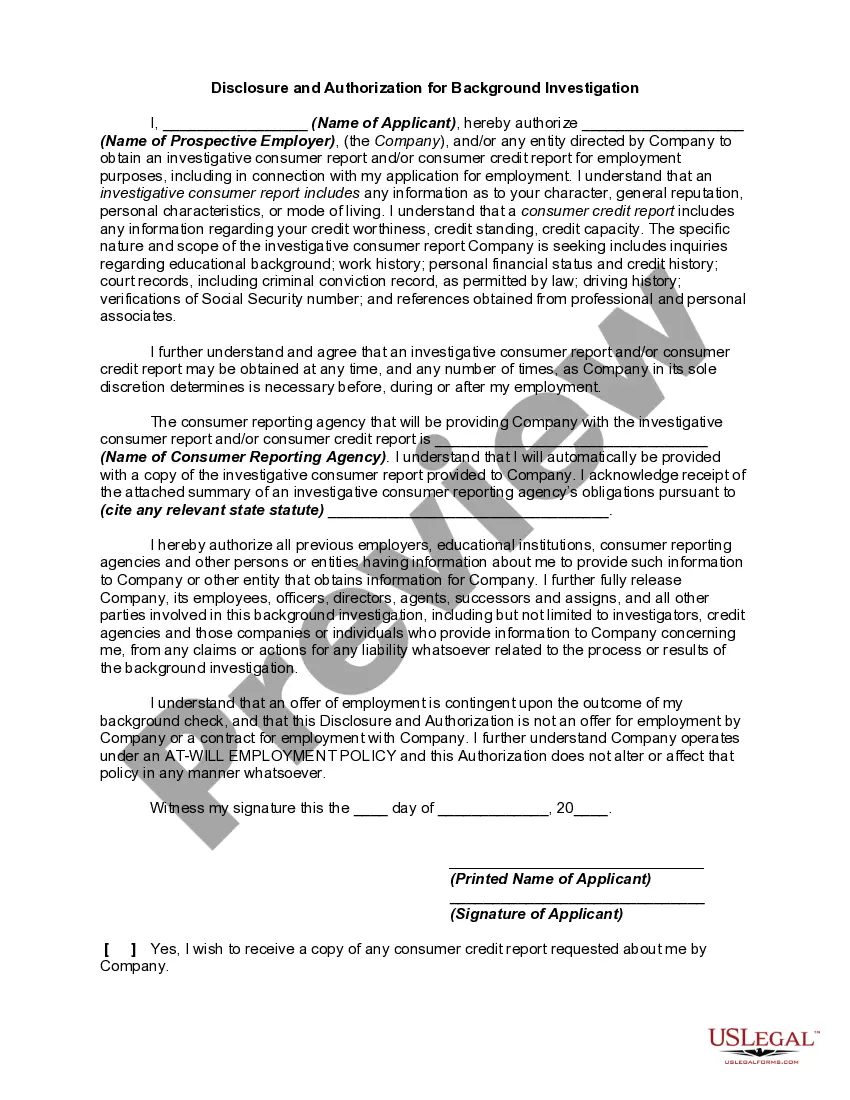
Consumer Investigative Release Format In Michigan
Description
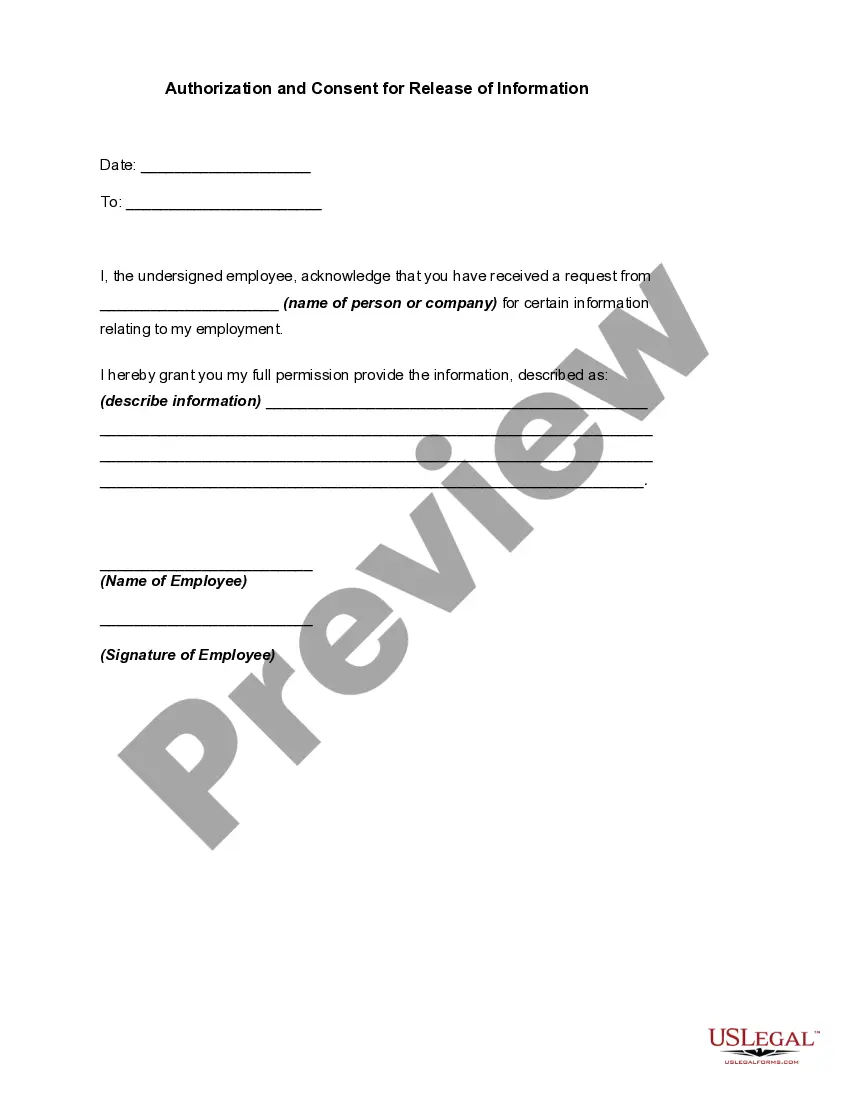
Get your form ready online
Our built-in tools help you complete, sign, share, and store your documents in one place.
Make edits, fill in missing information, and update formatting in US Legal Forms—just like you would in MS Word.
Download a copy, print it, send it by email, or mail it via USPS—whatever works best for your next step.
Sign and collect signatures with our SignNow integration. Send to multiple recipients, set reminders, and more. Go Premium to unlock E-Sign.
If this form requires notarization, complete it online through a secure video call—no need to meet a notary in person or wait for an appointment.
We protect your documents and personal data by following strict security and privacy standards.

Make edits, fill in missing information, and update formatting in US Legal Forms—just like you would in MS Word.

Download a copy, print it, send it by email, or mail it via USPS—whatever works best for your next step.

Sign and collect signatures with our SignNow integration. Send to multiple recipients, set reminders, and more. Go Premium to unlock E-Sign.

If this form requires notarization, complete it online through a secure video call—no need to meet a notary in person or wait for an appointment.

We protect your documents and personal data by following strict security and privacy standards.
Looking for another form?
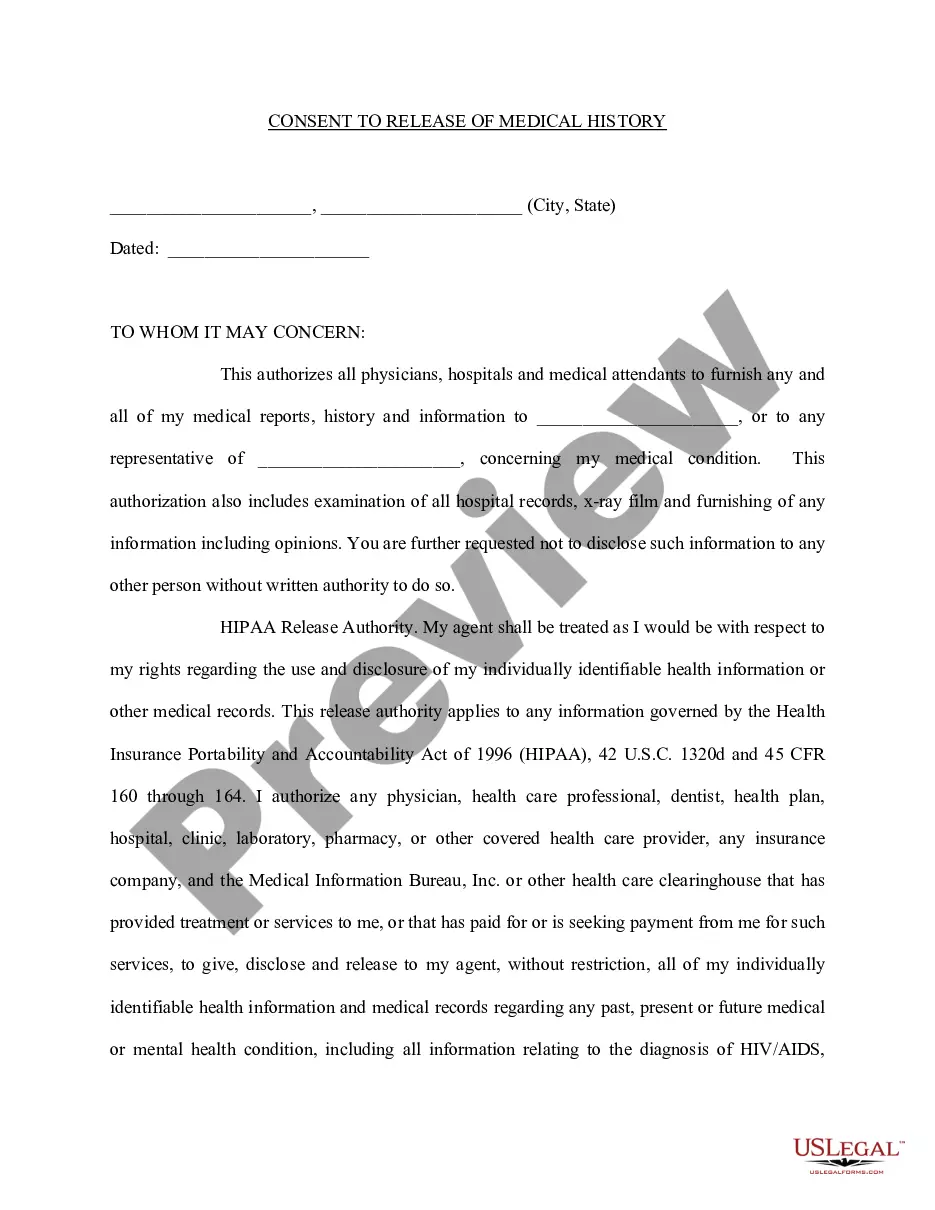





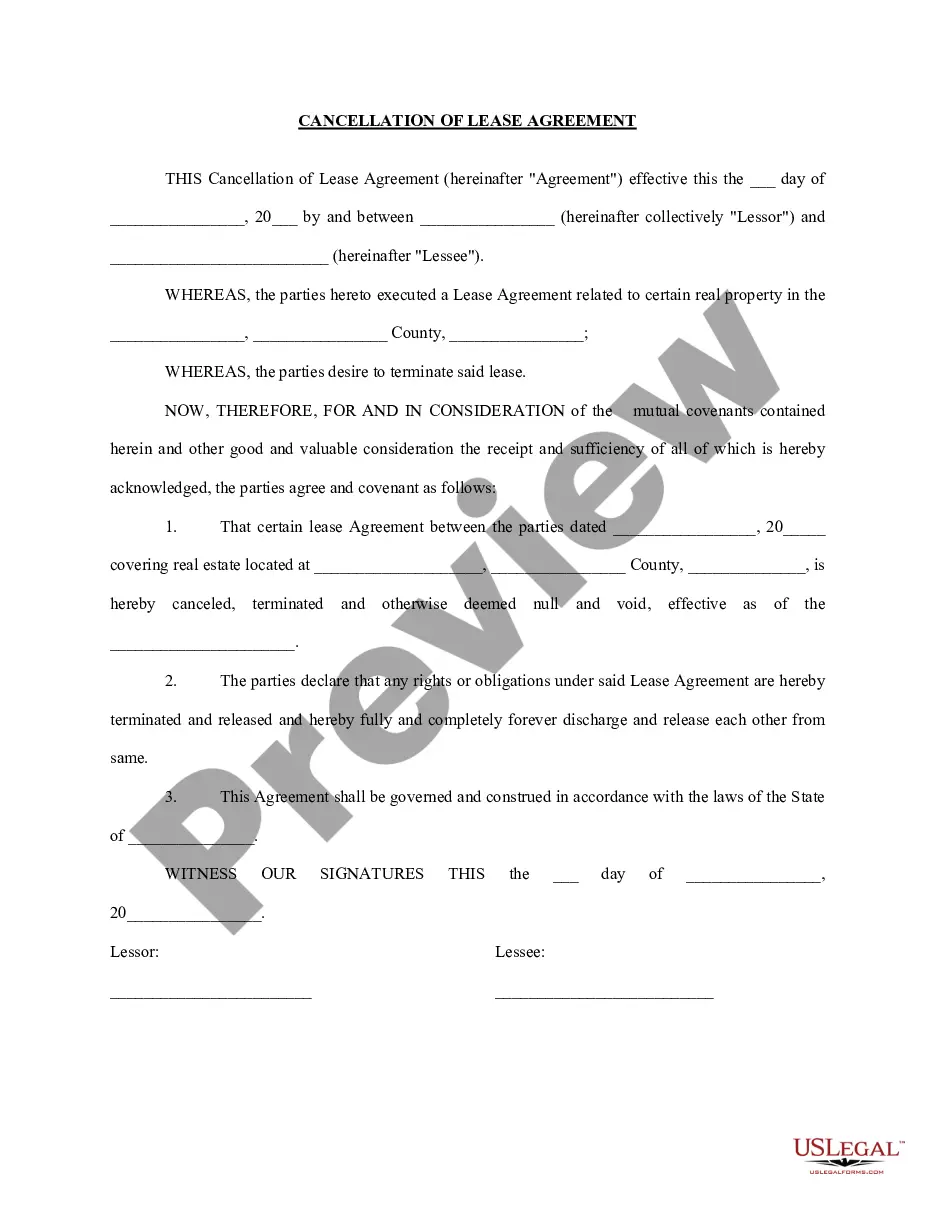



Form popularity
FAQ
The Michigan Personal Data Privacy Act outlines the following requirements for businesses: Posting a clear and accessible privacy policy for consumers. Providing opt-in consent options for processing all personal data. Performing data protection impact assessments to process sensitive personal data.
Who does the law apply to and how can consumers sue? The law applies to businesses in Michigan that participate in trade or commerce. If an unlawful act conducted by a business causes injury or loss to a consumer, the consumer has the right to take legal action and file a civil suit against the offending business.
The Michigan Consumer Protection Act (1976 PA 331) gives consumers, prosecutors, and the Attorney General a way to fight deceptive practices. This act prohibits many unfair and deceptive trade practices and gives prosecutors more power to enforce the law.
The Michigan Consumer Protection Act (1976 PA 331) gives consumers, prosecutors, and the Attorney General a way to fight deceptive practices. This act prohibits many unfair and deceptive trade practices and gives prosecutors more power to enforce the law.
AN ACT to prohibit certain methods, acts, and practices in trade or commerce; to require the disclosure, maintenance, and verification of certain information for consumer protection; to prescribe certain powers and duties; to provide for certain remedies, damages, and penalties; to provide for the promulgation of rules ...
Consumer Complaint Not all consumer complaints are handled by the Attorney General. If we do not handle it, we will forward it on to the appropriate agency. If you have questions about filing a complaint, please call 517-335-7599. In-state residents can also call 877-765-8388.
Consumer Complaint Not all consumer complaints are handled by the Attorney General. If we do not handle it, we will forward it on to the appropriate agency. If you have questions about filing a complaint, please call 517-335-7599. In-state residents can also call 877-765-8388.
Consumer protection laws safeguard purchasers of goods and services against defective products and deceptive, fraudulent business practices.
Who does the law apply to and how can consumers sue? The law applies to businesses in Michigan that participate in trade or commerce. If an unlawful act conducted by a business causes injury or loss to a consumer, the consumer has the right to take legal action and file a civil suit against the offending business.
The Consumer Credit Protection Act Of 1968 (CCPA) protects consumers from harm by creditors, banks, and credit card companies. The federal act mandates disclosure requirements that must be followed by consumer lenders and auto-leasing firms.
