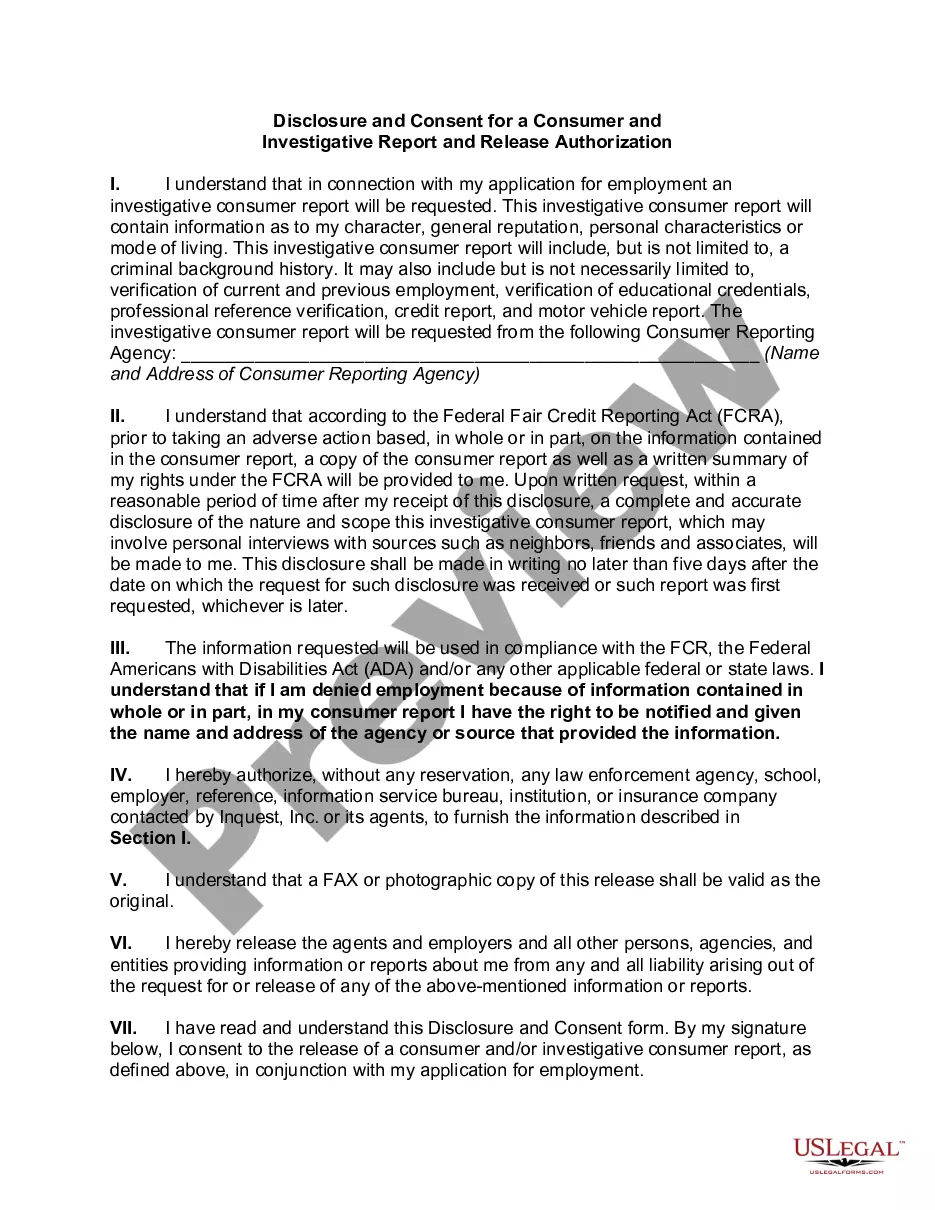
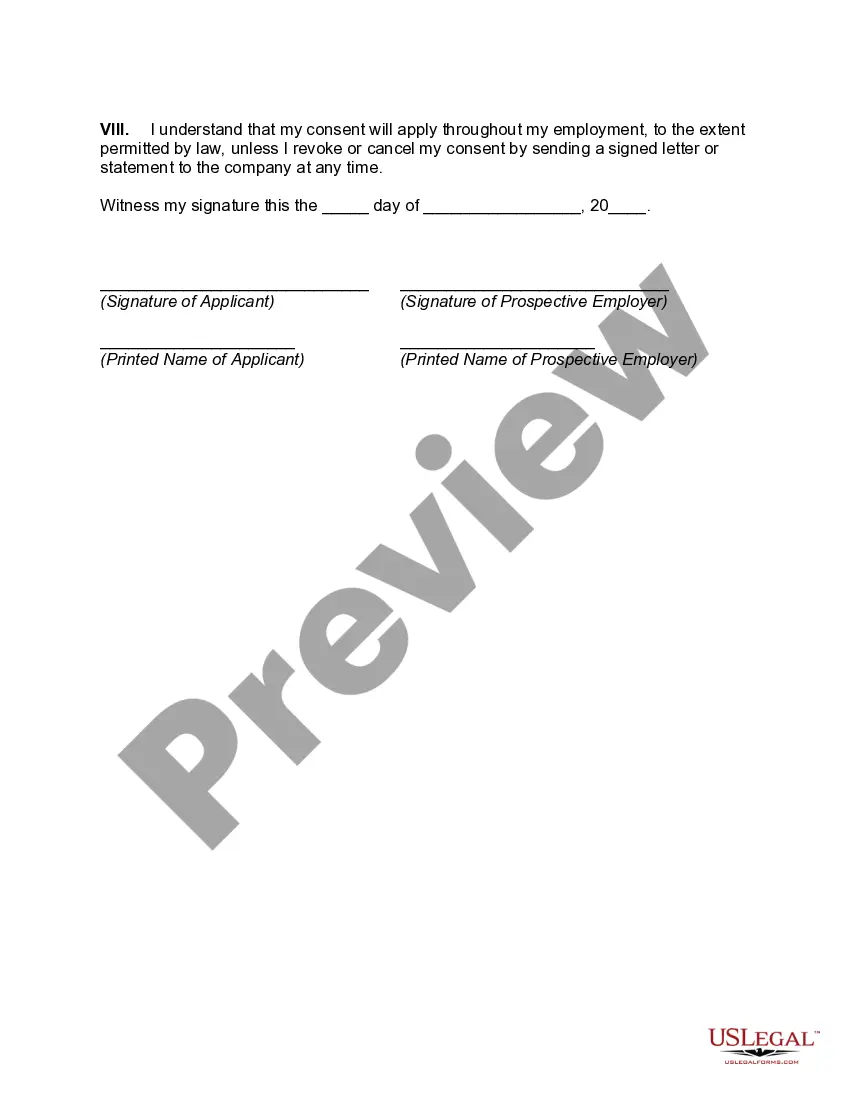
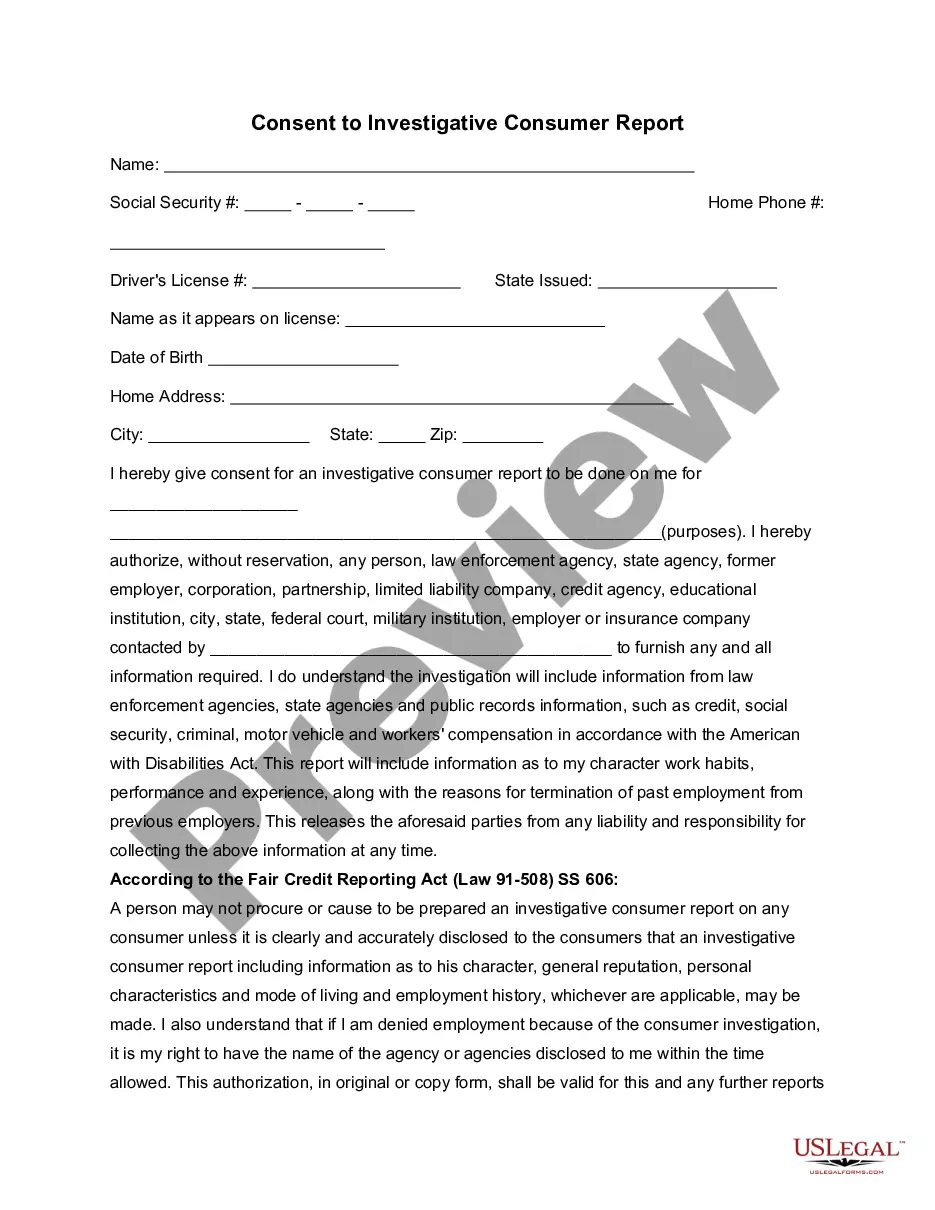
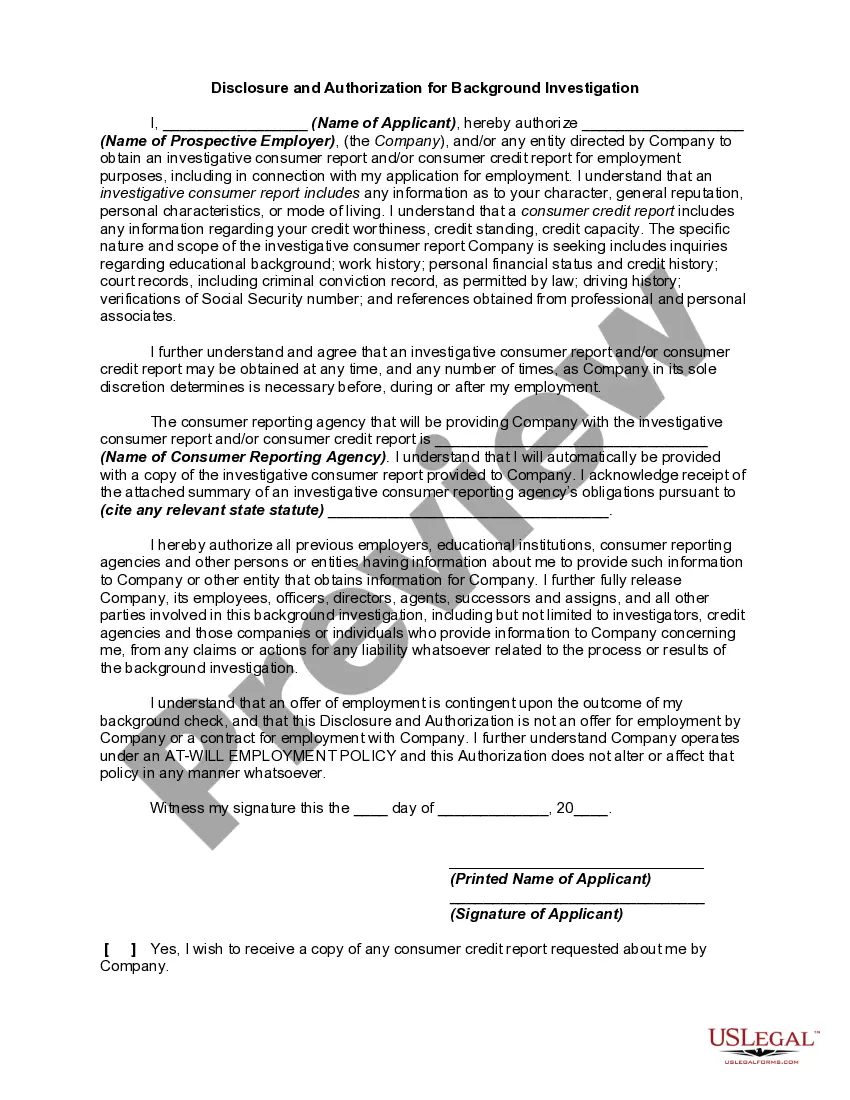
Consumer Investigative Release Format In Maryland
Description
Get your form ready online
Our built-in tools help you complete, sign, share, and store your documents in one place.
Make edits, fill in missing information, and update formatting in US Legal Forms—just like you would in MS Word.
Download a copy, print it, send it by email, or mail it via USPS—whatever works best for your next step.
Sign and collect signatures with our SignNow integration. Send to multiple recipients, set reminders, and more. Go Premium to unlock E-Sign.
If this form requires notarization, complete it online through a secure video call—no need to meet a notary in person or wait for an appointment.
We protect your documents and personal data by following strict security and privacy standards.

Make edits, fill in missing information, and update formatting in US Legal Forms—just like you would in MS Word.

Download a copy, print it, send it by email, or mail it via USPS—whatever works best for your next step.

Sign and collect signatures with our SignNow integration. Send to multiple recipients, set reminders, and more. Go Premium to unlock E-Sign.

If this form requires notarization, complete it online through a secure video call—no need to meet a notary in person or wait for an appointment.

We protect your documents and personal data by following strict security and privacy standards.
Looking for another form?





Form popularity
FAQ
Consumer Protection Act. • Prohibits unfair, abusive, or deceptive trade practices. • Deceptive trade practices include: – Misrepresentations. – Omissions of important information.
Under Maryland's Consumer Debt Collection Act debt collectors may not... Use or threaten force or violence. Threaten criminal prosecution unless a violation of criminal law is involved. Disclose, or threaten to disclose, information affecting your reputation for creditworthiness if they know the information is false.
Protection Act, Commercial Law Article, § 13-101, et seq., and related laws designed to protect Maryland consumers against unfair, abusive or deceptive practices. CPA was first enacted in 1967. Since that time, both responsibilities and challenges in protecting Maryland consumers have increased greatly.
Consumer protection laws are made to protect consumers from fraudulent business practices, defective products, and dangerous goods and services. They play an important role in a reliable market economy, helping to keep sellers honest with no threat of unpleasant surprises.
File a report with the FTC at ReportFraud.ftc if your report is about the business practices of an individual, company, or entity.
How to Submit a Complaint E-mail: CSUplaints@maryland. Mail: Office of Financial Regulation. Fax: 410-333-3866. In-person: Appointments are available to hand-deliver documents or meet with Financial Regulation staff at our offices in Baltimore City.
Quick general answer: Maryland law generally does not provide a cooling-off period for buyers to change their minds, ing to the state attorney general's website, .marylandattorneygeneral. State law sets out a few exceptions.
The CPA regulates the promotion of, and transactions relating to goods and services as well as the goods and services themselves. a legal interest in land or any other immovable property. and the provision of any accommodation or sustenance; and • other similar services.
File a complaint with your local consumer protection office or the state agency that regulates the company. Notify the Better Business Bureau (BBB) in your area about your problem. The BBB tries to resolve your complaints against companies.
The first thing you should do when filing a consumer complaint is to complain directly to the company. If that doesn't work, you can complain to a consumer protection agency. Filing a lawsuit should be a last resort.
