Consumer Investigative Release Format In Los Angeles
Description
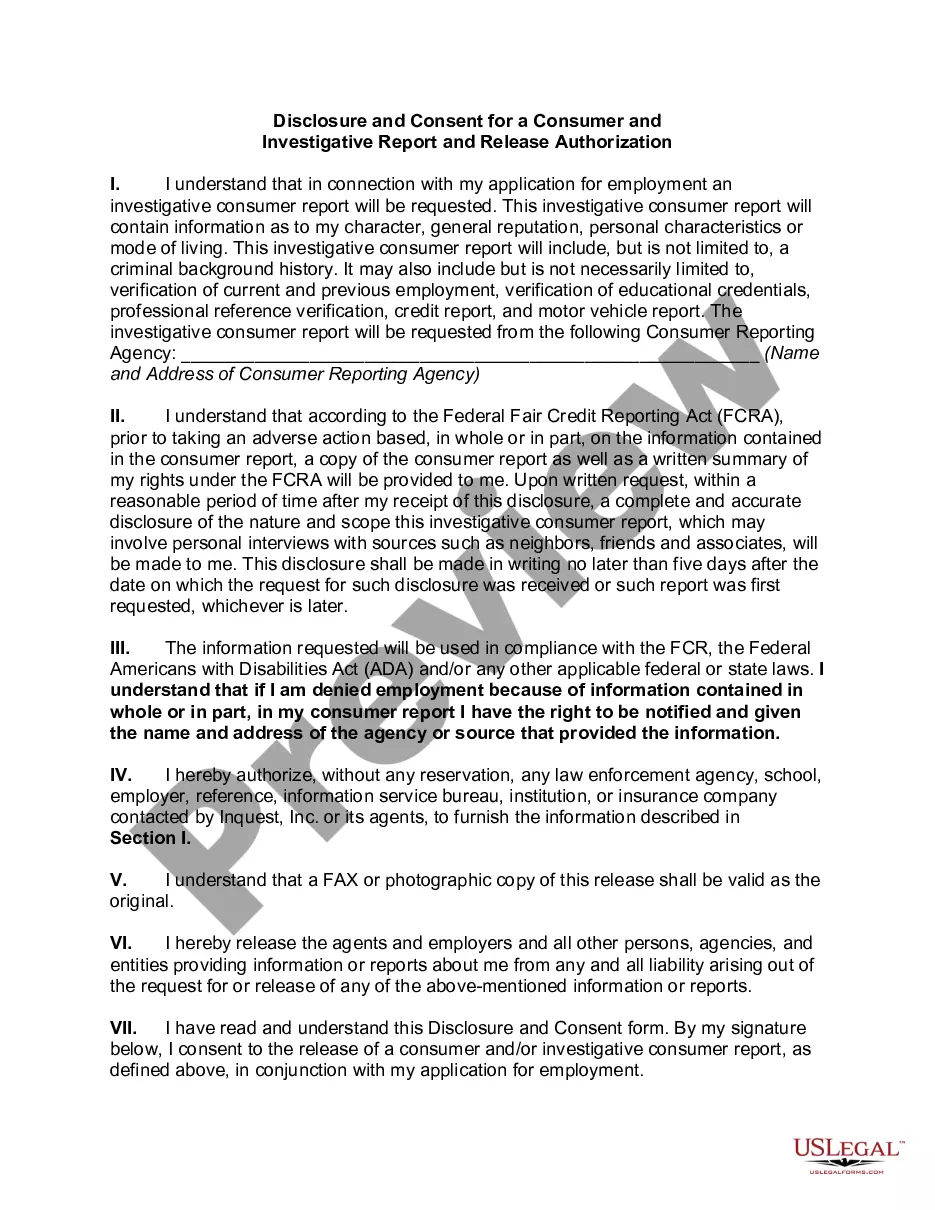
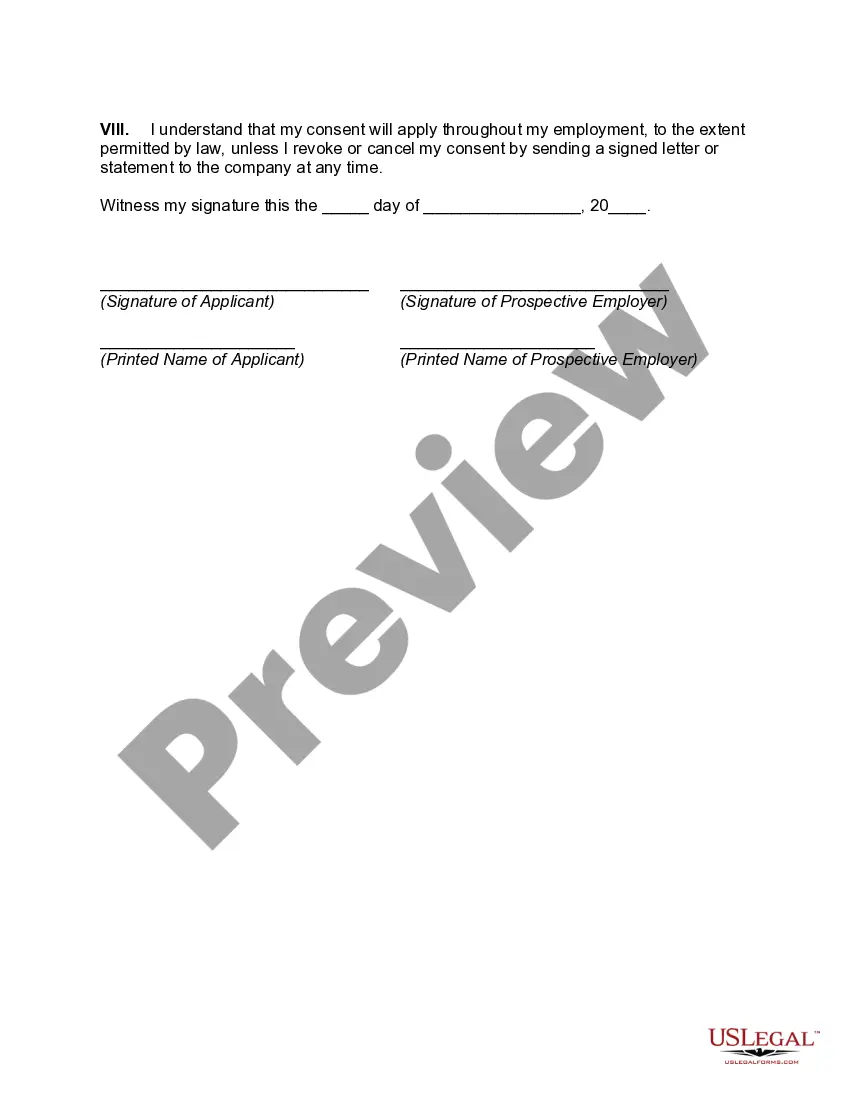

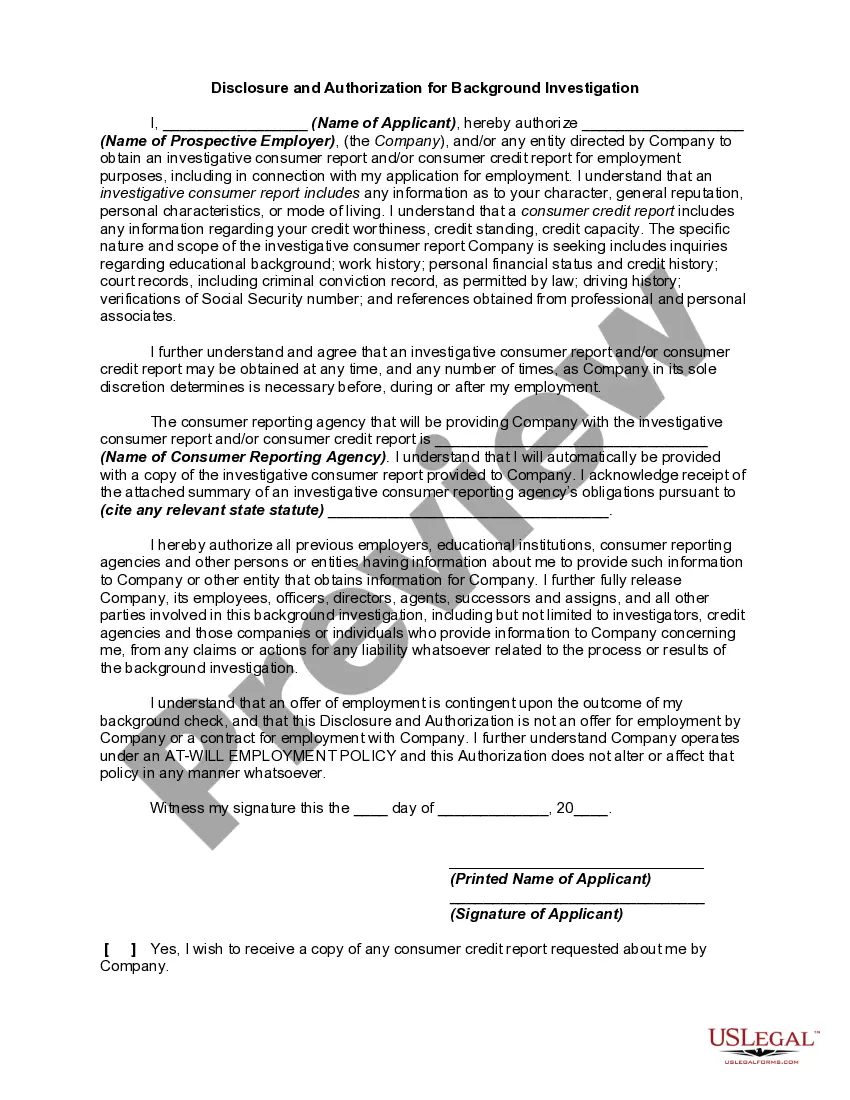
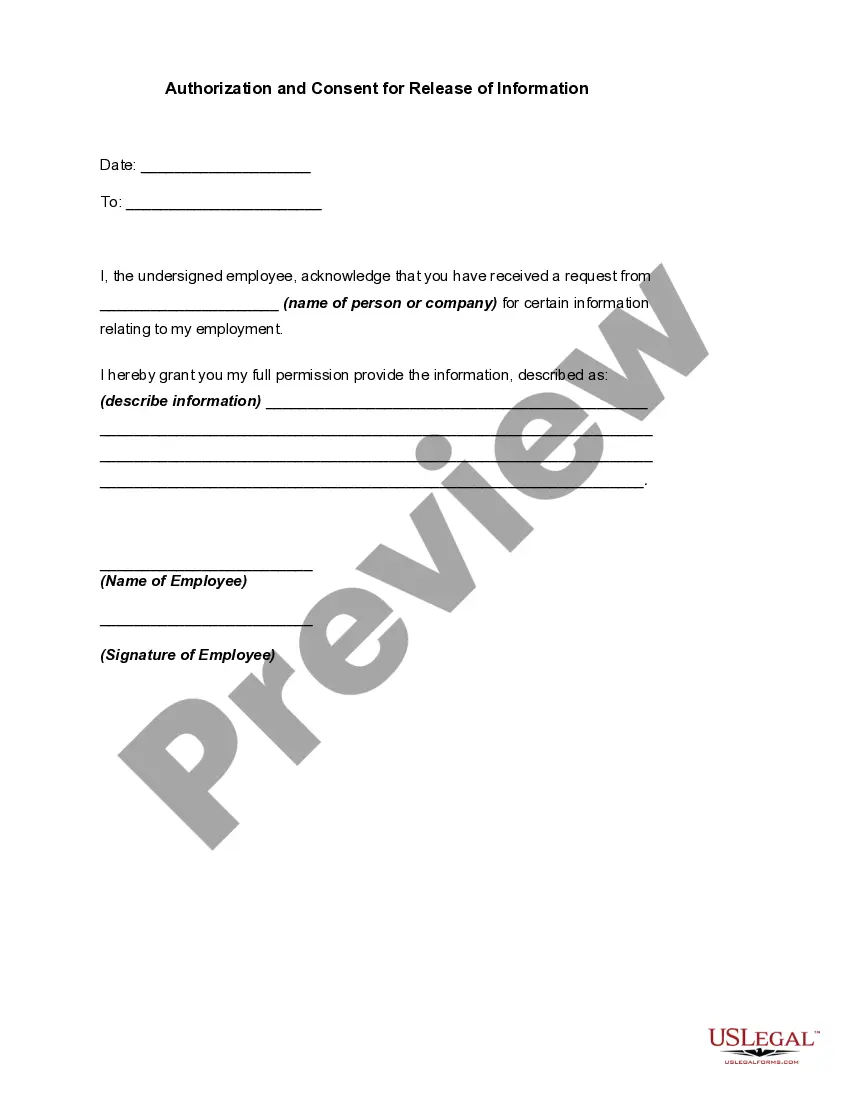
Get your form ready online
Our built-in tools help you complete, sign, share, and store your documents in one place.
Make edits, fill in missing information, and update formatting in US Legal Forms—just like you would in MS Word.
Download a copy, print it, send it by email, or mail it via USPS—whatever works best for your next step.
Sign and collect signatures with our SignNow integration. Send to multiple recipients, set reminders, and more. Go Premium to unlock E-Sign.
If this form requires notarization, complete it online through a secure video call—no need to meet a notary in person or wait for an appointment.
We protect your documents and personal data by following strict security and privacy standards.

Make edits, fill in missing information, and update formatting in US Legal Forms—just like you would in MS Word.

Download a copy, print it, send it by email, or mail it via USPS—whatever works best for your next step.

Sign and collect signatures with our SignNow integration. Send to multiple recipients, set reminders, and more. Go Premium to unlock E-Sign.

If this form requires notarization, complete it online through a secure video call—no need to meet a notary in person or wait for an appointment.

We protect your documents and personal data by following strict security and privacy standards.
Looking for another form?







Form popularity
FAQ
Consumer reports may include information about a person's credit history, medical conditions, driving record, criminal activity, and even their participation in dangerous sports.
(c) The term “investigative consumer report” means a consumer report in which information on a consumer's character, general reputation, personal characteristics, or mode of living is obtained through any means.
A consumer report may contain information such as a person's credit characteristics, rental history, or criminal history. These reports are covered by the FCRA.
The user must disclose to the consumer that an investigative consumer report may be obtained. This must be done in a written disclosure that is mailed, or otherwise delivered, to the consumer at some time before or not later than three days after the date on which the report was first requested.
A consumer reporting agency must also include a summary of consumer rights with the disclosure to the consumer. This ensures the consumer is informed about their rights under the Fair Credit Reporting Act (FCRA). Details such as the firm's name and address, and privacy policies are also typically included.
The FTC does clarify that obtaining information from a former employer beyond “fact-checking” could constitute an interview and be considered an Investigative Consumer Report. This could include, but is not limited to, asking a candidate's former employer about: Discipline actions against the candidate.
File a complaint with your local consumer protection office or the state agency that regulates the company. Notify the Better Business Bureau (BBB) in your area about your problem. The BBB tries to resolve your complaints against companies.
Education The Department helps consumers make wise purchasing decisions by informing them about the laws that protect them, explaining what they should know about a business, and letting them know what their responsibilities are to protect themselves.
How to File a Complaint Against a Company in California Step 1: Contact the Business Directly. Step 2: Use Social Media to Share Your Complaint. Step 3: Consider Leaving a Review. Step 4: File a Government Complaint Against the Business. Step 5: File a Lawsuit Against the Business in a California Small Claims Court.
California Department of Consumer Affairs.
