Consumer Investigative Release With Case Laws In Allegheny
Description
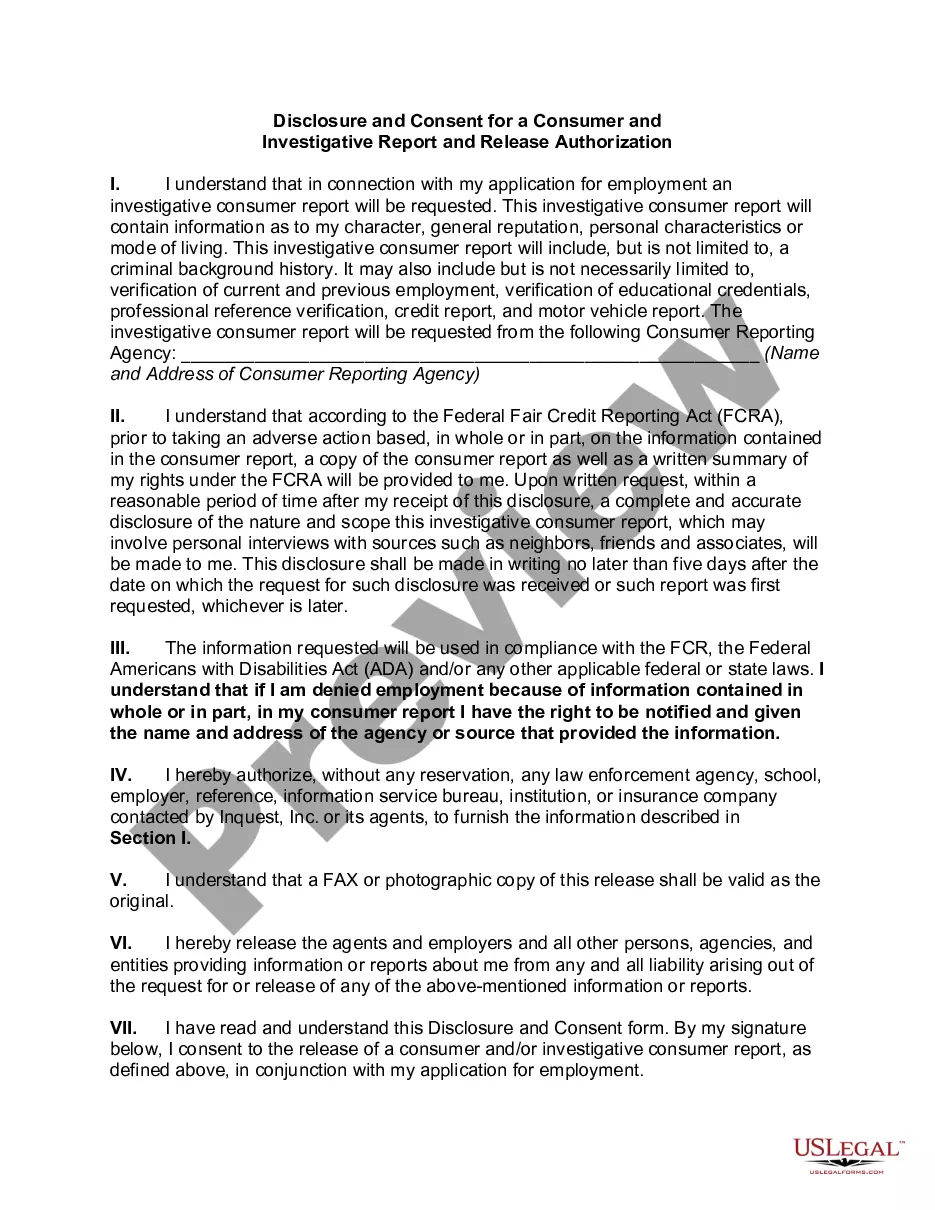
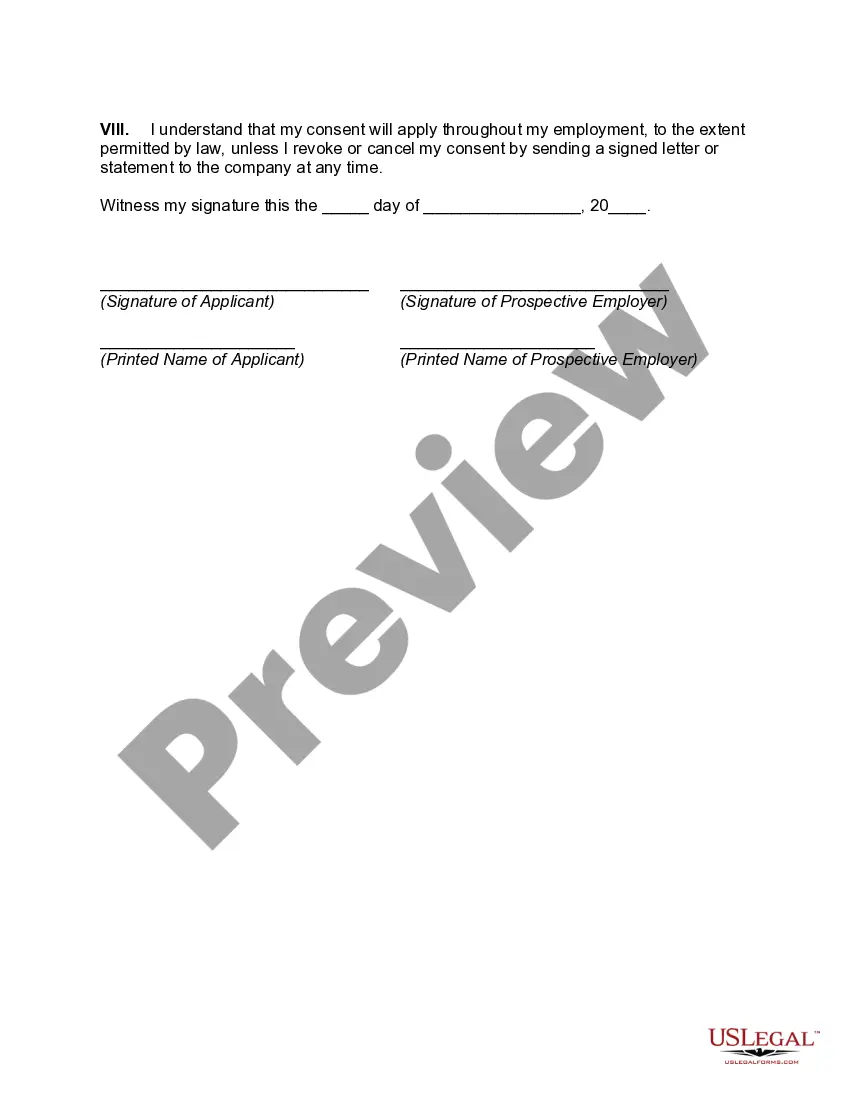
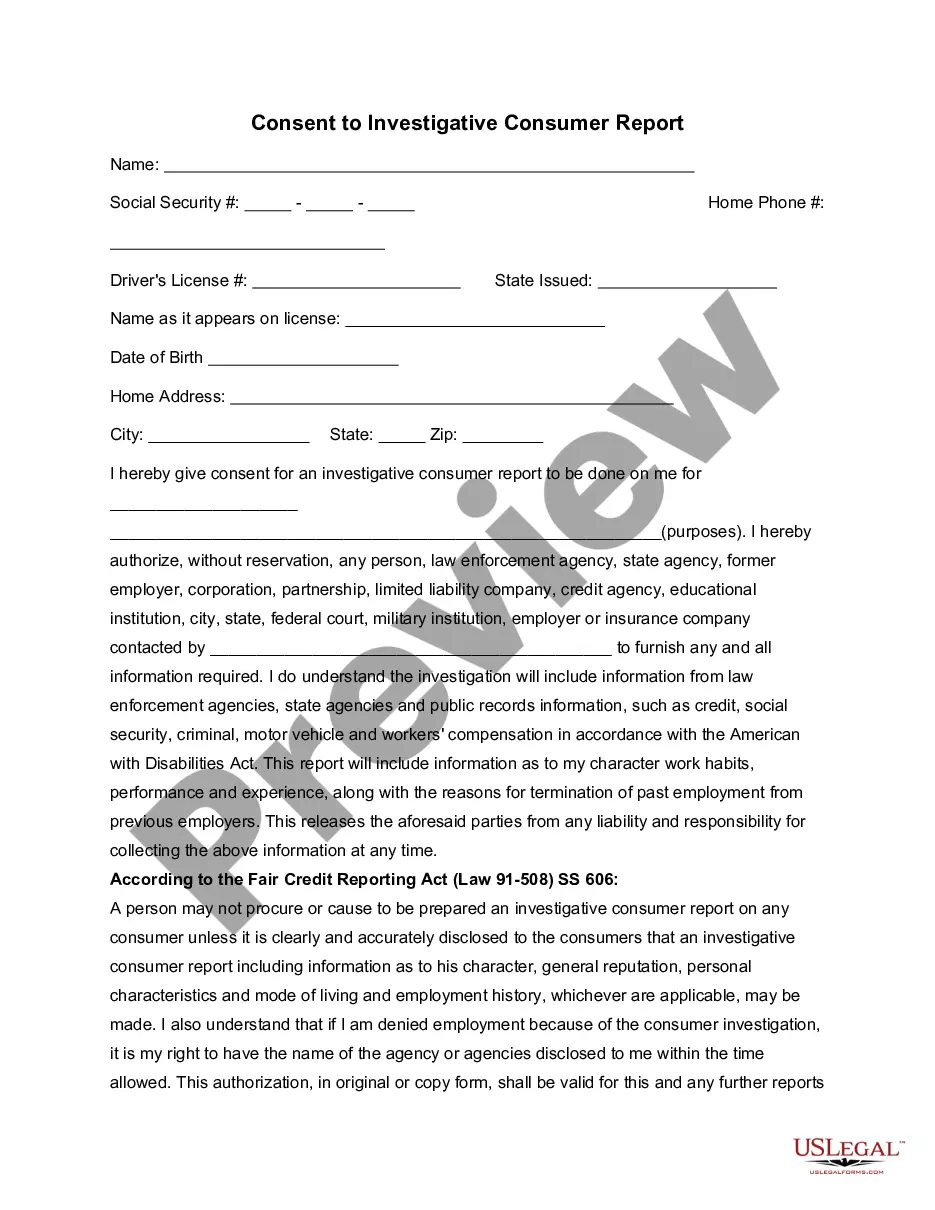
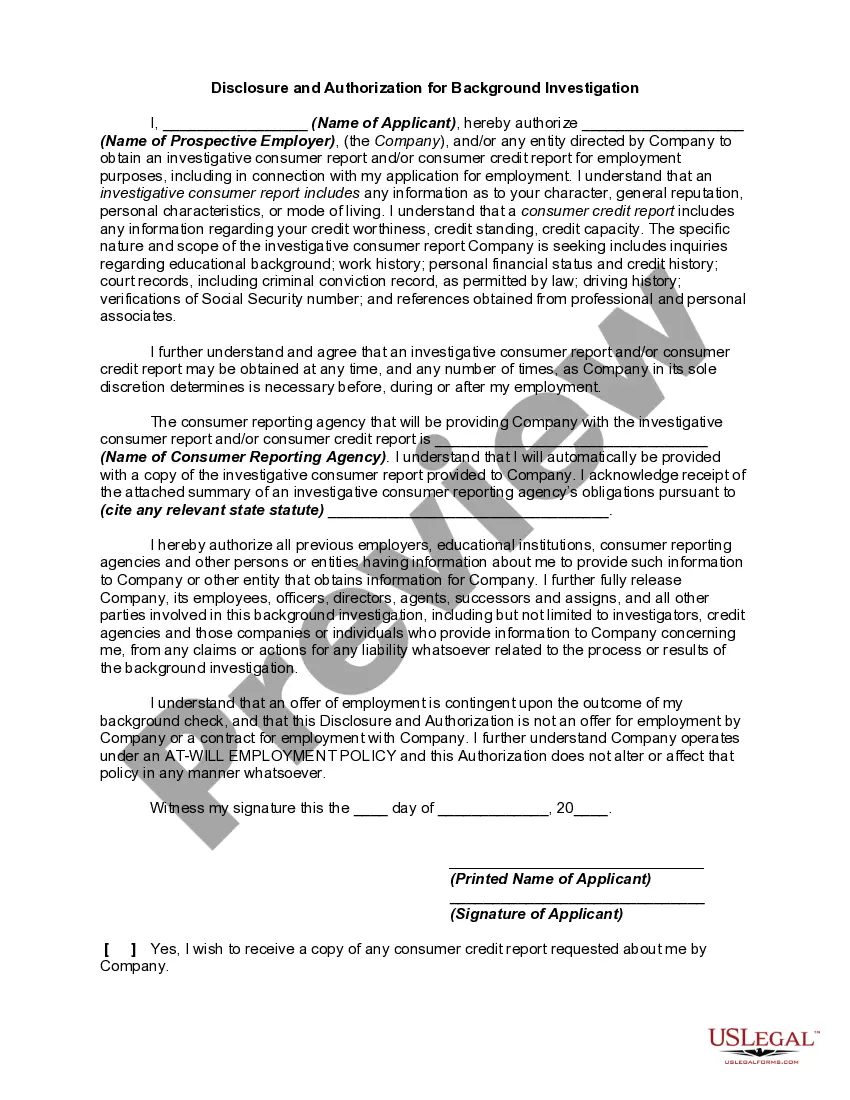
Get your form ready online
Our built-in tools help you complete, sign, share, and store your documents in one place.
Make edits, fill in missing information, and update formatting in US Legal Forms—just like you would in MS Word.
Download a copy, print it, send it by email, or mail it via USPS—whatever works best for your next step.
Sign and collect signatures with our SignNow integration. Send to multiple recipients, set reminders, and more. Go Premium to unlock E-Sign.
If this form requires notarization, complete it online through a secure video call—no need to meet a notary in person or wait for an appointment.
We protect your documents and personal data by following strict security and privacy standards.

Make edits, fill in missing information, and update formatting in US Legal Forms—just like you would in MS Word.

Download a copy, print it, send it by email, or mail it via USPS—whatever works best for your next step.

Sign and collect signatures with our SignNow integration. Send to multiple recipients, set reminders, and more. Go Premium to unlock E-Sign.

If this form requires notarization, complete it online through a secure video call—no need to meet a notary in person or wait for an appointment.

We protect your documents and personal data by following strict security and privacy standards.
Looking for another form?


Form popularity
FAQ
The FTC cannot resolve individual complaints, but it can provide information about what steps to take. The FTC says that complaints can help it and its law enforcement partners detect patterns of fraud and abuse, which may lead to investigations and stopping unfair business practices.
File a complaint with your local consumer protection office or the state agency that regulates the company. Notify the Better Business Bureau (BBB) in your area about your problem. The BBB tries to resolve your complaints against companies.
You may be advised to file a complaint with the Pennsylvania Human Relations Commission (PHRC). We cannot forward your complaint to the PHRC. You must personally contact that agency and file the appropriate paperwork within 180 days of the alleged act of harm.
The FTC's Bureau of Consumer Protection stops unfair, deceptive and fraudulent business practices by: collecting complaints and conducting investigations. suing companies and people that break the law.
THIS DISCLOSURE OF RIGHTS IS A SUMMARY OF PENNSYLVANIA LAW. THE ACTUAL PROVISIONS OF THE LAW ARE IN SECTION 9.3 OF THE UNFAIR TRADE PRACTICES AND CONSUMER PROTECTION LAW. (h) (1) The Office of Attorney General shall enforce the provisions of this section.
Competition and Consumer Protection Commission (CCPC) Consumer information. The CCPC has a consumer helpline and website that provides information on. Complaints handling. Enforcement. Registration and licencing.
Department of Consumer Affairs. File a complaint online at .dca.ca or call 800.952. 5210 to have a complaint form mailed to you.
THIS DISCLOSURE OF RIGHTS IS A SUMMARY OF PENNSYLVANIA LAW. THE ACTUAL PROVISIONS OF THE LAW ARE IN SECTION 9.3 OF THE UNFAIR TRADE PRACTICES AND CONSUMER PROTECTION LAW. (h) (1) The Office of Attorney General shall enforce the provisions of this section.
The Unfair Trade Practices & Consumer Protection Law (UTPCPL) is a Pennsylvania statute that prohibits “unfair methods of competition” and “unfair or deceptive acts or practices.” The UTPCPL, along with its implementing regulations, are geared toward companies in the consumer product and service industries.
The FTC's Bureau of Consumer Protection stops unfair, deceptive and fraudulent business practices by: collecting complaints and conducting investigations. suing companies and people that break the law. developing rules to maintain a fair marketplace.
