Removal Request Letter For Financial Assistance In Utah
Description

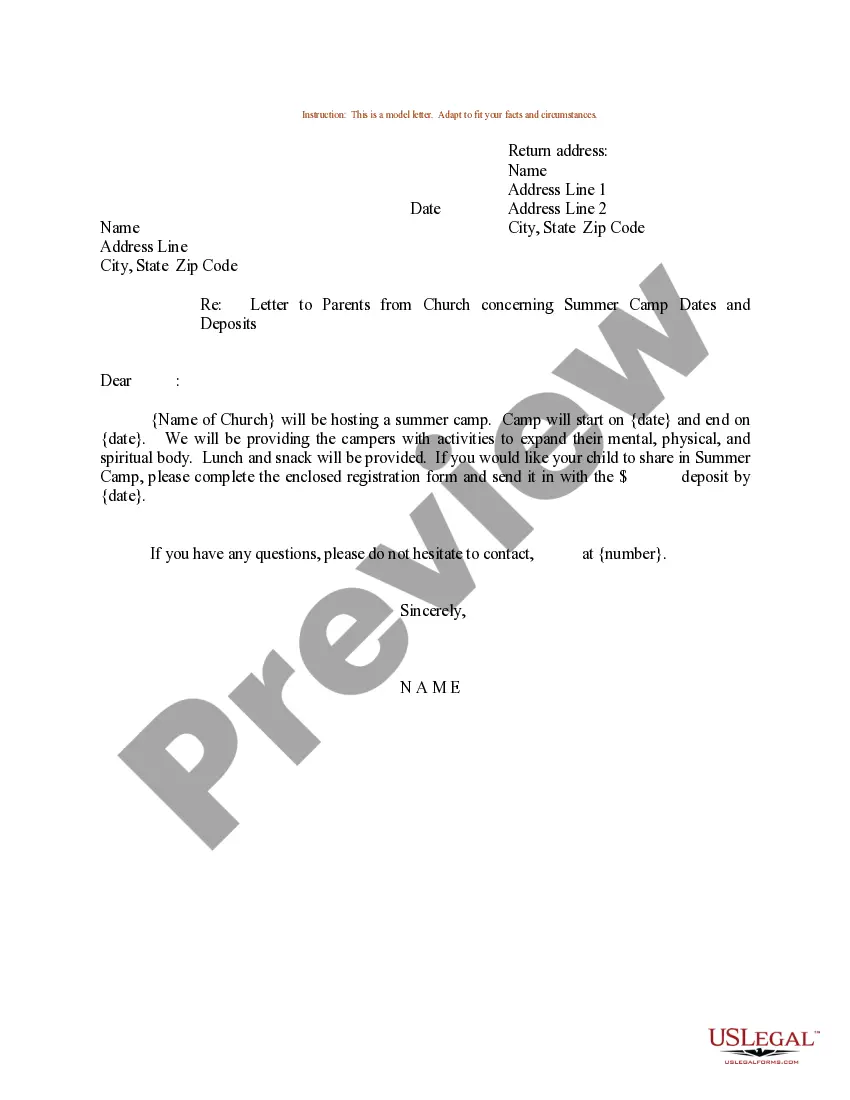
Get your form ready online
Our built-in tools help you complete, sign, share, and store your documents in one place.
Make edits, fill in missing information, and update formatting in US Legal Forms—just like you would in MS Word.
Download a copy, print it, send it by email, or mail it via USPS—whatever works best for your next step.
Sign and collect signatures with our SignNow integration. Send to multiple recipients, set reminders, and more. Go Premium to unlock E-Sign.
If this form requires notarization, complete it online through a secure video call—no need to meet a notary in person or wait for an appointment.
We protect your documents and personal data by following strict security and privacy standards.

Make edits, fill in missing information, and update formatting in US Legal Forms—just like you would in MS Word.

Download a copy, print it, send it by email, or mail it via USPS—whatever works best for your next step.

Sign and collect signatures with our SignNow integration. Send to multiple recipients, set reminders, and more. Go Premium to unlock E-Sign.

If this form requires notarization, complete it online through a secure video call—no need to meet a notary in person or wait for an appointment.

We protect your documents and personal data by following strict security and privacy standards.
Looking for another form?










Form popularity
FAQ
The key components of a letter of appeal for financial support typically include: Introduction. Start with a polite greeting and introduce yourself. Background. Provide context about your situation. Financial Details. Request for Support. Closing. Request Feedback. Explore Alternative Options. Reassess Your Situation.
- Briefly introduce yourself and state the purpose of the letter. - Explain your situation and why you need financial support. - Provide any relevant details, such as your financial circumstances, goals, and how the funds will be used. - Thank the recipient for considering your request.
- Briefly introduce yourself and state the purpose of the letter. - Explain your situation and why you need financial support. - Provide any relevant details, such as your financial circumstances, goals, and how the funds will be used. - Thank the recipient for considering your request.
Overall, a financial assistance letter can be a powerful tool for communicating your needs and seeking help. By providing a clear and compelling explanation of your situation, you can increase your chances of receiving the assistance you need to achieve financial stability and security.
A letter asking for financial help for a sick person should express the need clearly, respectfully and convincingly. Start with an appropriate salutation, introduce the person and their situation, and explain the severity of their condition. Finally, describe how the funds will be used and appeal for help.
Find help paying for medical care Medicaid. Children's Health Insurance Program (CHIP) Medicare. The Affordable Care Act (ACA) / Health Insurance Marketplace. Consolidated Omnibus Budget Reconciliation Act (COBRA)
The key components of a letter of appeal for financial support typically include: Introduction. Start with a polite greeting and introduce yourself. Background. Provide context about your situation. Financial Details. Request for Support. Closing. Request Feedback. Explore Alternative Options. Reassess Your Situation.
(1) General Assistance provides temporary financial assistance to single persons and married couples who have no dependent children residing with them 50% or more of the time and who have a physical or mental health impairment that prevents the client from working any number of hours at all in any occupation.