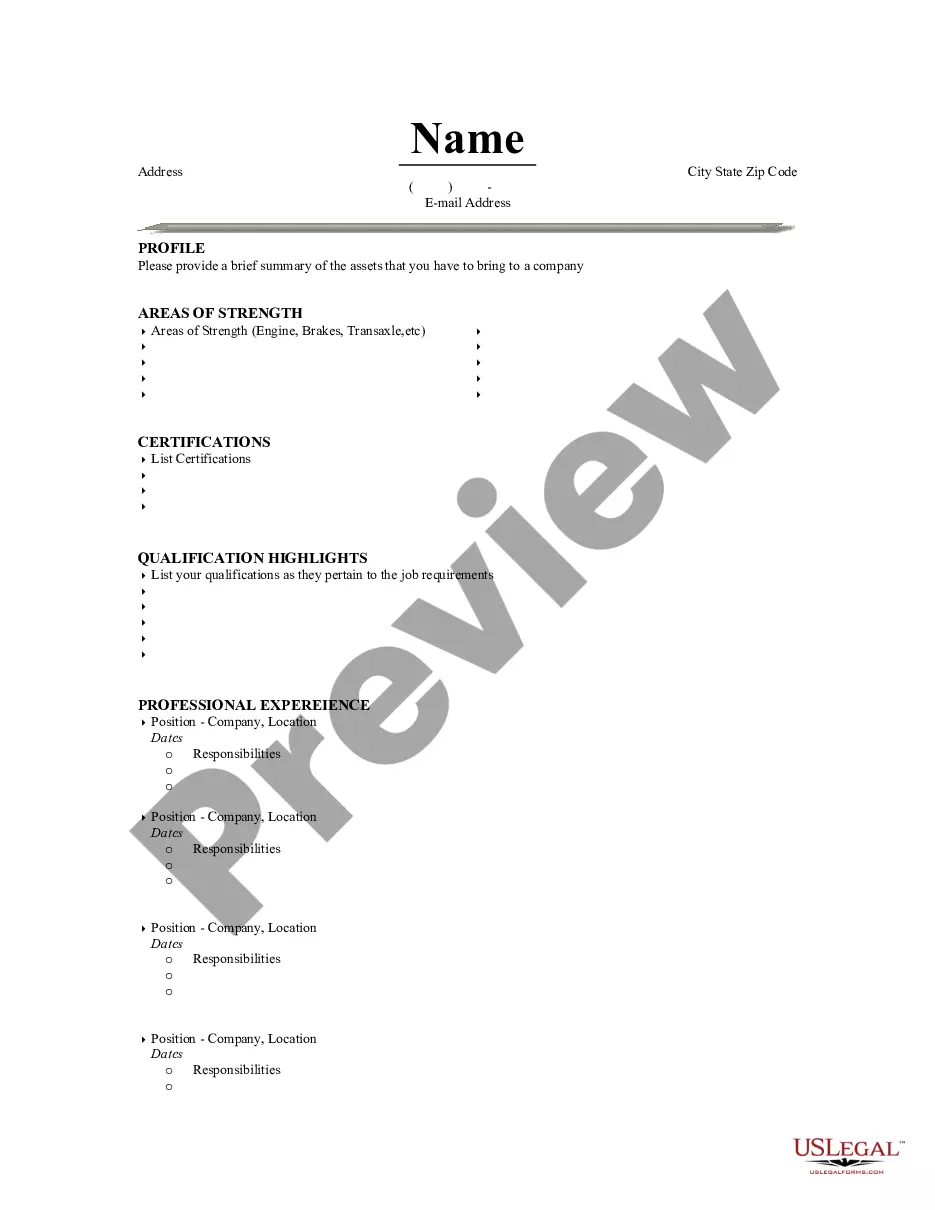
Removal Request Letter For Non Profit In Santa Clara
Description

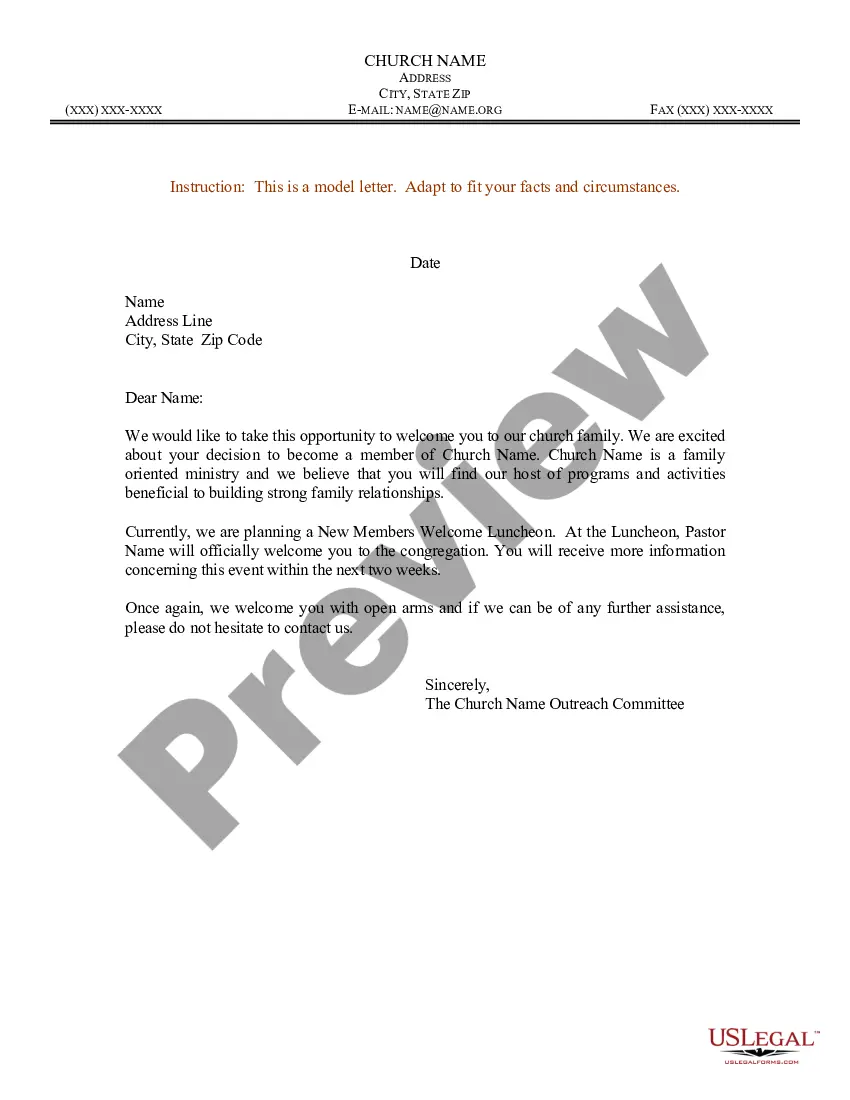
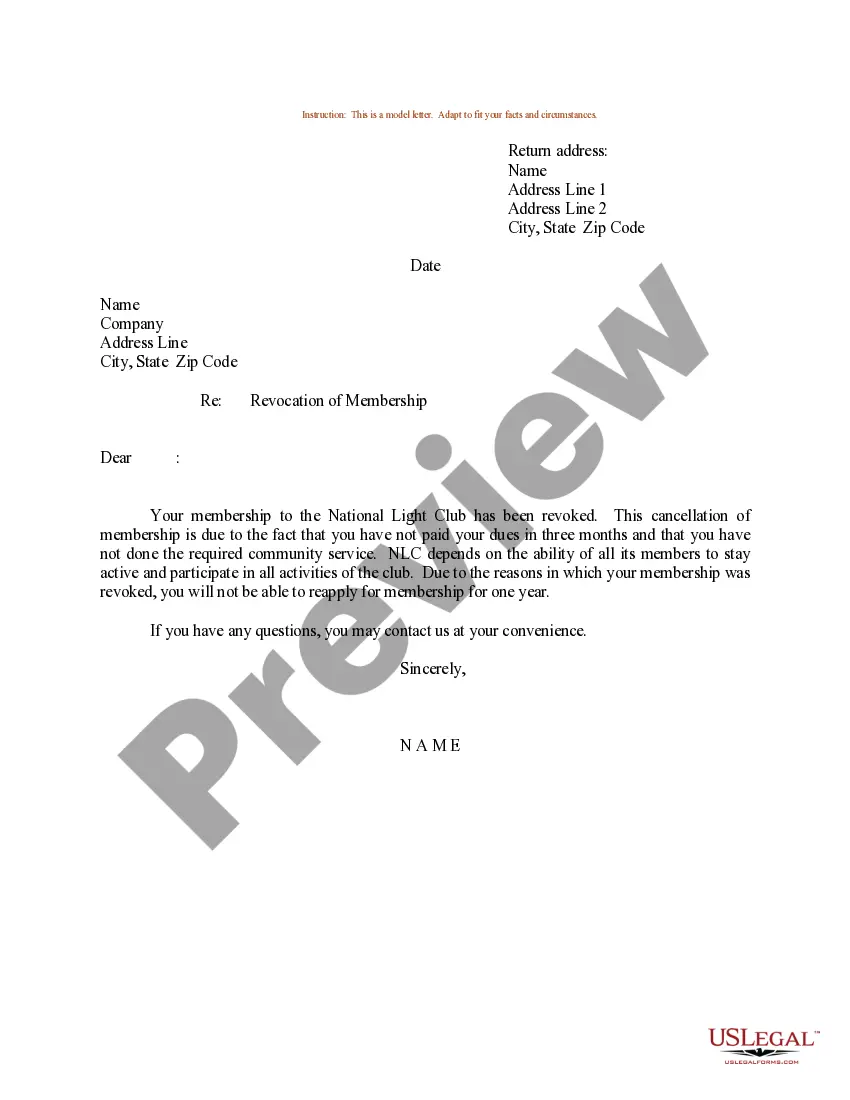
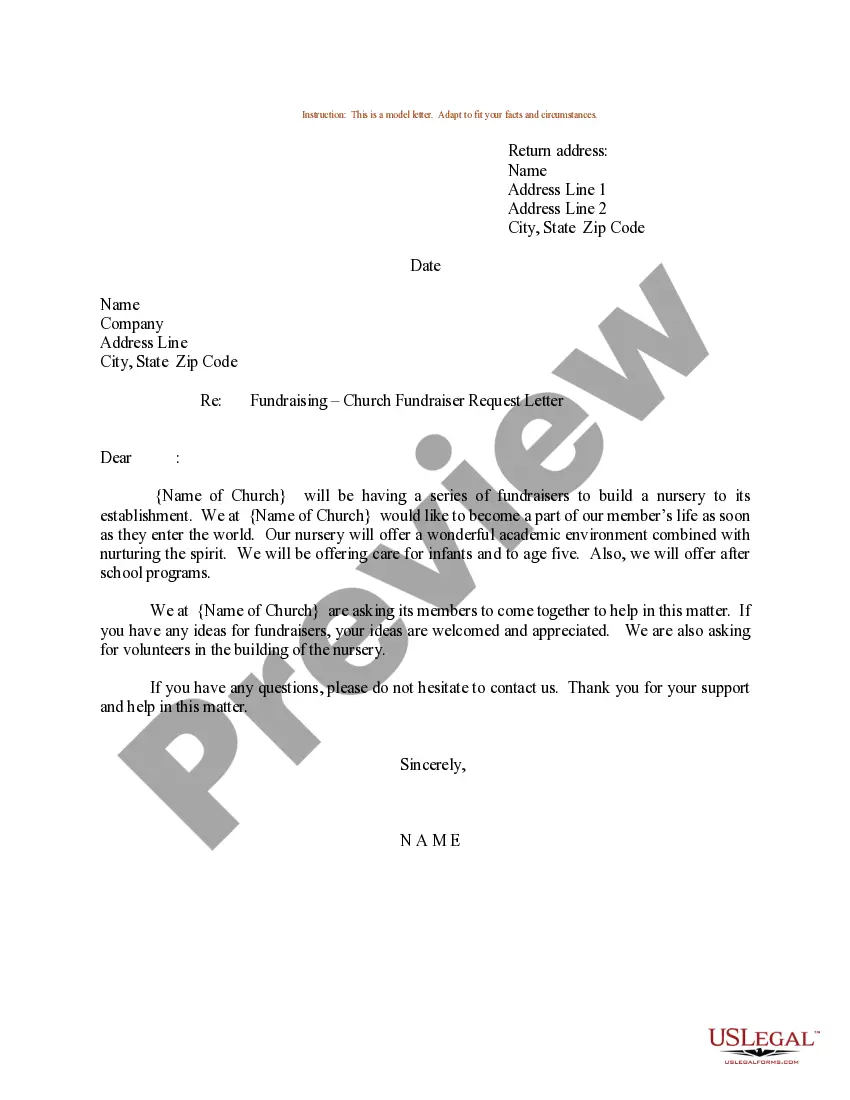
Get your form ready online
Our built-in tools help you complete, sign, share, and store your documents in one place.
Make edits, fill in missing information, and update formatting in US Legal Forms—just like you would in MS Word.
Download a copy, print it, send it by email, or mail it via USPS—whatever works best for your next step.
Sign and collect signatures with our SignNow integration. Send to multiple recipients, set reminders, and more. Go Premium to unlock E-Sign.
If this form requires notarization, complete it online through a secure video call—no need to meet a notary in person or wait for an appointment.
We protect your documents and personal data by following strict security and privacy standards.

Make edits, fill in missing information, and update formatting in US Legal Forms—just like you would in MS Word.

Download a copy, print it, send it by email, or mail it via USPS—whatever works best for your next step.

Sign and collect signatures with our SignNow integration. Send to multiple recipients, set reminders, and more. Go Premium to unlock E-Sign.

If this form requires notarization, complete it online through a secure video call—no need to meet a notary in person or wait for an appointment.

We protect your documents and personal data by following strict security and privacy standards.
Looking for another form?





Form popularity
FAQ
The most common policy for member organizations is to call a meeting of members and notify the board member in writing that they will be voted upon during said meeting. From there, bylaws can require the majority of (or sometimes more) members to vote to remove the board member.
Process to Remove a Board Member Review Bylaws and Legal Requirements. Document Reasons for Removal. Notify the Board Member. Hold a Board Meeting. Vote on the Removal.
The process typically involves passing a board resolution, notifying government agencies, settling debts, distributing assets, filing final tax returns, and canceling registrations. Specific steps may vary depending on local laws and the organization's structure. Do we need board approval to dissolve the nonprofit?
California Corporations Code Section 12362 allows for the removal of board members without cause, but it requires a vote by the members of the corporation. Removal without cause does not require a statement as to why the director should be removed.
A petition to remove a board member should include: A greeting to the board and reason for writing your letter. A list of the reasons with evidence as to why you think they should be removed. The form of action you are asking to be taken. A conclusion and statement of the identities of the petitioners. Signature spaces.
Step-by-Step Guide: How to Remove a Nonprofit Board Member Check Your Bylaws. Before taking action, it is important to check your bylaws. Ask for a Resignation or Leave of Absence. Seek Unanimous Consent. Schedule a Special Meeting. Hold a Vote. Report to the State and the IRS.
If you have received unsolicited mail from charities or nonprofits, you can request to be removed from their mailing lists by writing to the charity directly. In some cases, charities receive your information from other organizations, including a retailer or a magazine subscription list.
The most common policy for member organizations is to call a meeting of members and notify the board member in writing that they will be voted upon during said meeting. From there, bylaws can require the majority of (or sometimes more) members to vote to remove the board member.
Nonprofits must consult their operating agreement and follow the bylaws of ownership transfer. They can also gift the agency to someone else or transfer ownership through nonprofit mergers or acquisitions so long as it is not prohibited by the operating agreement.
In California, the procedures to voluntarily wind up operations are called “dissolution” of the nonprofit corporation. Dissolution can be accomplished by either filing an action with the superior court or by complying with voluntary dissolution procedures.