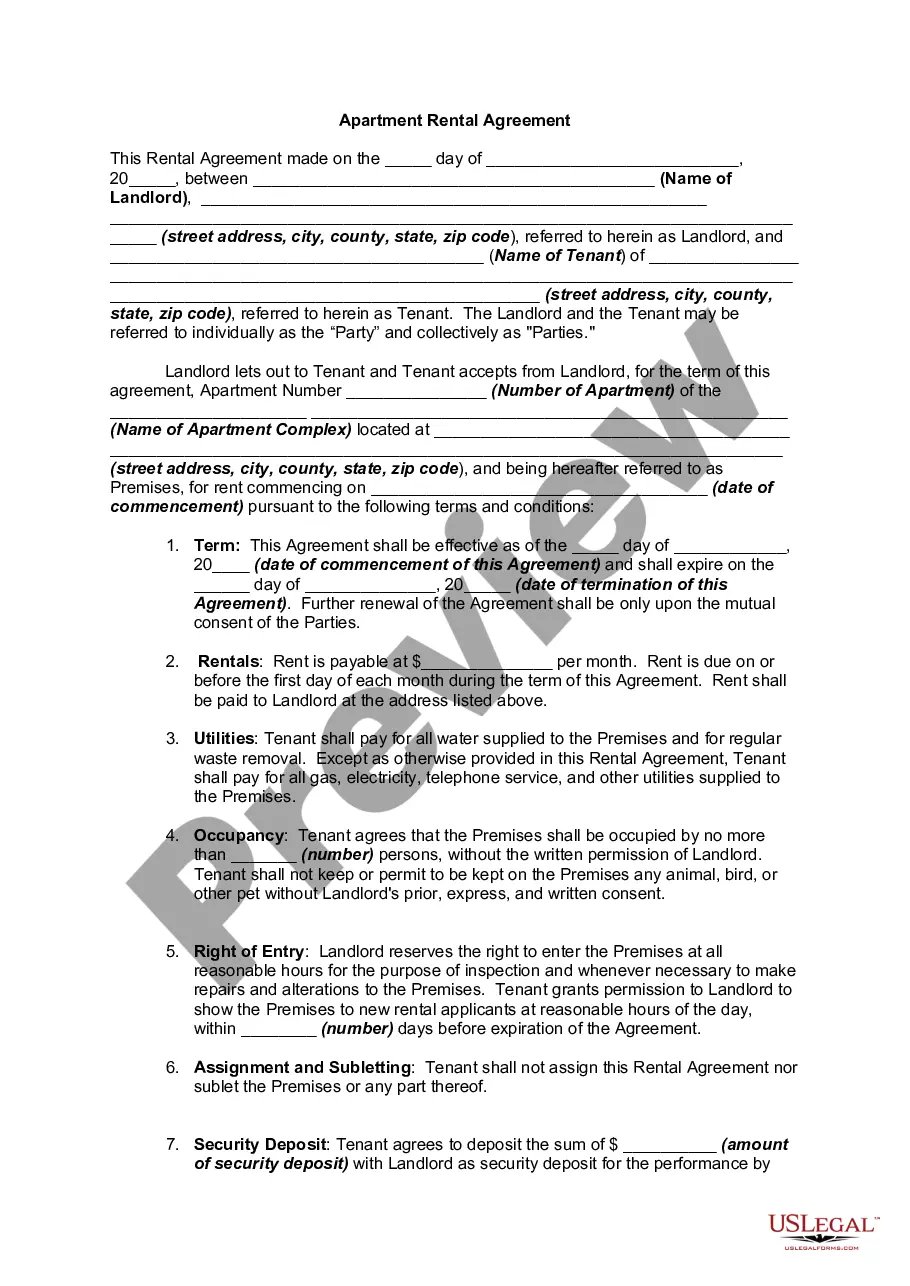
Removal Request Letter For School In Riverside
Description

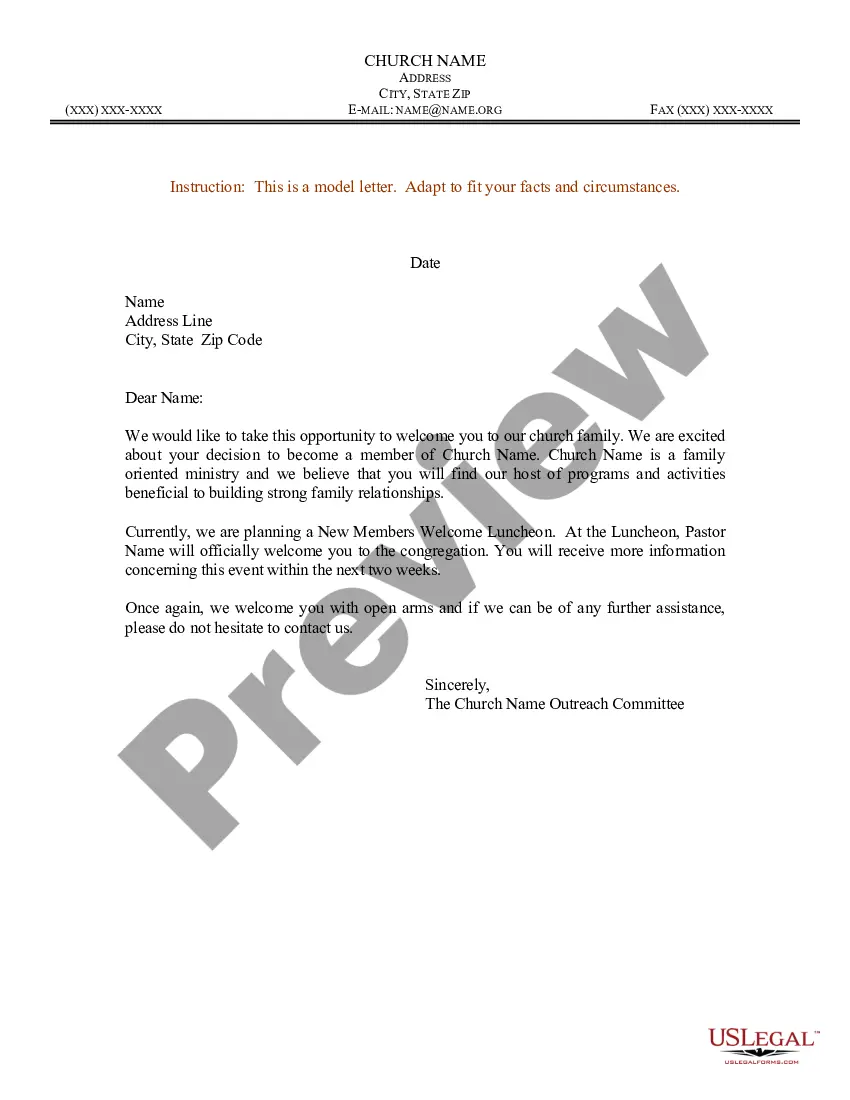
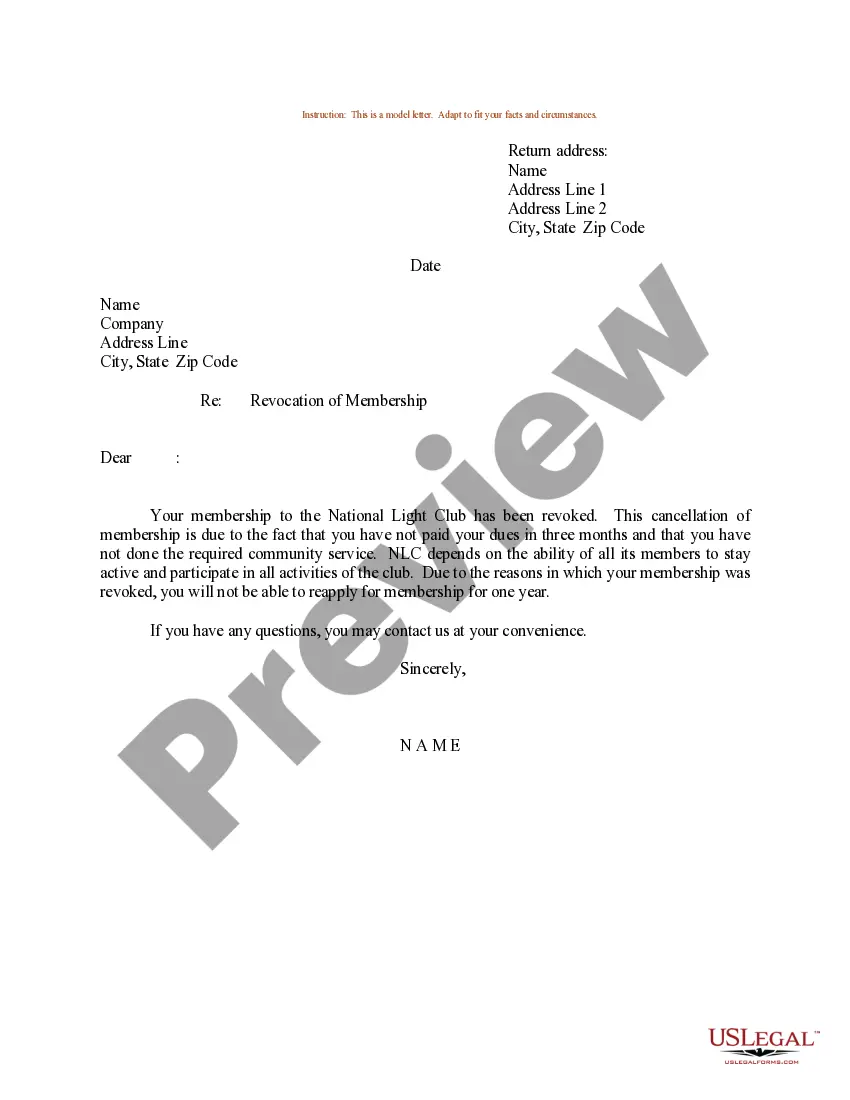
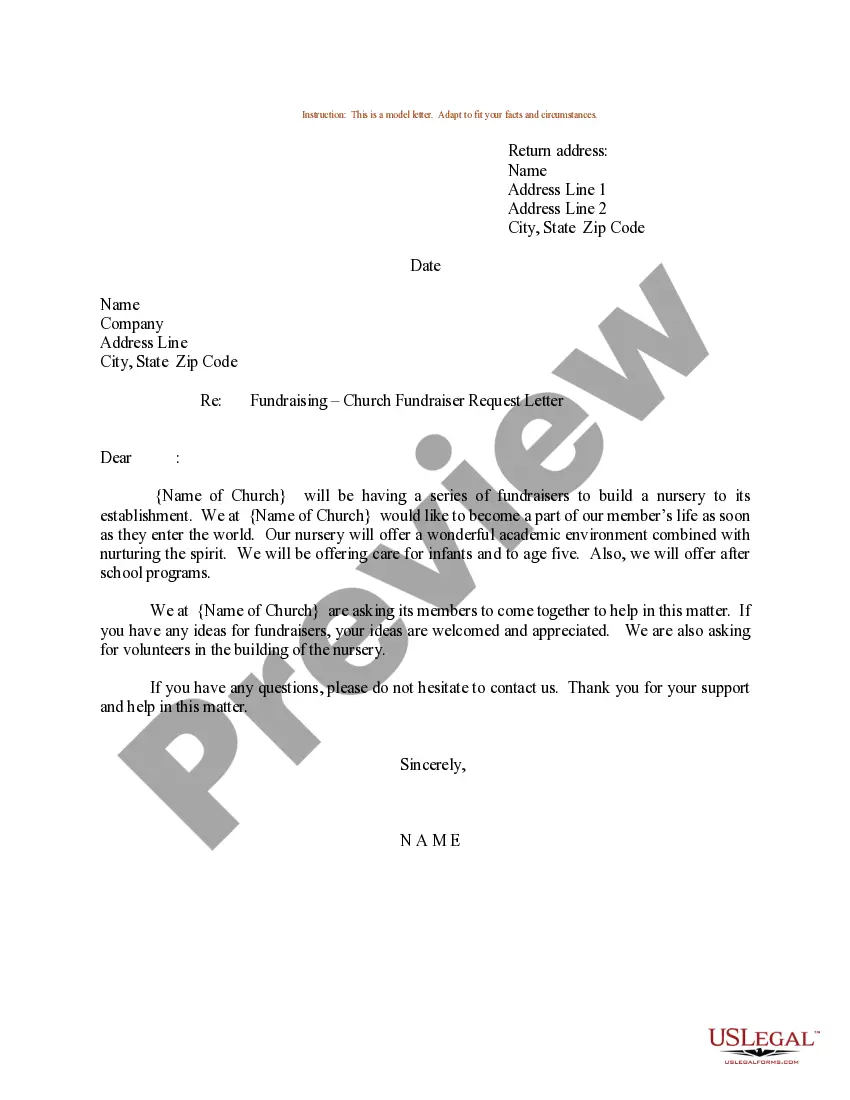
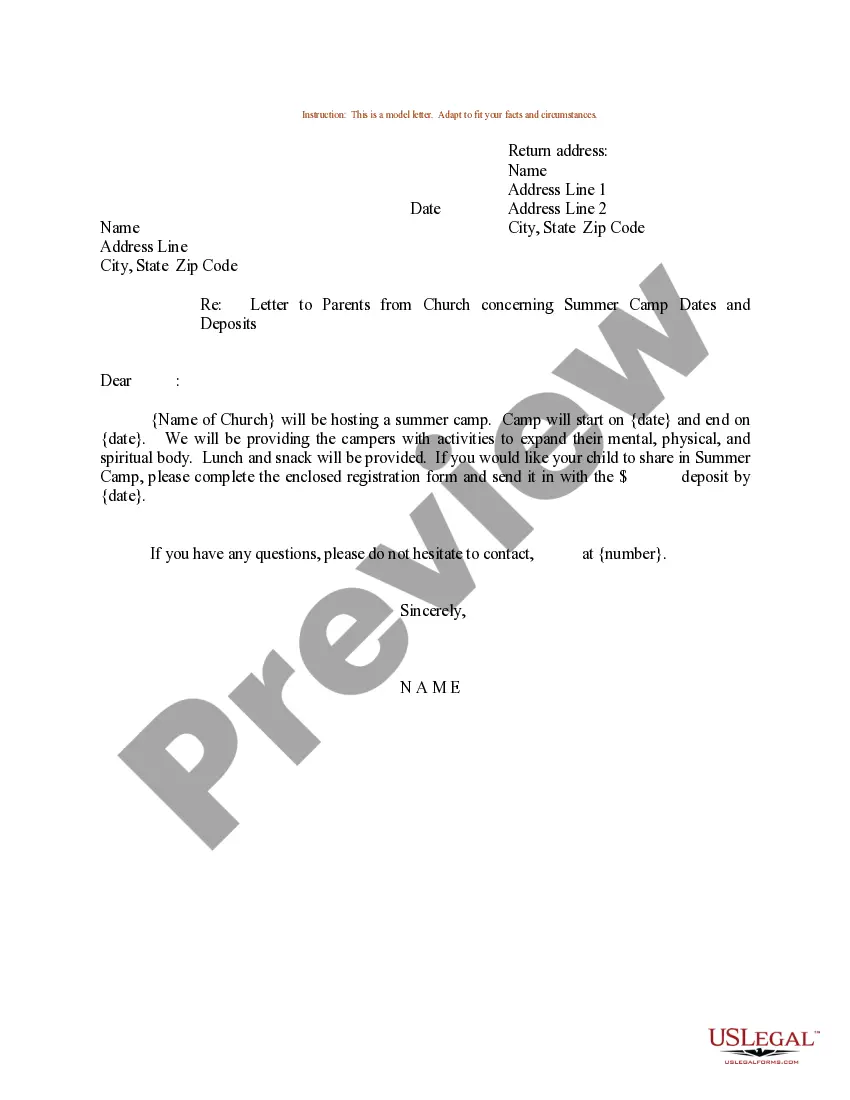
Get your form ready online
Our built-in tools help you complete, sign, share, and store your documents in one place.
Make edits, fill in missing information, and update formatting in US Legal Forms—just like you would in MS Word.
Download a copy, print it, send it by email, or mail it via USPS—whatever works best for your next step.
Sign and collect signatures with our SignNow integration. Send to multiple recipients, set reminders, and more. Go Premium to unlock E-Sign.
If this form requires notarization, complete it online through a secure video call—no need to meet a notary in person or wait for an appointment.
We protect your documents and personal data by following strict security and privacy standards.

Make edits, fill in missing information, and update formatting in US Legal Forms—just like you would in MS Word.

Download a copy, print it, send it by email, or mail it via USPS—whatever works best for your next step.

Sign and collect signatures with our SignNow integration. Send to multiple recipients, set reminders, and more. Go Premium to unlock E-Sign.

If this form requires notarization, complete it online through a secure video call—no need to meet a notary in person or wait for an appointment.

We protect your documents and personal data by following strict security and privacy standards.
Looking for another form?





Form popularity
FAQ
Ending a Letter of Request: Overview Always use polite language to end your letter. For a business letter, include a formal, respectful closing like "Sincerely," "Respectfully," or "Best regards," followed by your signature. For a personal letter, use a simple, complimentary closing like "Sincerely yours."
10 ways to end a formal letter 1 Sincerely. 2 Cordially. 3 Thank you. 4 Appreciatively. 5 Regards. 6 Best. 7 Respectfully. 8 Looking forward to ___
In closing, thank the authority for entertaining the permission letter. Afterwards, write “Yours' faithfully” or “Yours Sincerely”. Then, mention your signature and name.
Common ways to end a letter include “Sincerely,” “Respectfully,” “Regards,” “Best,” and “Appreciatively.” Effective formal letter closings are polite, professional, and clear. They are generally used to express appreciation, respect, or goodwill toward your recipient.
Use 'Yours sincerely,' when writing to a named person. Use 'Yours faithfully,' when using the 'Dear Sir/Madam' greeting. Use the semi-formal 'Best regards,' or 'Kind regards,' if you wish the tone to be slightly less formal.
Dear Principal/Teacher's Name, I hope this letter finds you well. I am writing to inform you that my child, Your Child's Name, in Grade/Class, will be absent from school on Date(s) due to reason for absence. We kindly request that you mark this absence as excused.
5 Tips for Writing a Powerful Termination Letter for Services Start with a Clear Statement of Termination. Provide a Reason for Termination. Specify the Effective Date. Outline Any Outstanding Obligations. Include Contact Information for Follow-Up.
Be Honest but Respectful: You don't need to provide excessive details about your situation, but you should be honest about your reasons for withdrawal. Keep It Professional: Use a formal tone and structure. Express Gratitude: Thank the school for the support and opportunities you've received.
Be Honest but Respectful: You don't need to provide excessive details about your situation, but you should be honest about your reasons for withdrawal. Keep It Professional: Use a formal tone and structure. Express Gratitude: Thank the school for the support and opportunities you've received.
Dear (Mr./Mrs/Ms Principal's last name), I am writing to notify you that I am withdrawing my child, (Child's Name), from enrollment in the (Name of School District) School District. I will be teaching my child at home. If you have any questions, please submit them to me in writing at the address shown above.