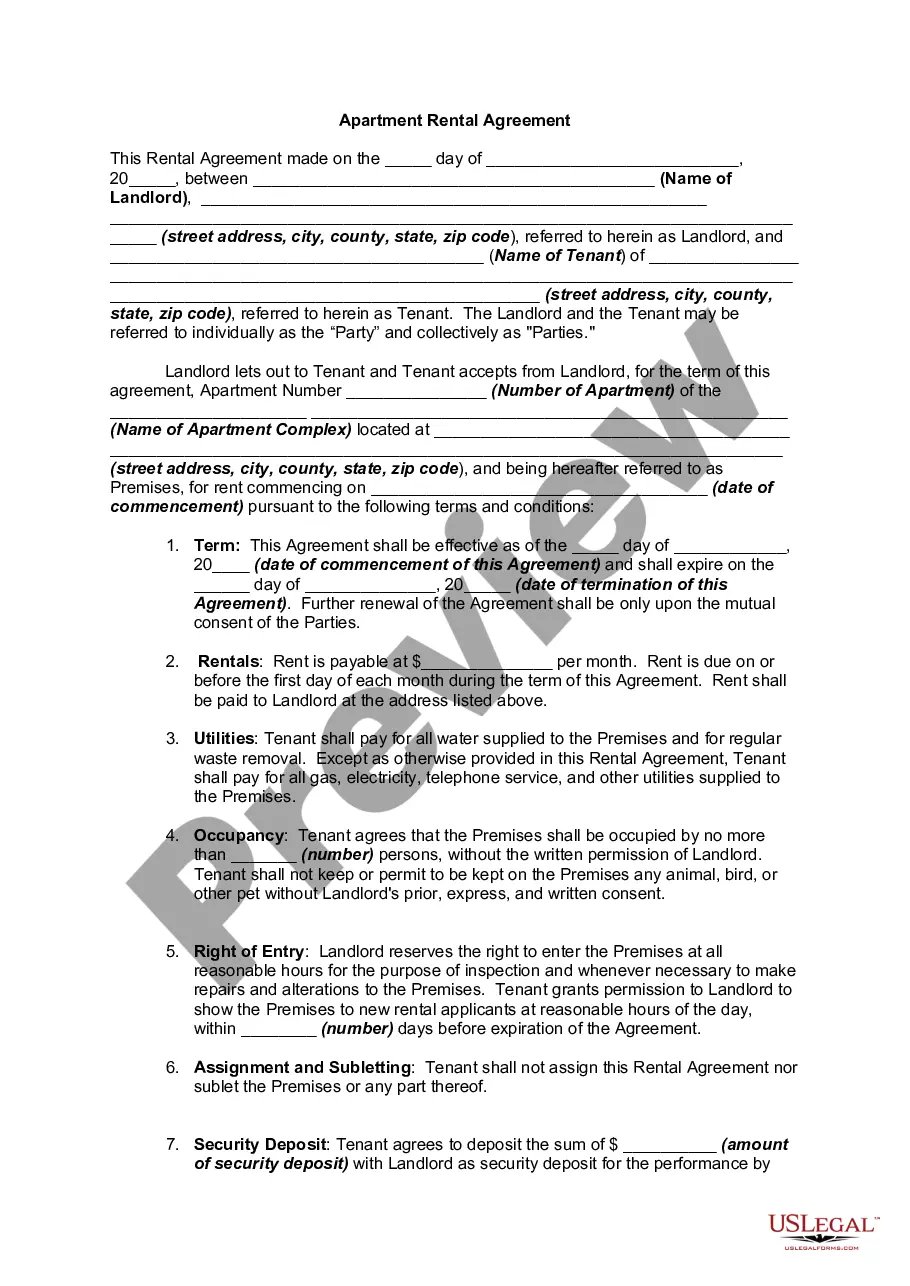
Removal Request Letter For Leave In Nevada
Description

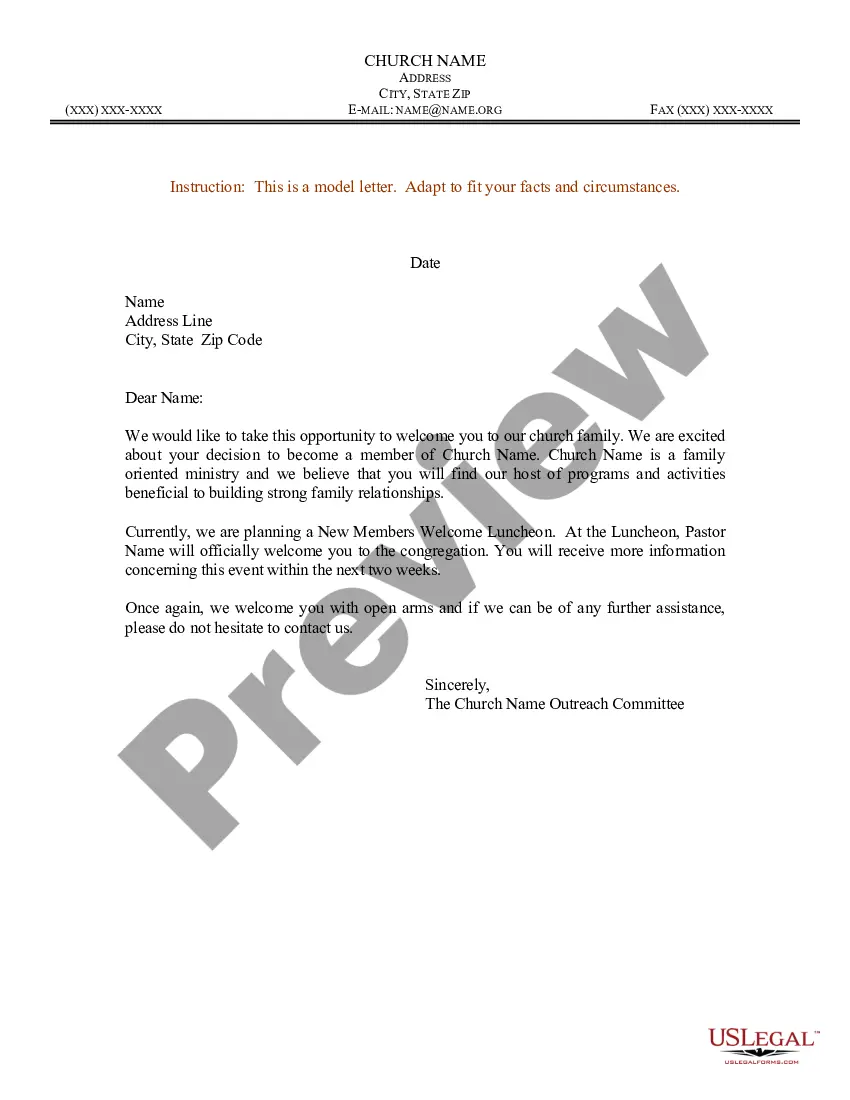
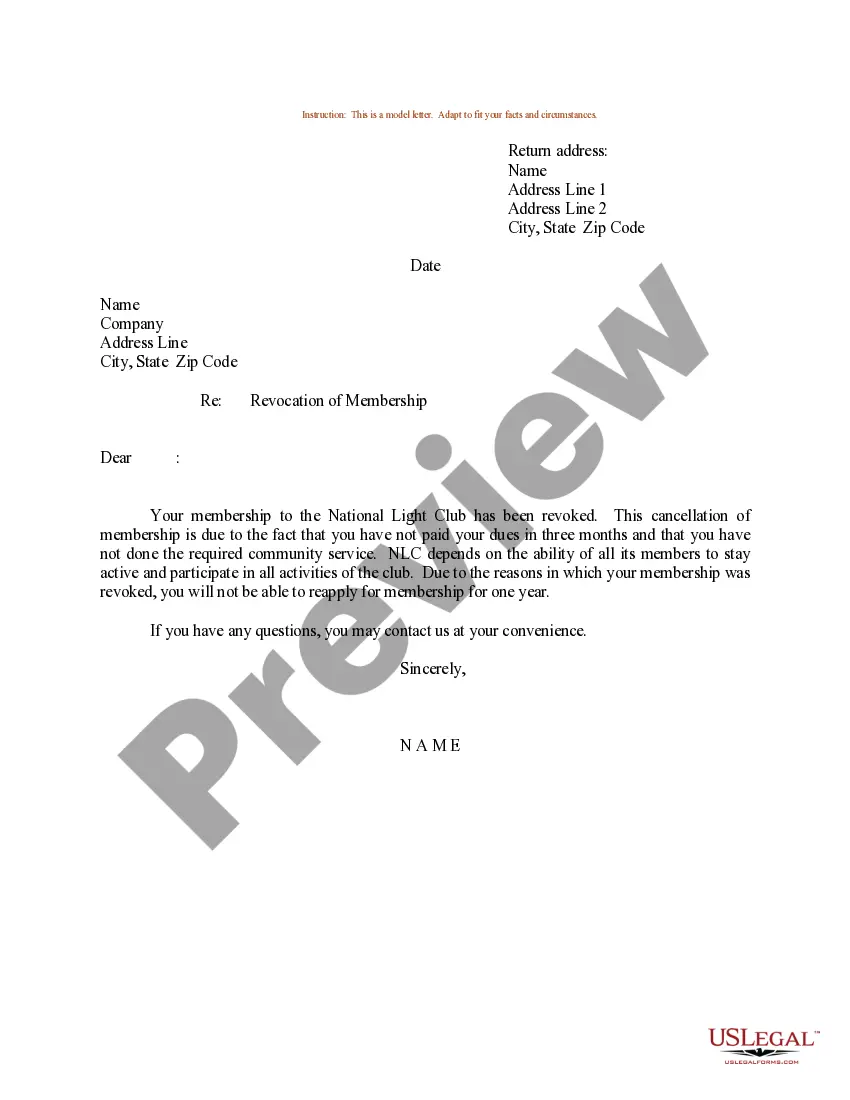
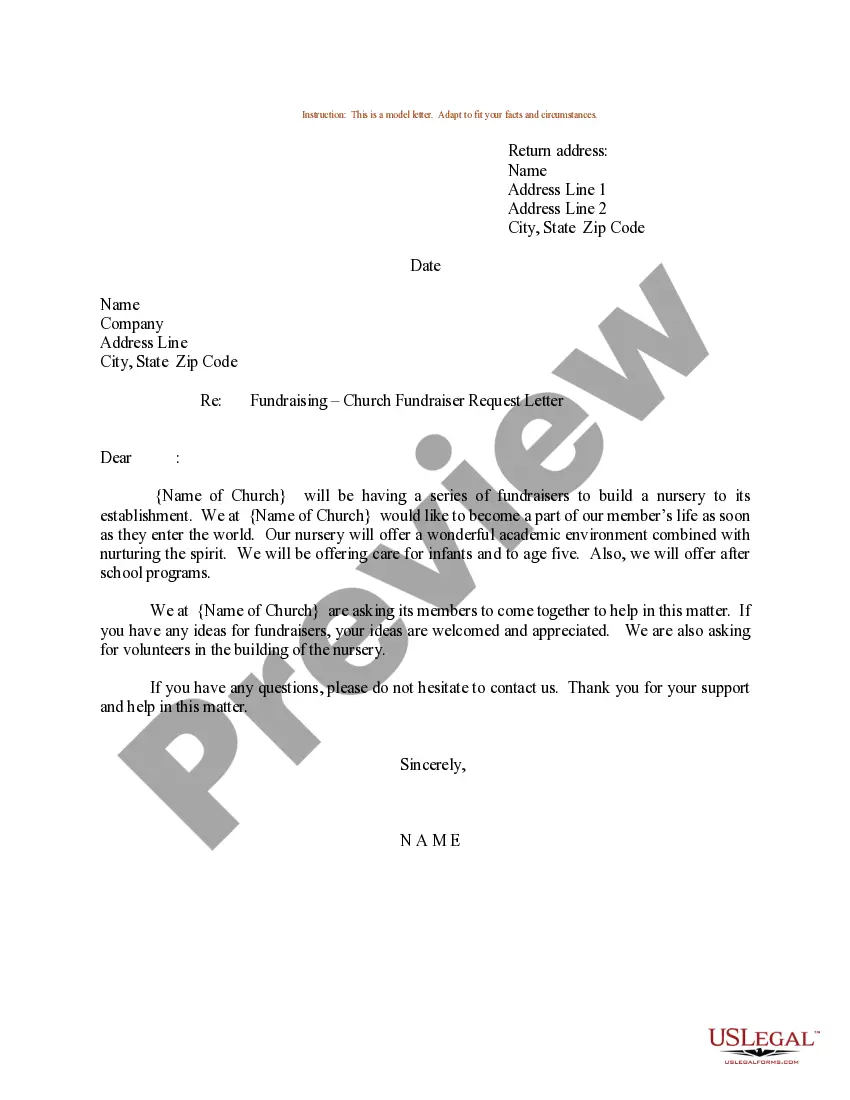
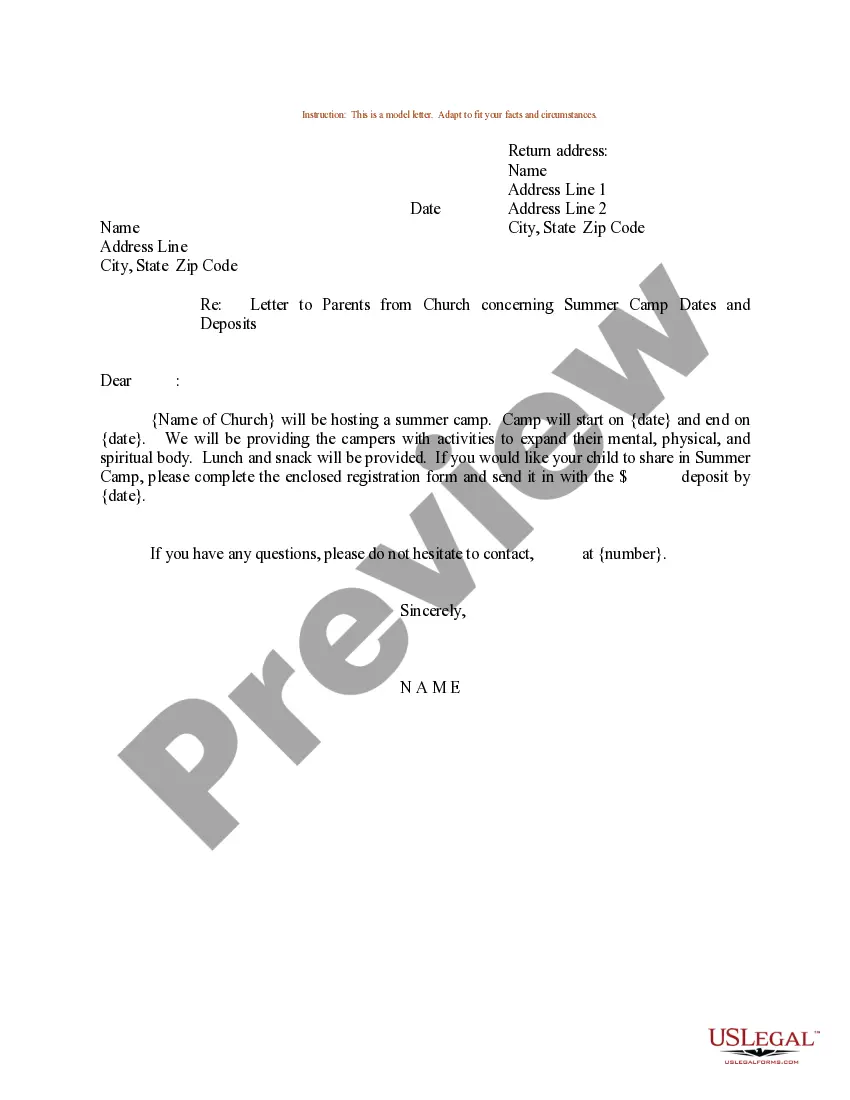
Get your form ready online
Our built-in tools help you complete, sign, share, and store your documents in one place.
Make edits, fill in missing information, and update formatting in US Legal Forms—just like you would in MS Word.
Download a copy, print it, send it by email, or mail it via USPS—whatever works best for your next step.
Sign and collect signatures with our SignNow integration. Send to multiple recipients, set reminders, and more. Go Premium to unlock E-Sign.
If this form requires notarization, complete it online through a secure video call—no need to meet a notary in person or wait for an appointment.
We protect your documents and personal data by following strict security and privacy standards.

Make edits, fill in missing information, and update formatting in US Legal Forms—just like you would in MS Word.

Download a copy, print it, send it by email, or mail it via USPS—whatever works best for your next step.

Sign and collect signatures with our SignNow integration. Send to multiple recipients, set reminders, and more. Go Premium to unlock E-Sign.

If this form requires notarization, complete it online through a secure video call—no need to meet a notary in person or wait for an appointment.

We protect your documents and personal data by following strict security and privacy standards.
Looking for another form?


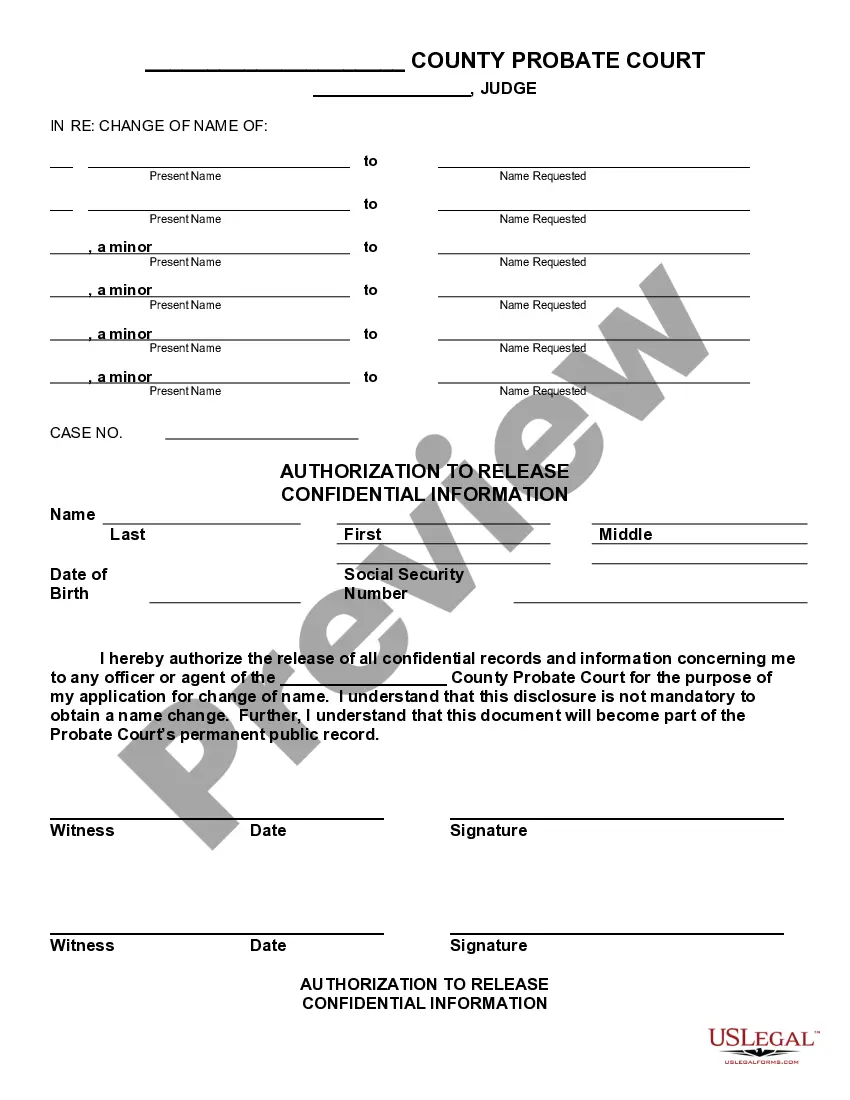






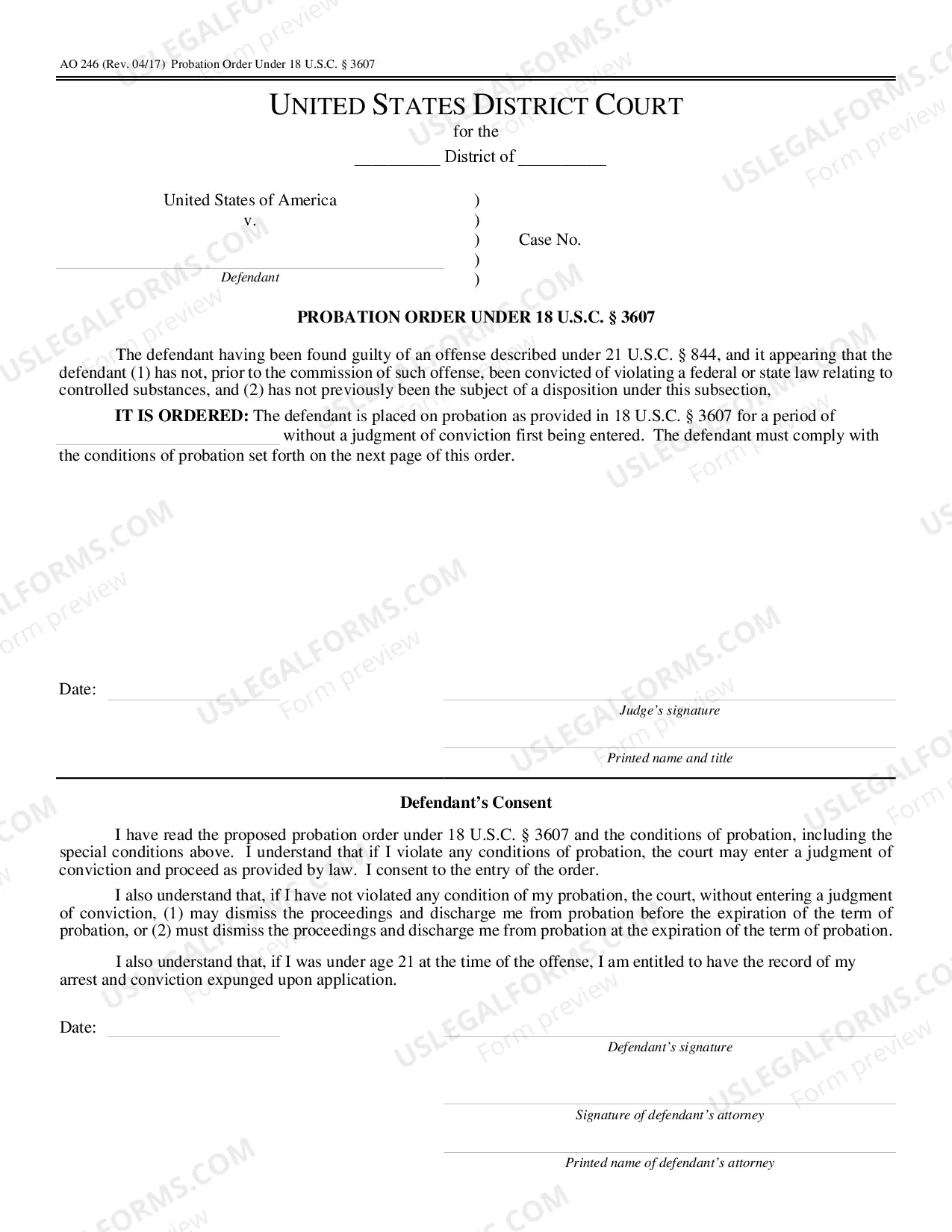
Form popularity
FAQ
Under Nevada law, NRS 40.251, the landlord can serve a No Cause Eviction Notice after your lease has expired. This Notice does not have to provide you with any reason for the eviction. If you rent by the week, the landlord must serve a 7 day notice.
It is not easy to remove eviction records unless the court comes to your aid or you are able to work out an agreement with the landlord. The court can only allow an eviction removal if the property manager: Did not follow the proper eviction procedure. Violated eviction laws.
You can't remove an eviction from your (court) record ever. Your eviction is a matter of public and permanent court record. Removing it from your credit report is not going to remove it from your court record.
Currently, there are 12 states, including the District of Columbia, that have passed policies or programs related to the sealing or expunging of eviction records, with the State of Connecticut and the State of Rhode Island being the two most recent states to have passed such protections for renters in 2023.
In California, once a tenant has given a notice of intent to vacate, they are typically bound by this notice. However, if the tenant wishes to rescind their notice, it would require the landlord's agreement. The landlord is not legally obligated to accept the retraction of the notice.
Nevada law requires a thirty-day notice to the tenant (or a seven-day notice if the tenant pays rent weekly), followed by a second five-day Notice to Quit for Unlawful Detainer (after the first notice period has elapsed) instructing the tenant to leave because tenant's presence is now unlawful.
One cannot remove an eviction from one's record. That is permanent Court record. And while some kinds of Court records can be sealed -- evictions aren't among those kinds of records.
Eviction records can stay in your tenant screening reports for up to seven years. The same seven-year timeline also applies to other public records, such as judgments, Chapter 13 bankruptcy and information about lawsuits.
The court will determine whether you can stay the additional 30 days. If you are 59 or younger and not disabled, you can ask the court for more time (up to 10 days) to move under NRS 70.010.
Nevada law dictates that a tenant has 24-36 hours to vacate the property before they will be removed if their eviction is about nonpayment of rent. There is no specific timeframe for law enforcement officers to evict a tenant for other types of evictions.