United Methodist Church Membership Removal Without Surgery In Illinois
Description

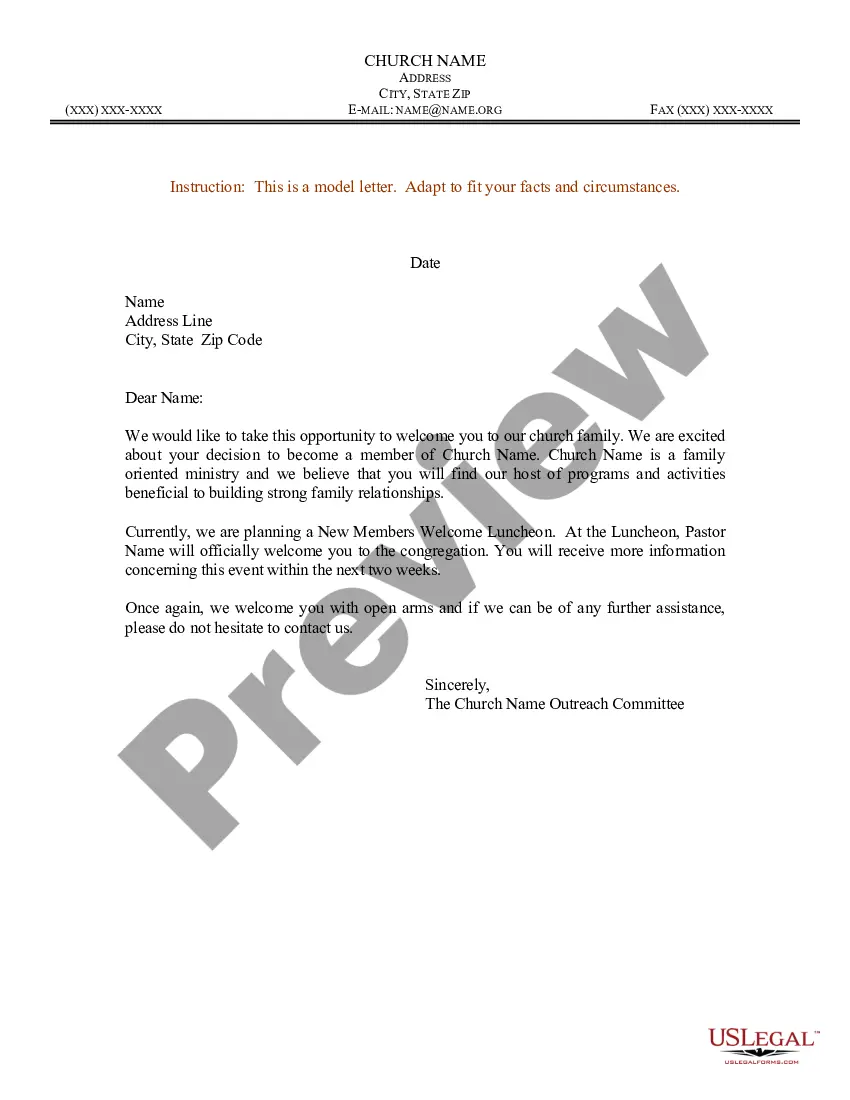
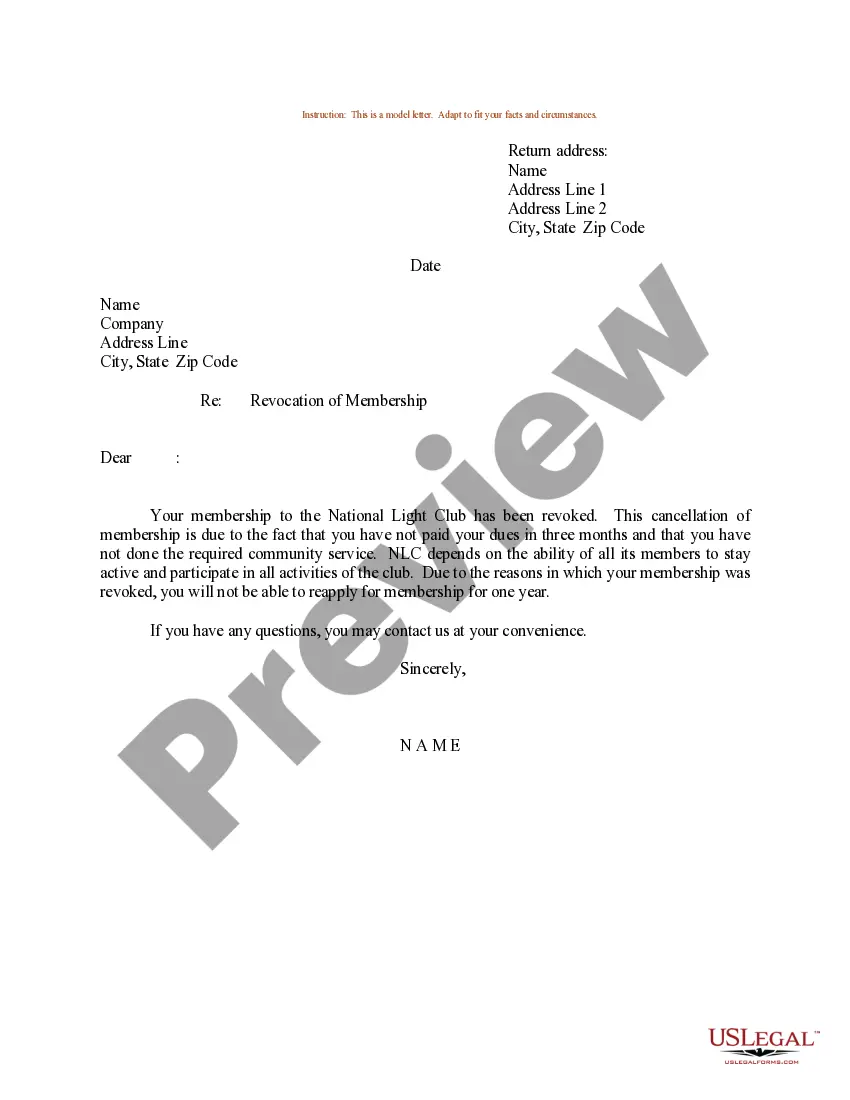
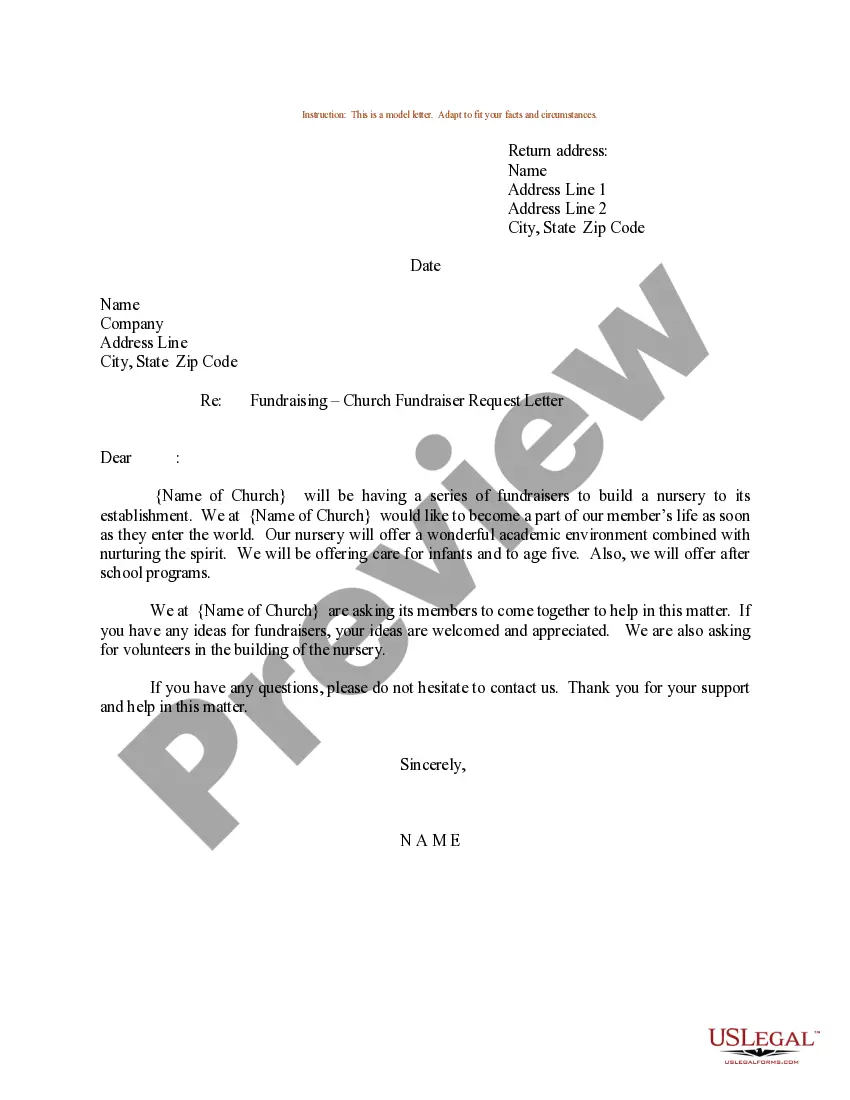
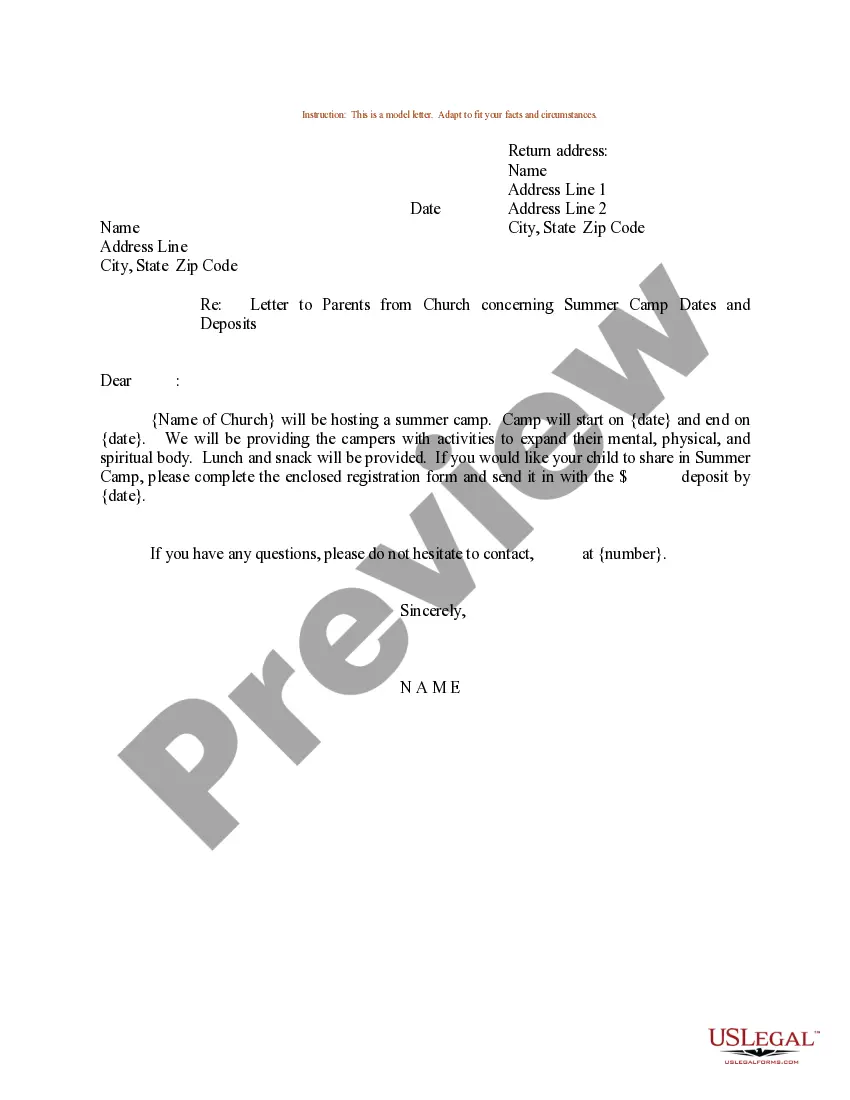
Get your form ready online
Our built-in tools help you complete, sign, share, and store your documents in one place.
Make edits, fill in missing information, and update formatting in US Legal Forms—just like you would in MS Word.
Download a copy, print it, send it by email, or mail it via USPS—whatever works best for your next step.
Sign and collect signatures with our SignNow integration. Send to multiple recipients, set reminders, and more. Go Premium to unlock E-Sign.
If this form requires notarization, complete it online through a secure video call—no need to meet a notary in person or wait for an appointment.
We protect your documents and personal data by following strict security and privacy standards.

Make edits, fill in missing information, and update formatting in US Legal Forms—just like you would in MS Word.

Download a copy, print it, send it by email, or mail it via USPS—whatever works best for your next step.

Sign and collect signatures with our SignNow integration. Send to multiple recipients, set reminders, and more. Go Premium to unlock E-Sign.

If this form requires notarization, complete it online through a secure video call—no need to meet a notary in person or wait for an appointment.

We protect your documents and personal data by following strict security and privacy standards.
Looking for another form?





Form popularity
FAQ
Churches that wish to disaffiliate from The United Methodist Church should submit a letter requesting disaffiliation signed by 2-3 church officers to their District Superintendent (i.e., trustees, church council chair, finance, S/PPRC, etc.)
The United Methodist Church, with an estimated 10.4 million members, has current policies that are strongly against the LGBTQ+ community. However, many church leaders, including local pastors, welcome gays and s as church members and support their basic human rights.
Disaffiliation, a process for local congregations to be authorized to leave The United Methodist Church while retaining their property, had been authorized under certain circumstances by the 2019 special called General Conference. The 2024 General Conference deleted the paragraph (2553) authorizing disaffiliation.
Factions within the denominations split over disagreements in theology, namely, how the church considers LGBTQ+ ministers and congregants. In Oklahoma, where the United Methodist Church was one of the most practiced beliefs in the state, more than 120 congregations voted to leave the church.
The decision to disaffiliate from the UMC must be approved by a two-thirds (2/3) majority vote of the professing members of the local church present at the church conference. GNJ congregations are required to begin this process no later than September 30, 2022.
Churches that wish to disaffiliate from The United Methodist Church should submit a letter requesting disaffiliation signed by 2-3 church officers to their District Superintendent (i.e., trustees, church council chair, finance, S/PPRC, etc.)
The lay member does this by formally requesting that the pastor of the church to which he or she is transferring ask for the proper letter or certificate of transfer from the former church. When the letter or certificate is sent, the lay person ceases to be a member of the former local church.
After a three-month period of discernment open to all members of the local church, a majority of the professing members must show they are in favor of moving forward in the process. Then, at a duly called church conference (¶248), two-thirds of the professing members present must vote in favor of disaffiliation.
When does a disaffiliating congregation officially end its relationship with the UMC and GNJ? When all seven steps of disaffiliation are completed and the church makes all required financial payments. This must occur no later than December 31, 2023, for the congregation to disaffiliate.
Associate Justice Tommy Bryan wrote in his opinion, “By enacting ¶ 2553, the UMC allowed churches the opportunity to leave the UMC and retain their property if they were to leave “for reasons of conscience”; the churches had a certain period to make their decision.

