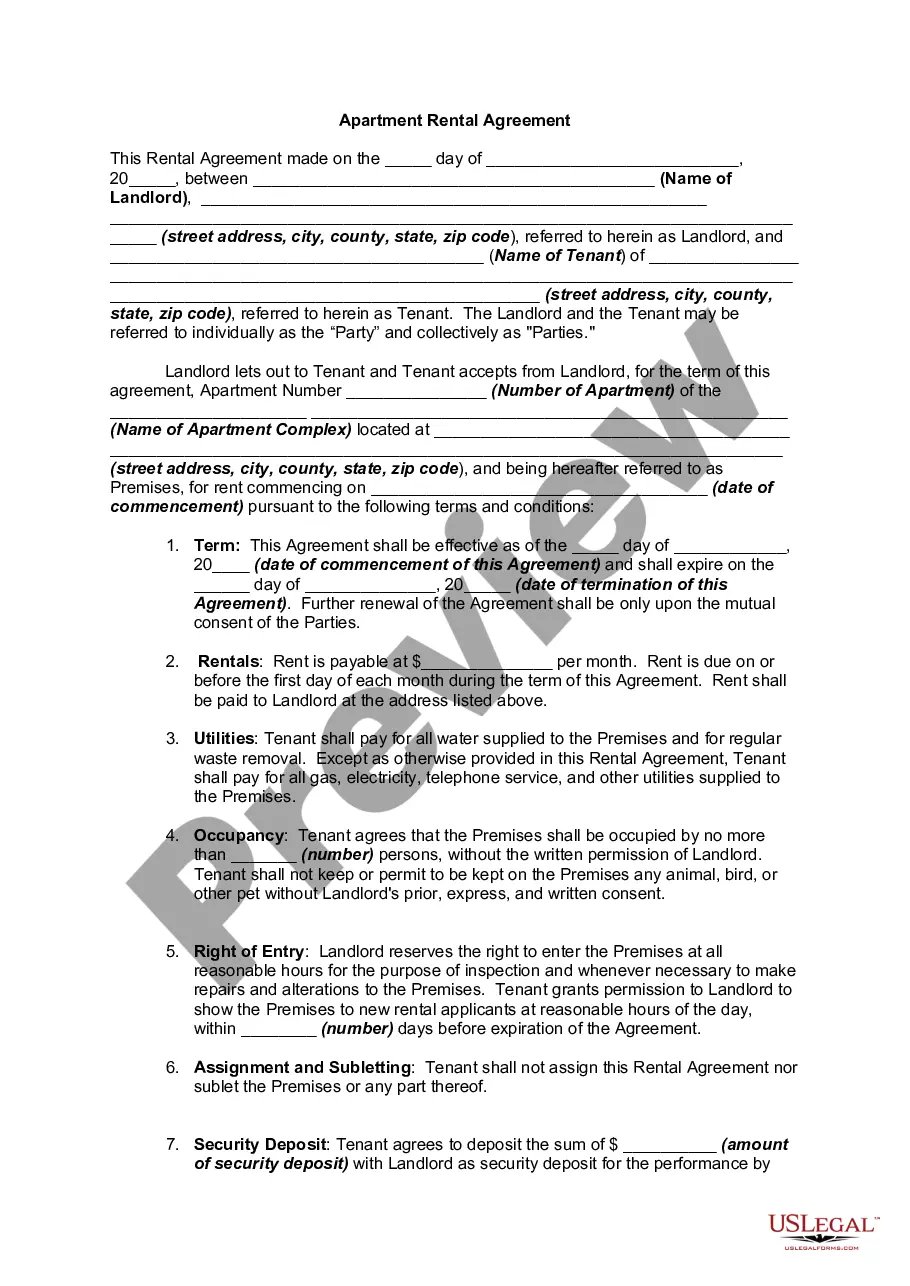
Removal Request Letter For Leave In Florida
Description

Get your form ready online
Our built-in tools help you complete, sign, share, and store your documents in one place.
Make edits, fill in missing information, and update formatting in US Legal Forms—just like you would in MS Word.
Download a copy, print it, send it by email, or mail it via USPS—whatever works best for your next step.
Sign and collect signatures with our SignNow integration. Send to multiple recipients, set reminders, and more. Go Premium to unlock E-Sign.
If this form requires notarization, complete it online through a secure video call—no need to meet a notary in person or wait for an appointment.
We protect your documents and personal data by following strict security and privacy standards.

Make edits, fill in missing information, and update formatting in US Legal Forms—just like you would in MS Word.

Download a copy, print it, send it by email, or mail it via USPS—whatever works best for your next step.

Sign and collect signatures with our SignNow integration. Send to multiple recipients, set reminders, and more. Go Premium to unlock E-Sign.

If this form requires notarization, complete it online through a secure video call—no need to meet a notary in person or wait for an appointment.

We protect your documents and personal data by following strict security and privacy standards.
Looking for another form?


Form popularity
FAQ
Be Honest and Direct: Clearly explain your reasons for wanting them to move out. Whether it's due to personal circumstances, changes in the rental situation, or other concerns, being transparent can help them understand your perspective. Be Respectful and Empathetic: Acknowledge that moving can be difficult.
If they do not leave voluntarily, a writ of possession will be issued to the sheriff and they will come to the property and ask for the person or persons to leave and if they do not leave voluntarily, they will remove them from the property for you.
Address the letter to the tenant and tell them they are about to be evicted right away. Include the reasons why they're being evicted, like breaking a lease or unpaid rent. Write down the date when you expect the tenant to be out of the property, and serve them the letter.
Dear Tenant's Name, This letter serves as formal notification that you are required to vacate the premises at Property Address by Vacate Date. This notice is given in ance with the terms of the lease agreement dated Lease Start Date, which specifies a number of days-day notice period for termination.
Every eviction letter must have the following: Tenant names. Property address. Status and date of the lease. Date of the letter. Date when the tenant must vacate. Reason for the eviction. Proof of service or delivery of notice.
Typical elements of a lease termination letter from a landlord. The landlord's name and contact information, including phone number. Name of tenants and their contact information. The date of the letter. Reason for lease termination. Lease start date and end date. Move-out process instructions. Copy of the move-out checklist.
A landlord cannot spontaneously decide to evict a tenant; they must follow a legal sequence of actions, beginning with serving the tenant a written notice.
To expunge an eviction, a tenant typically files a form with the court in person, through mail, or e-filing online. The tenant is also required to serve the landlord involved in the action with notice of the filing.
The court may take up to 30 days to remove your eviction from the public record. Expungement is not guaranteed except in foreclosure cases. Judges have broad discretion on expungement cases and are not required to grant expungements for renters.
How Tenants Can Fight (or Delay) an Eviction in Florida Talk to Your Landlord. Fight (Raise a Defense) Ask for a Continuance. Talk to the Judge. File For Bankruptcy to Delay Your Eviction. Should I Ignore an Eviction Notice?