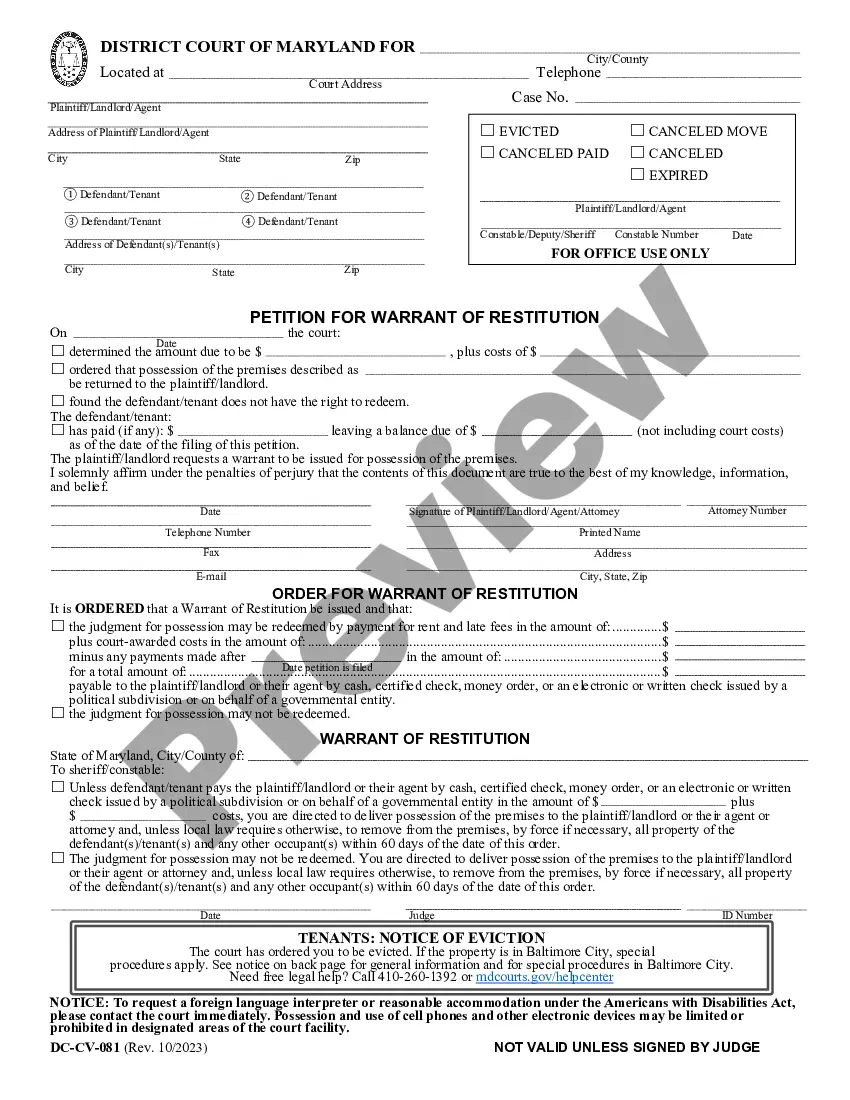
Removal Request Letter Format Example In California
Description

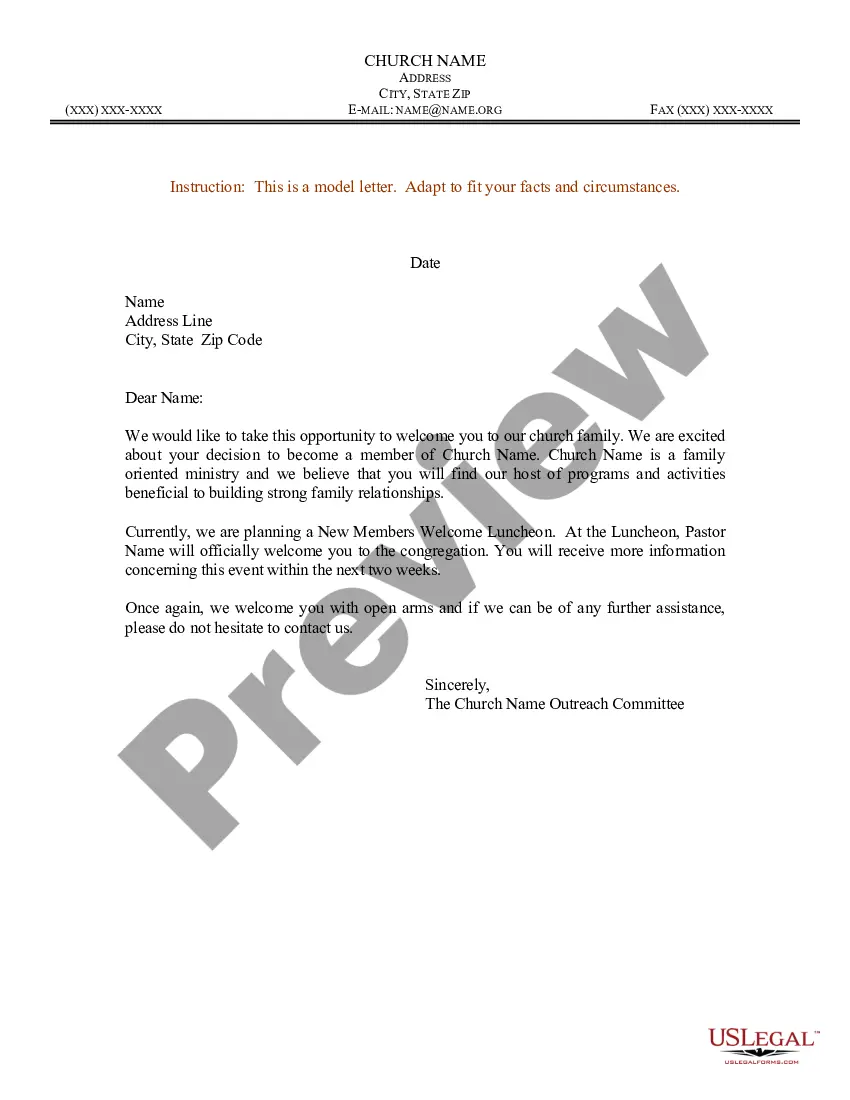
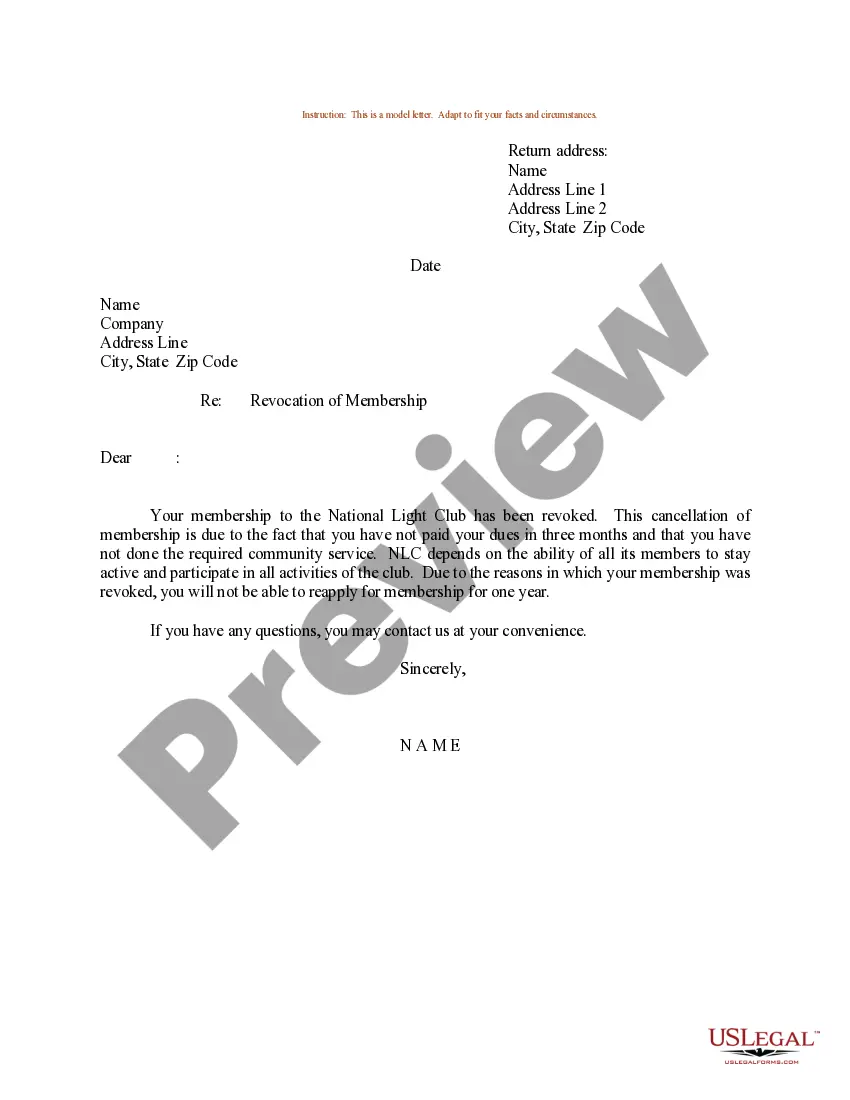
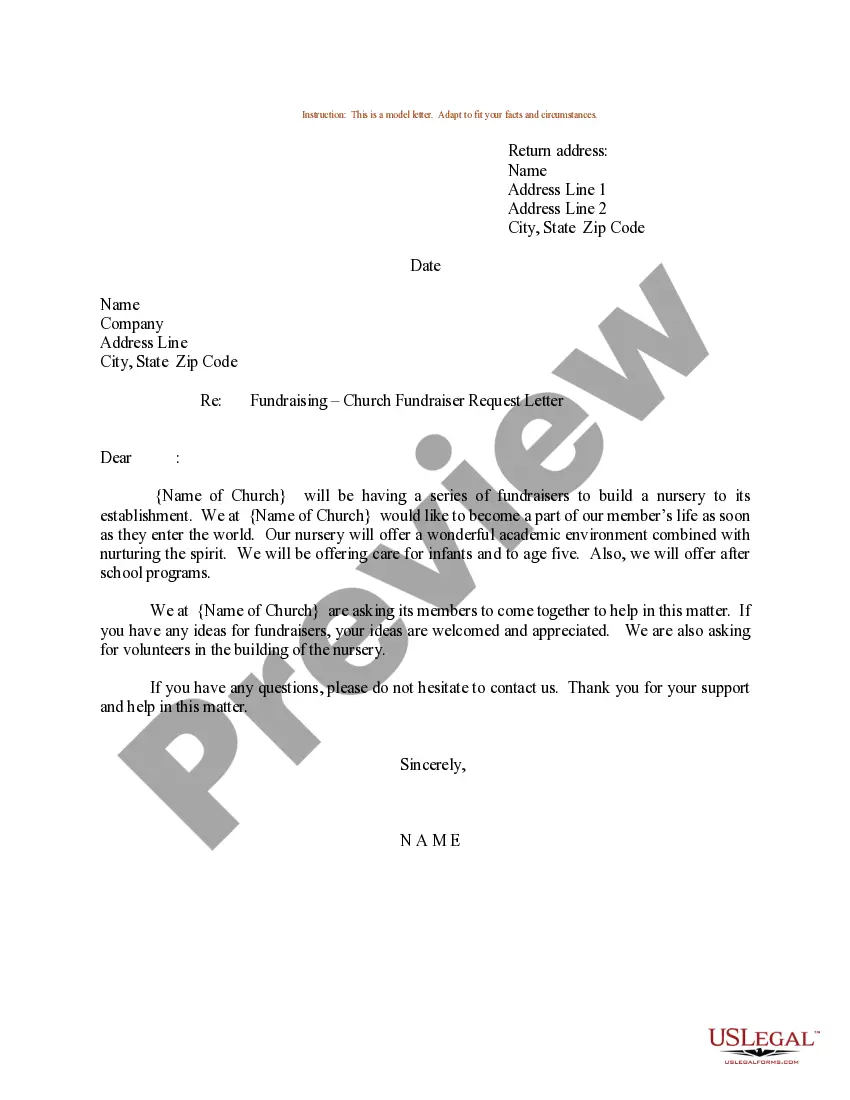
Get your form ready online
Our built-in tools help you complete, sign, share, and store your documents in one place.
Make edits, fill in missing information, and update formatting in US Legal Forms—just like you would in MS Word.
Download a copy, print it, send it by email, or mail it via USPS—whatever works best for your next step.
Sign and collect signatures with our SignNow integration. Send to multiple recipients, set reminders, and more. Go Premium to unlock E-Sign.
If this form requires notarization, complete it online through a secure video call—no need to meet a notary in person or wait for an appointment.
We protect your documents and personal data by following strict security and privacy standards.

Make edits, fill in missing information, and update formatting in US Legal Forms—just like you would in MS Word.

Download a copy, print it, send it by email, or mail it via USPS—whatever works best for your next step.

Sign and collect signatures with our SignNow integration. Send to multiple recipients, set reminders, and more. Go Premium to unlock E-Sign.

If this form requires notarization, complete it online through a secure video call—no need to meet a notary in person or wait for an appointment.

We protect your documents and personal data by following strict security and privacy standards.
Looking for another form?






Form popularity
FAQ
We use could you … and would you … as polite ways of telling or asking someone to do something: Could you take a message, please? ... Can you take a message, please? ... Can I help you? ... Shall I help you with that? ... I can do that for you if you like. Would you like to come round tomorrow? ... You must come round and see us.
Here is how to write a request letter in 7 steps: Collect information relating to your request. Create an outline. Introduce yourself. Make your request. Explain the reason for the request. Offer to provide additional information. Show your gratitude and conclude the letter.
A good way to start your letter is by introducing yourself. Use the opening paragraph to talk about who you are and mention any relevant context. If you know the reader of the letter and you want to jog their memory, you can mention how you know them.
A credit inquiry removal letter is a formal request that is crafted to dispute and remove unauthorized or inaccurately reported credit inquiries from an individual's credit report. This document is essential in addressing potential negative impacts on credit scores, ensuring that only valid inquiries are reflected.
Write a body paragraph. Be thorough but brief when asking for what you want. Clearly explain what it is you are requesting and why the matter is worthy of consideration, but don't share your life story. Leave the reader with no doubt as to what you want. Be factual, but be courteous, and keep emotions in check.
Here is how to write a request letter in 7 steps: Collect information relating to your request. Create an outline. Introduce yourself. 4. Make your request. Explain the reason for the request. Offer to provide additional information. Show your gratitude and conclude the letter.
While 609 letters can be a helpful step in the credit repair process, they aren't a magic solution. They won't guarantee that items are removed, but they can help you gather the evidence you need to address errors and improve your credit report.
If you've received a notice of proposed removal, that's the notice that your employer intends to terminate you.