Documents Required For Franchise Agreement In Travis
Description

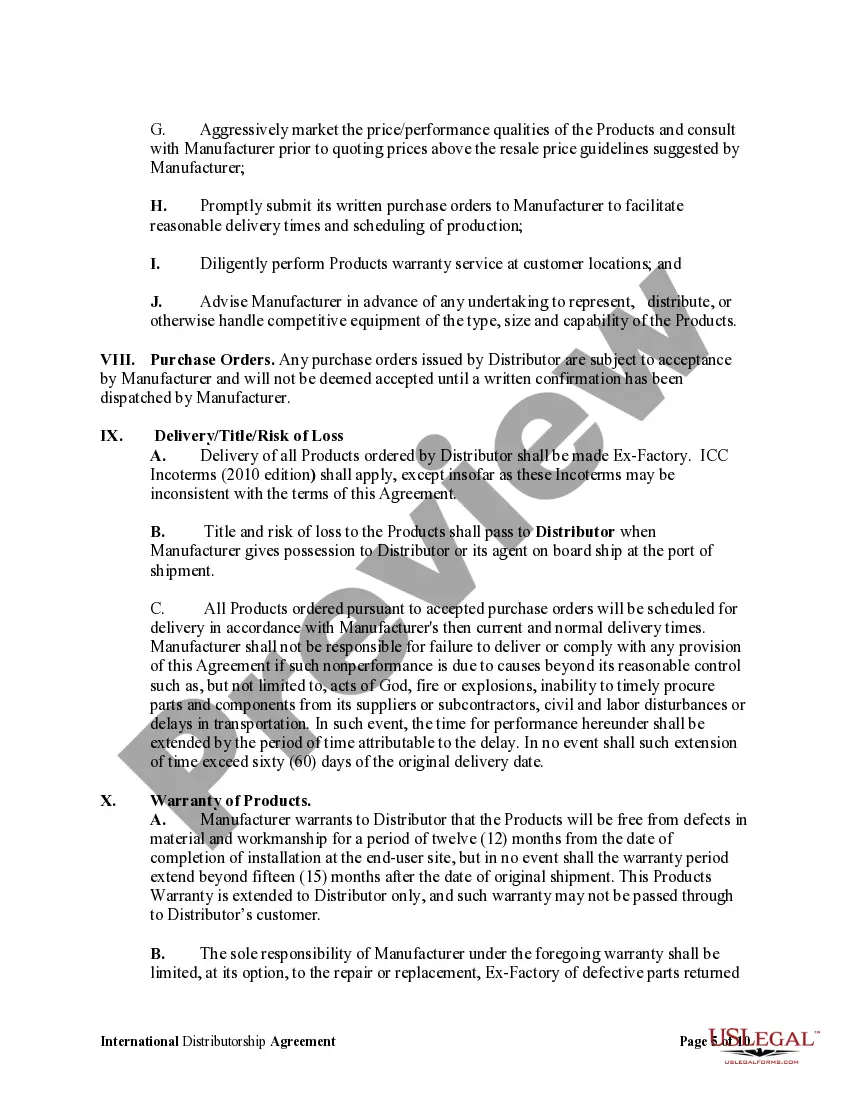
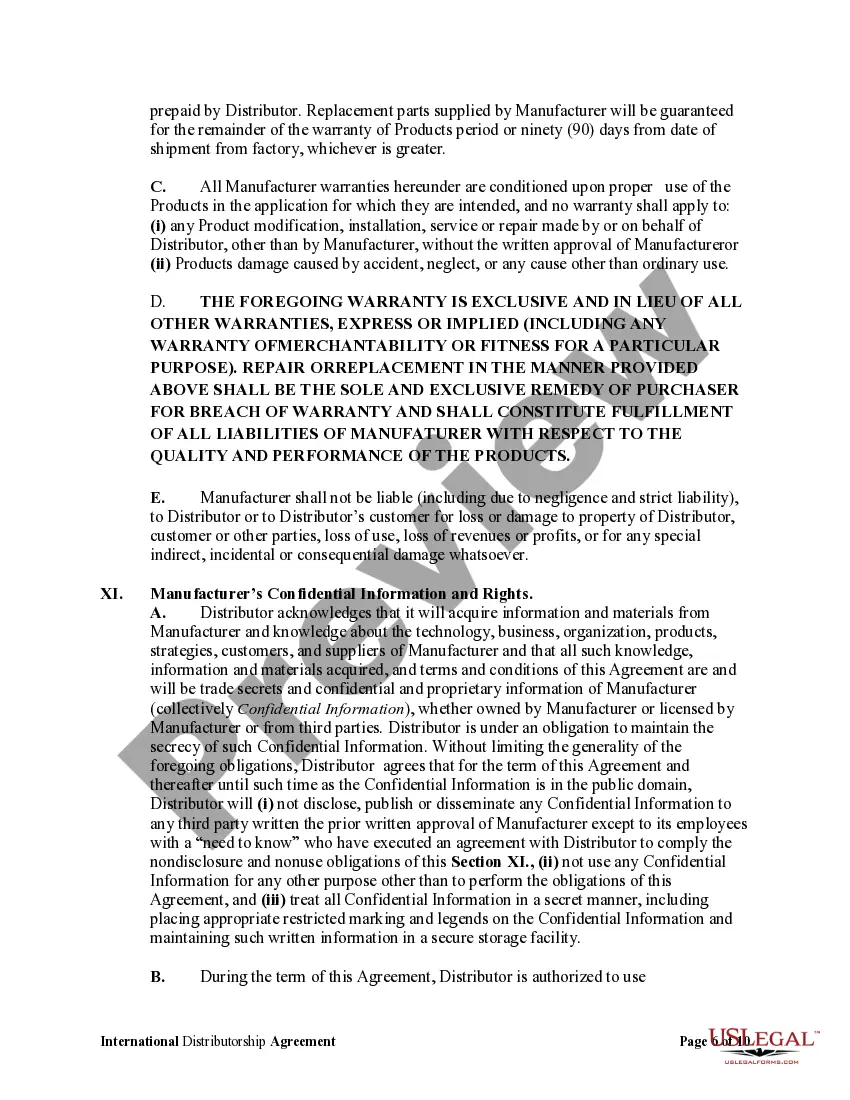
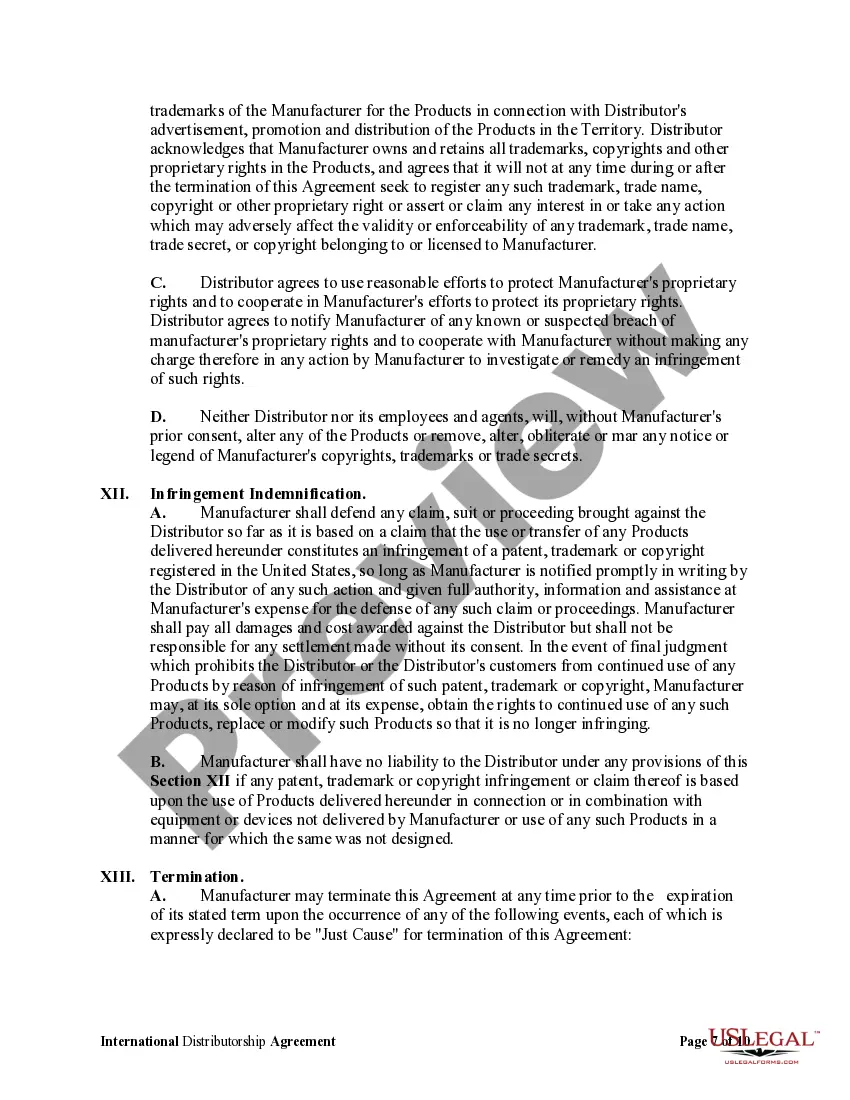
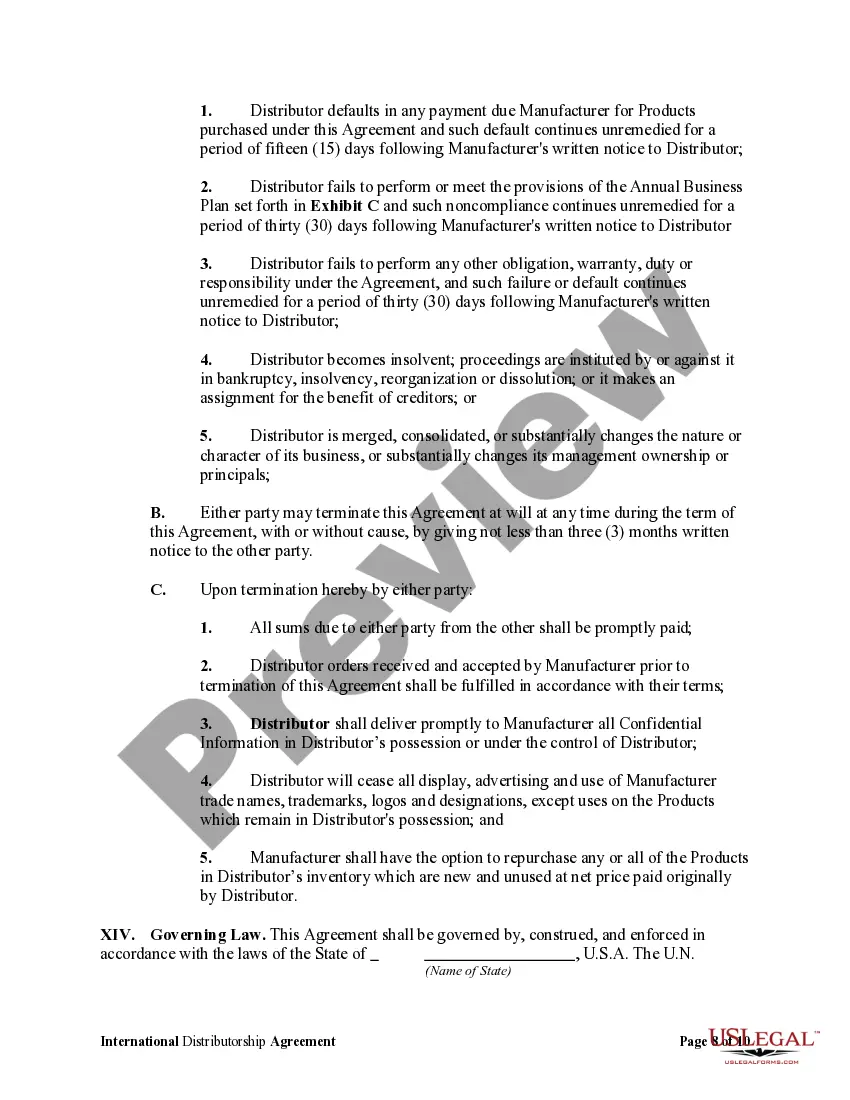
Get your form ready online
Our built-in tools help you complete, sign, share, and store your documents in one place.
Make edits, fill in missing information, and update formatting in US Legal Forms—just like you would in MS Word.
Download a copy, print it, send it by email, or mail it via USPS—whatever works best for your next step.
Sign and collect signatures with our SignNow integration. Send to multiple recipients, set reminders, and more. Go Premium to unlock E-Sign.
If this form requires notarization, complete it online through a secure video call—no need to meet a notary in person or wait for an appointment.
We protect your documents and personal data by following strict security and privacy standards.

Make edits, fill in missing information, and update formatting in US Legal Forms—just like you would in MS Word.

Download a copy, print it, send it by email, or mail it via USPS—whatever works best for your next step.

Sign and collect signatures with our SignNow integration. Send to multiple recipients, set reminders, and more. Go Premium to unlock E-Sign.

If this form requires notarization, complete it online through a secure video call—no need to meet a notary in person or wait for an appointment.

We protect your documents and personal data by following strict security and privacy standards.
Looking for another form?





Form popularity
FAQ
When buying a franchise, you can expect to come across the following documents: Secrecy undertaking or non-disclosure agreement (NDA) signed by the franchisee prior to receiving detailed information on the franchise. Disclosure document provided by the franchisor. Franchise agreement.
The disclosure document gives important information about the company's financial status, including audited financial statements. A franchisee can find explanatory information about the franchisor's financial status in notes to the financial statements.
Financial Performance Representations (FDD Item 19) Item 19 contains claims the franchisor chooses to make about sales or earnings. The Franchise Rule doesn't require a franchisor to provide that information, but most do. But here's the important thing: Any claims of that nature must be in Item 19.
A disclosure document must include information about the number of existing and former franchisees and contact details for them. It is important for potential franchisees to speak to current and former franchisees to help inform their decision about whether to buy a franchise.
The disclosure document must include details such as the franchisor's background, business experience, financial status, franchise fees and royalties, obligations of both parties, and other material facts relevant to the franchise relationship.
The primary franchising documents needed to create a franchise relationship and franchise your business include: Franchise disclosure document. Franchise agreement. Operations manual.
What are the key elements of a franchise agreement? Key elements typically include the rights and obligations of both the franchisor and franchisee, franchise fees, territorial rights, duration of the agreement, training and support provided by the franchisor, marketing requirements, and dispute resolution mechanisms.
The franchise rule requires franchisors to make material disclosures in five categories: the nature of the franchisor and the franchise system. the franchisor's financial viability. the costs involved in purchasing and operating a franchised outlet. the terms and conditions that govern the franchise relationship.
With a proper grasp of the three conditions of a franchise agreement – terms, rights and obligations, and termination – parties can confidently enter into a full franchising agreement or partnership, knowing their individual and collective interests are protected by a legally binding contract.