Distributorship Agreement Distributor For Sale In Kings
Description
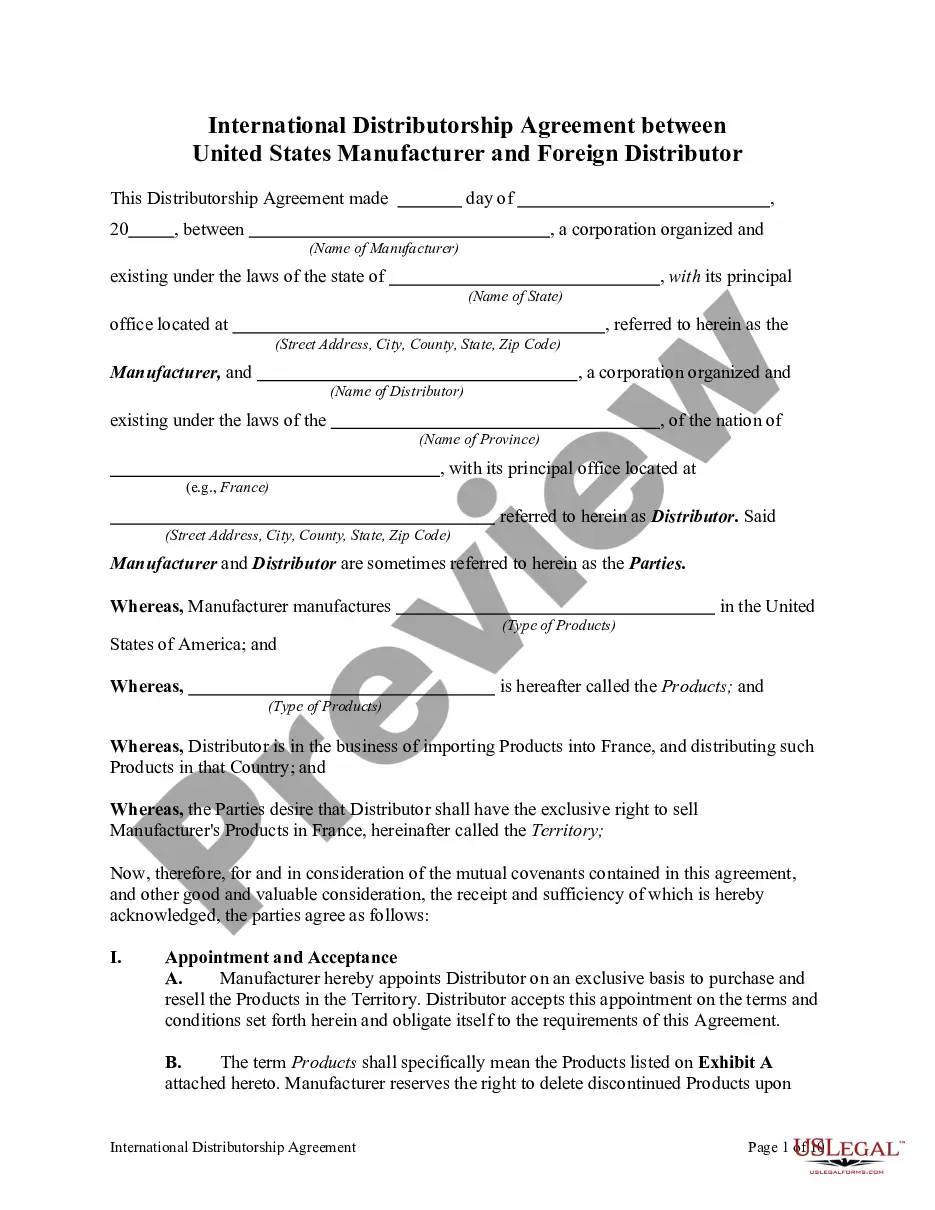
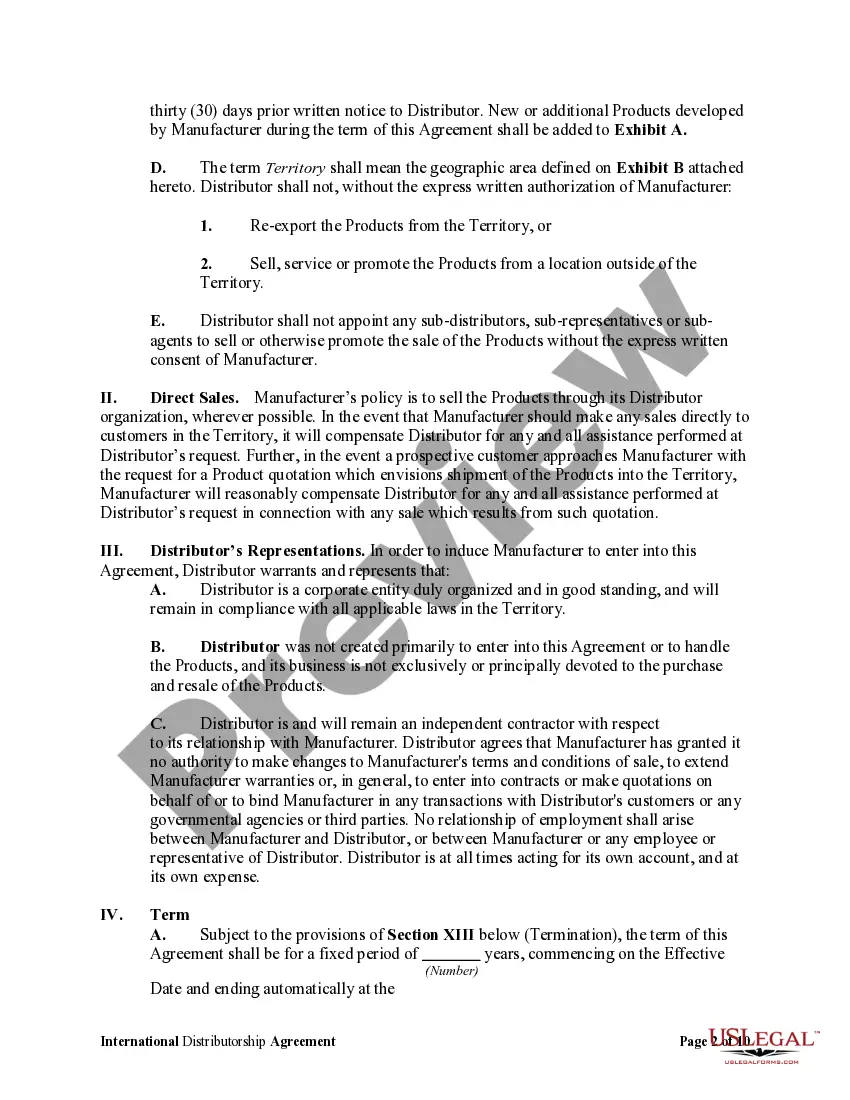
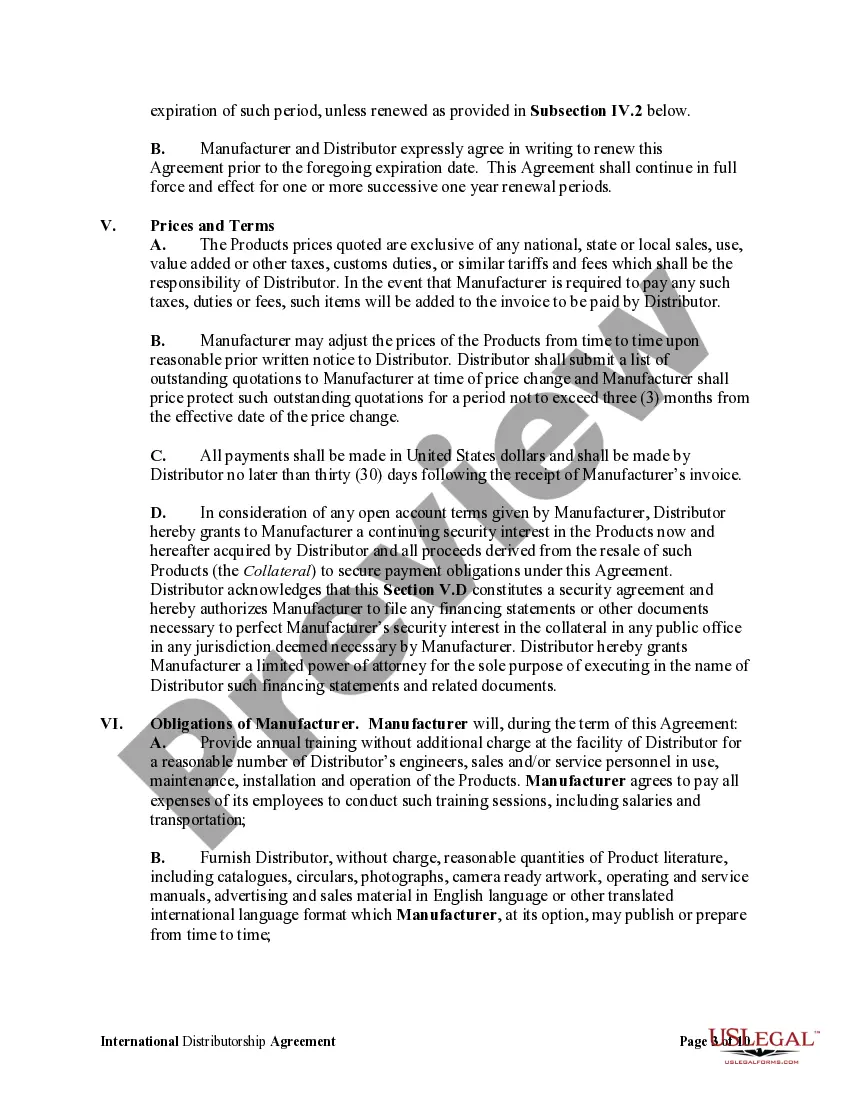
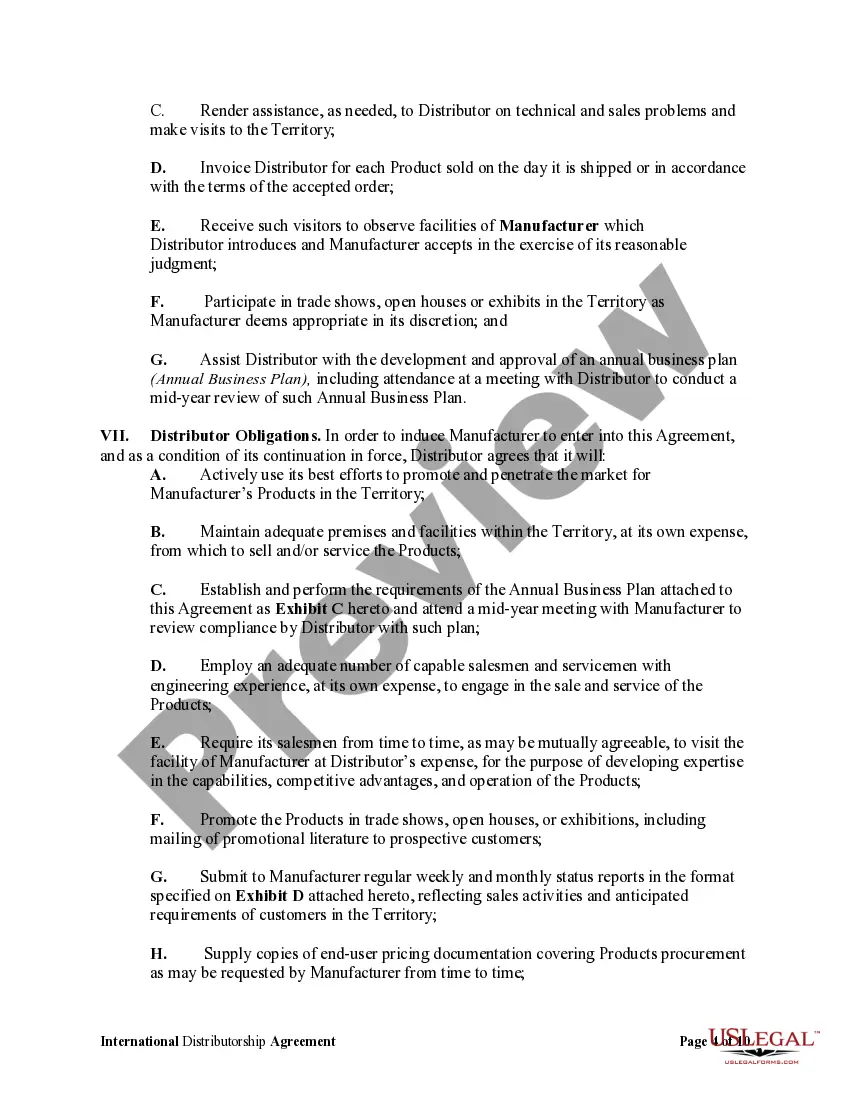
Get your form ready online
Our built-in tools help you complete, sign, share, and store your documents in one place.
Make edits, fill in missing information, and update formatting in US Legal Forms—just like you would in MS Word.
Download a copy, print it, send it by email, or mail it via USPS—whatever works best for your next step.
Sign and collect signatures with our SignNow integration. Send to multiple recipients, set reminders, and more. Go Premium to unlock E-Sign.
If this form requires notarization, complete it online through a secure video call—no need to meet a notary in person or wait for an appointment.
We protect your documents and personal data by following strict security and privacy standards.

Make edits, fill in missing information, and update formatting in US Legal Forms—just like you would in MS Word.

Download a copy, print it, send it by email, or mail it via USPS—whatever works best for your next step.

Sign and collect signatures with our SignNow integration. Send to multiple recipients, set reminders, and more. Go Premium to unlock E-Sign.

If this form requires notarization, complete it online through a secure video call—no need to meet a notary in person or wait for an appointment.

We protect your documents and personal data by following strict security and privacy standards.
Looking for another form?






Form popularity
FAQ
How to become a distributor in 10 steps Do market research. Choose a product to sell. Research suppliers. Contact suppliers. Understand distribution policies and requirements. Obtain the necessary licenses. Determine wholesale prices. Build an online wholesale store.
Top 8 ways to find wholesale distributors for your business Consider your industry. Consider the size of your business. Consider the manufacturer first. Reach out to many distributors. Look on eBay. Seek out advice. Follow pertinent publications. Look into B2B marketplaces.
While not a legal requirement, having an LLC can enhance the credibility of your business, particularly when dealing with wholesalers, manufacturers, or distributors. Some suppliers may prefer to work with established legal entities rather than individual buyers.
How to start a distribution business Choose your product. Identify your niche. Decide how you'll sell products. Select how you'll manage inventory. Determine adequate storage space. Get a business license. Improve your business skills . Find manufacturers.
How to Sell to Distributors: Best Practices for Manufacturers Understand Your Distributors. Know What Your Competitors Are Doing. Create a Winning Sales Strategy. Build and Maintain Strong Relationships. Leverage Digital Marketing for Sales Success. Generate Demand for Distributors. Overcome Common Sales Challenges.
Building relationships with labels that use their own distribution services takes time. You need to establish yourself in the music world with a few solid releases, build your social media following and grow your network in the music industry if you want to get attention from a big label.
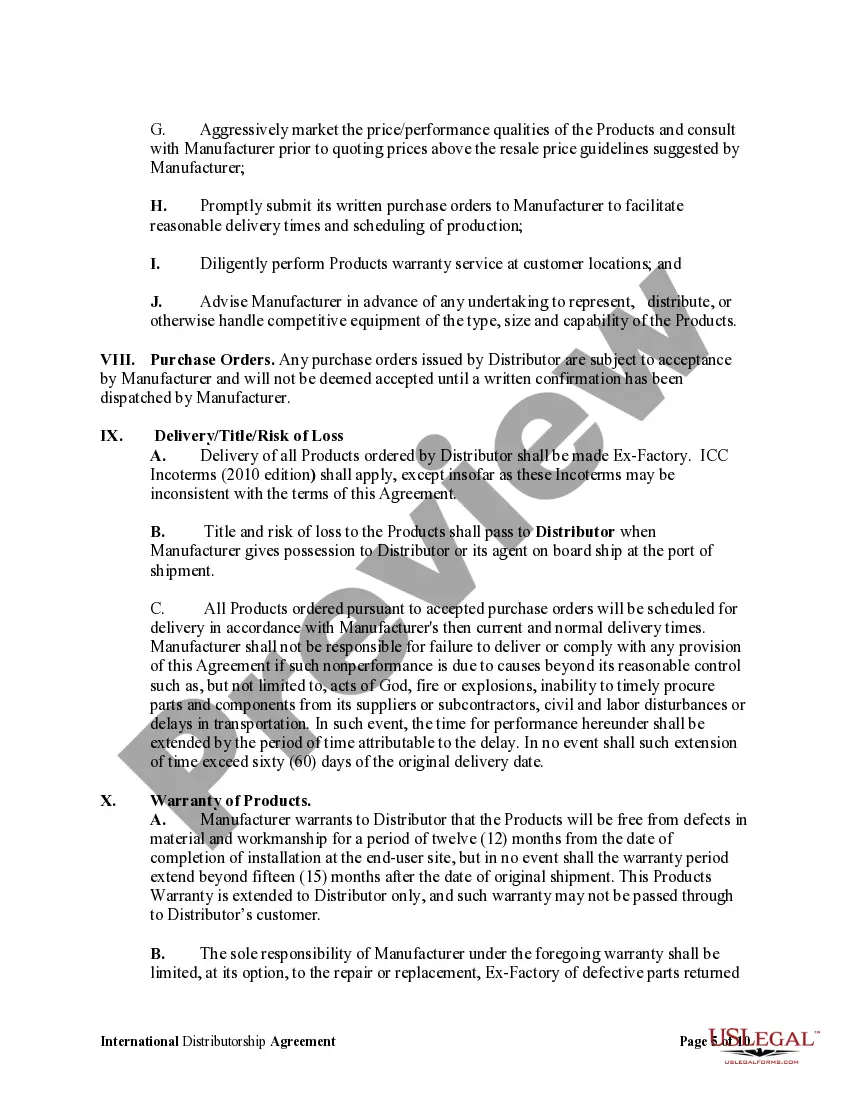
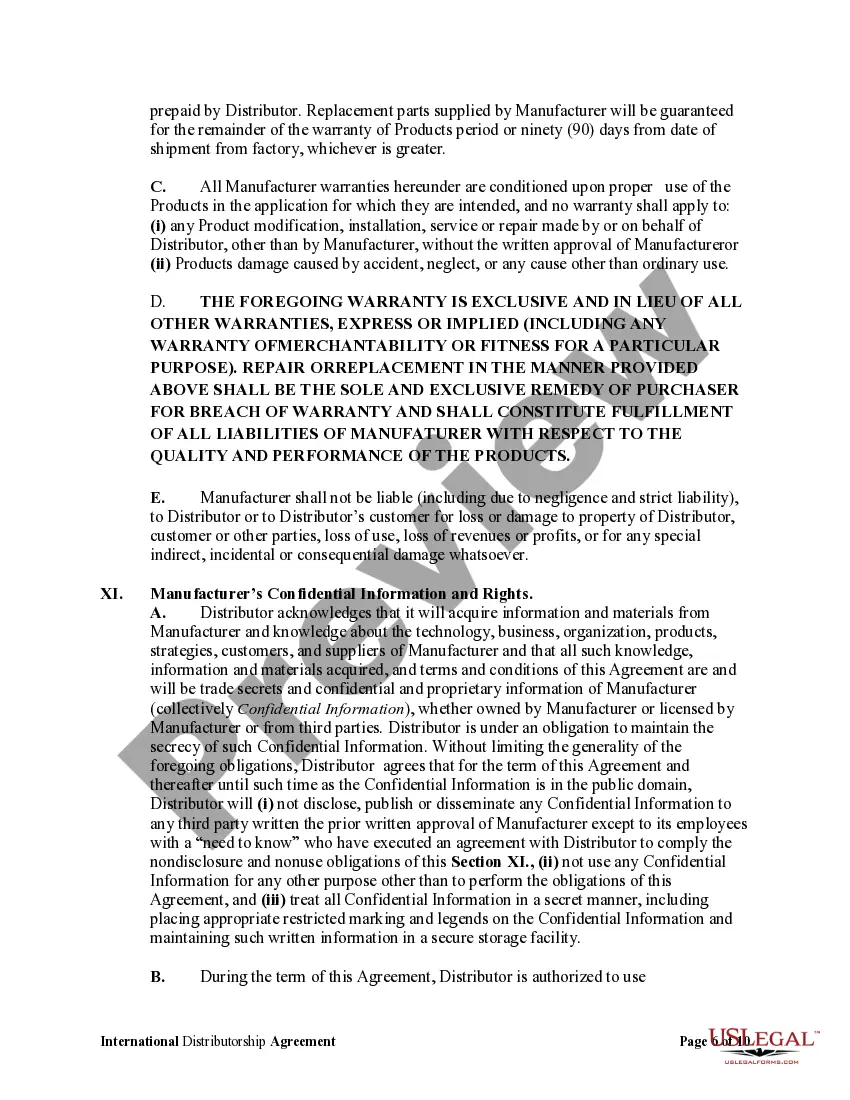
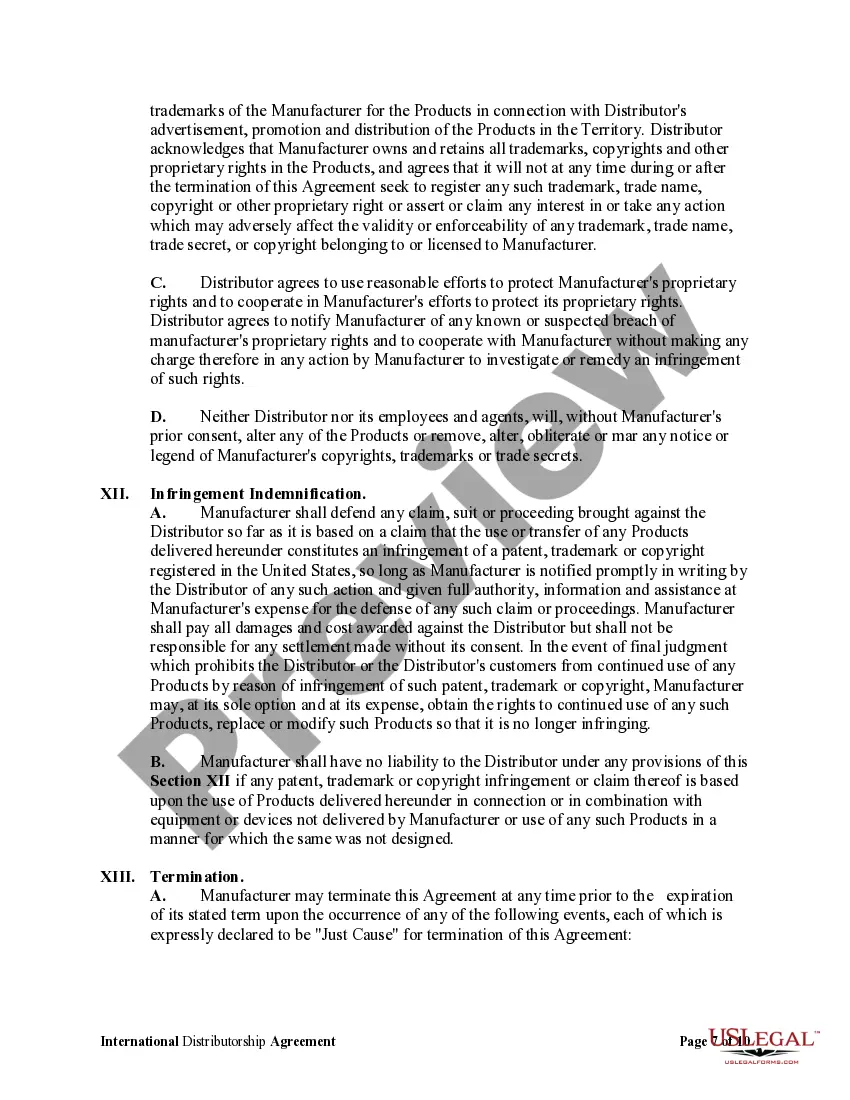
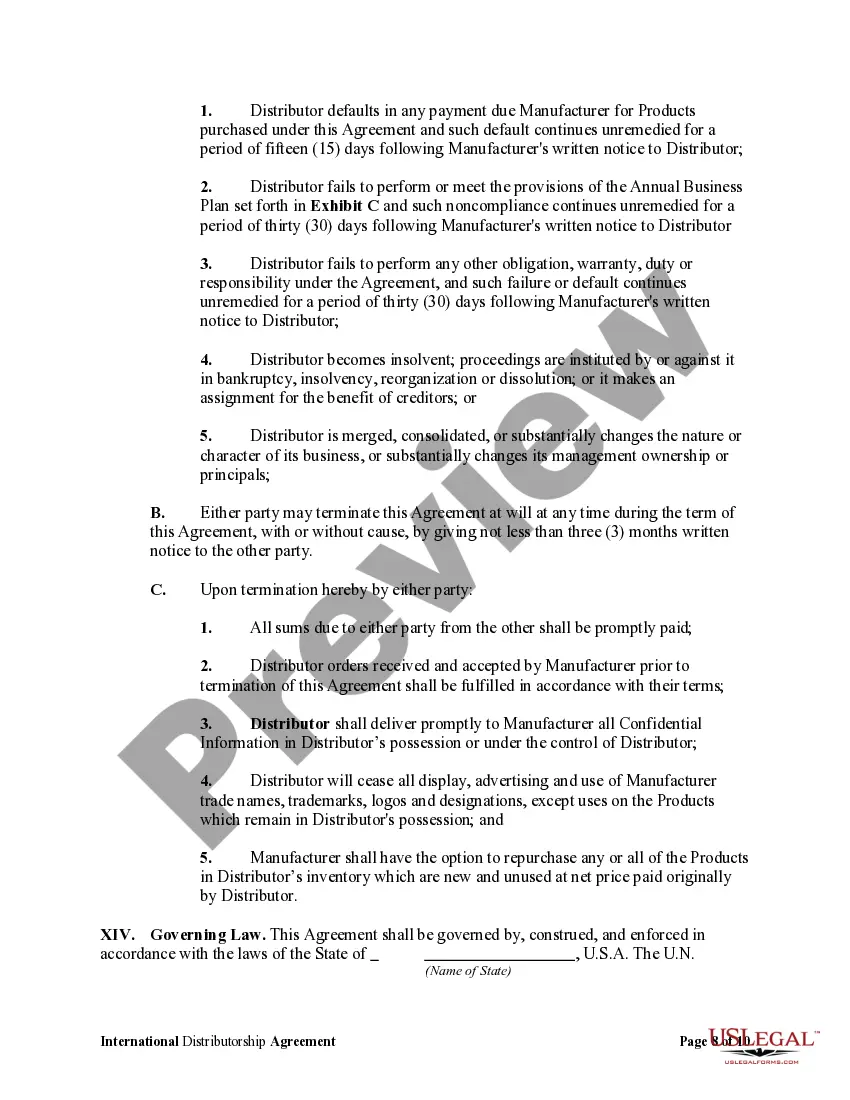
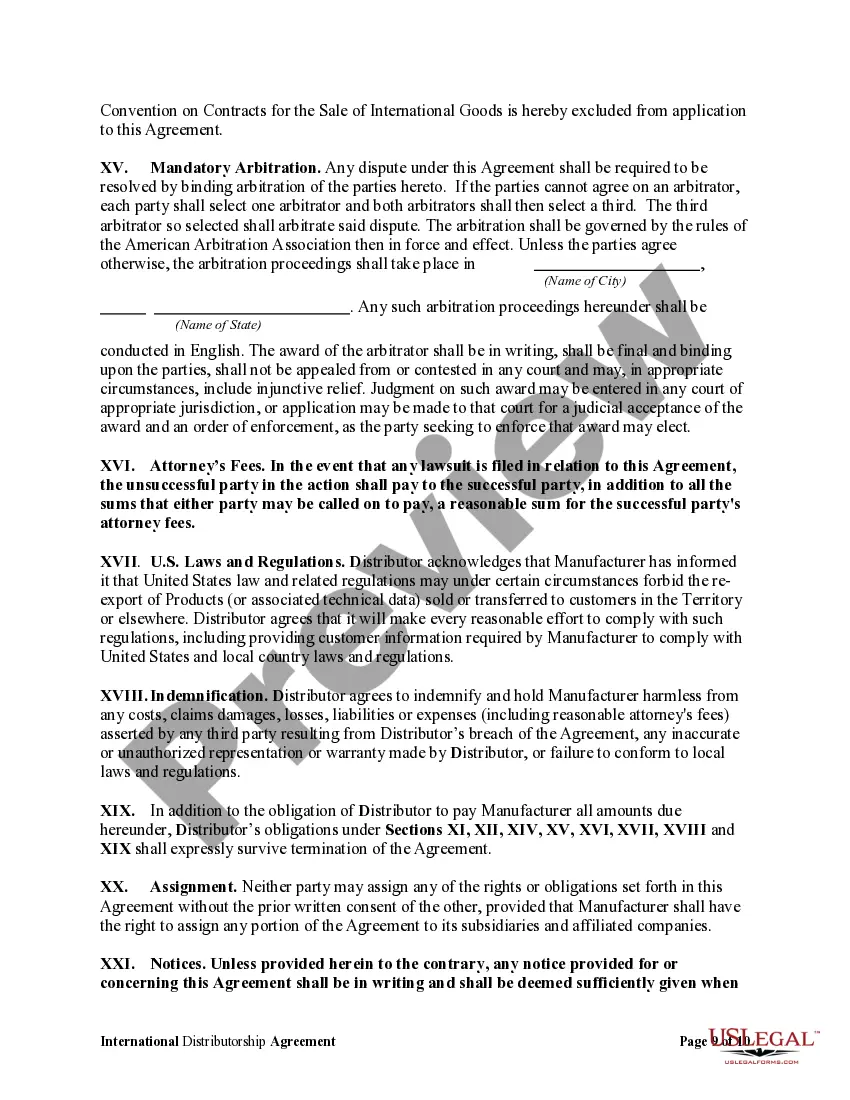
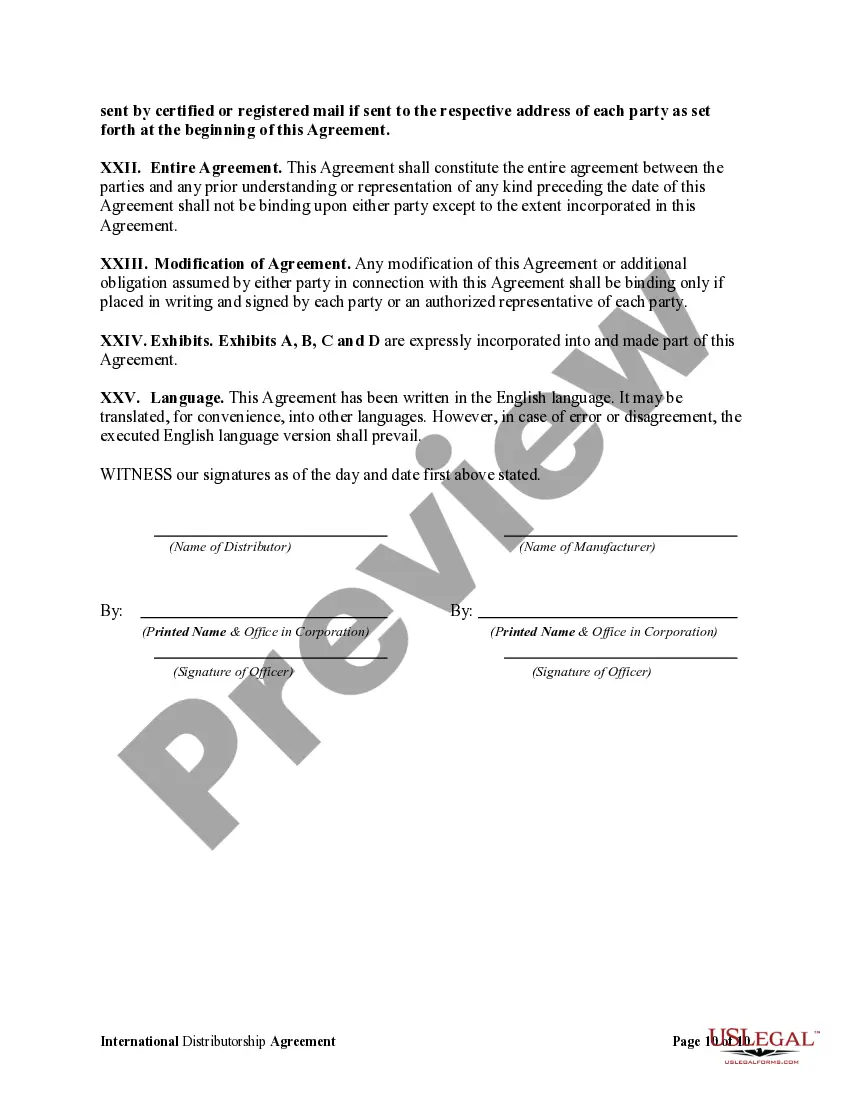
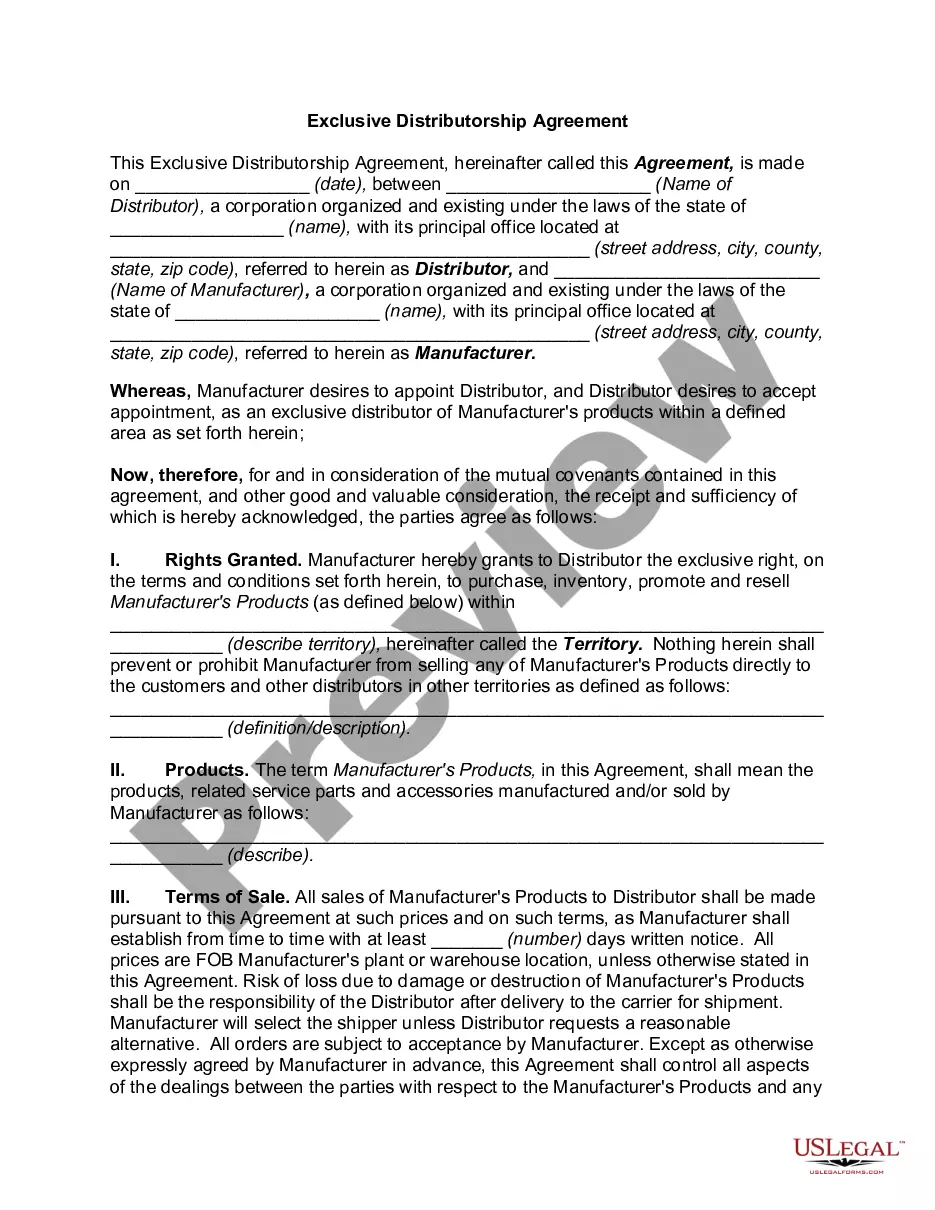
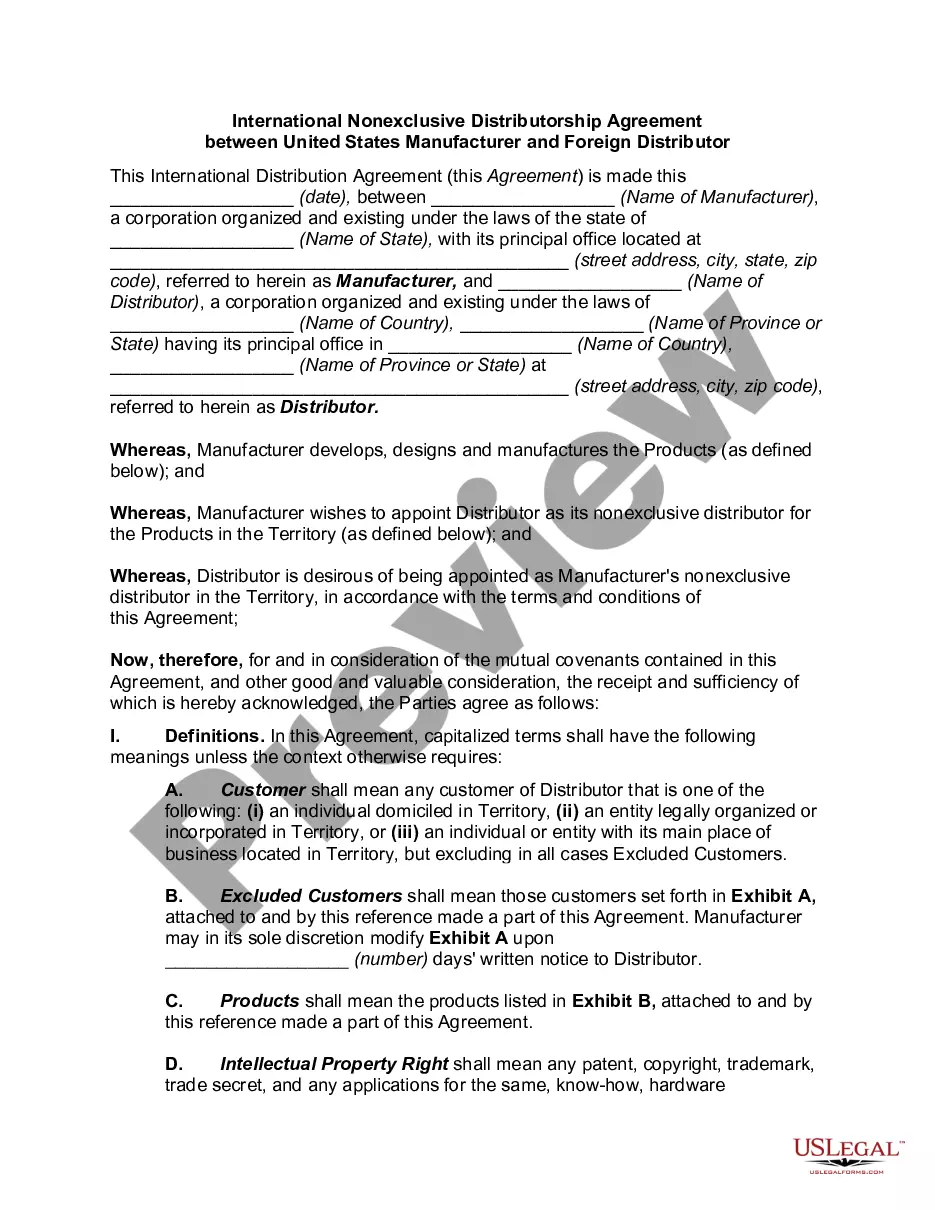
A distribution agreement, also known as a distributor agreement, is a contract between a supplying company with products to sell and another company that markets and sells the products. The distributor agrees to buy products from the supplier company and sell them to clients within certain geographical areas.
The agreement is usually between a manufacturer or vendor and a distributor but, in some cases, may involve two distributors or a distributor and some other channel entity.
In terms of content, an Estate distribution letter should include: the deceased's personal details; a detailed and complete list of all assets and liabilities; the Beneficiary names and the details of their respective inheritances; any details on debt settlement and creditor communication;
A distribution agreement typically involves a manufacturer or supplier granting rights to a distributor to sell their products in a particular geographic area or market segment. The agreement defines the details governing the relationship between the manufacturer and the distributor.