Distributorship Agreement Distributor With A Multimeter In Chicago
Description

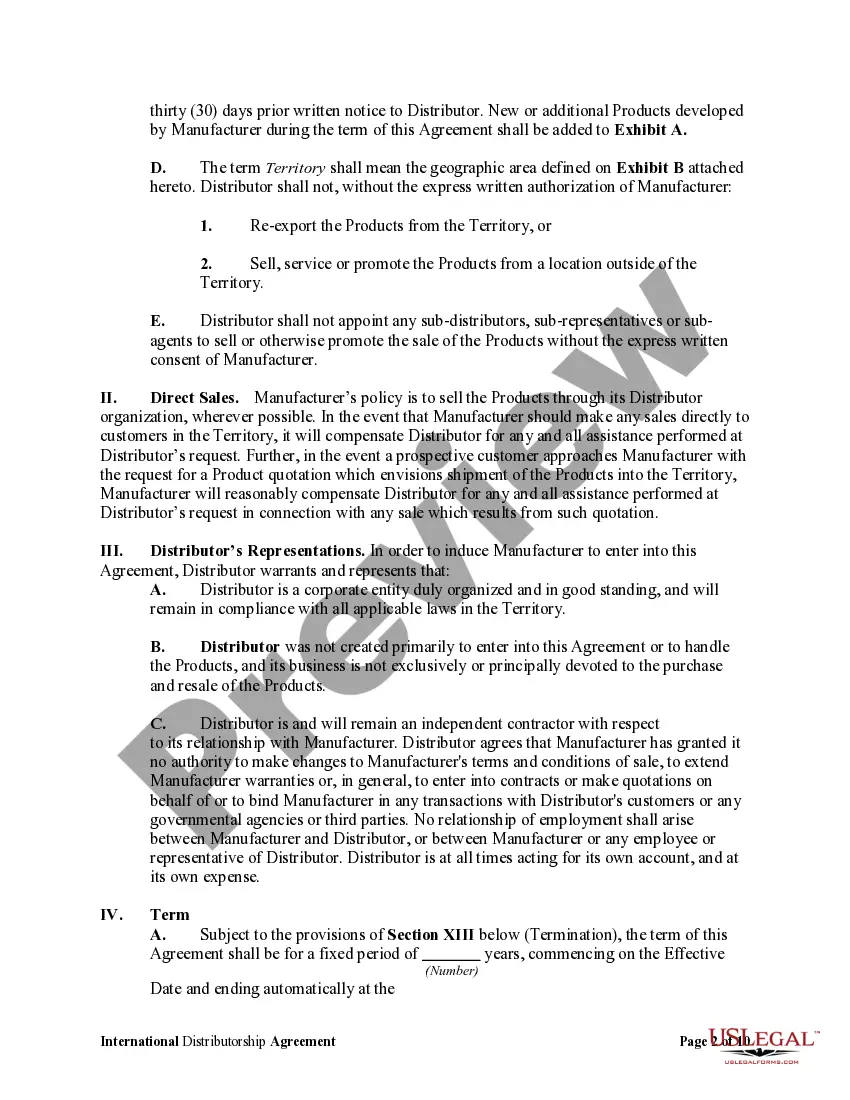
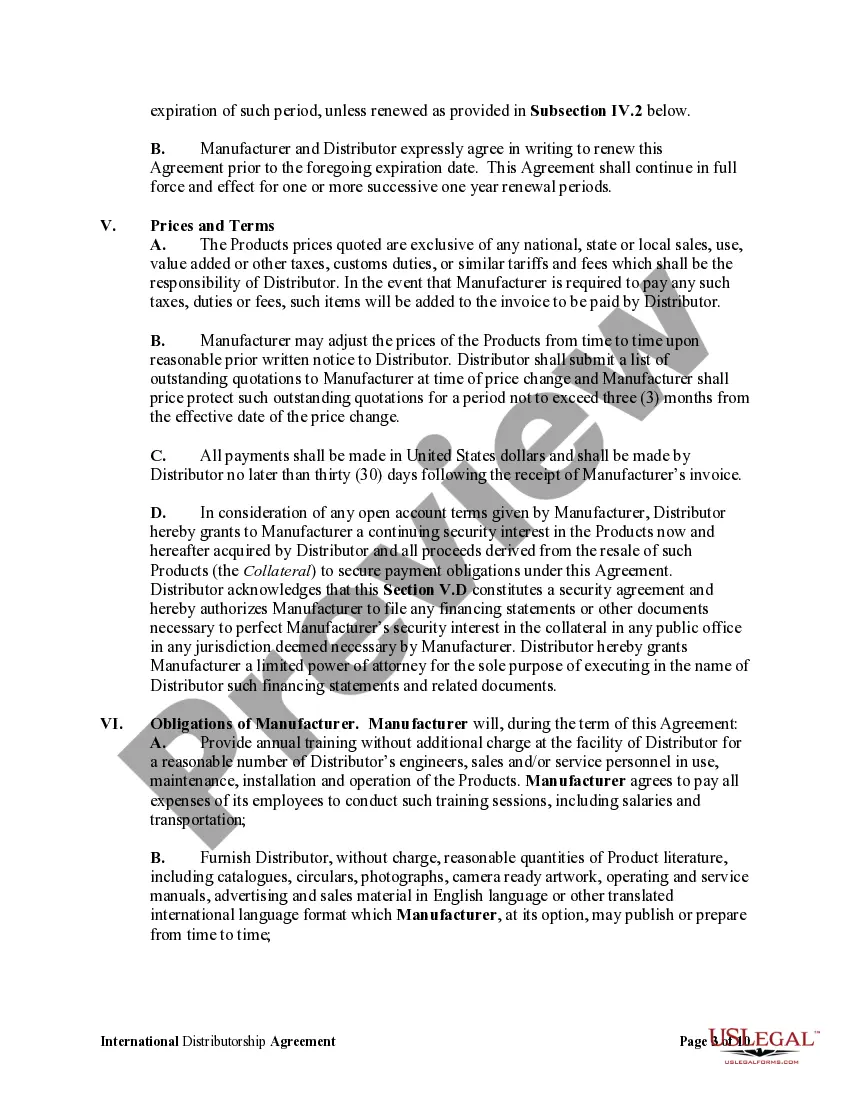
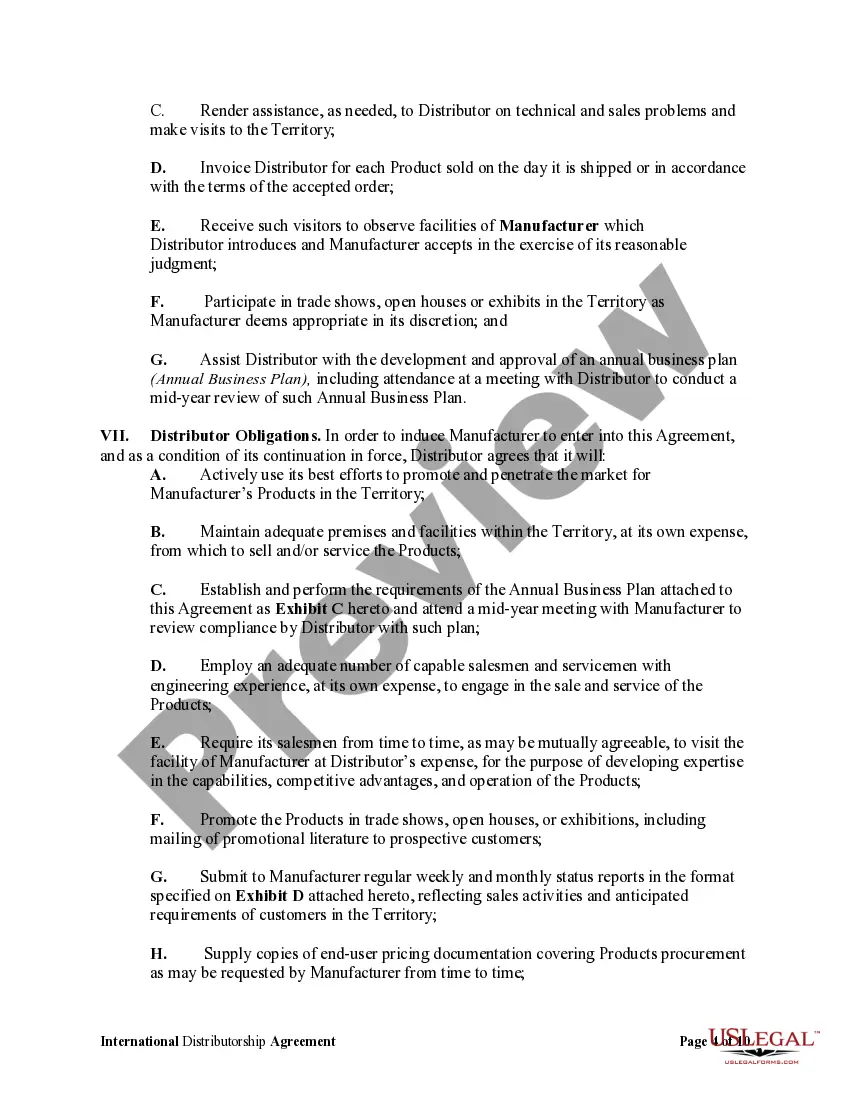
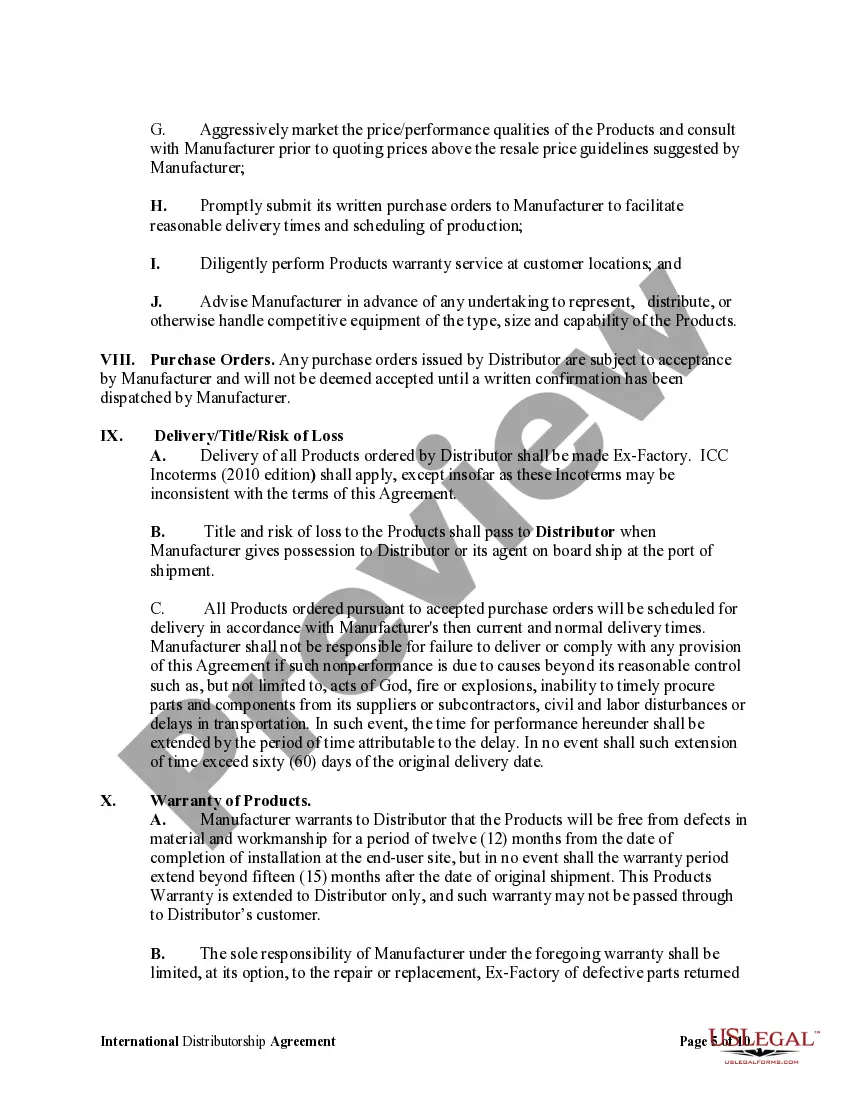
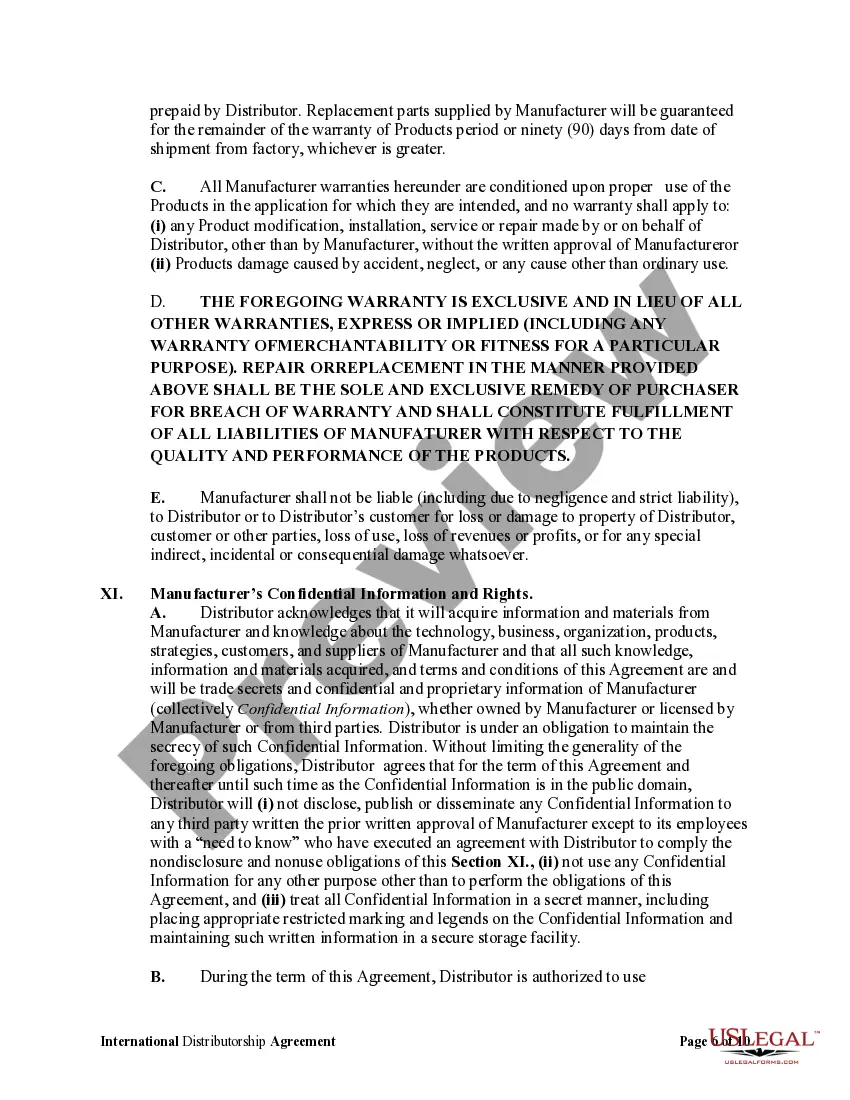
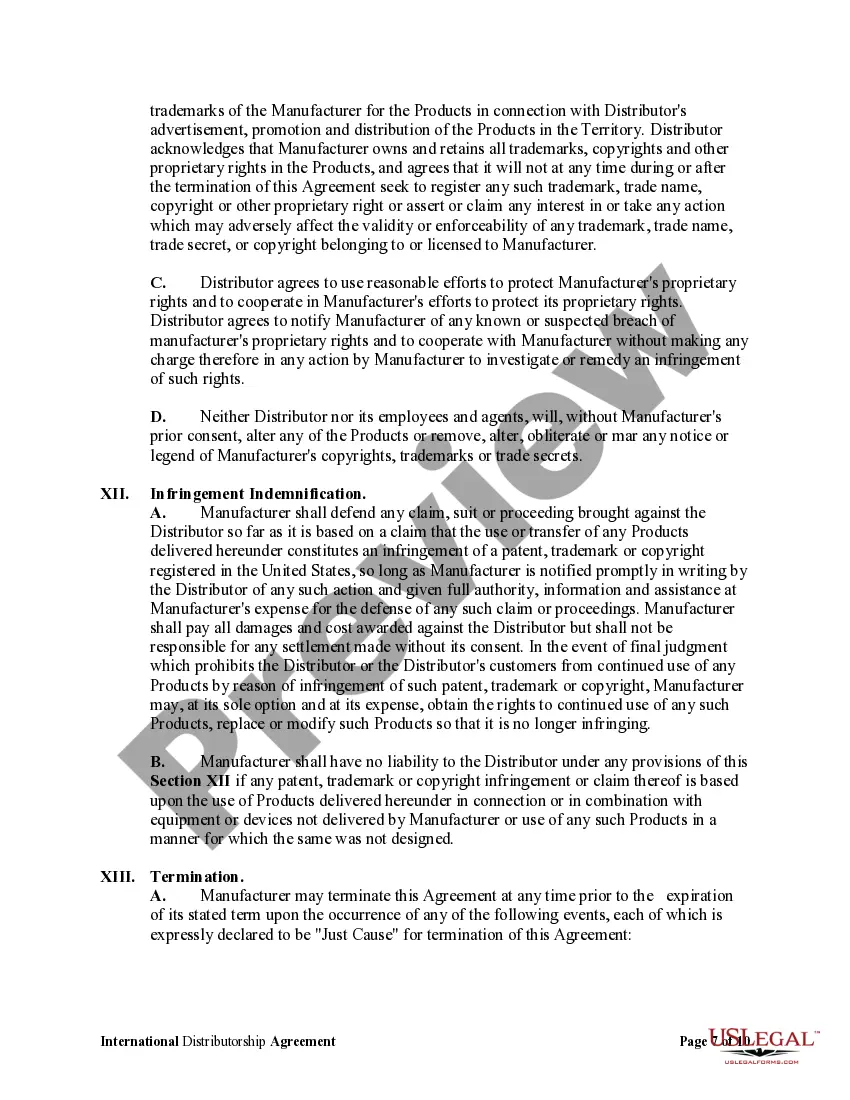
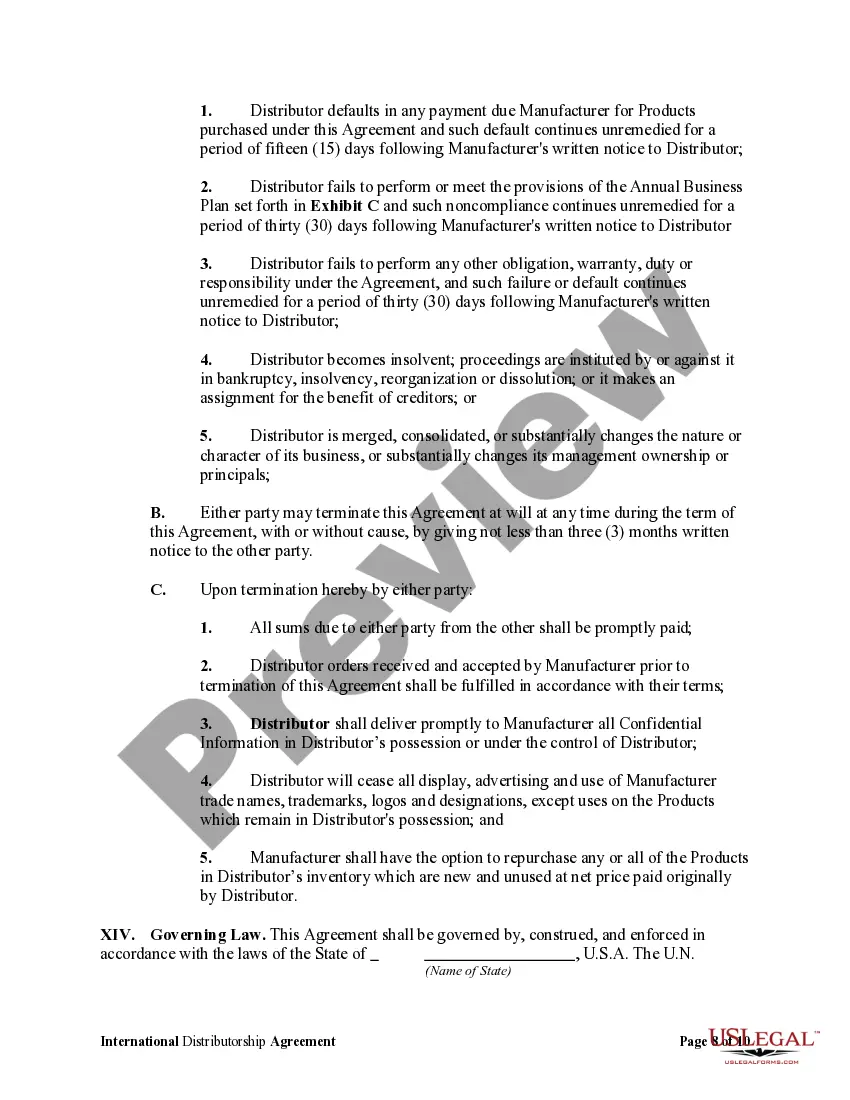
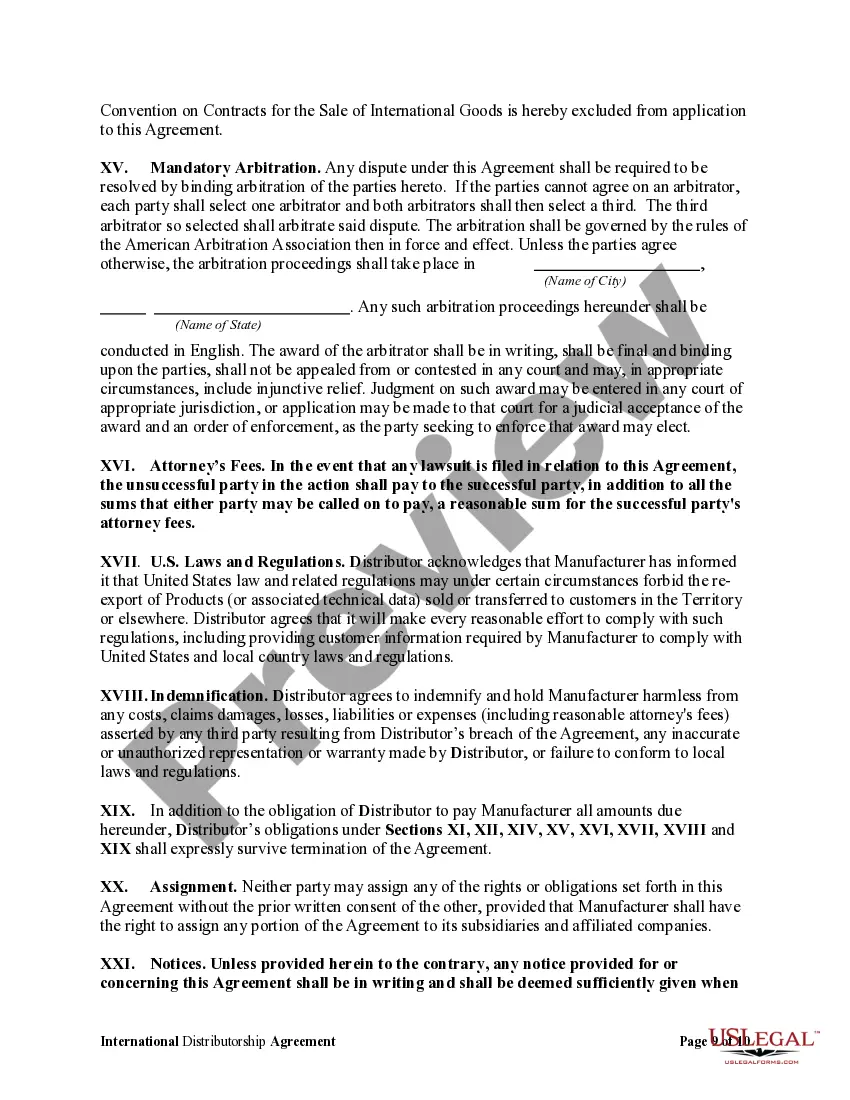
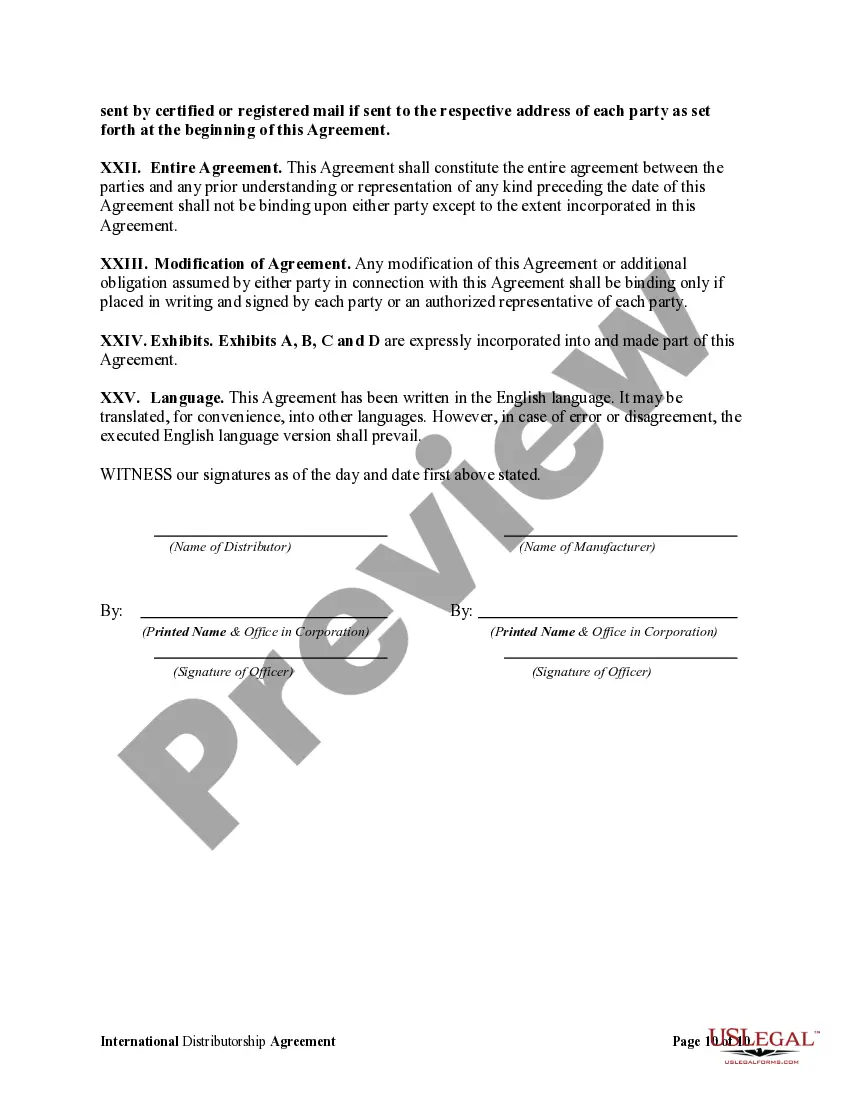
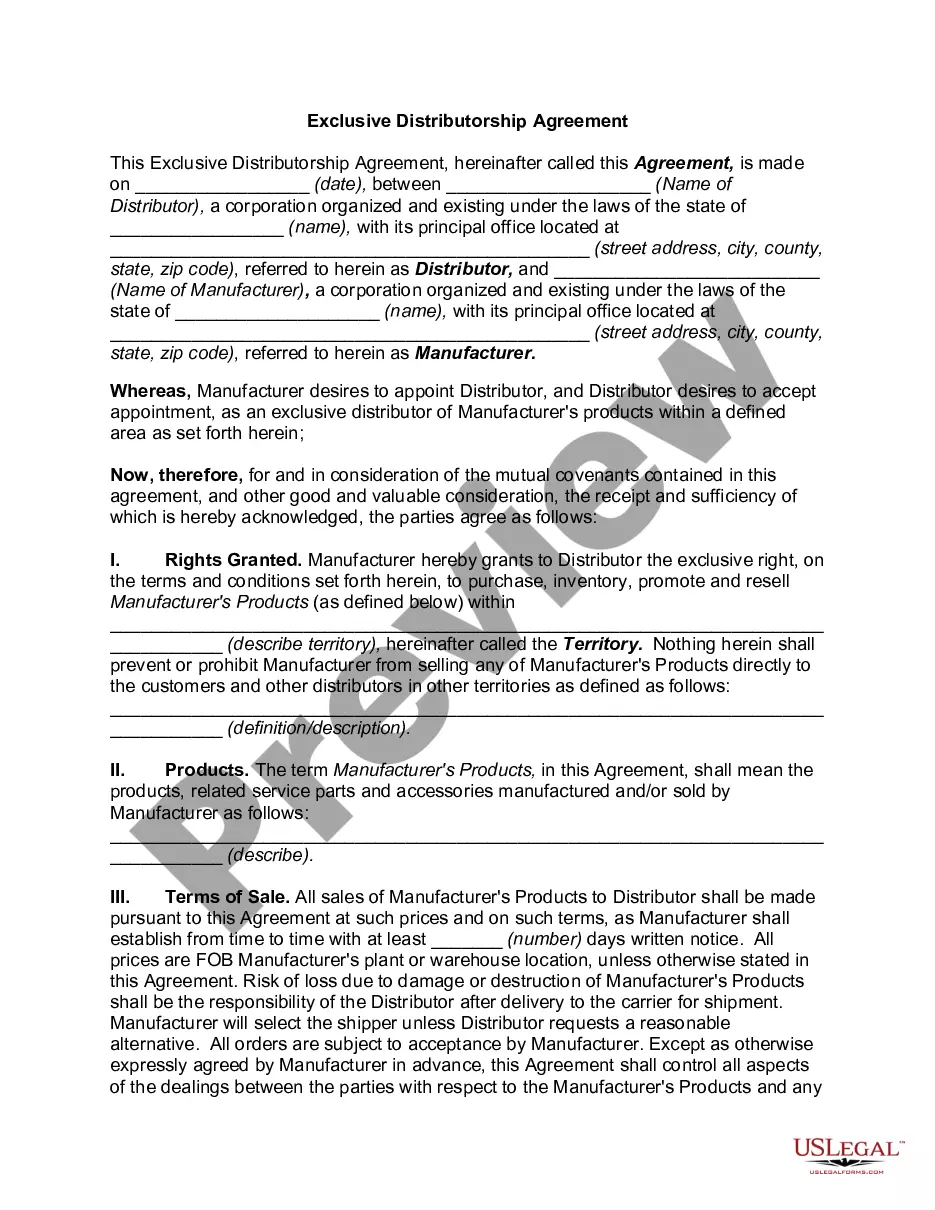
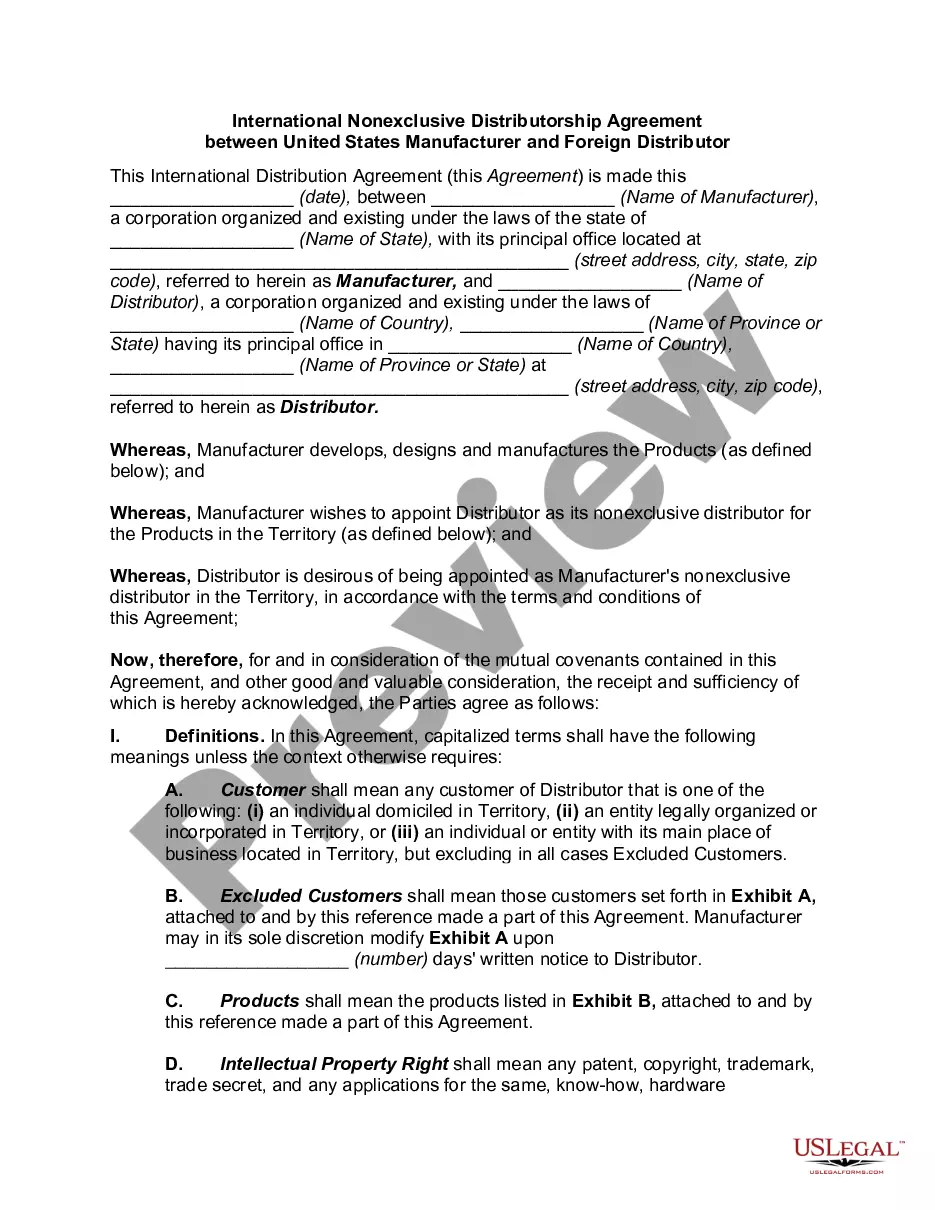
Get your form ready online
Our built-in tools help you complete, sign, share, and store your documents in one place.
Make edits, fill in missing information, and update formatting in US Legal Forms—just like you would in MS Word.
Download a copy, print it, send it by email, or mail it via USPS—whatever works best for your next step.
Sign and collect signatures with our SignNow integration. Send to multiple recipients, set reminders, and more. Go Premium to unlock E-Sign.
If this form requires notarization, complete it online through a secure video call—no need to meet a notary in person or wait for an appointment.
We protect your documents and personal data by following strict security and privacy standards.

Make edits, fill in missing information, and update formatting in US Legal Forms—just like you would in MS Word.

Download a copy, print it, send it by email, or mail it via USPS—whatever works best for your next step.

Sign and collect signatures with our SignNow integration. Send to multiple recipients, set reminders, and more. Go Premium to unlock E-Sign.

If this form requires notarization, complete it online through a secure video call—no need to meet a notary in person or wait for an appointment.

We protect your documents and personal data by following strict security and privacy standards.
Looking for another form?


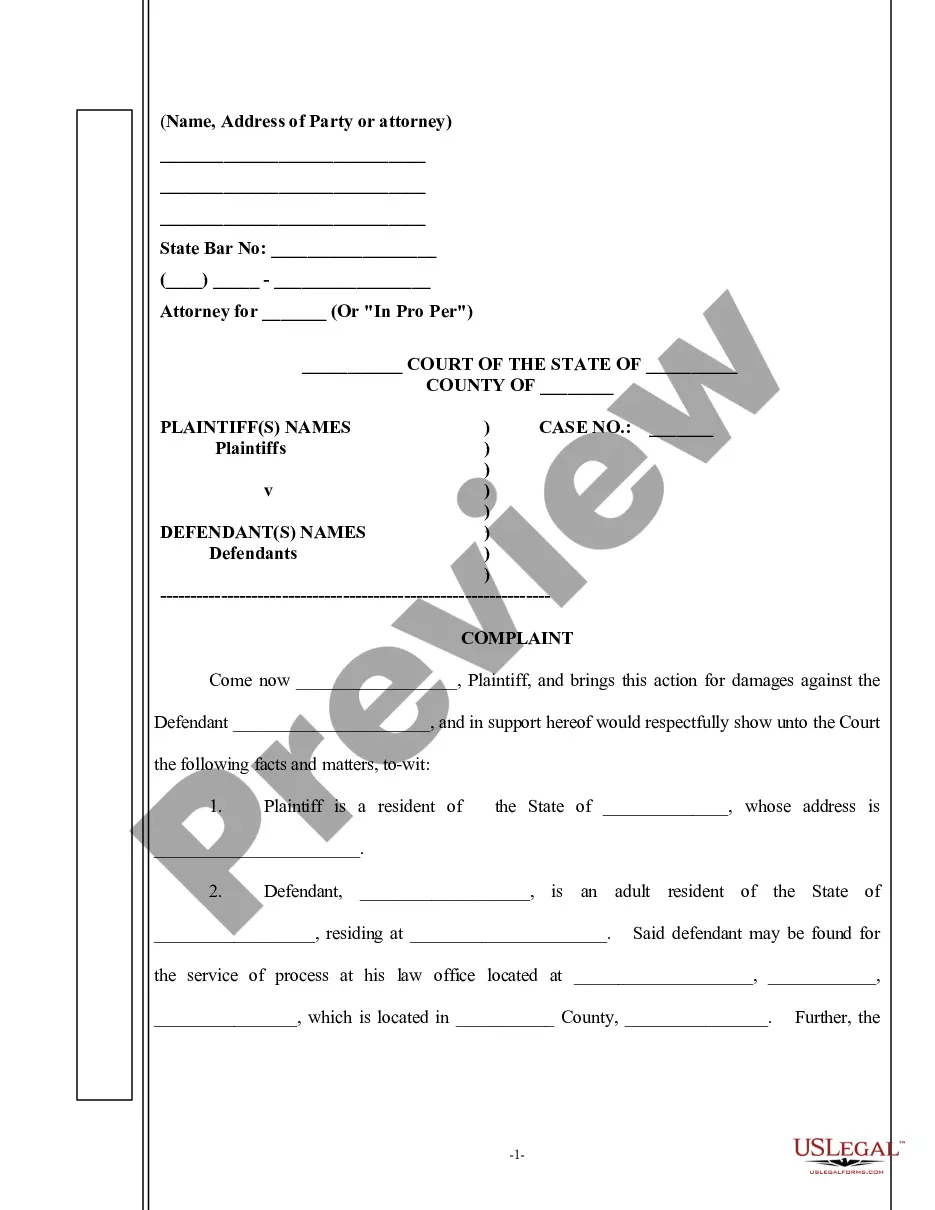
Form popularity
FAQ
A distribution agreement, also known as a distributor agreement, is a contract between a supplying company with products to sell and another company that markets and sells the products. The distributor agrees to buy products from the supplier company and sell them to clients within certain geographical areas.
Differences between agency and distribution An agent is appointed to negotiate or conclude contracts on the supplier's behalf. A distributor effectively becomes the supplier and contracts are made directly between the distributor and the customer.
Agent are responsible for finding the target people and negotiating with them to buy the products. Distributors do not have any role in negotiating with customers; they only perform the role of distributing the product in the market. Think in the following terms: Agent = Representative.
Agency and reseller agreements are both a kind of legal contract but there are several key differences to note. Under an agency agreement, on behalf of the principal, the agent enters into a contract with the customer. Whereas, under a reseller agreement, the contract is between the reseller and the customer.
Essentially, the difference is one of product ownership. While a commission/sales/trade agent sells product on your behalf that you continue to own and invoice the ultimate customer for, distributors take ownership of the product and sell on to their own customers.
The Distributor Agreement should clearly set forth the duties, responsibilities and expectations of each of the parties. The Distributor Agreement should also set forth provisions related to limitations and protections that each party can understand.
A distribution agreement, also known as a distributor agreement, is a contract between a supplying company with products to sell and another company that markets and sells the products. The distributor agrees to buy products from the supplier company and sell them to clients within certain geographical areas.
Distribution Agreements will last for an agreed-upon term, which can be anywhere from 3 years, to eternity. During this Term, the Distributor has the (usually exclusive) right to market and distribute the film.
These are the ten steps to be followed when valuing a distribution business. Analyze Financial Statements. Review Client and Supplier Contracts. Evaluate Market Position. Consider Asset Value. Assess Growth Potential. Review Industry Comparables. Calculate Earnings Multiples. Analyze Operational Efficiency.