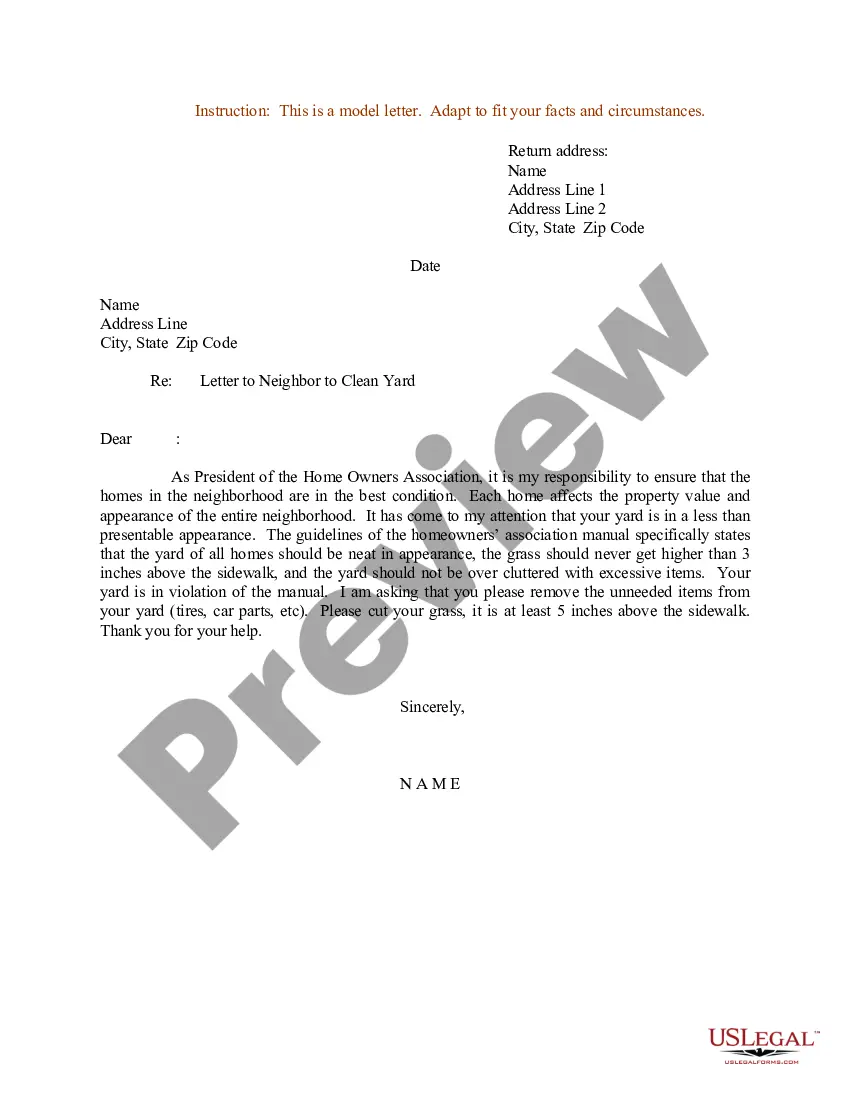
Personal Property With Replacement Cost In Travis
Description

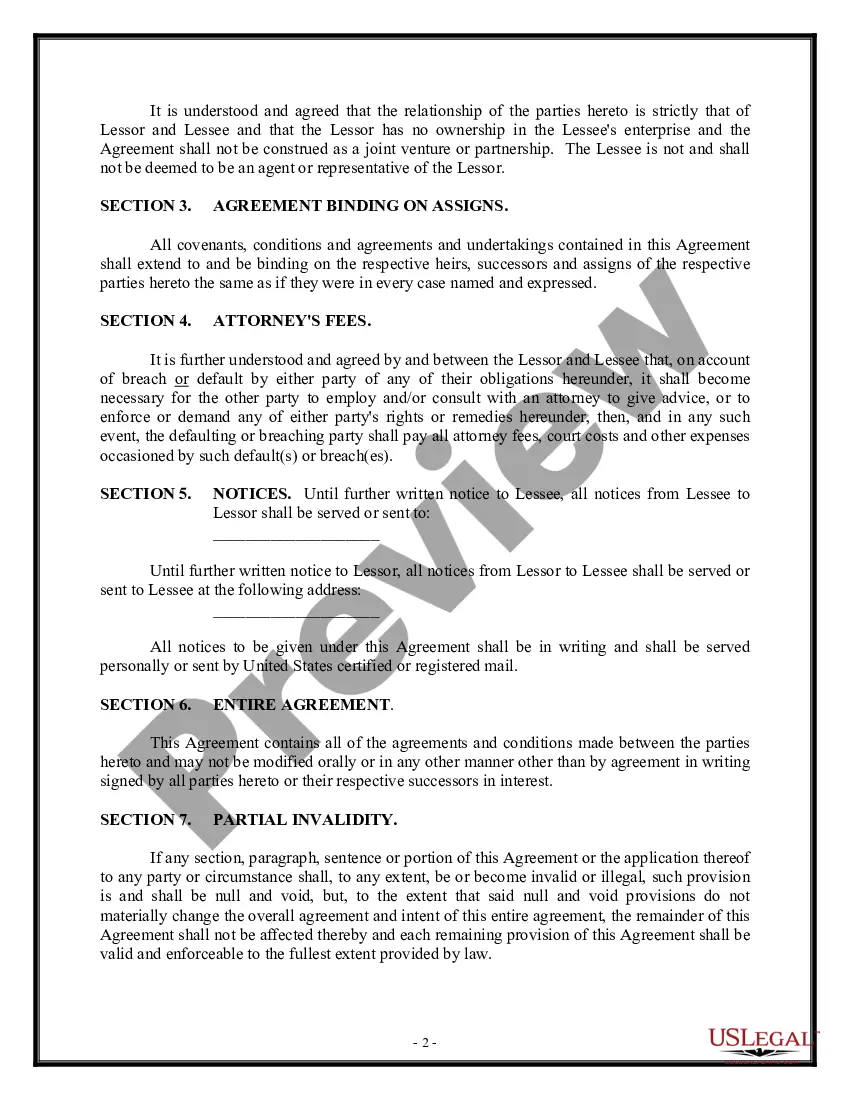
Get your form ready online
Our built-in tools help you complete, sign, share, and store your documents in one place.
Make edits, fill in missing information, and update formatting in US Legal Forms—just like you would in MS Word.
Download a copy, print it, send it by email, or mail it via USPS—whatever works best for your next step.
Sign and collect signatures with our SignNow integration. Send to multiple recipients, set reminders, and more. Go Premium to unlock E-Sign.
If this form requires notarization, complete it online through a secure video call—no need to meet a notary in person or wait for an appointment.
We protect your documents and personal data by following strict security and privacy standards.

Make edits, fill in missing information, and update formatting in US Legal Forms—just like you would in MS Word.

Download a copy, print it, send it by email, or mail it via USPS—whatever works best for your next step.

Sign and collect signatures with our SignNow integration. Send to multiple recipients, set reminders, and more. Go Premium to unlock E-Sign.

If this form requires notarization, complete it online through a secure video call—no need to meet a notary in person or wait for an appointment.

We protect your documents and personal data by following strict security and privacy standards.
Looking for another form?









Form popularity
FAQ
If you are dissatisfied with your property's appraised value or if errors exist in the appraisal records regarding your property, you should file Form 50-132, Property Owner's Notice of Protest (PDF) with the ARB.
Texas' property tax applies to all real estate (land and improvements). Texas's property tax also applies to tangible personal property (furniture, machinery, supplies, inventories, etc.) used in the “production of income,” i.e. business-owned property. Personal property owned by individuals is specifically exempted.
Ing to the Comptroller, there is no provision for the cessation of property taxes at any stage. However, there is a Texas property tax exemption for people over the age of 65, which offers temporary tax relief for seniors. At the age of 65, seniors can apply for an exemption from Texas property taxes.
The steps below will show you how to lower property taxes in Texas through an appeal. File a notice of protest. Prepare information for hearing. Attend an informal hearing at the Appraisal District office. Attend an Appraisal Review Board hearing. Appeal through district court or arbitration.
Collect Evidence: Gather evidence that supports your argument that the property's value is inflated. This could include data relating to recent property sales issues, the condition of your property, or other economic factors impacting property values.
A property owner must apply for an exemption in most circumstances. Applications for property tax exemptions are filed with the appraisal district in the county in which the property is located. The general deadline for filing an exemption application is before May 1.
Change your address online: Search for your property. Once you find your property, click on your account number. Click on the change of address button at the bottom of the page and follow the prompts to complete the address change.
Walk-ins are welcome a.m to 5 p.m., Monday through Friday but we encourage you to schedule an appointment to skip the line.
Texans who are 65 years of age or older or disabled persons/veterans may postpone paying current and/or delinquent property taxes due on their homes by signing a residence homestead tax deferral. The individual must own the property and occupy the property as a residence homestead.
Ing to the Comptroller, there is no provision for the cessation of property taxes at any stage. However, there is a Texas property tax exemption for people over the age of 65, which offers temporary tax relief for seniors. At the age of 65, seniors can apply for an exemption from Texas property taxes.