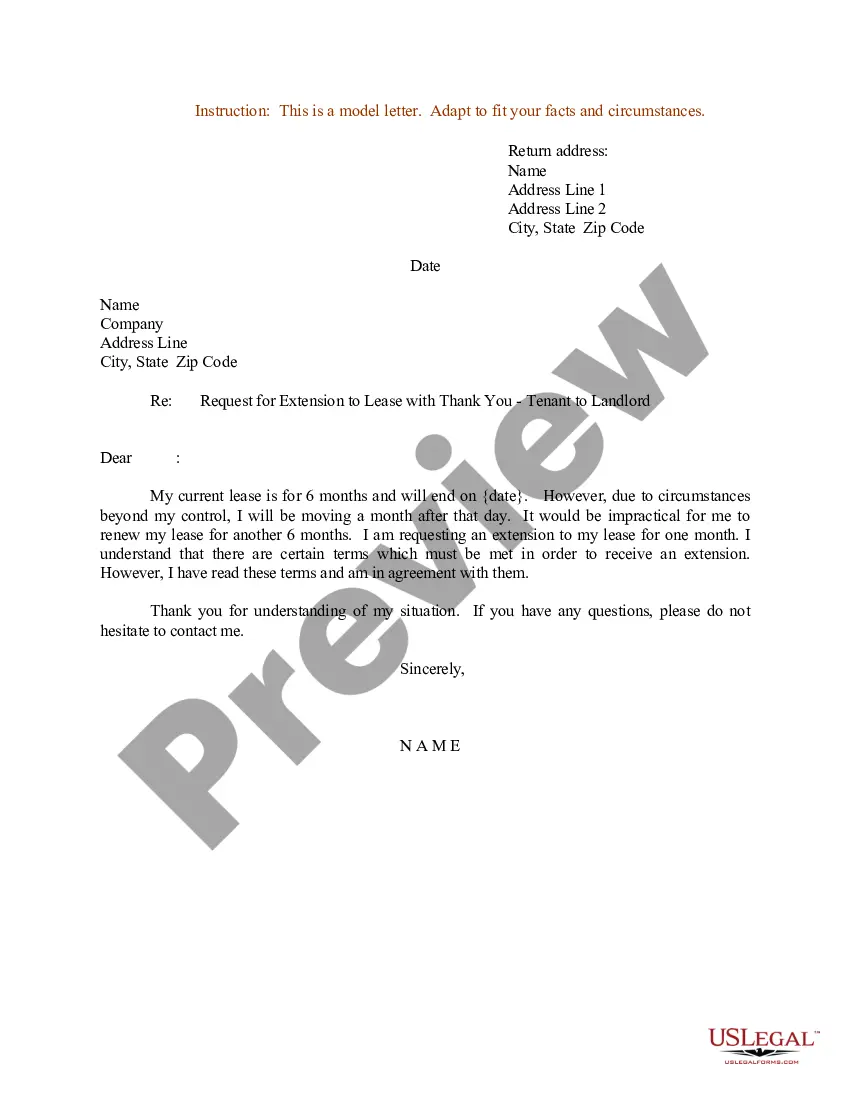
Personal Property Form Insurance In Suffolk
Description

Get your form ready online
Our built-in tools help you complete, sign, share, and store your documents in one place.
Make edits, fill in missing information, and update formatting in US Legal Forms—just like you would in MS Word.
Download a copy, print it, send it by email, or mail it via USPS—whatever works best for your next step.
Sign and collect signatures with our SignNow integration. Send to multiple recipients, set reminders, and more. Go Premium to unlock E-Sign.
If this form requires notarization, complete it online through a secure video call—no need to meet a notary in person or wait for an appointment.
We protect your documents and personal data by following strict security and privacy standards.

Make edits, fill in missing information, and update formatting in US Legal Forms—just like you would in MS Word.

Download a copy, print it, send it by email, or mail it via USPS—whatever works best for your next step.

Sign and collect signatures with our SignNow integration. Send to multiple recipients, set reminders, and more. Go Premium to unlock E-Sign.

If this form requires notarization, complete it online through a secure video call—no need to meet a notary in person or wait for an appointment.

We protect your documents and personal data by following strict security and privacy standards.
Looking for another form?








Form popularity
FAQ
An HO-4 policy would not. In short, renters insurance is primarily for your personal belongings, while HO-6 coverage has a bit more reach. Perils covered by HO-6 typically include dwelling coverage for materials like flooring, personal liability coverage, personal property coverage and loss of use coverage.
When you are thinking about purchasing a commercial property or homeowner's insurance policy, there are typically three primary levels of coverage you can choose from: basic, broad, and special.
The HO 4 form insures a tenant for direct damage to unscheduled personal property on a broad named perils basis. This policy also provides personal liability coverage and medical payments coverage.
Building and personal property coverage form is a type of commercial insurance policy designed to cover direct physical damage or loss to commercial property and its contents.
The HO 4 form insures a tenant for direct damage to unscheduled personal property on a broad named perils basis. This policy also provides personal liability coverage and medical payments coverage.
What is the best way to shop for homeowners insurance? Online through the insurer's website or mobile app. By calling a local agent who sells policies through one or multiple companies. By going to a company's or independent agent's local office. Online through an independent insurance marketplace like Policygenius.
Basic Form It typically covers damage or loss caused by specific perils, such as fire, lightning, windstorm, hail, explosion, and vandalism. This type of coverage is sometimes called “named perils coverage” because it only covers the perils named explicitly in the policy.
The sum of the value of all your items is how much coverage you need. Often, the amount of personal property coverage is determined by using 50% of your dwelling coverage limit. For example, if your dwelling coverage is $400,000, you'll have $200,000 in personal property coverage.
The sum of the value of all your items is how much coverage you need. Often, the amount of personal property coverage is determined by using 50% of your dwelling coverage limit. For example, if your dwelling coverage is $400,000, you'll have $200,000 in personal property coverage.
Personal property simply means “the stuff you own”—from bikes to laptops, TVs, and jewelry. The relevant coverage for all this stuff is known as Coverage C on renters insurance policies. Personal property coverage protects things like electronics, clothing, and furniture.