Private Property With Examples In San Antonio
Description

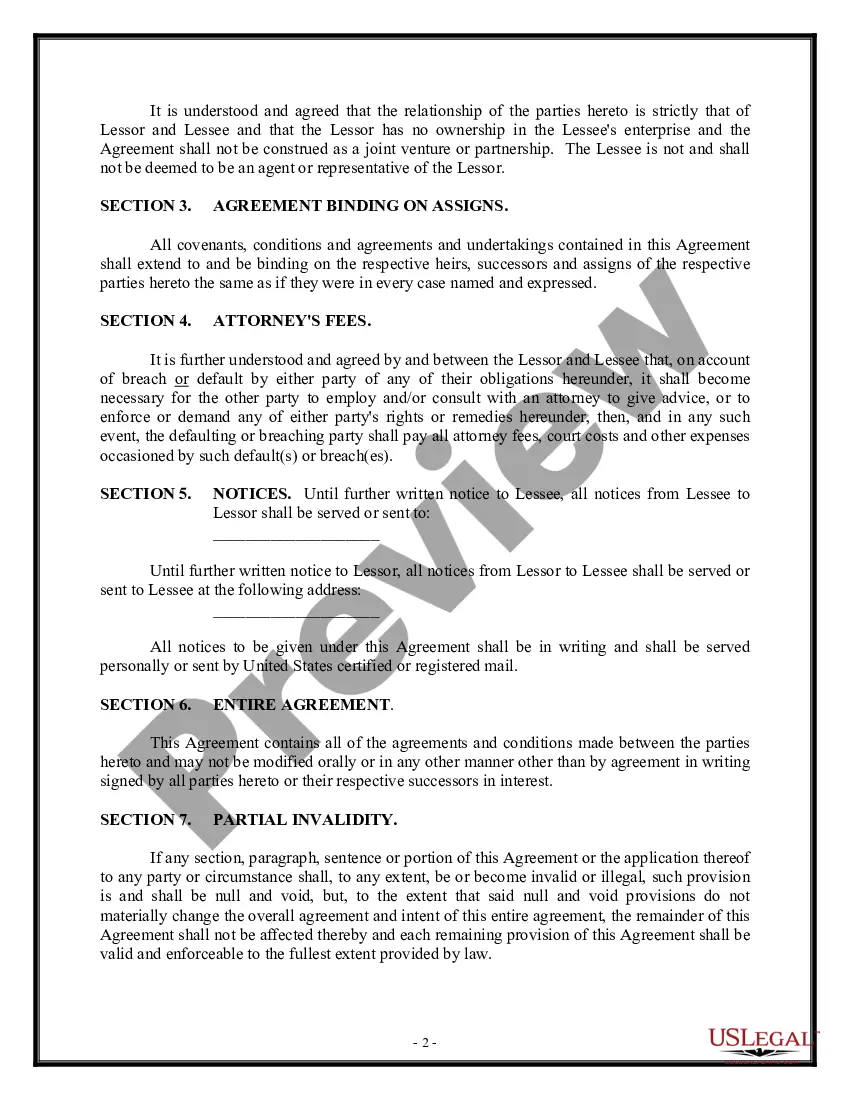
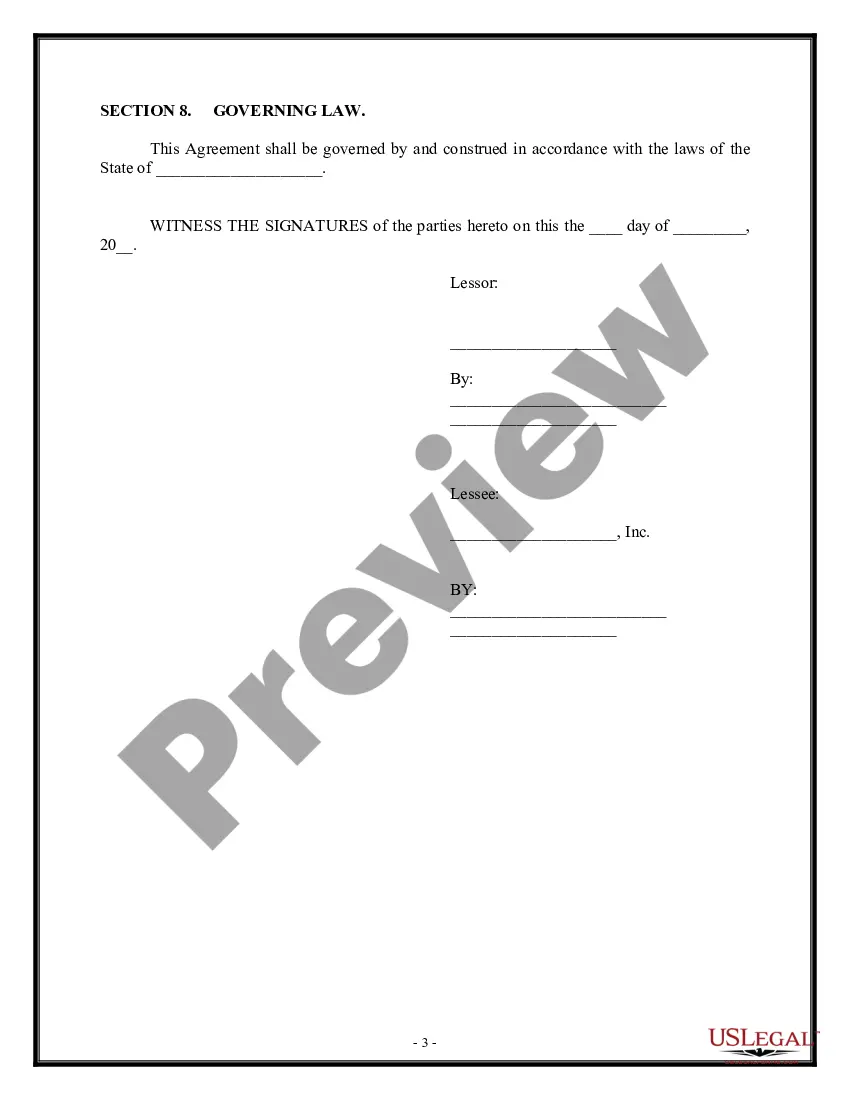
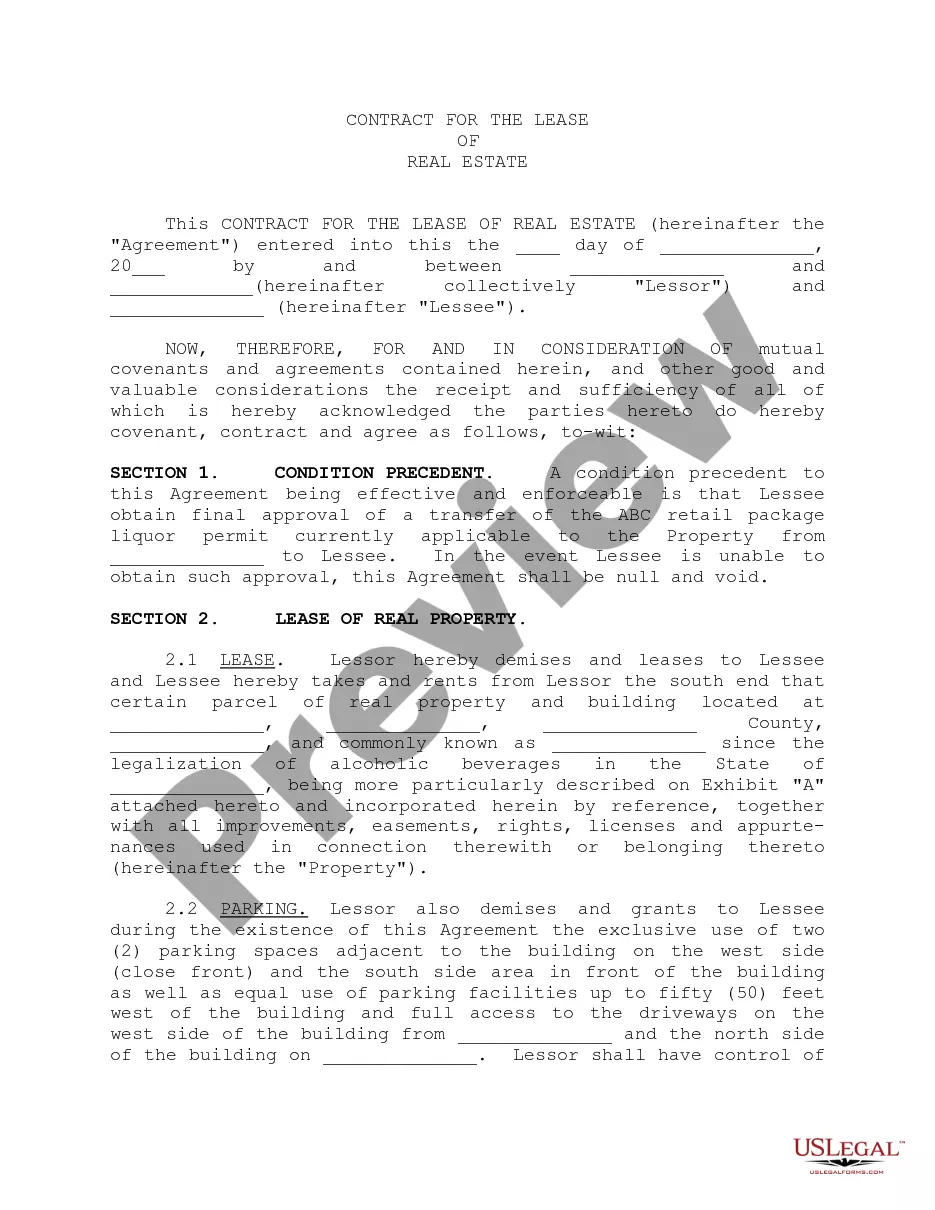
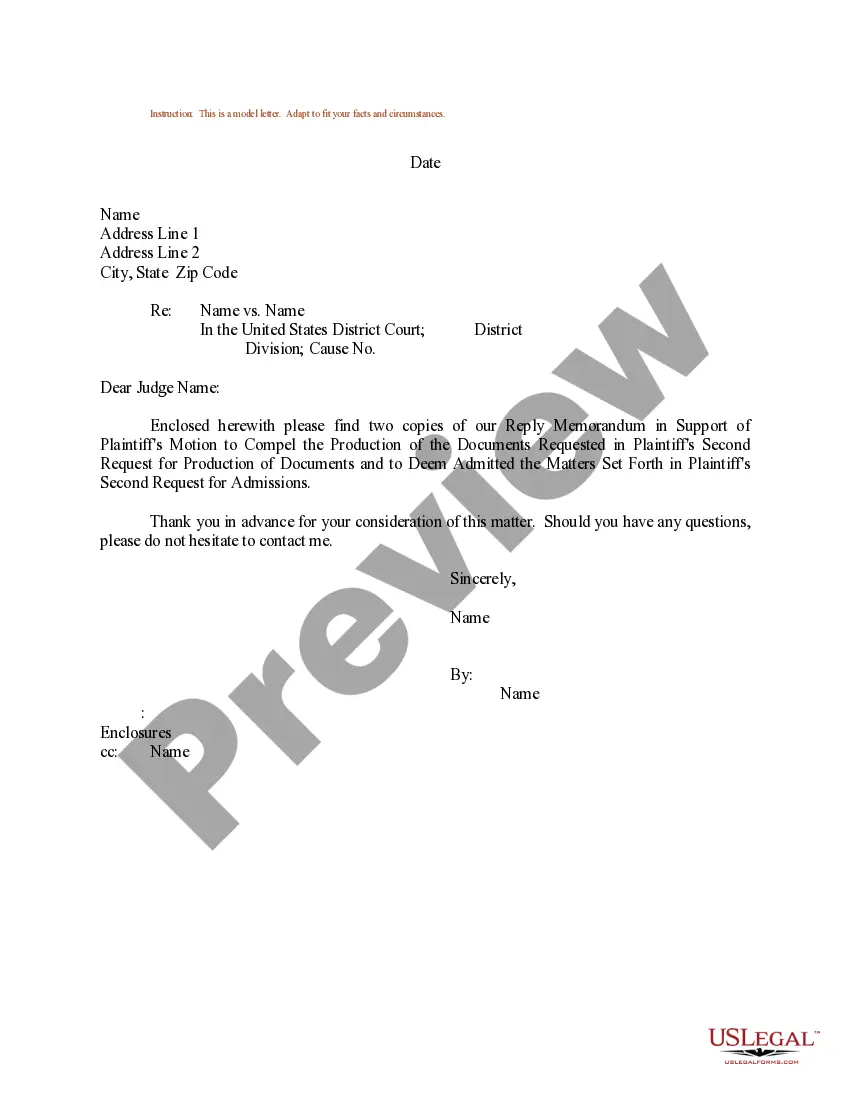
Get your form ready online
Our built-in tools help you complete, sign, share, and store your documents in one place.
Make edits, fill in missing information, and update formatting in US Legal Forms—just like you would in MS Word.
Download a copy, print it, send it by email, or mail it via USPS—whatever works best for your next step.
Sign and collect signatures with our SignNow integration. Send to multiple recipients, set reminders, and more. Go Premium to unlock E-Sign.
If this form requires notarization, complete it online through a secure video call—no need to meet a notary in person or wait for an appointment.
We protect your documents and personal data by following strict security and privacy standards.

Make edits, fill in missing information, and update formatting in US Legal Forms—just like you would in MS Word.

Download a copy, print it, send it by email, or mail it via USPS—whatever works best for your next step.

Sign and collect signatures with our SignNow integration. Send to multiple recipients, set reminders, and more. Go Premium to unlock E-Sign.

If this form requires notarization, complete it online through a secure video call—no need to meet a notary in person or wait for an appointment.

We protect your documents and personal data by following strict security and privacy standards.
Looking for another form?

Form popularity
FAQ
Property laws shape how we interact with our possessions and those of others. If you're a homeowner, you can renovate your house and yard. You also have the right to sell or destroy your personal belongings, such as cars and smartphones. However, you can't discard or sell someone else's property without permission.
Private property may only be taken by a governmental entity or private entity that is authorized by law to do so. Your property may be taken only for a public purpose. That means it can only be taken for a purpose or use that serves the general public.
Private property may only be taken by a governmental entity or private entity that is authorized by law to do so. Your property may be taken only for a public purpose. That means it can only be taken for a purpose or use that serves the general public.
Private property may consist of real estate, buildings, objects, intellectual property (copyright, patent, trademark, and trade secrets).
If you have been released from the Bexar County Adult Detention Center and you need to pick up property taken as Evidence, Found Property, or Safe Keeping. Please schedule an appointment with the Evidence/Property room corresponding to the Arresting Agency.
Private property can include land and certain improvements that are on that property. Private property may only be taken by a governmental entity or private entity that is authorized by law to do so. Your property may be taken only for a public purpose.
Primary tabs. Private property refers to the ownership of property by private parties - essentially anyone or anything other than the government. Private property may consist of real estate, buildings, objects, intellectual property (copyright, patent, trademark, and trade secrets).
Private property can include land and improvements on your property. Private property can only be taken or used when the government authorizes it by law to be used for the general public's purposes. Authorities cannot take your property for tax purposes or to help the economy.
The Fifth Amendment specifies that the government cannot seize private property for public use without providing fair compensation. Additionally, the Fourteenth Amendment states, “nor shall any State deprive any person of life, liberty, or property, without due process of law.”
For taxation purposes, there are two basic types of property: real property (land, buildings, and other items attached to land) and personal property (property that can be owned and is not permanently attached to the land or building such as inventory, furniture, fixtures, equipment and machinery).