Personal Property For Insurance In Salt Lake
Description

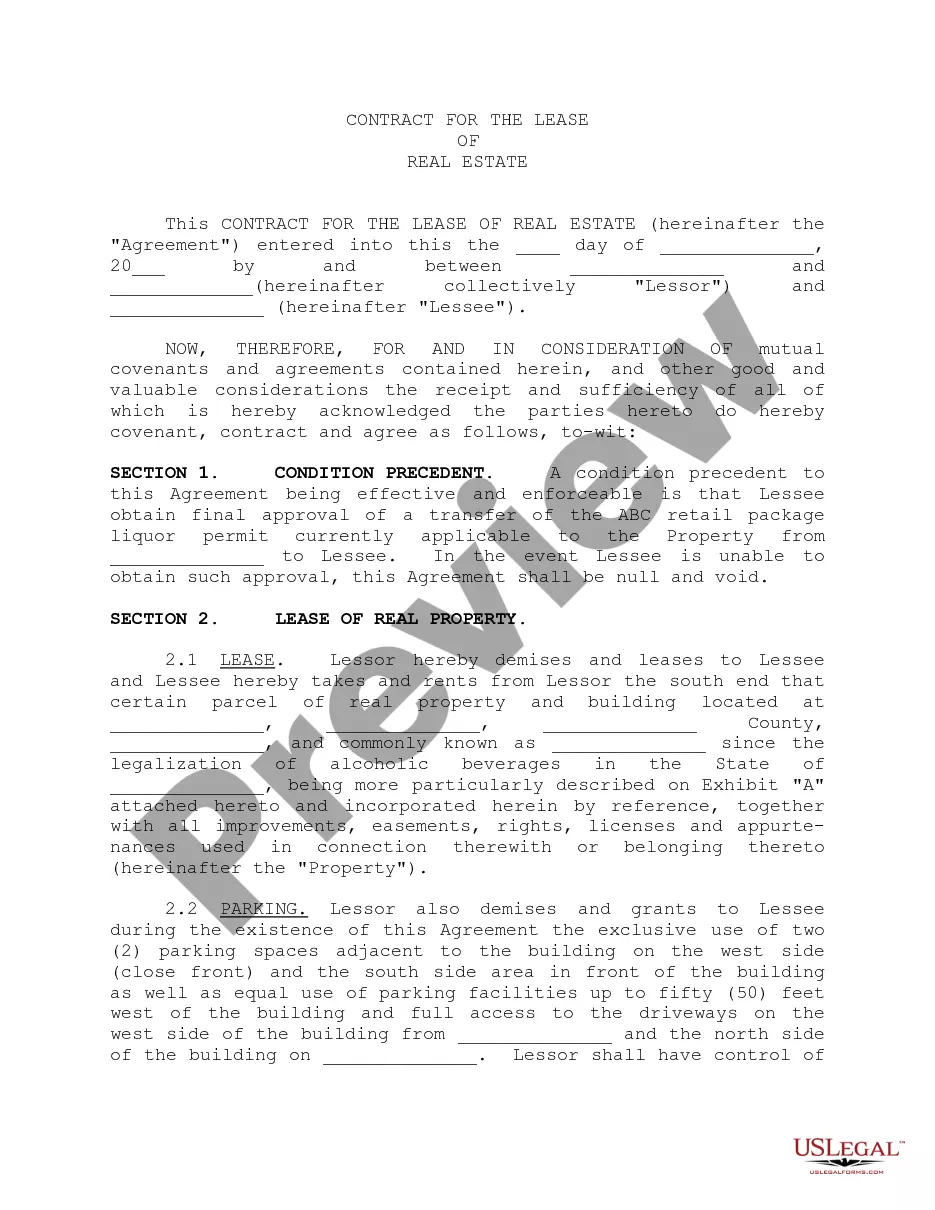
Get your form ready online
Our built-in tools help you complete, sign, share, and store your documents in one place.
Make edits, fill in missing information, and update formatting in US Legal Forms—just like you would in MS Word.
Download a copy, print it, send it by email, or mail it via USPS—whatever works best for your next step.
Sign and collect signatures with our SignNow integration. Send to multiple recipients, set reminders, and more. Go Premium to unlock E-Sign.
If this form requires notarization, complete it online through a secure video call—no need to meet a notary in person or wait for an appointment.
We protect your documents and personal data by following strict security and privacy standards.

Make edits, fill in missing information, and update formatting in US Legal Forms—just like you would in MS Word.

Download a copy, print it, send it by email, or mail it via USPS—whatever works best for your next step.

Sign and collect signatures with our SignNow integration. Send to multiple recipients, set reminders, and more. Go Premium to unlock E-Sign.

If this form requires notarization, complete it online through a secure video call—no need to meet a notary in person or wait for an appointment.

We protect your documents and personal data by following strict security and privacy standards.
Looking for another form?







Form popularity
FAQ
Personal property coverage, also known as contents coverage, is the part of your homeowners, condo or renters insurance policy that pays to repair or replace your stuff if it's destroyed, damaged or stolen due to a covered loss. This includes clothing, appliances, furniture, credit cards, electronics and more.
No, if you can get it in a trust or something you could buy coverage. Until then you, or anyone else, has no insurable interest in the property as it isn't legally yours.
You can insure a property if you have an insurable interest in the property. There is clearly a dispute about the ownership of this property, and your step-father has the right to protect his interests by insuring property that he may have an interest in.
Vacant home insurance is coverage for houses where no one is living for an extended period of time. This might include a home you inherit after a parent dies or a rental property that's empty between tenants. Standard homeowners policies are designed for homes that are occupied on a regular basis.
Typically, insurers prefer that the policyholder has an insurable interest in the vehicle, meaning they would suffer a financial loss if the car were damaged or totaled. However, some companies offer non-owner car insurance policies, which provide liability coverage when you drive a car you don't own.
Personal property insurance is an important protection to have for your most valued possessions. Whether you live in a condo, a house or an apartment, you can get more peace of mind with the right personal property insurance.
Earthquake, flood, mold, earth movement, and “wear and tear” are some of the perils that are usually excluded. When an insurer writes your homeowners coverage, the insurer is legally obligated to offer you earthquake coverage for an additional premium.
The sum of the value of all your items is how much coverage you need. Often, the amount of personal property coverage is determined by using 50% of your dwelling coverage limit.
Homeowners insurance does not cover every type of stolen property. For example, it may not cover expensive jewelry. The value of the jewelry could be too much for the insurance plan.
Final answer: Coverage C, Personal Property, typically includes most personal items within the insured home, but does not cover vehicles, and high-value items may require additional coverage.